Lithuania
Lithuania (Republic of Lithuania) is the largest of the three Baltic states, situated on the eastern shore of the Baltic Sea. It borders Latvia to the north, Belarus to the east and south, Poland to the southwest, and the Kaliningrad Oblast of Russia to the west.
Histori
1. Early History (Until 1385)
-
First Mentions and Unification: The name of Lithuania was first recorded in written sources in 1009 in the Quedlinburg Annals. In the mid-13th century, Duke Mindaugas unified the Baltic tribes to resist the Teutonic and Livonian Orders. On July 6, 1253, Mindaugas was crowned King of Lithuania (celebrated today as Statehood Day).
-
Expansion: During the 14th century, under Grand Dukes Gediminas, Algirdas, and Kęstutis, the Grand Duchy of Lithuania expanded rapidly across Eastern Europe, becoming one of the most powerful medieval states in the region.
2. Personal Union and Commonwealth with Poland (1385–1795)
-
Unions of Krewo and Lublin: In 1385, the Union of Krewo was signed: Grand Duke Jogaila married Queen Jadwiga of Poland, becoming King of Poland and initiating Lithuania's Christianization. In 1410, allied Lithuanian and Polish forces defeated the Teutonic Order at the Battle of Grunwald (Žalgiris).
-
The Polish-Lithuanian Commonwealth: In 1569, the Union of Lublin created a bi-confederated state — the Polish-Lithuanian Commonwealth. At its height, it stretched from the Baltic to the Black Sea. However, internal political decline led to three partitions by Russia, Prussia, and Austria (1772, 1793, 1795).
3. Under the Russian Empire (1795–1915)
-
Annexation and Resistance: Following the final partition in 1795, most of Lithuania came under Russian rule. Major anti-Tsarist uprisings took place in 1831 and 1863.
-
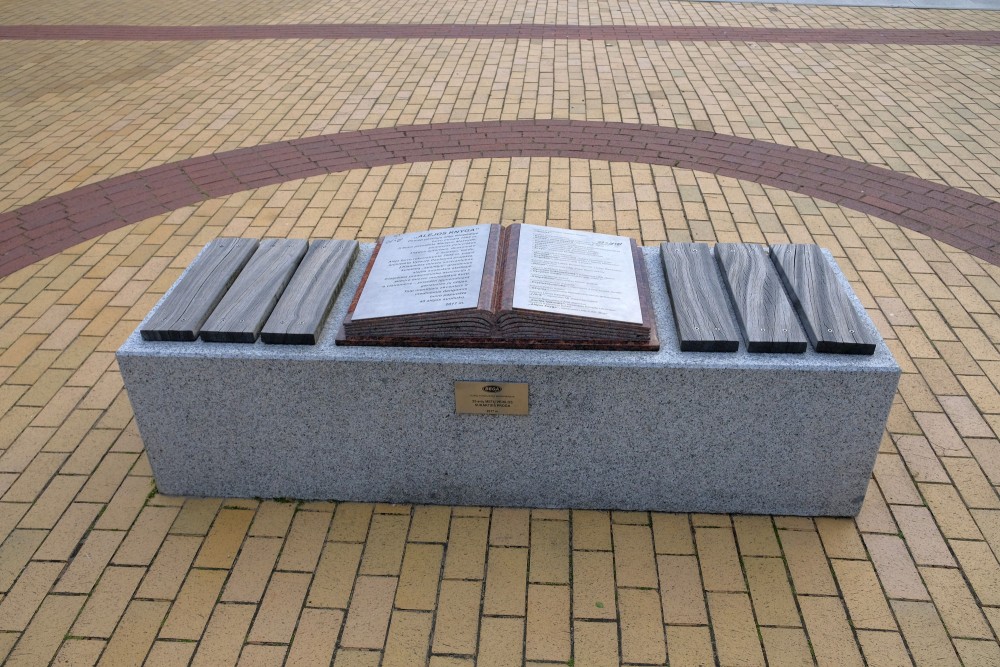
The Lithuanian Press Ban: Following the 1863 uprising, the Tsarist regime banned the printing of Lithuanian-language books using the Latin alphabet (1864–1904). This sparked a unique cultural resistance movement led by knygnešiai (book smugglers), who illegally carried printed books across the border from East Prussia.
4. Independence, Soviet Occupation, and Modern Era
-
Republic of Lithuania (1918–1940): The Council of Lithuania declared independence on February 16, 1918. Kaunas served as the temporary capital during the interwar era as Vilnius was occupied by Poland.
-
Occupations: Occupied by the USSR in 1940, Nazi Germany in 1941, and re-occupied by the Soviets in 1944. Mass deportations were met with armed guerrilla resistance (partizanai) until the mid-1950s.
-
Restoration of Independence: On March 11, 1990, Lithuania became the first Soviet republic to declare restored independence. It joined NATO and the EU in 2004 and adopted the Euro in 2015.
Geography and Environment
Lithuania lies on the western edge of the East European Plain.
-
Terrain: Predominantly flat with rolling hills in the east and west. The highest point is Aukštojas Hill (293.8 meters above sea level).
-
Hydrology: The longest river is the Nemunas, emptying into the Curonian Lagoon. There are over 2,800 lakes, with Lake Drūkštai being the largest and Lake Tauragnas being the deepest (62.5 m).
-
Coastline: Approximately 99 km of Baltic coastline, featuring pristine sandy beaches and the UNESCO-listed Curonian Spit.
-
Forests: Forests cover around 33% of the country's land area, predominantly pine and spruce.
Major Cities by Population
| City | Approximate Population | Highlights |
| Vilnius | ~590,000 | Capital city, famous for its preserved Baroque Old Town and tech sector. |
| Kaunas | ~305,000 | Second-largest city, renowned for interwar modernist architecture and universities. |
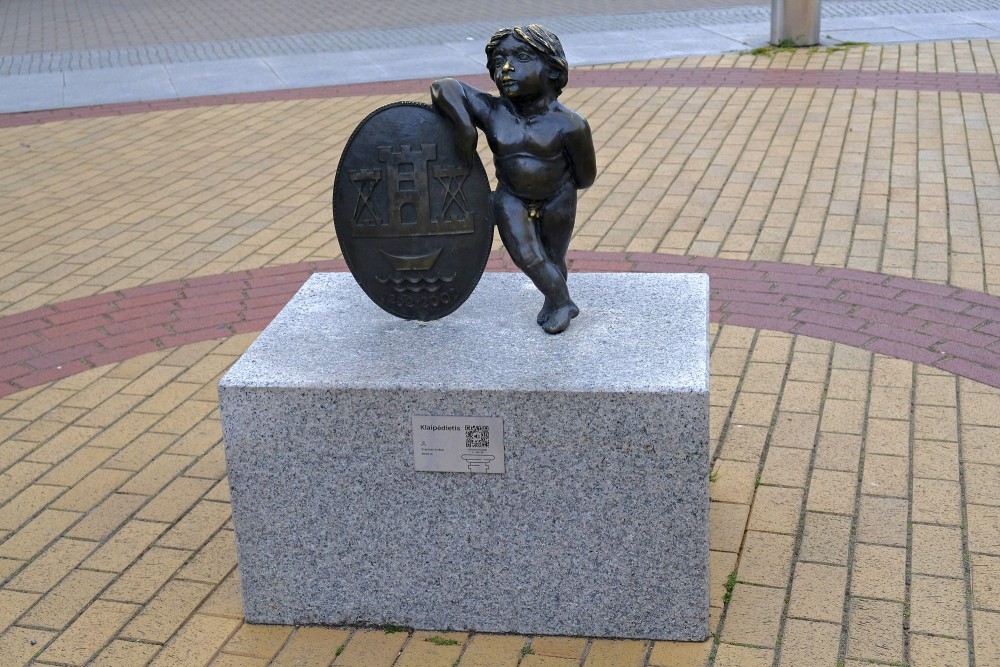
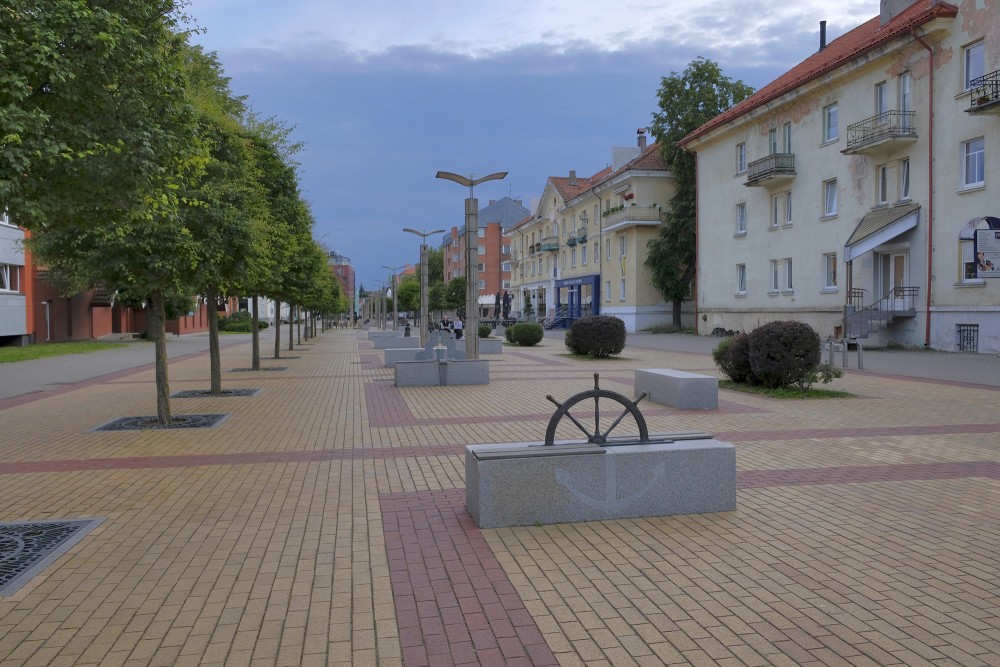
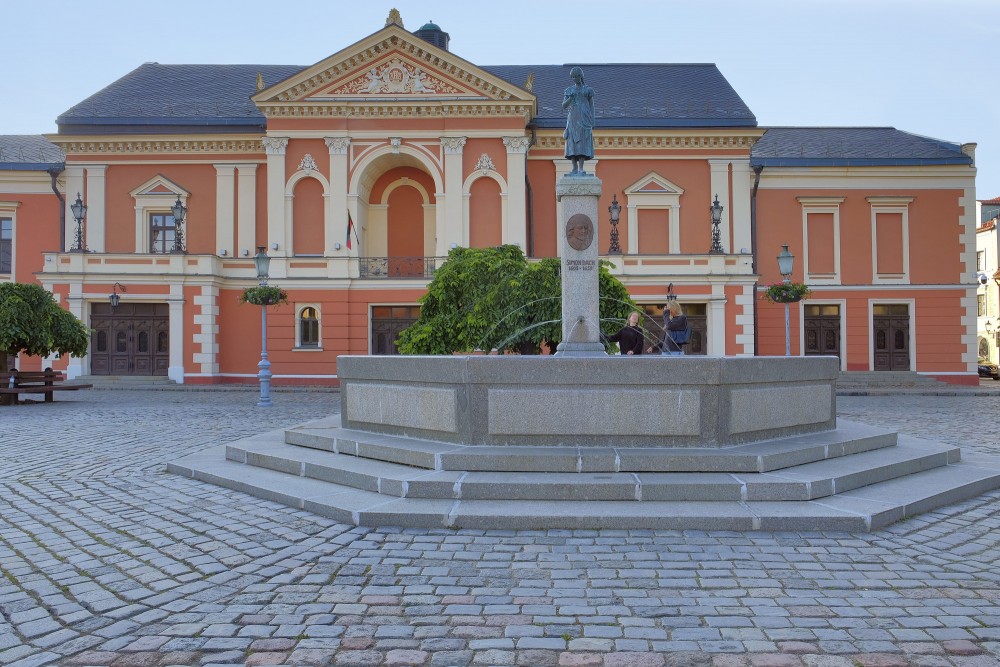
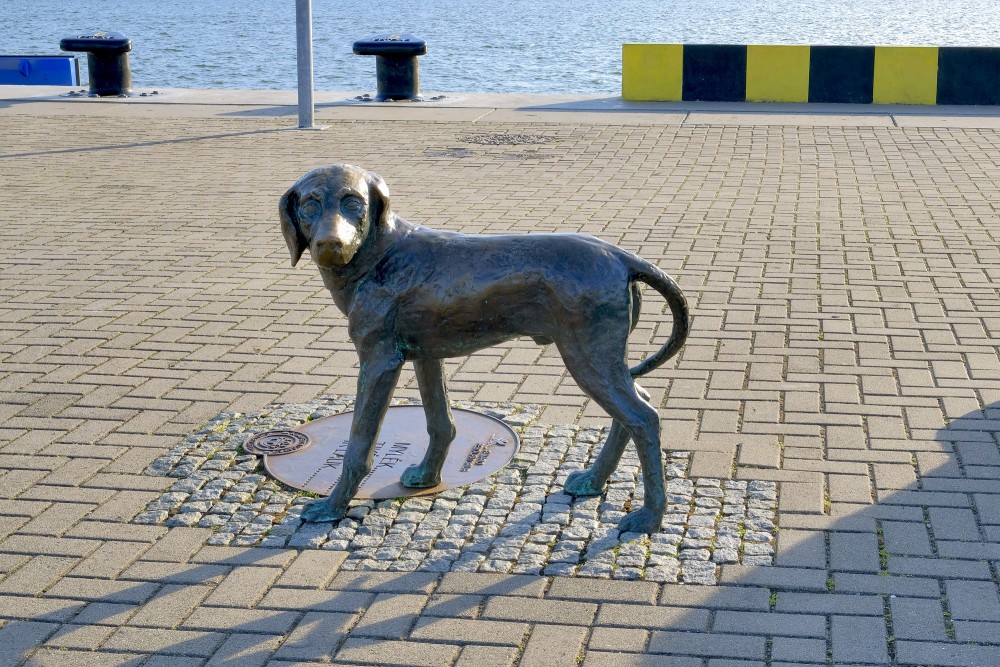
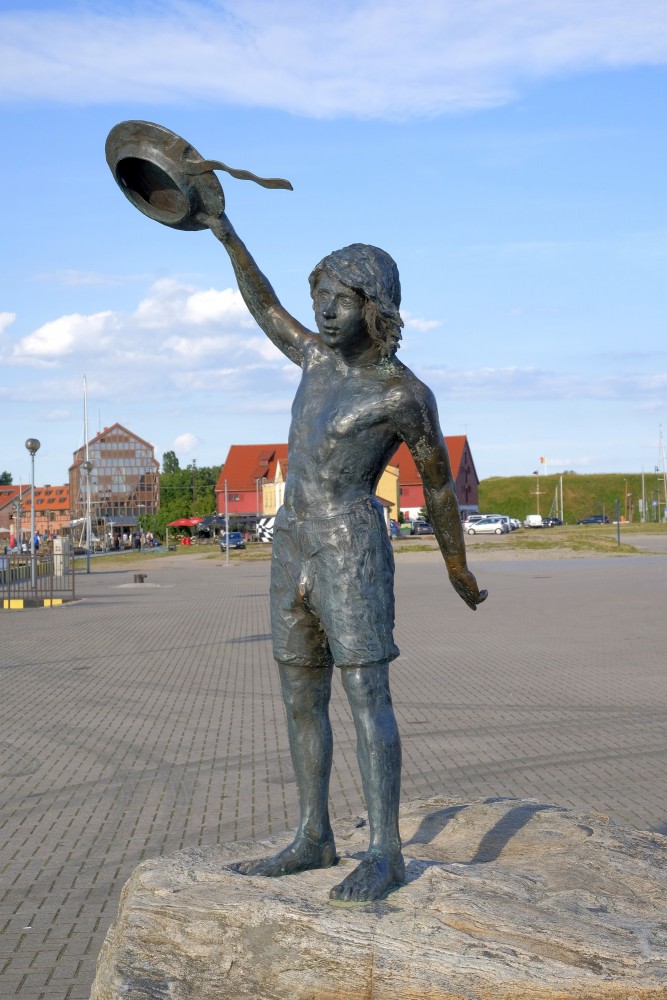
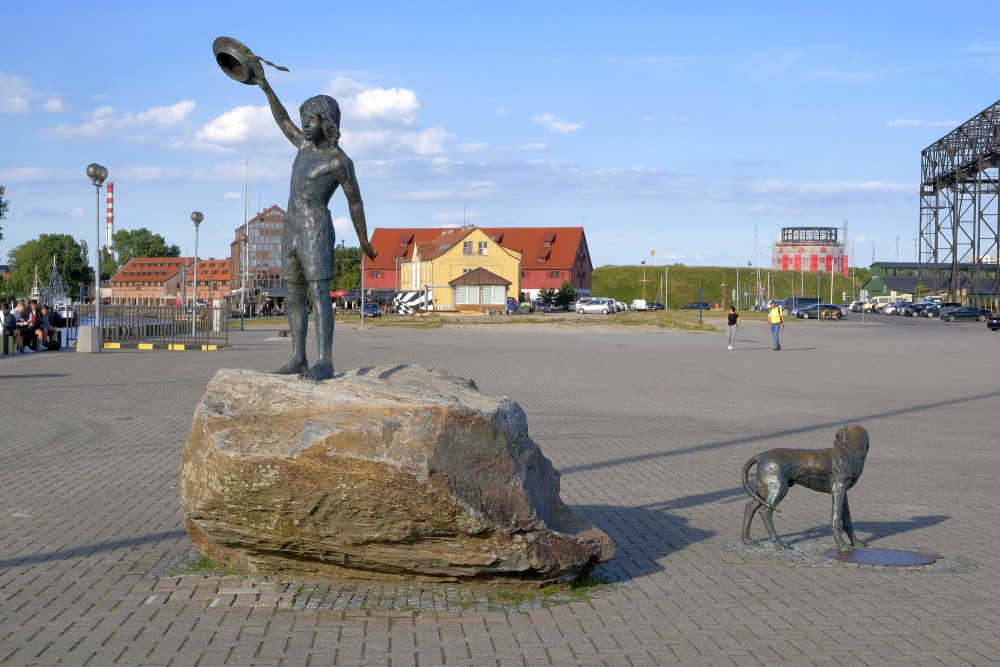
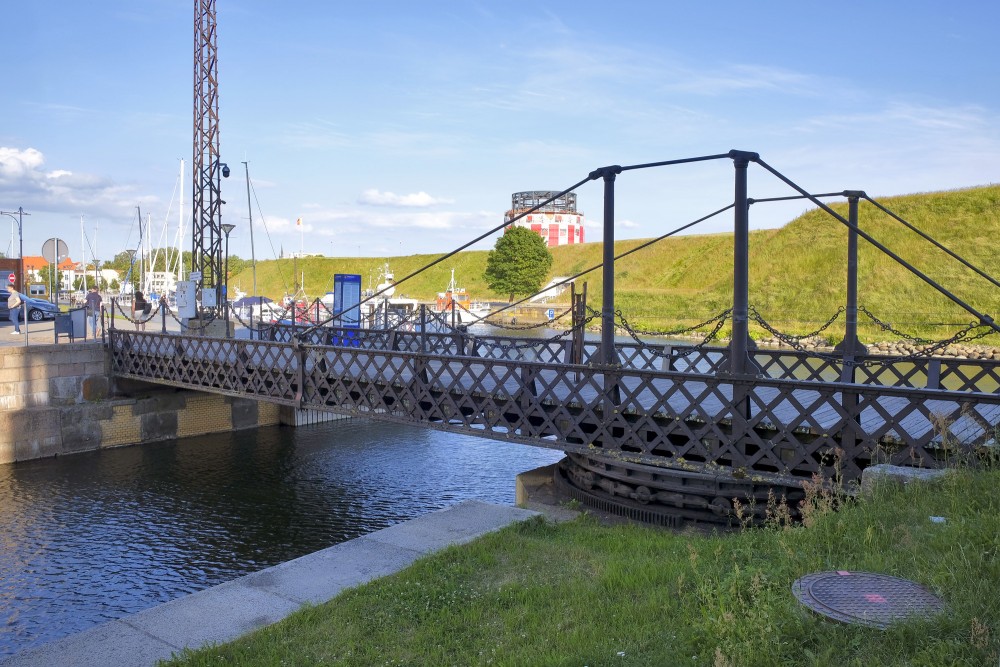
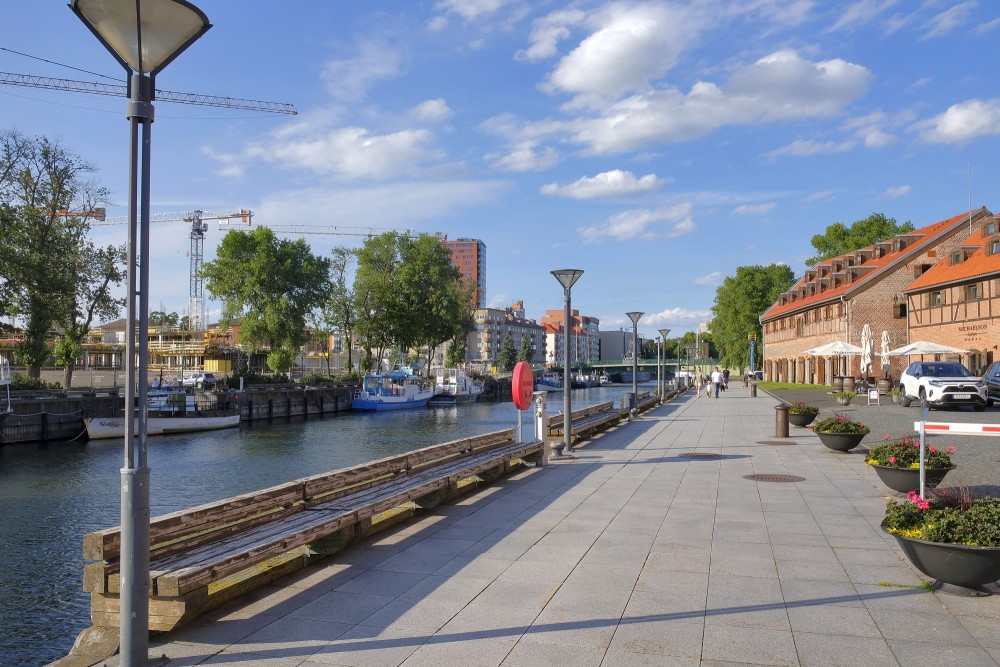
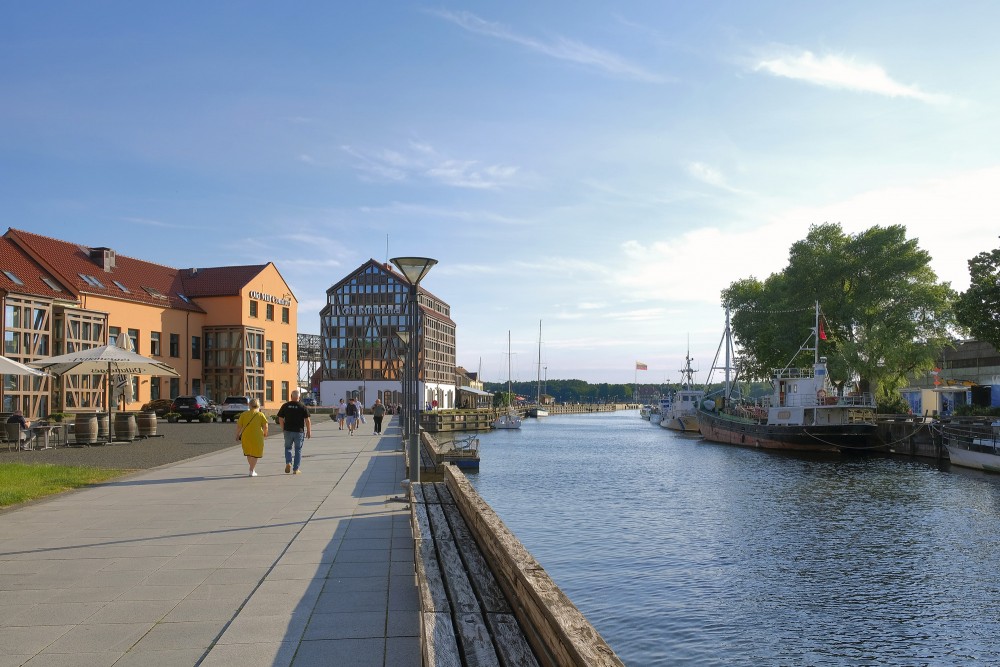
| Klaipėda | ~150,000 | Lithuania's sole ice-free seaport, featuring distinct German heritage. |
| Šiauliai | ~105,000 | Northern Lithuanian cultural center, gateway to the Hill of Crosses. |
| Panevėžys | ~87,000 | Central industrial city, famous for its theatrical heritage. |
Expanded Tourist Highlights & Cultural Facts
-
Republic of Užupis: An artistic district in Vilnius that declared itself an "independent republic" in 1997. It has its own constitution (displayed on public walls in multiple languages), flag, and humor-infused governance.
-
Trakai Island Castle: Located in the middle of Lake Galvė, this restored 14th-century red-brick castle is a major national symbol. Trakai is also home to the Karaite community, whose traditional pastry kibinai is a popular culinary staple.
-
Curonian Spit & Nida: A 98-km sand-dune peninsula separating the Baltic Sea from the Curonian Lagoon. Key attractions include the Parnidis Dune, witch-carved wooden sculptures at Juodkrantė, and amber workshops.
-
The Hill of Crosses: A hill near Šiauliai covered with over 100,000 wooden, metal, and stone crosses left by pilgrims as a symbol of faith and national resilience.
-
Cold War Missile Silo Museum: A former secret Soviet nuclear missile launch base hidden inside Žemaitija National Park, now open for underground guided tours.
-
Culinary Specialties: Beyond cepelinai and cold beet soup (šaltibarščiai), visitors should taste šakotis (a traditional spit cake), kvass (gira), and authentic dark rye bread.