Klaipėda, Lithuania
City overview
Klaipėda is Lithuania's third-largest city and its only seaport, located on the Baltic coast at the point where the northern end of the Curonian Spit meets the Curonian Lagoon. The Danė River flows through the city into the lagoon. Historically known by its German name, Memel, the city became part of Lithuania only in 1923, following the Klaipėda Revolt.
History
The city's origins date back to 1252, when the Teutonic Knights built a castle called Memelburg at the mouth of the Danė River, around which the town later grew. For centuries Klaipėda belonged to the sphere of German influence — first the Teutonic Order, later Prussia and Germany — and became part of Lithuania only in the 20th century. During World War II and the subsequent Soviet occupation, the city's historic German community was displaced, and Klaipėda was largely repopulated. Today it is an important seaport, shipping hub, and gateway to the UNESCO-listed Curonian Spit National Park.
Architecture and Old Town
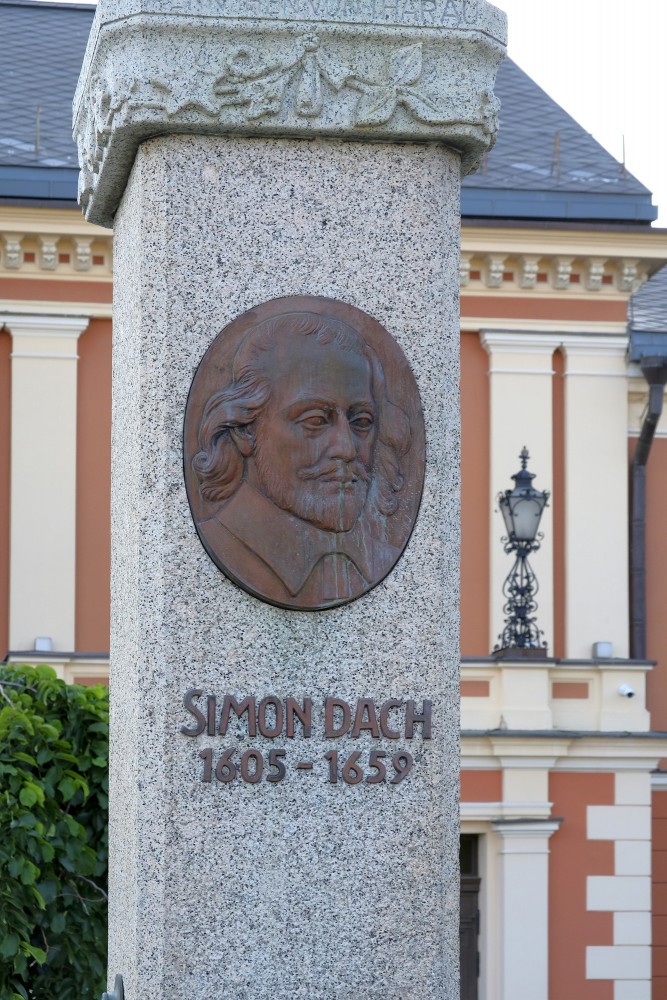
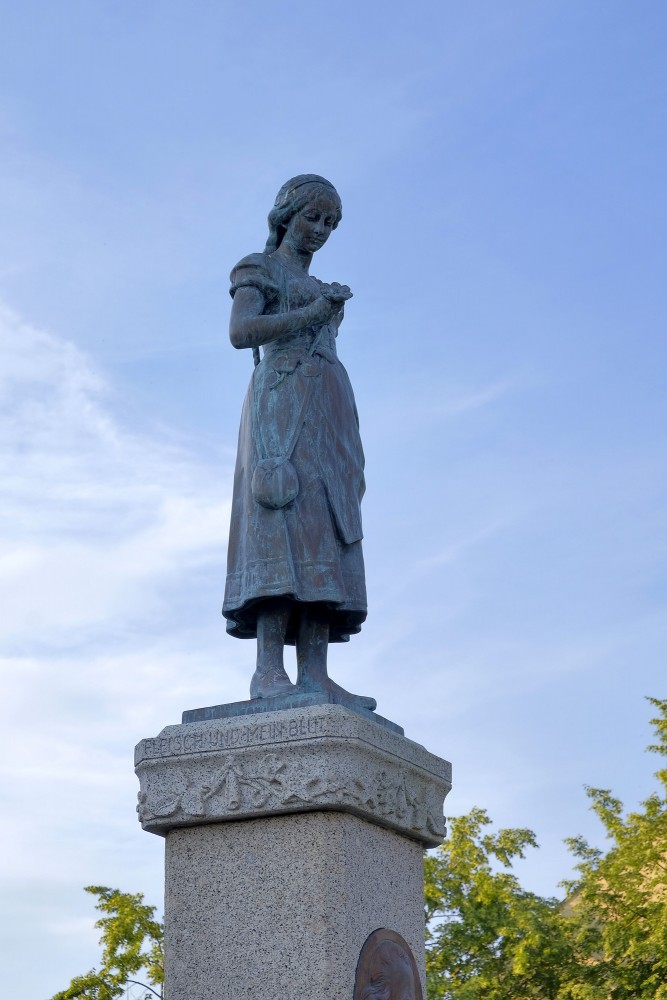
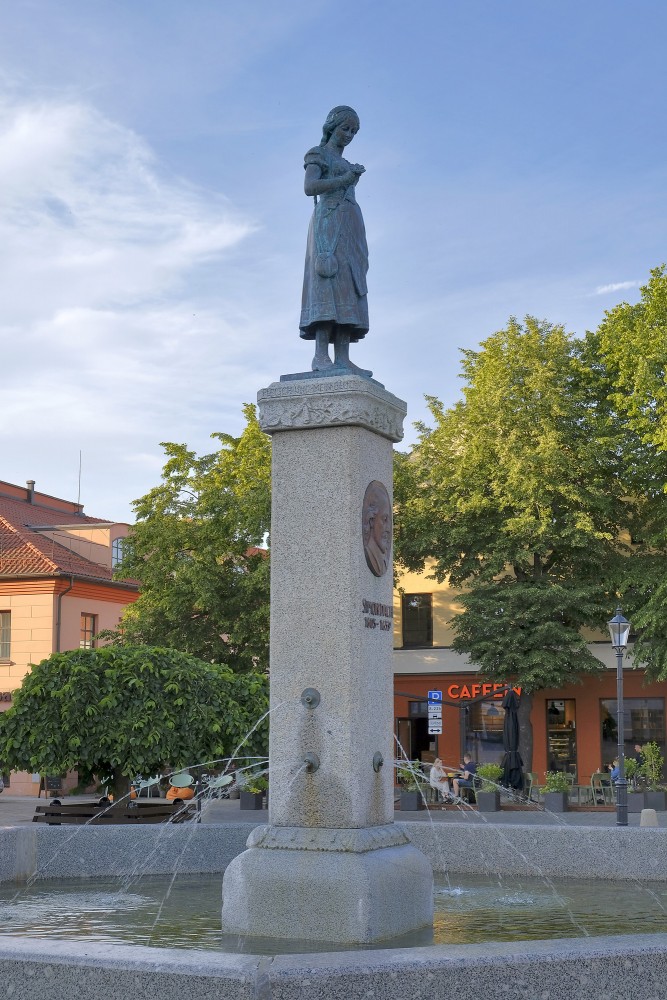
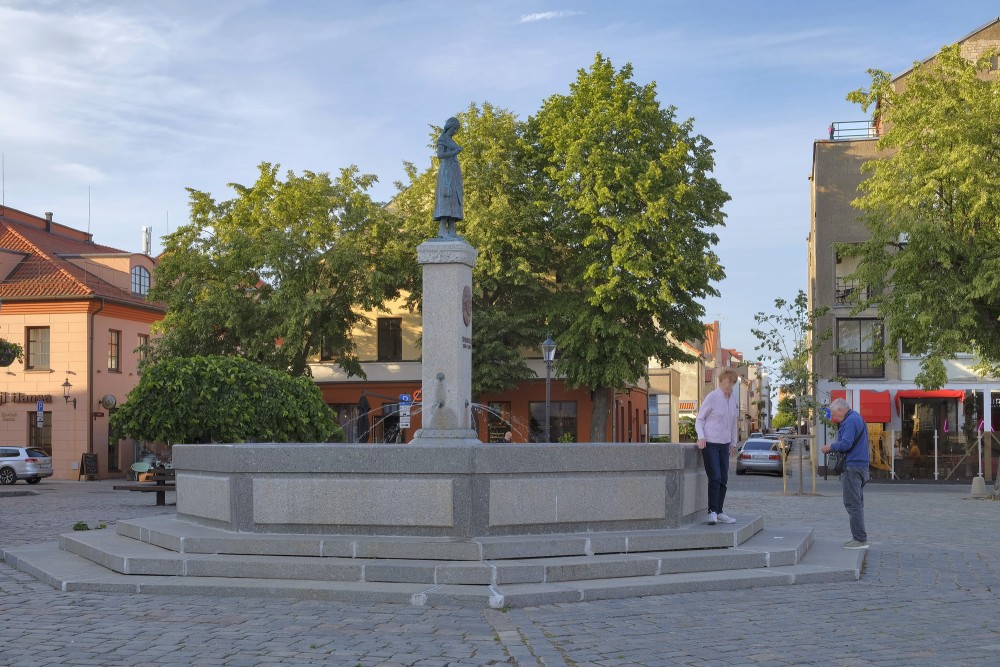
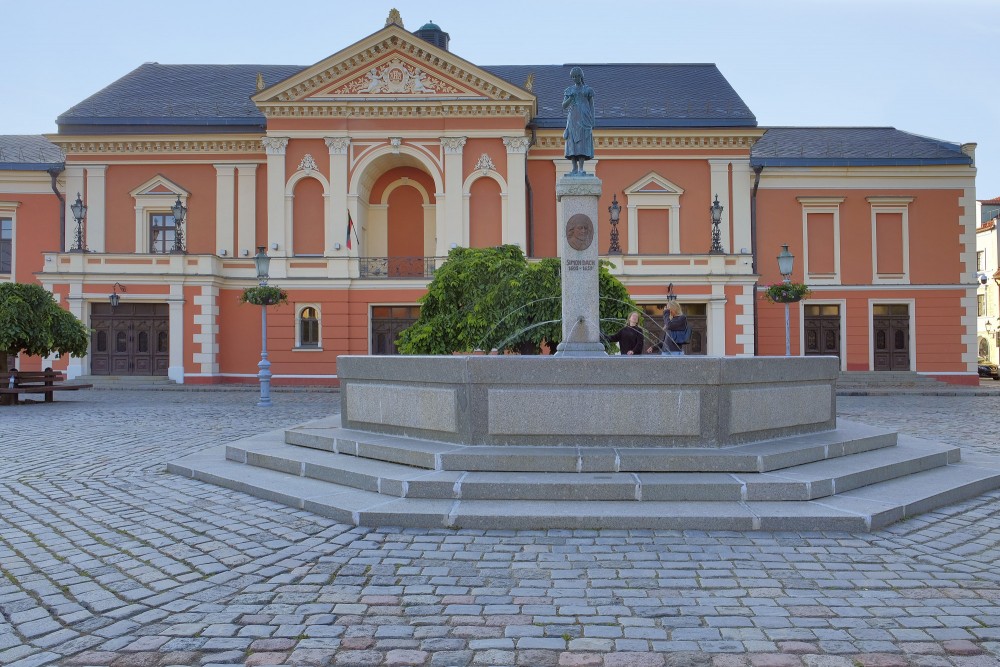
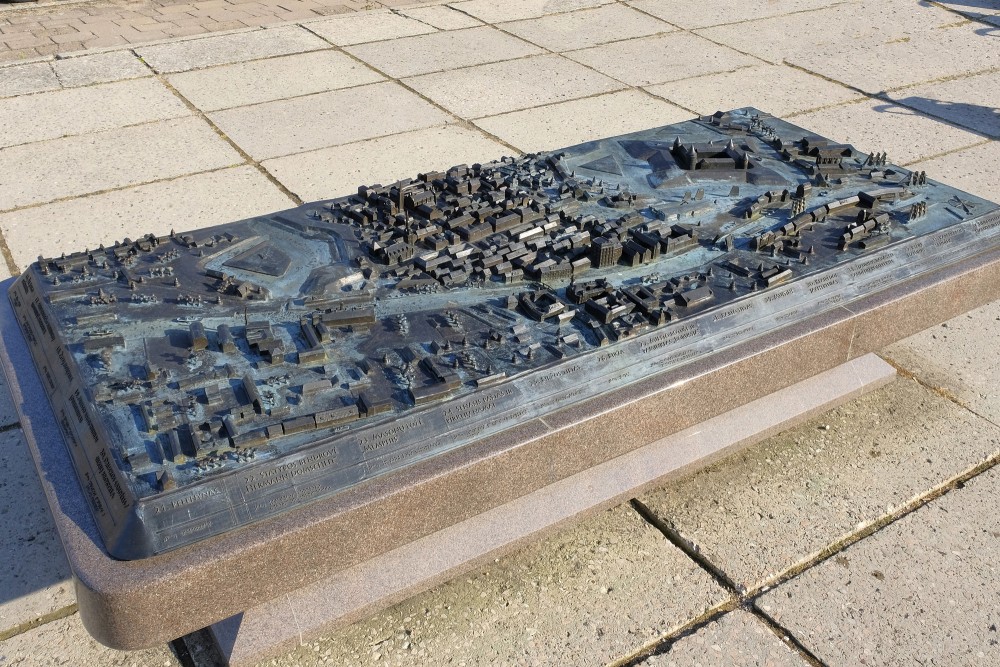
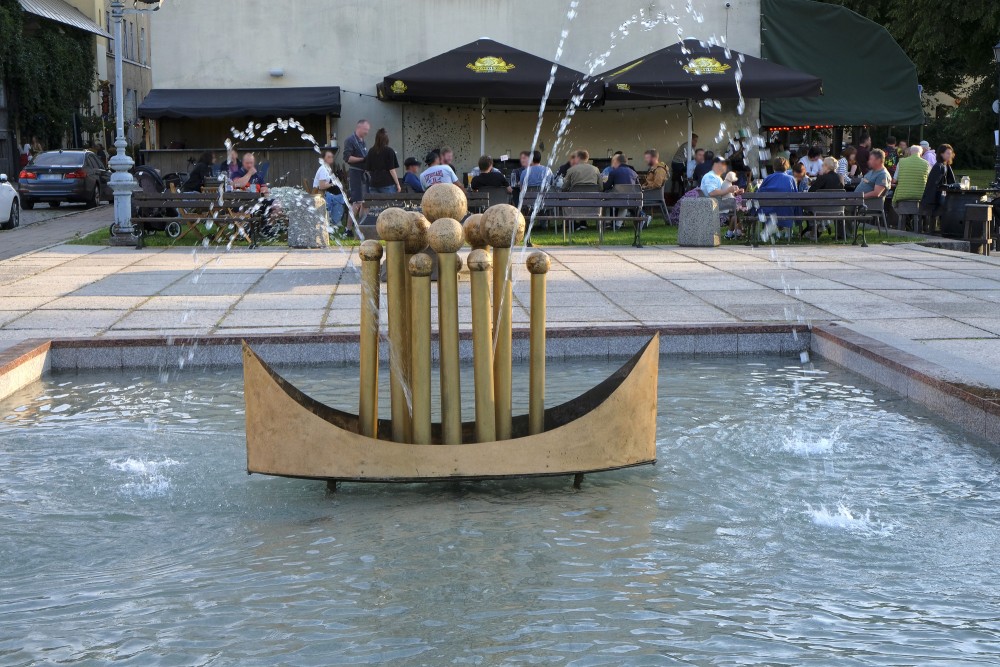
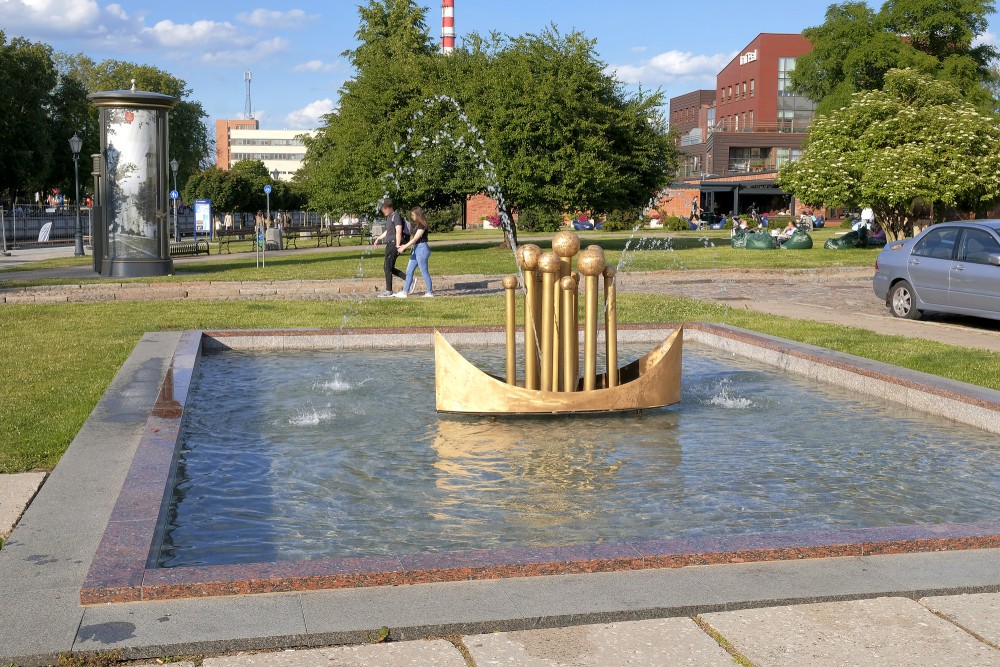
Klaipėda's compact Old Town is known for its half-timbered (fachwerk) German-style houses along narrow cobbled streets. Its heart is Theatre Square, home to the Drama Theatre and the Ännchen von Tharau fountain, dedicated to 17th-century poet Simon Dach. A notable historical fact: it was from this theatre's balcony that Adolf Hitler announced Klaipėda's annexation to Germany in 1939. Nearby stands the restored Friedrich Passage, lined with cafés and boutiques, as well as the remains of Klaipėda Castle — a Teutonic Order fortification that now houses a museum.
Parks, squares and promenades
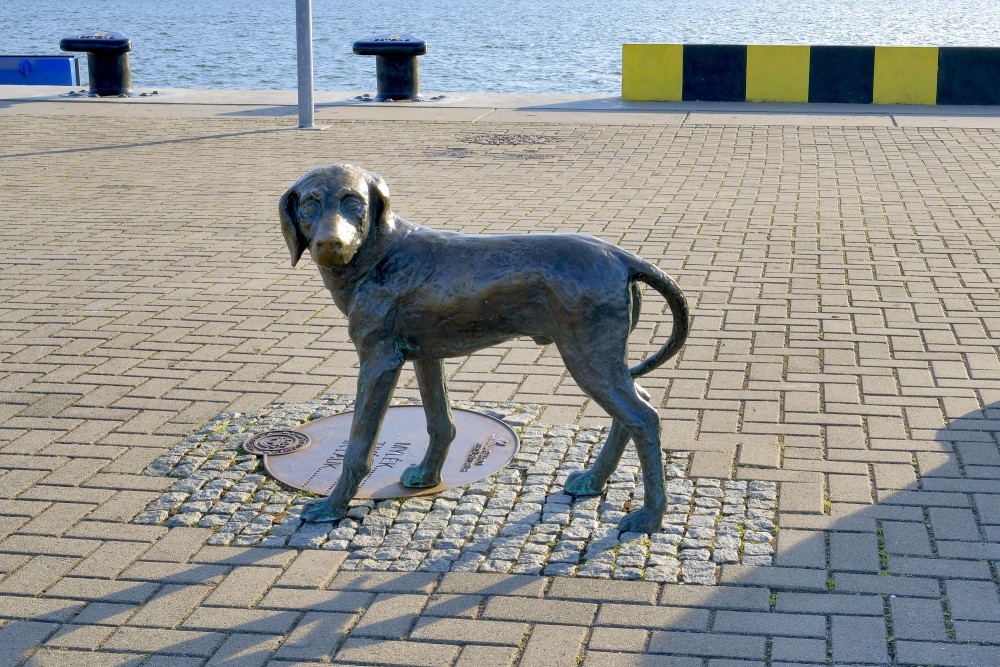
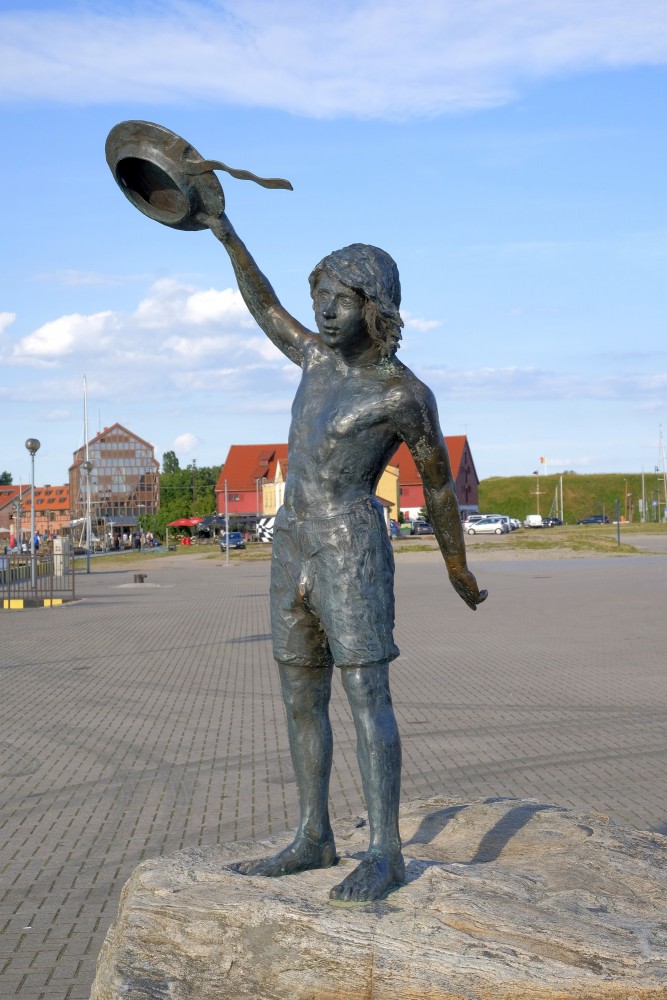
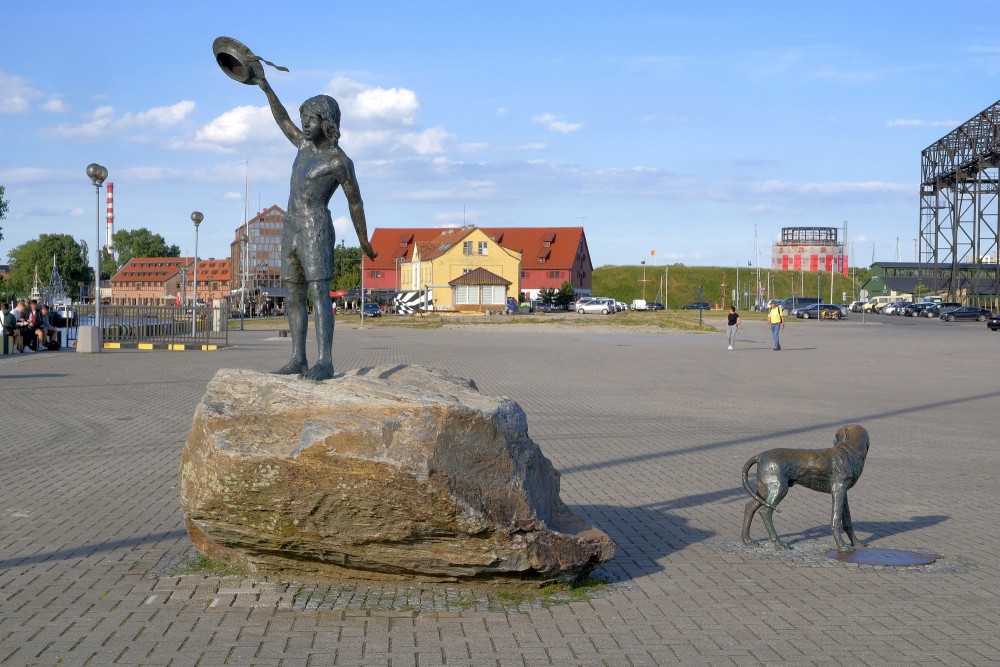
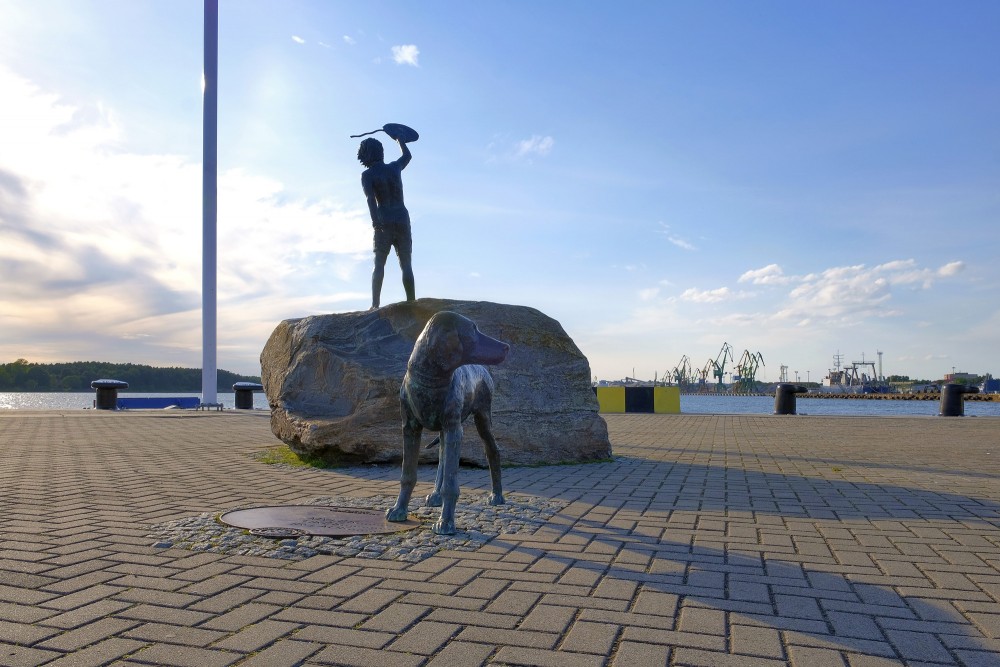
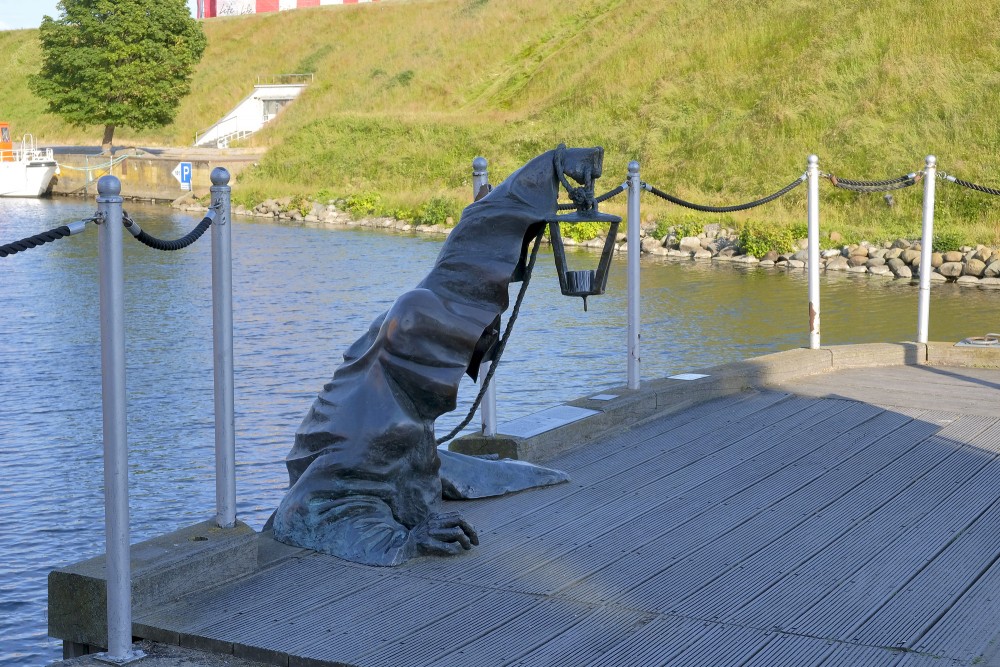
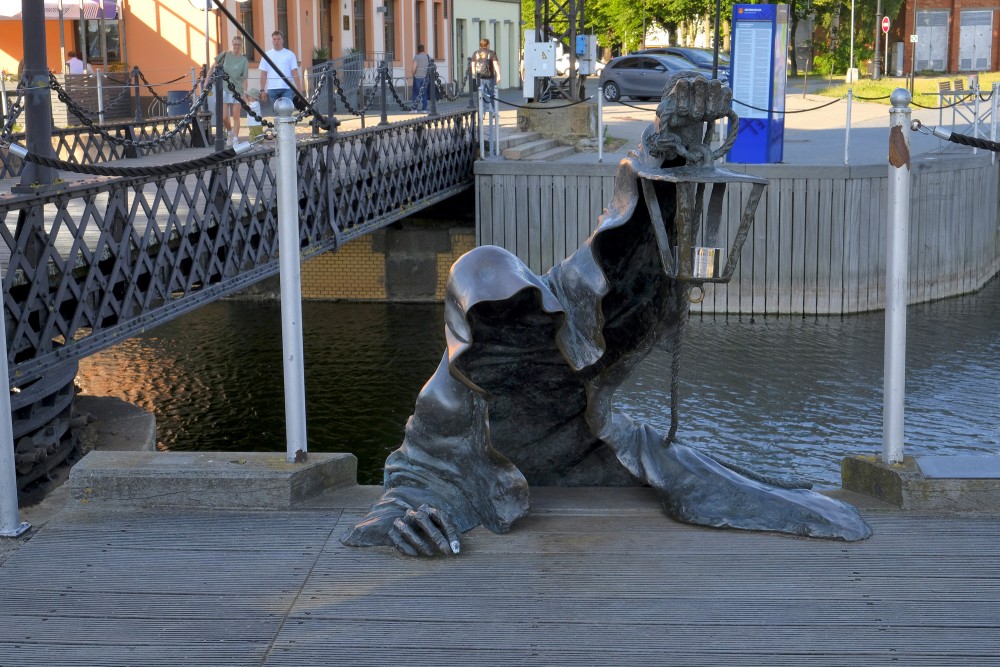
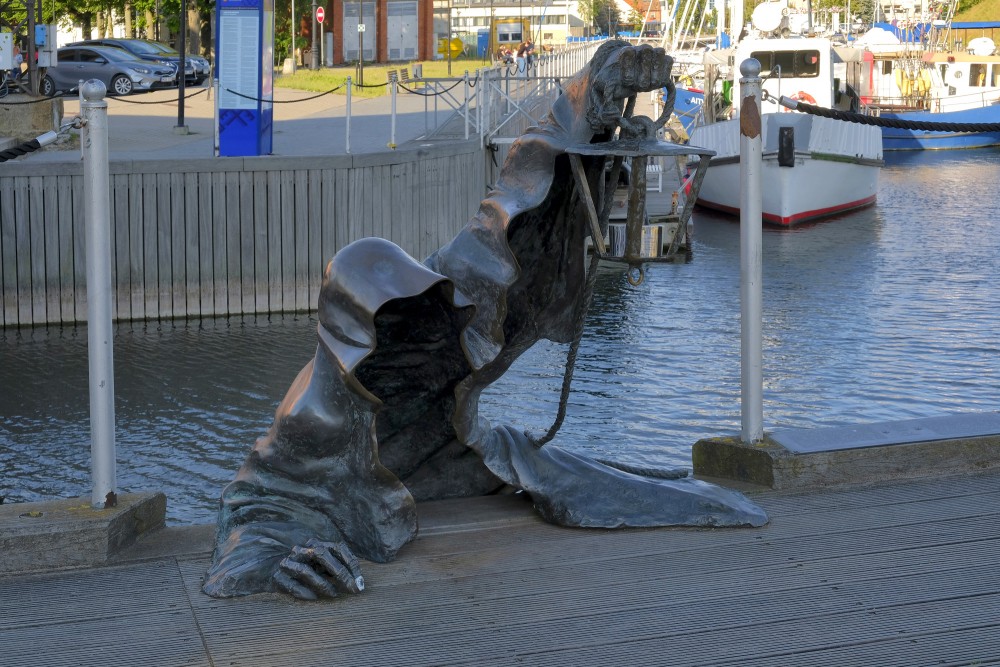
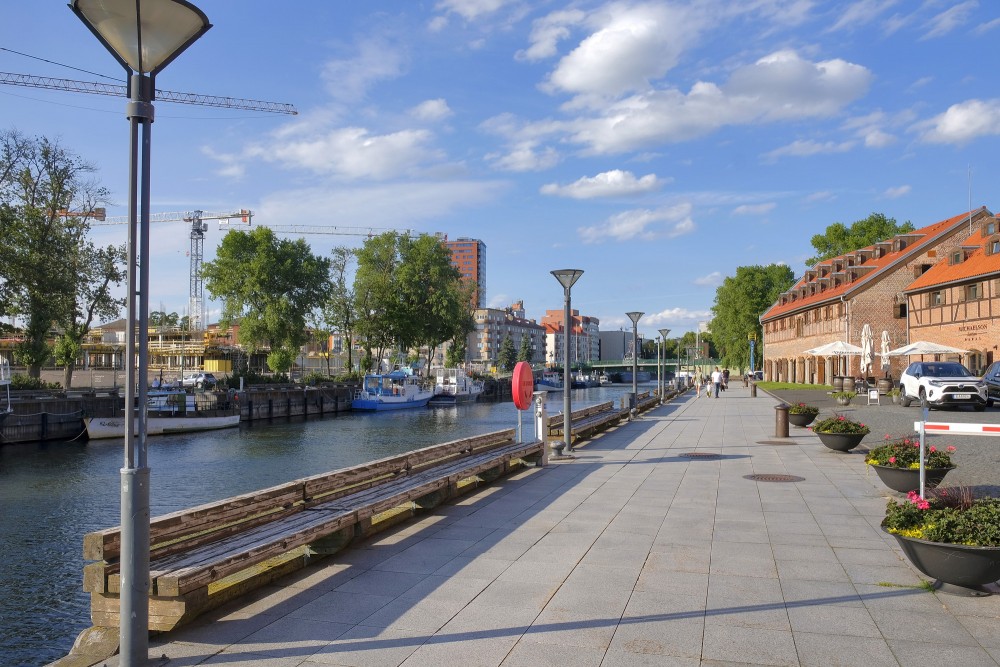
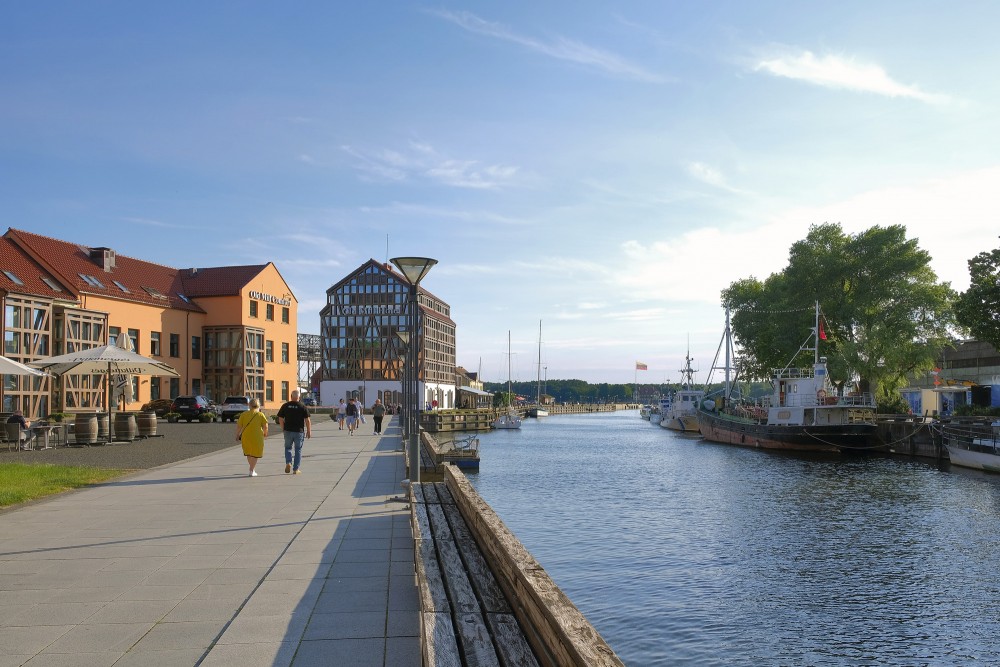
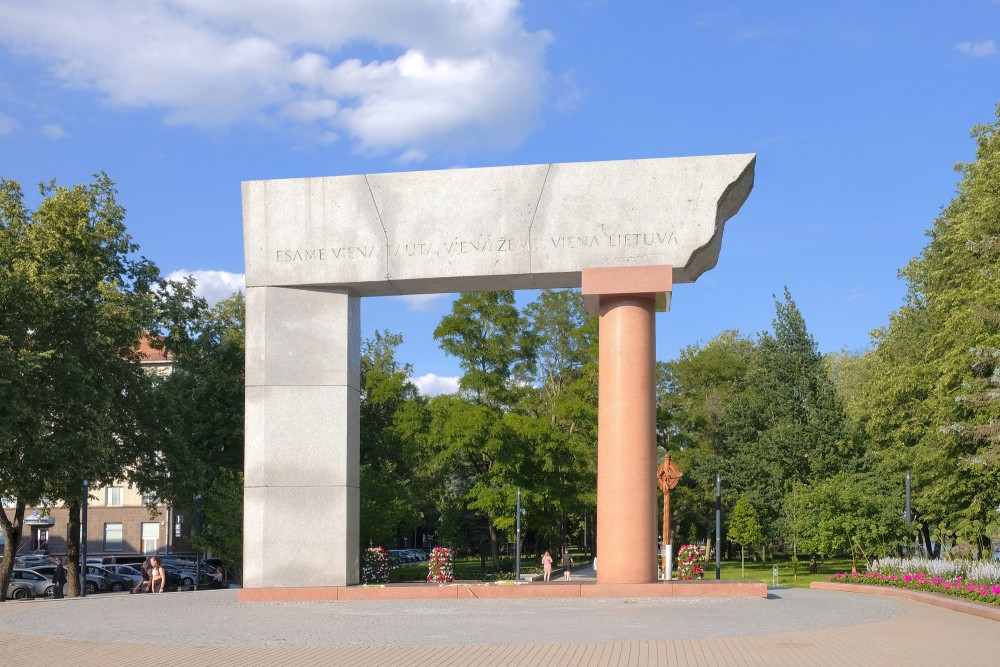
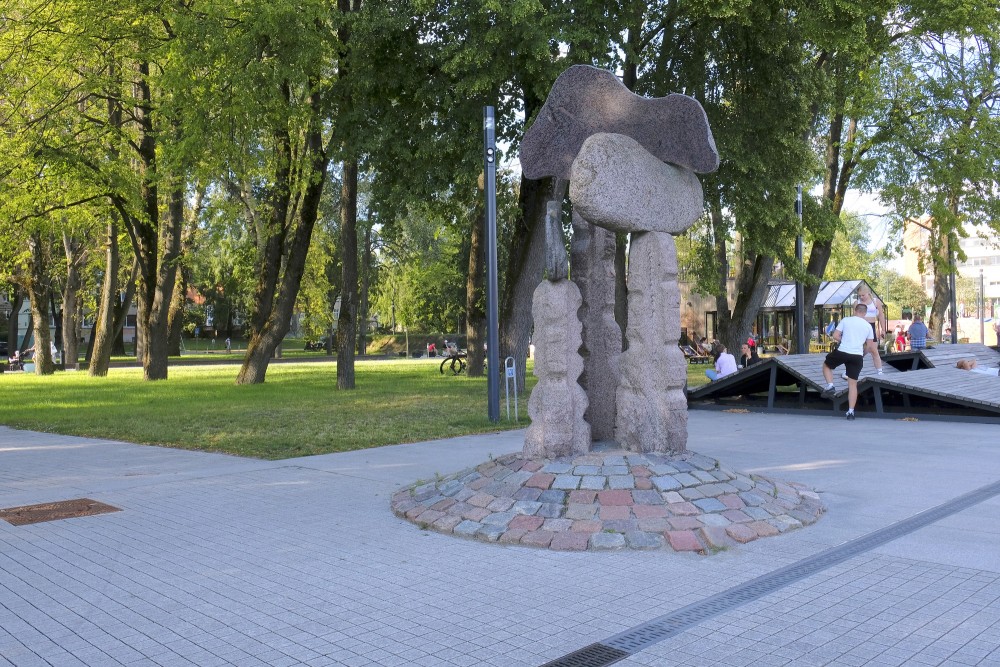
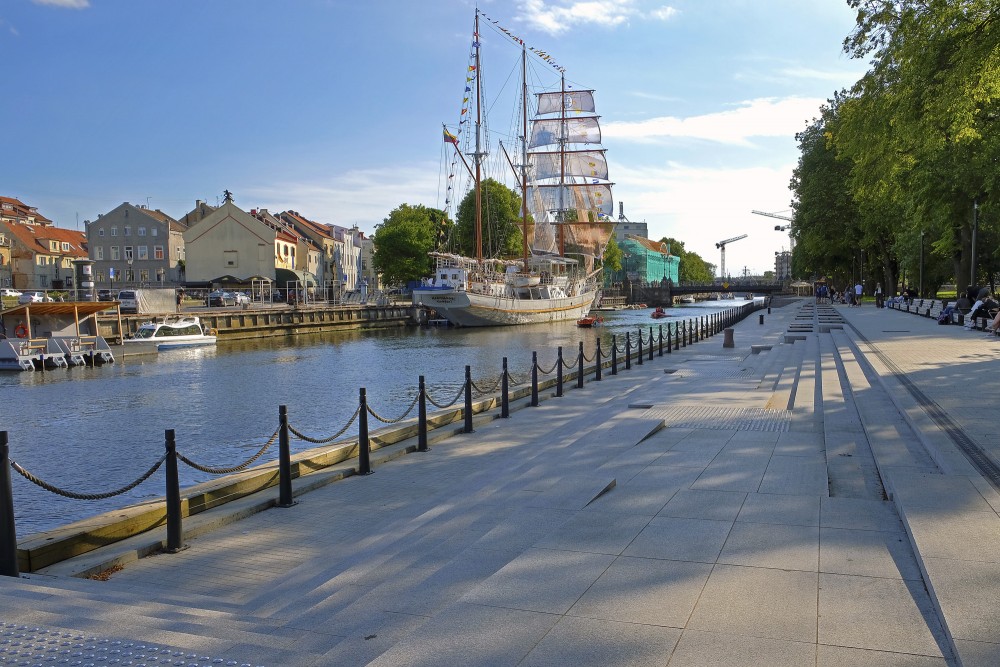
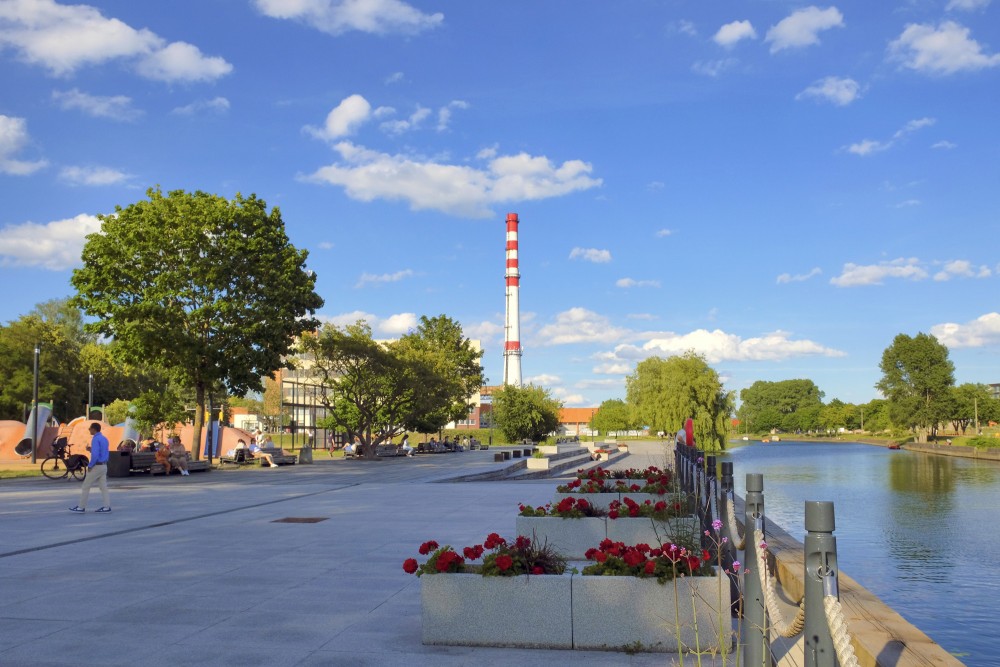
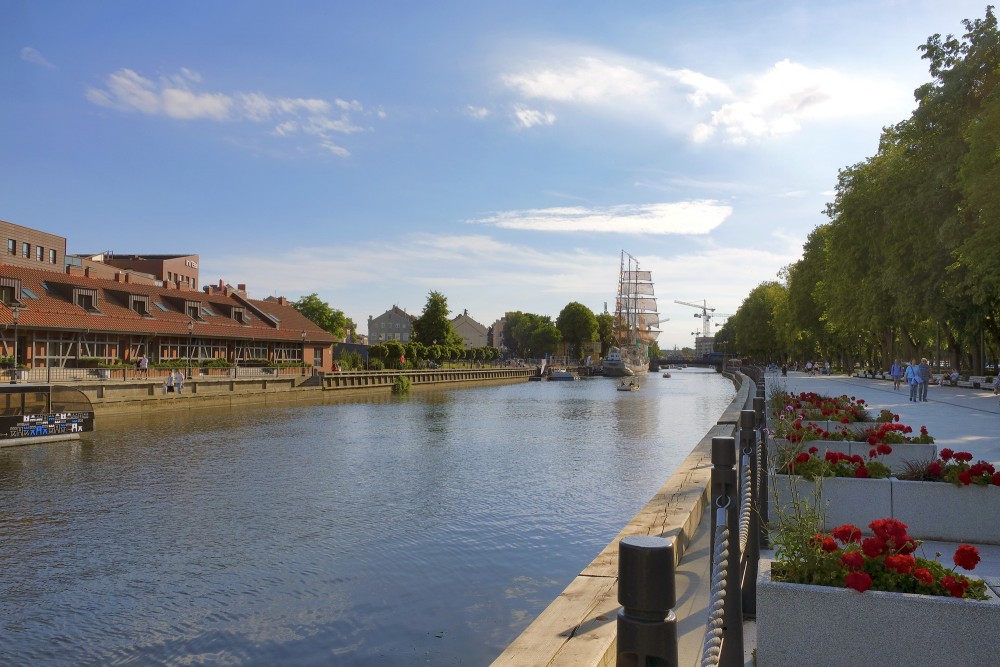
The Klaipėda Sculpture Park, created on the site of a former cemetery, is one of the city's landmarks and displays more than a hundred works by sculptors. Running through the Old Town is the popular "Talking Sculptures" route, featuring several quirky, legend-wrapped statues, including the Golden Mouse, said to grant wishes. Along the banks of the Danė River, a pleasant promenade offers cafés and views of the historic waterfront buildings.
Water features
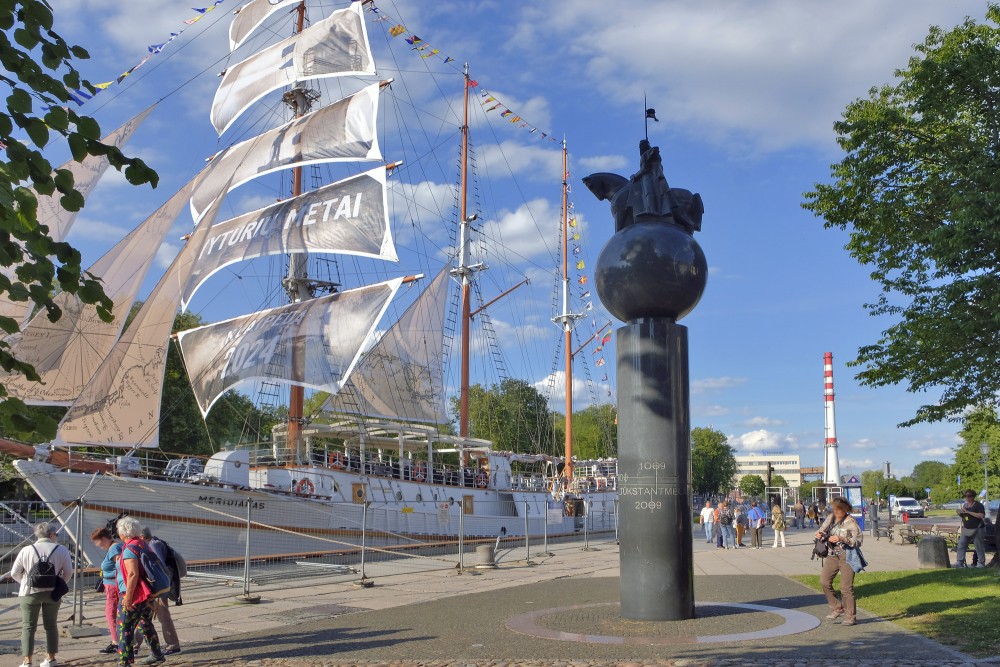
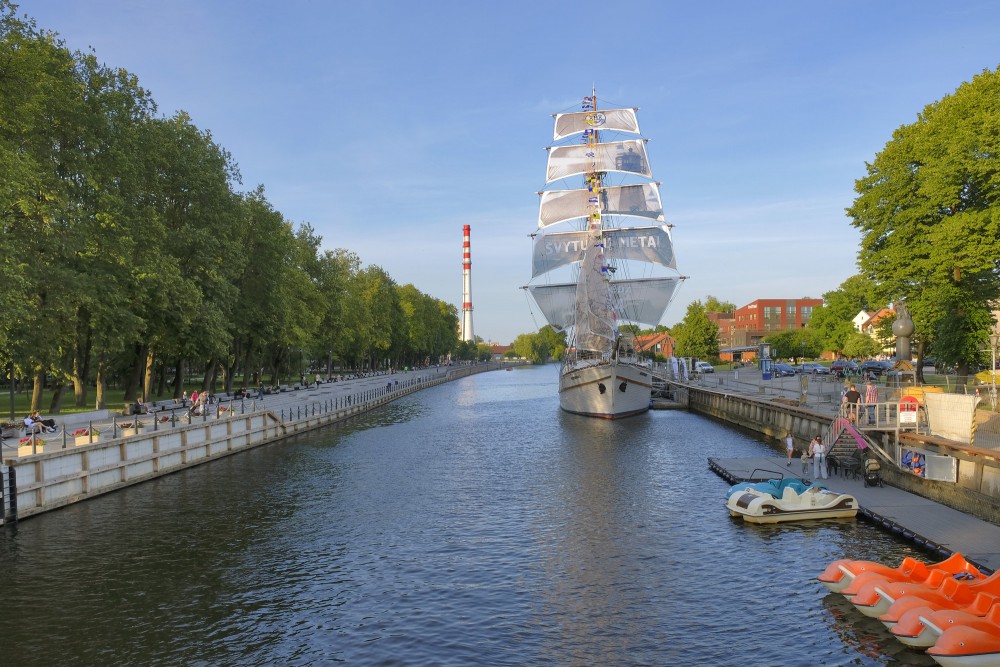
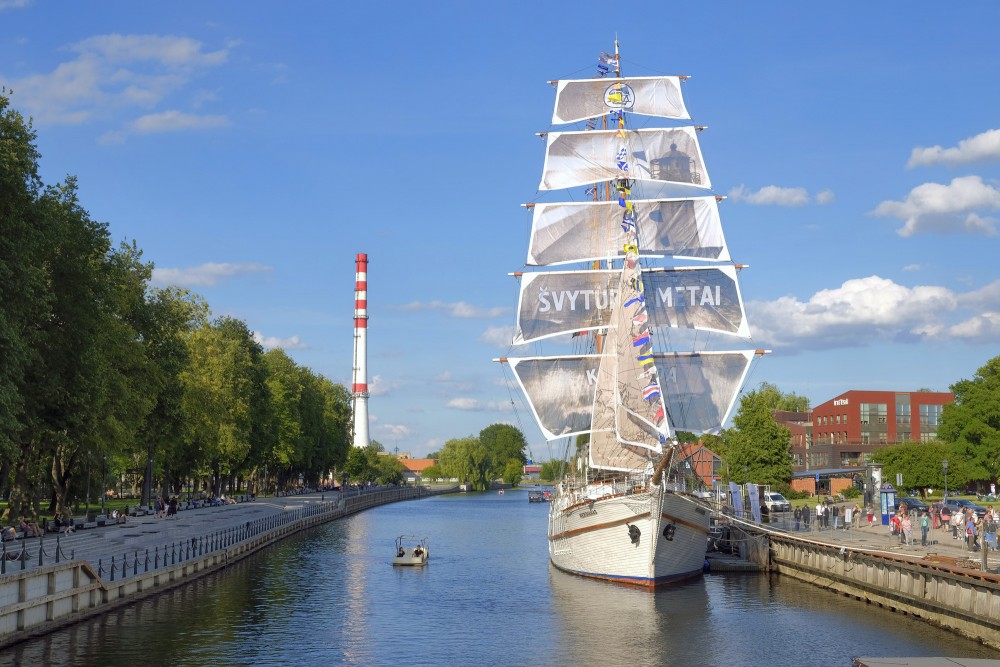
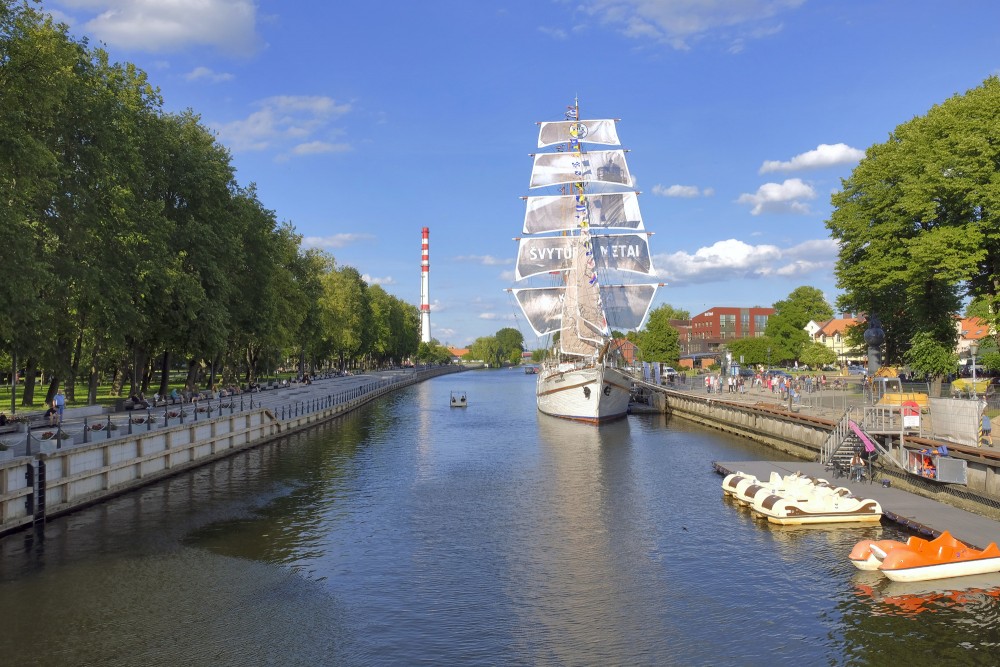
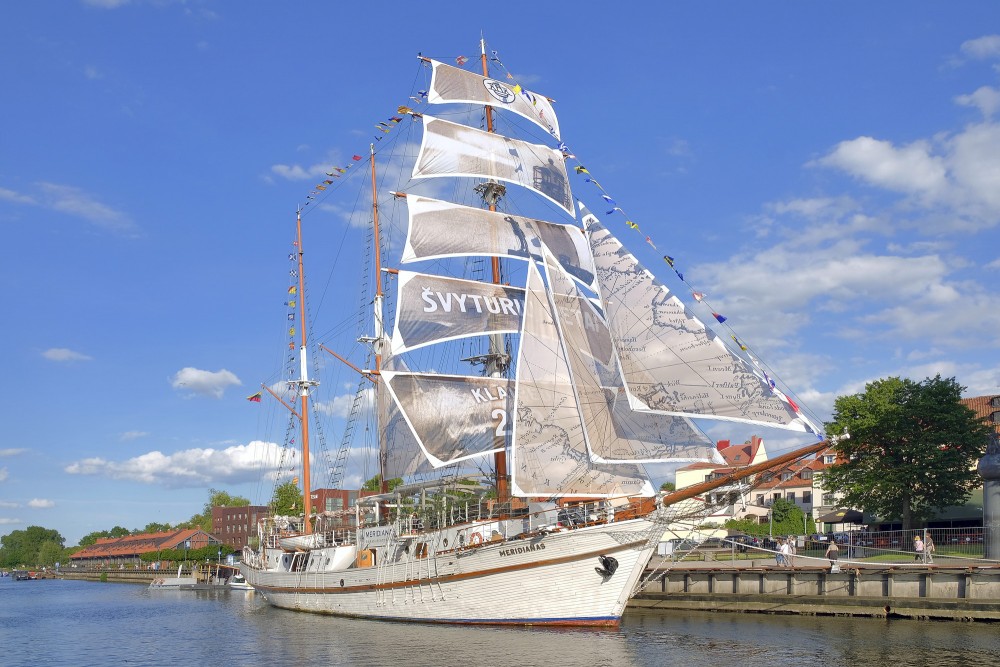
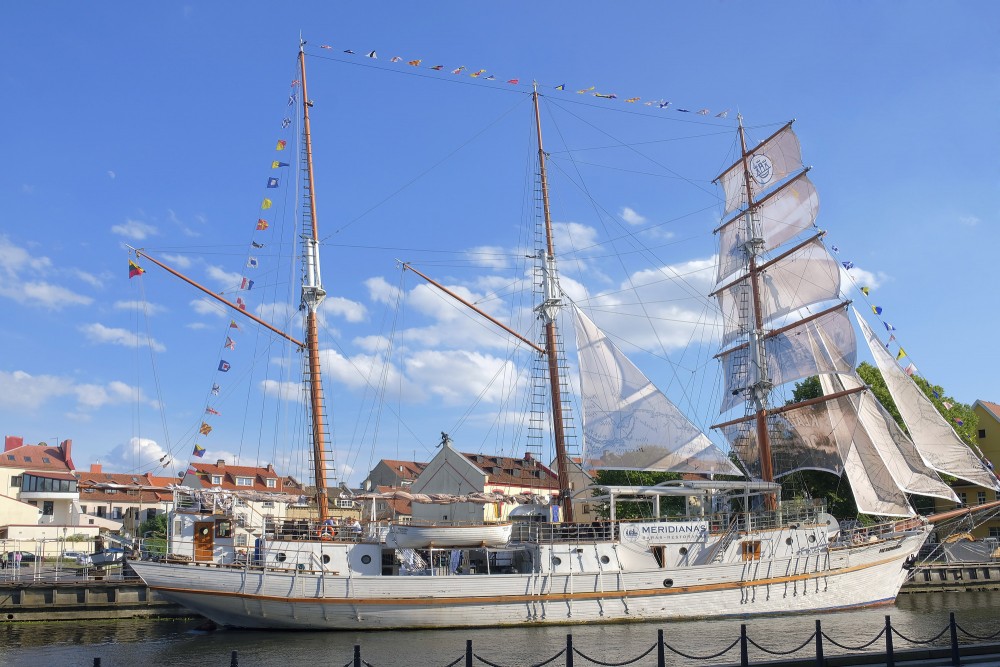
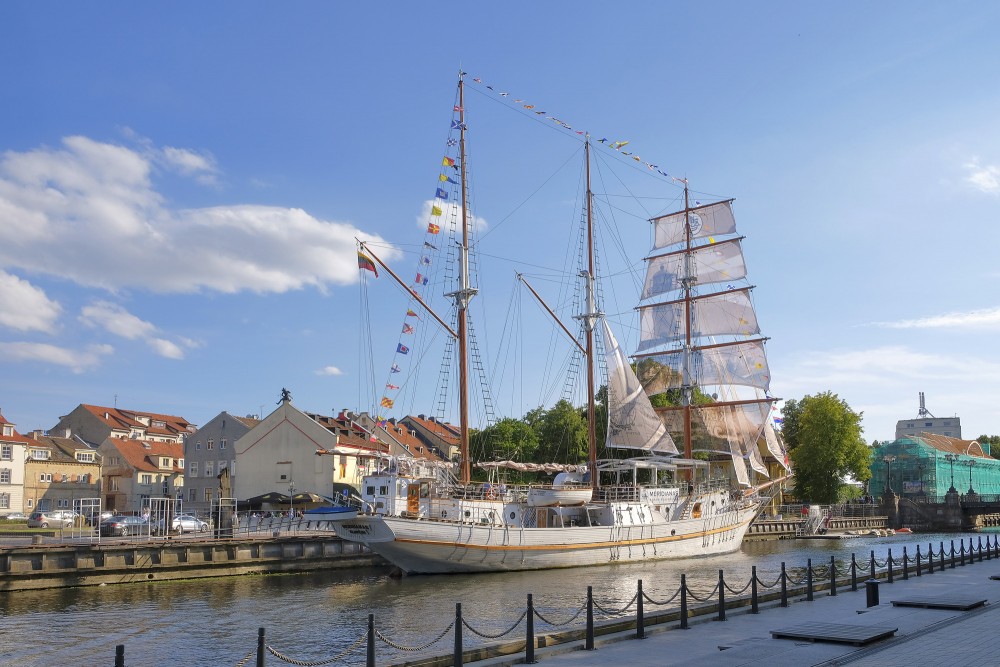
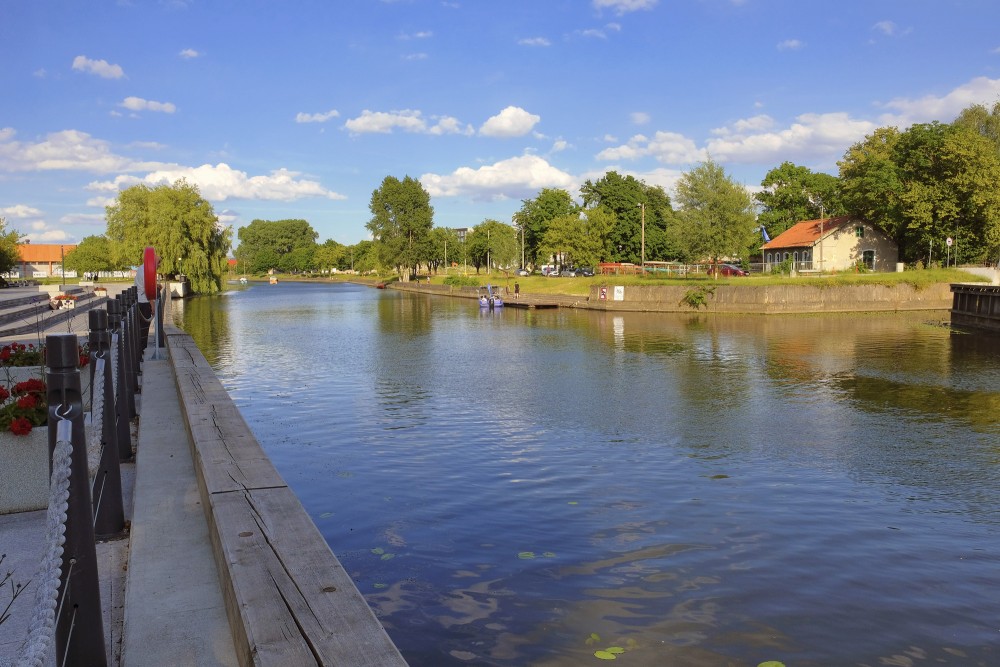
The Danė River flows through the city and the Old Town before emptying into the Curonian Lagoon, a large body of water separated from the Baltic Sea by the narrow Curonian Spit. Moored on the Danė is the legendary sailing ship Meridianas, now a restaurant and one of the city's best-known symbols. Just outside the centre, along the Baltic coastline, lie the beaches of Melnragė and Smiltynė.
Museums
Klaipėda offers a notably varied museum scene: the Castle Museum, on the site of the old fortress, covers medieval history and archaeological finds; the Lithuania Minor History Museum focuses on the region's culture; the Clock Museum and the Blacksmith's Museum showcase craft traditions; and the Lithuanian Sea Museum and Dolphinarium at Smiltynė combine an aquarium with dolphin shows, making it a favourite for families.
Natural sites
Just outside the city lies the Seaside Regional Park, with dunes, cliffs, and good birdwatching opportunities. A short ferry ride connects Klaipėda to the Curonian Spit National Park, a UNESCO World Heritage Site known for its dramatic sand dunes, stretched between the Baltic Sea and the Curonian Lagoon.
Monuments, sculptures and public art
Beyond the Sculpture Park and the Talking Sculptures route, the city features several well-known statues, such as the Ännchen von Tharau figure in Theatre Square — linked to a local story that its turned back reportedly displeased Hitler during his speech there.
Places for children
Families with children will particularly enjoy the Lithuanian Sea Museum's aquarium and the Dolphinarium at Smiltynė, with its dolphin and sea lion shows. A walk through the Sculpture Park and along the Old Town's Talking Sculptures route is also well suited to families.
Interesting facts
- The name "Klaipėda" is believed to date from the 16th century, originally a somewhat mocking nickname for the castle garrison.
- Klaipėda is Lithuania's only seaport, making it central to the country's economy.
- From Klaipėda, a ferry connects easily to the Curonian Spit villages of Smiltynė, Juodkrantė, and Nida.