Liepāja City, Latvia
Liepāja is one of Latvia’s largest cities, located in western Kurzeme between the Baltic Sea and Lake Liepāja. The city is known for its wide sandy beach, historic architecture, musical traditions and distinctive seaside atmosphere. Often called the city of wind, Liepāja has been shaped by its coastal location, maritime history and vibrant cultural life.
Liepāja is an appealing destination for both relaxed walks and active recreation. Visitors can explore the historic city centre, discover museums and concerts, enjoy the beach or learn about the military heritage of Karosta. The city is also an important cultural centre in Latvia and will be the European Capital of Culture in 2027.
History and architecture
Liepāja’s history is closely connected with its port and trade. The settlement between Lake Liepāja and the sea developed into an important port city, gaining economic and urban significance during the 17th and 18th centuries. Later, industrial development, the railway and the establishment of a military port played major roles in the city’s growth.
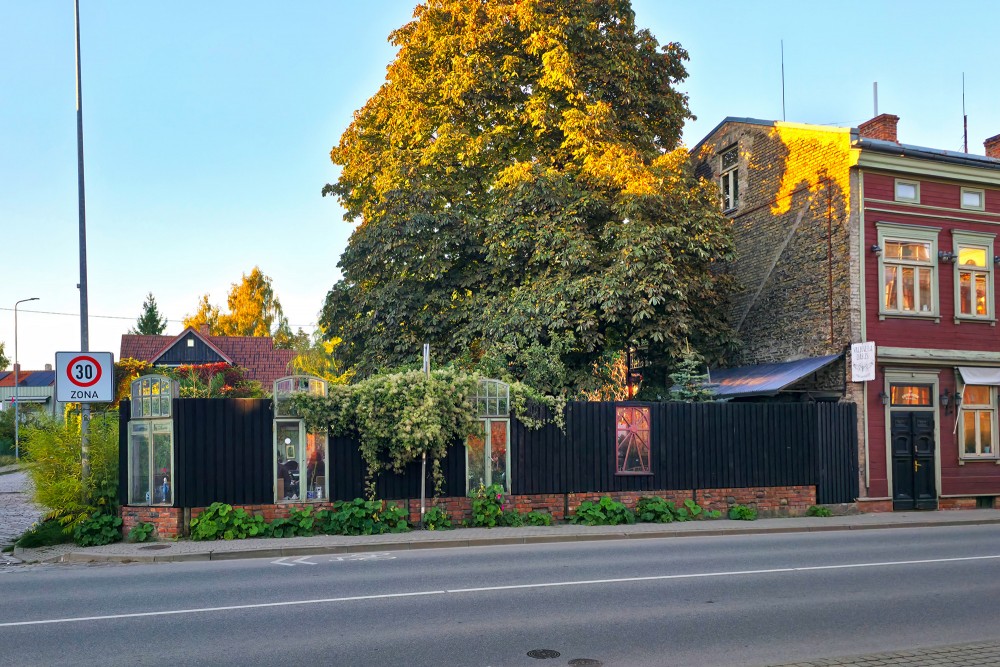
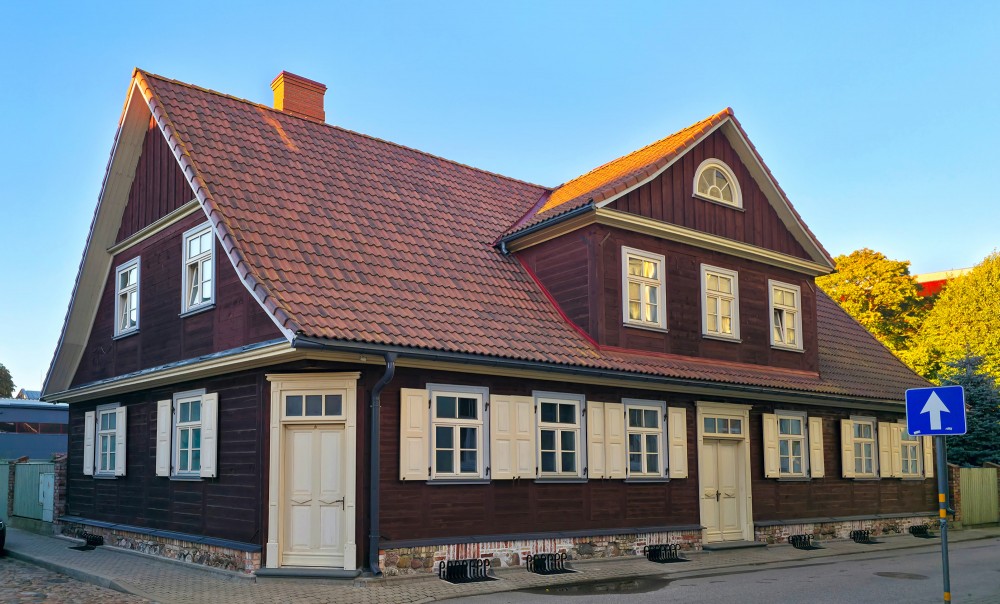
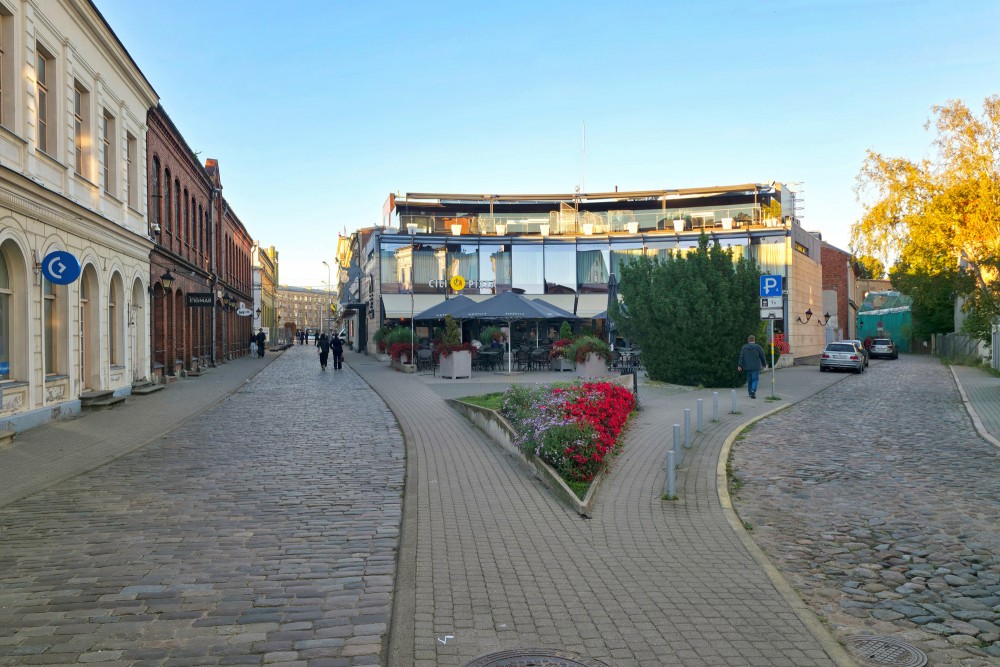
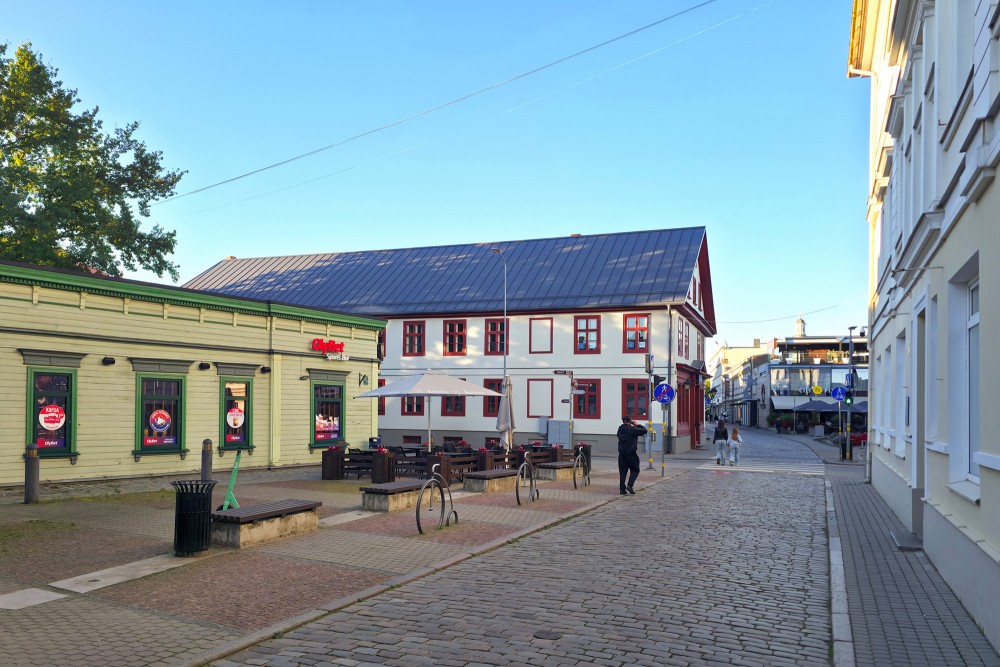
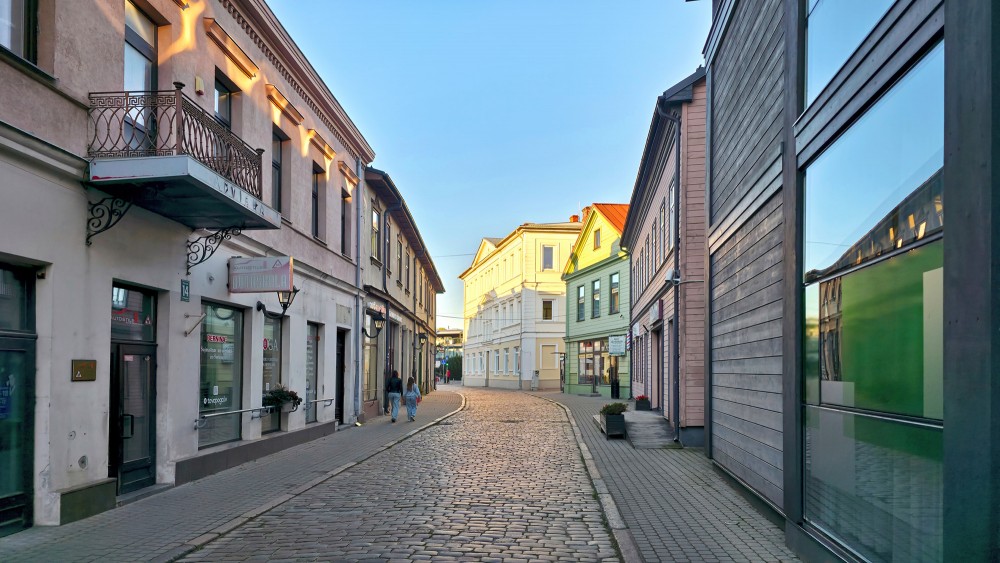
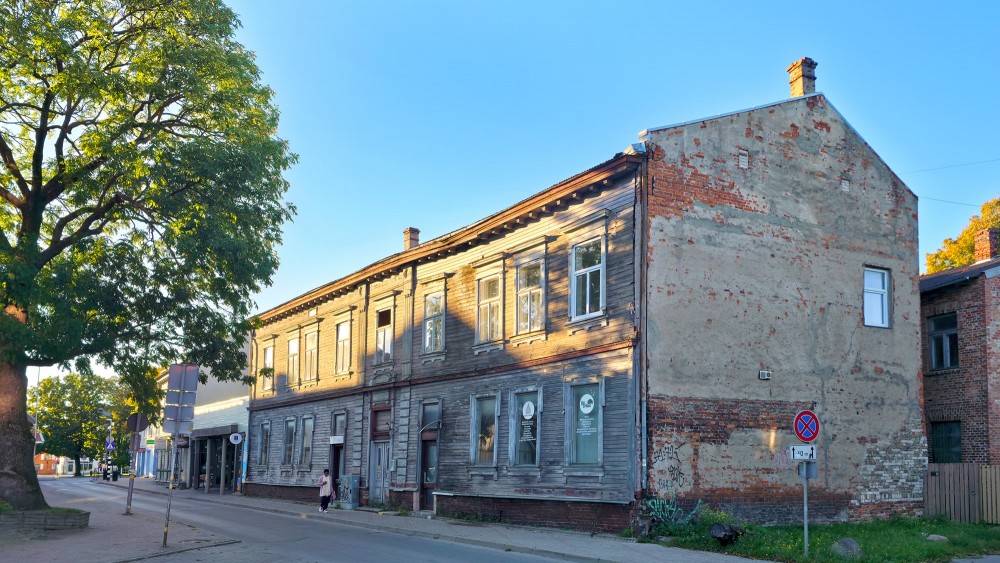
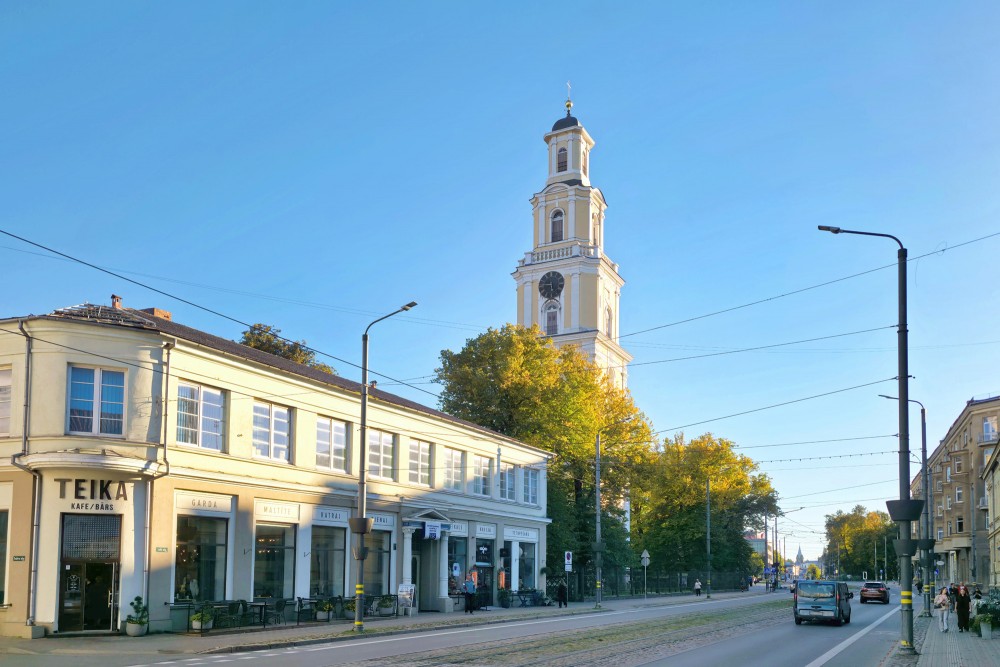
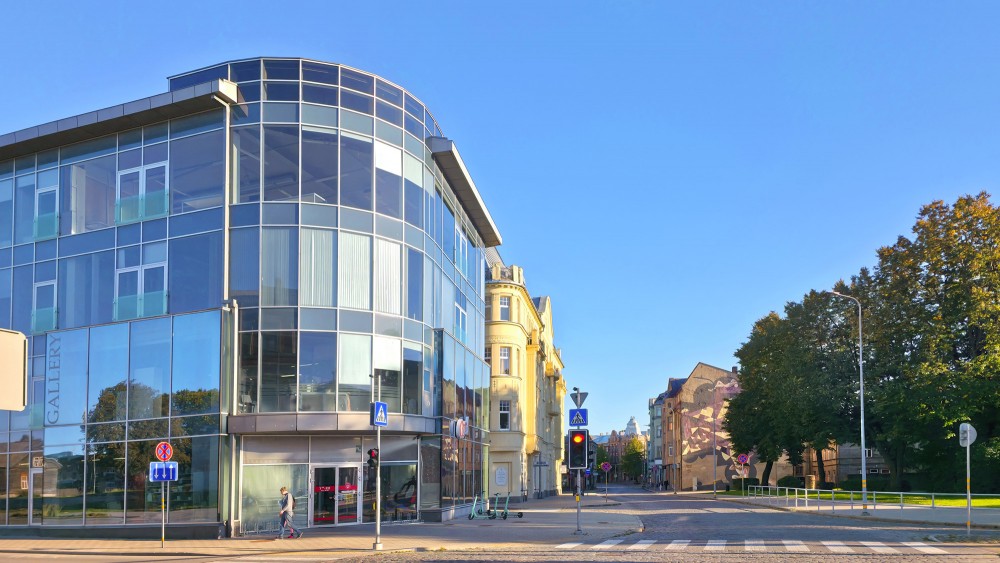
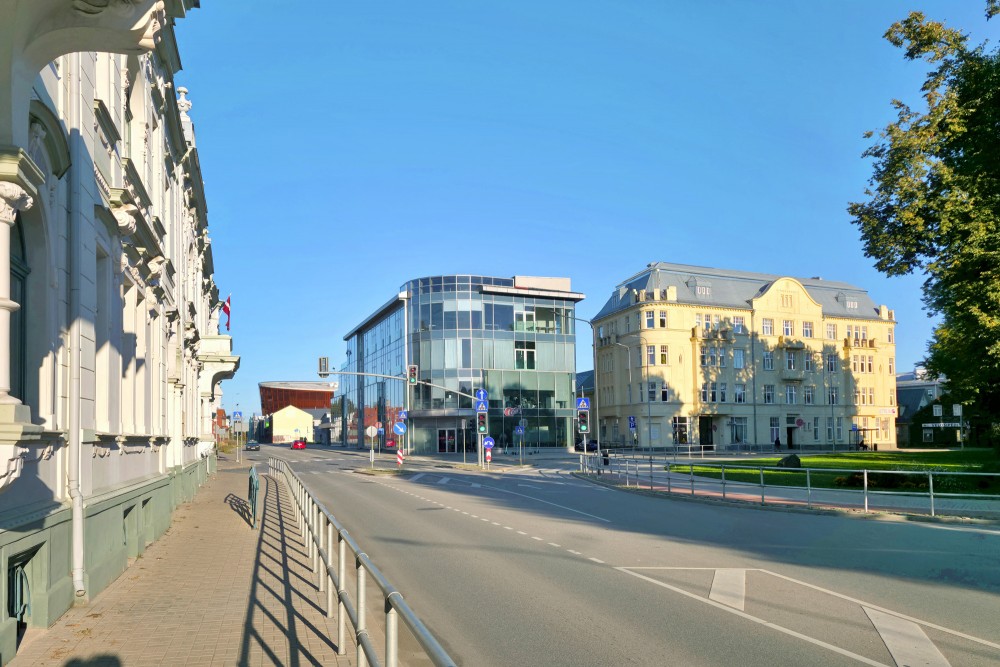
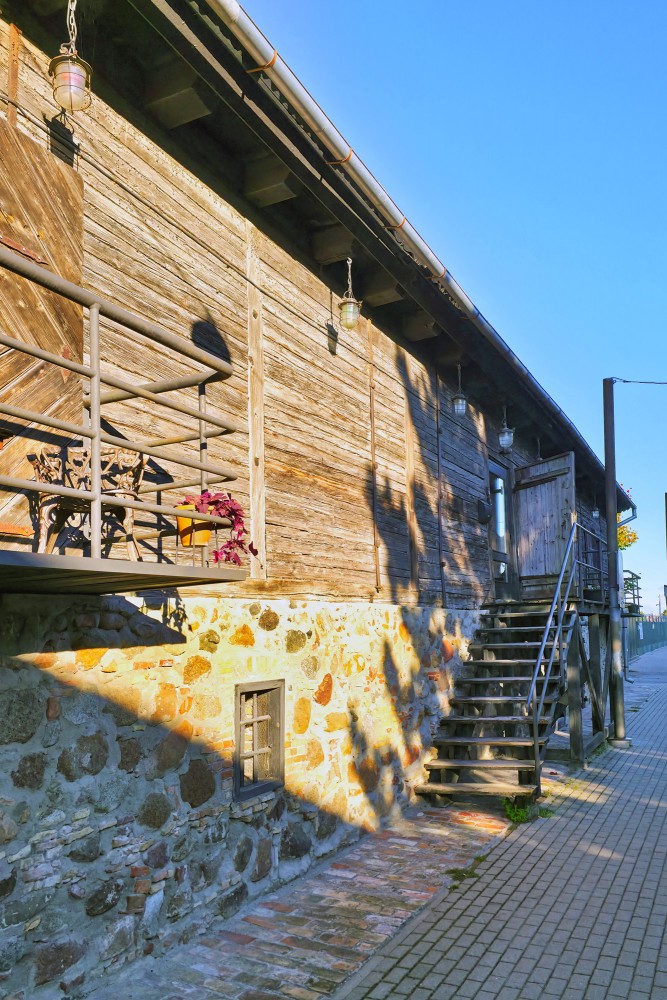
The historic centre features buildings from different periods, ranging from traditional wooden houses to elegant masonry buildings and Art Nouveau architecture. Liepāja has more than 70 Art Nouveau buildings, many of which retain decorative façades, historic staircases and original architectural details. Notable landmarks include the Holy Trinity Cathedral, renowned for its historic organ, St Anne’s Church, with its impressive Baroque wooden altar, and St Joseph’s Cathedral.
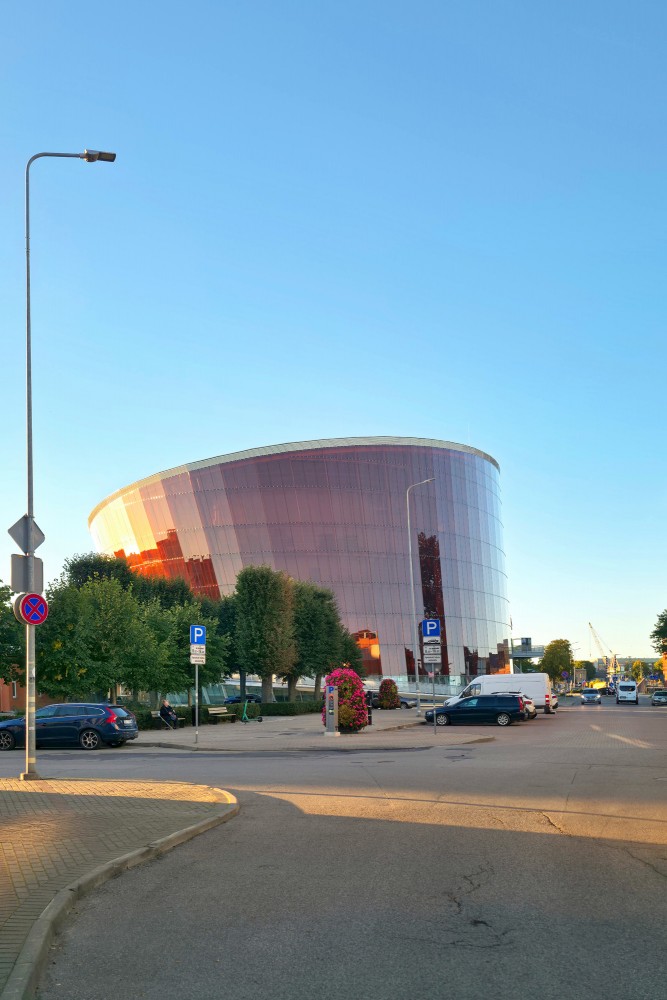
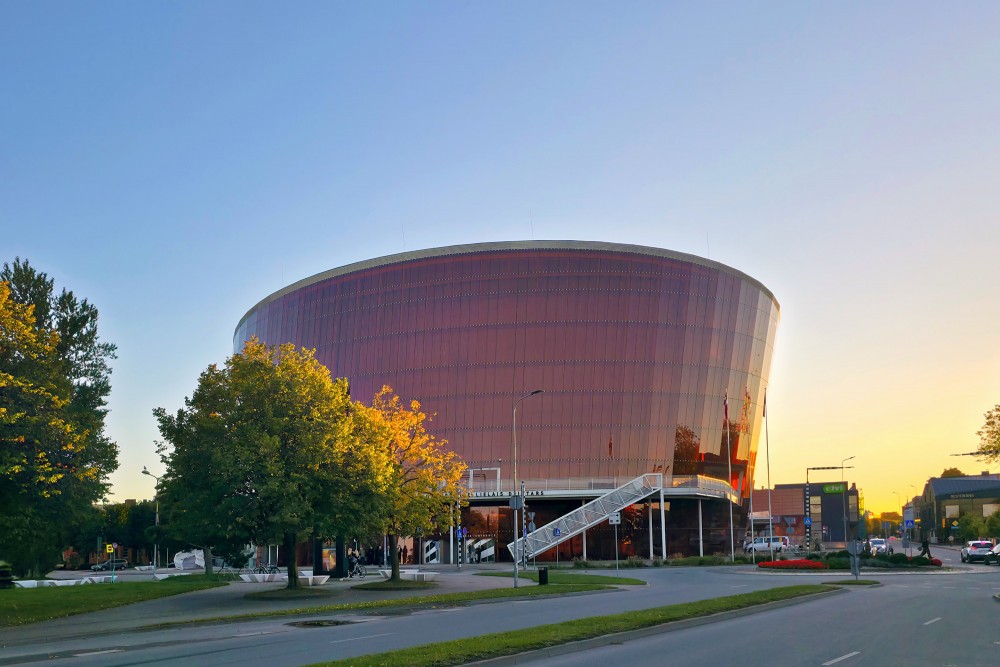
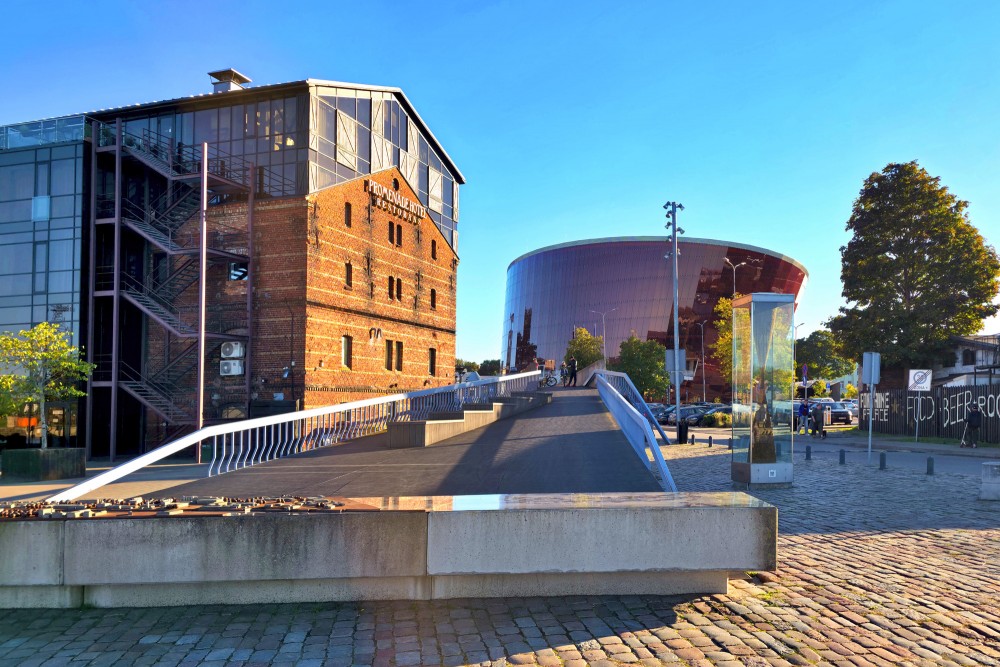
The cityscape also features the Great Amber Concert Hall, a contemporary building with amber-coloured glazing that has become one of Liepāja’s most recognisable landmarks. It hosts concerts and cultural events and is home to the Liepāja Symphony Orchestra.
Parks, squares and promenades
Liepāja Seaside Park
Stretching approximately three kilometres and covering around 50 hectares, Liepāja Seaside Park is one of the city’s largest green spaces. It contains around 140 native and foreign tree species. The park offers walking and cycling paths, sports facilities, a children’s playground, tennis courts, mini-golf and the open-air concert garden “Pūt, vējiņi!”.
Rose Square
Rose Square is located in the city centre and is a popular meeting place. Its central rose garden is surrounded by greenery and symbols representing Liepāja’s sister cities. The square is an ideal starting point for exploring the streets of the historic centre.
Old Harbour Promenade
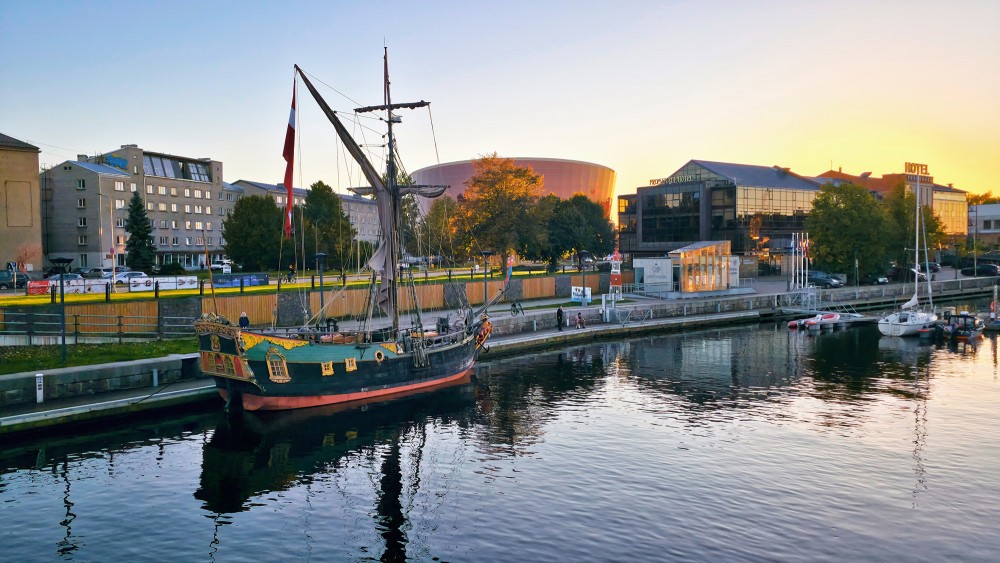
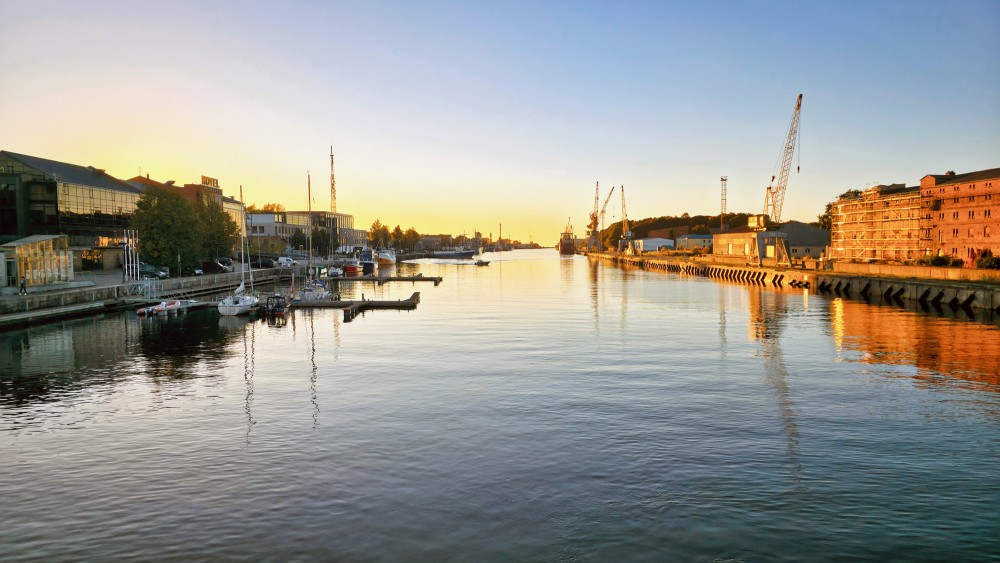
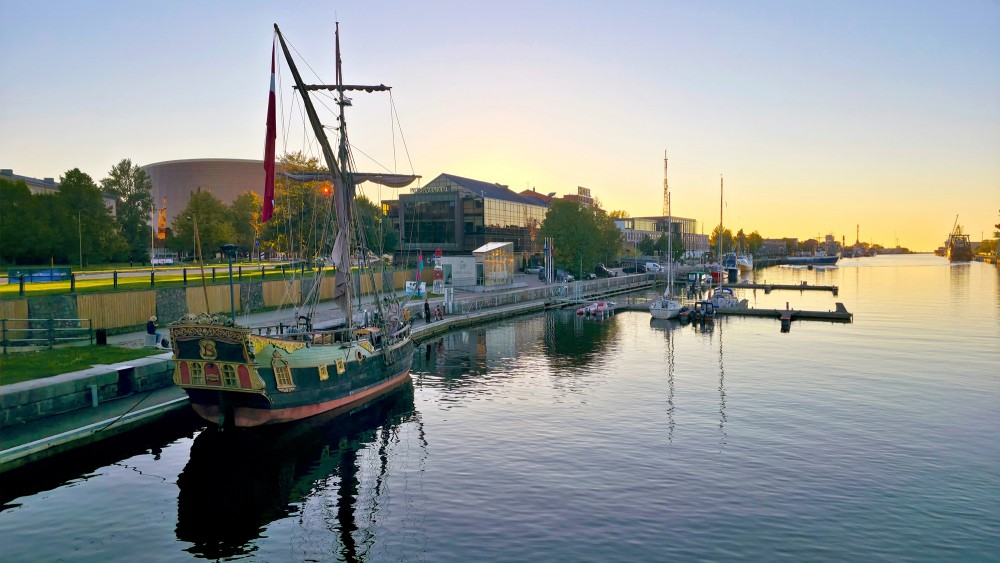
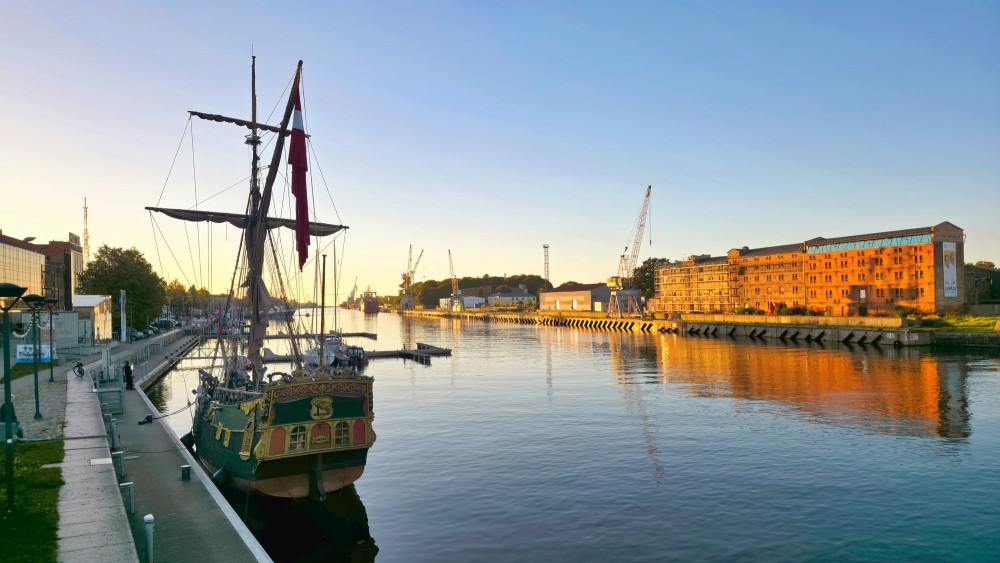
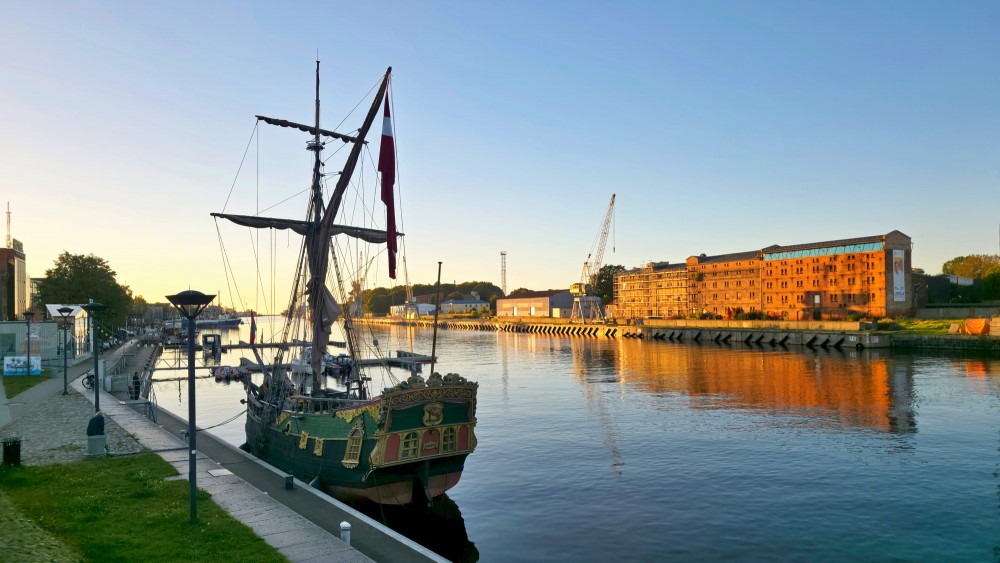
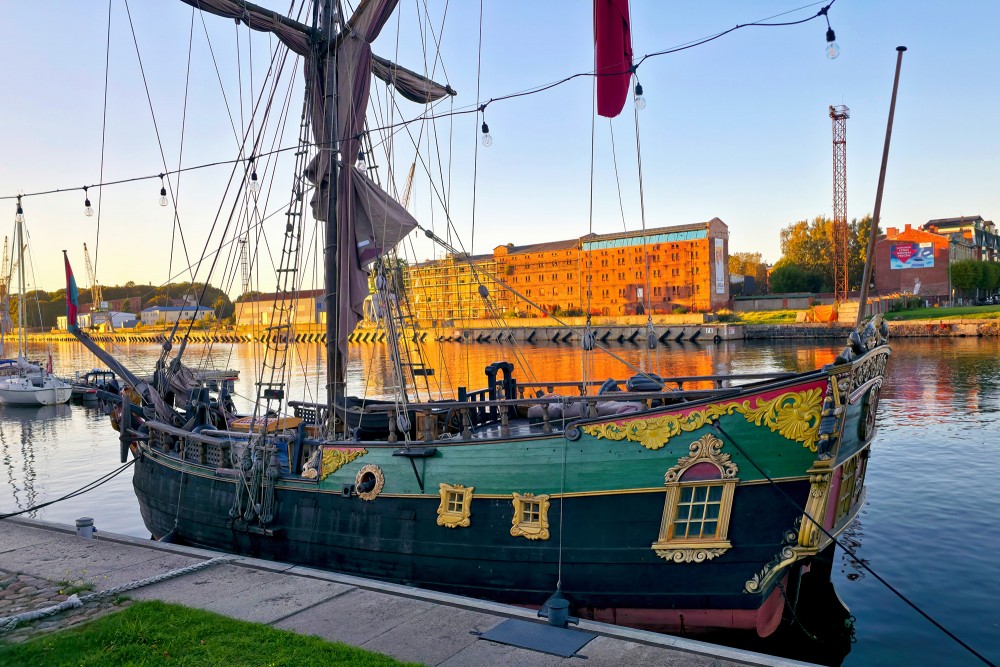
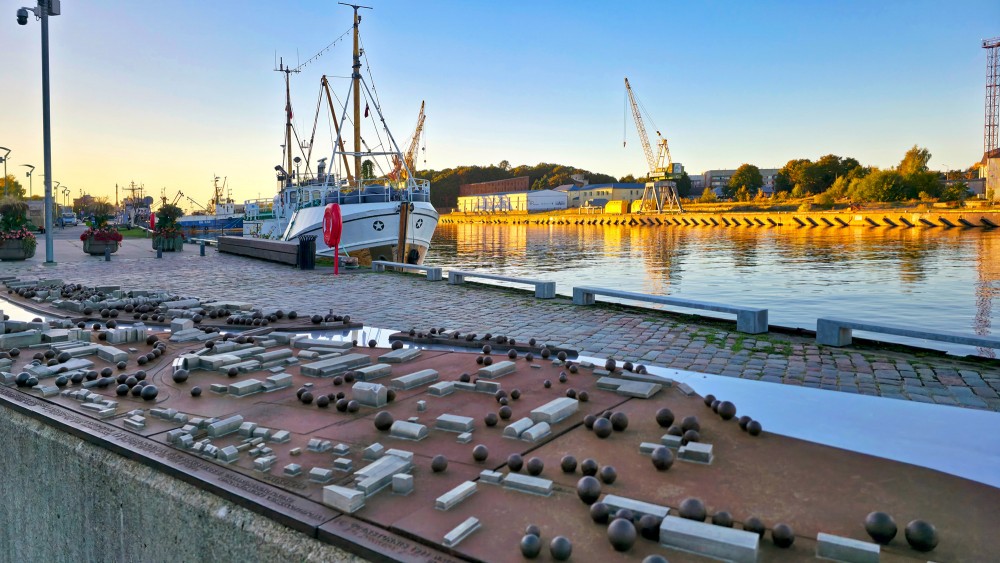
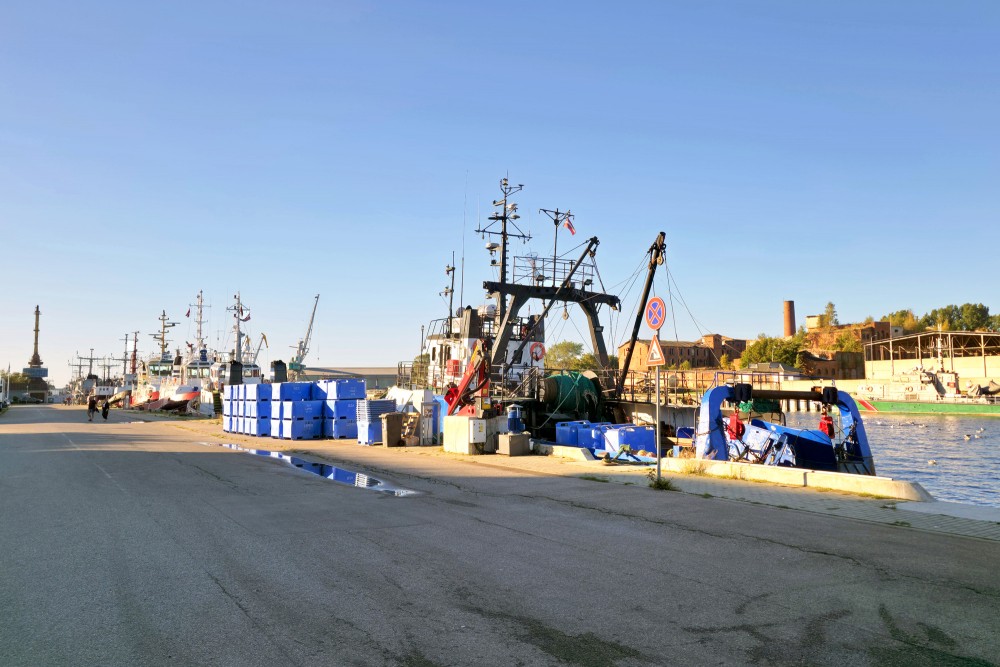
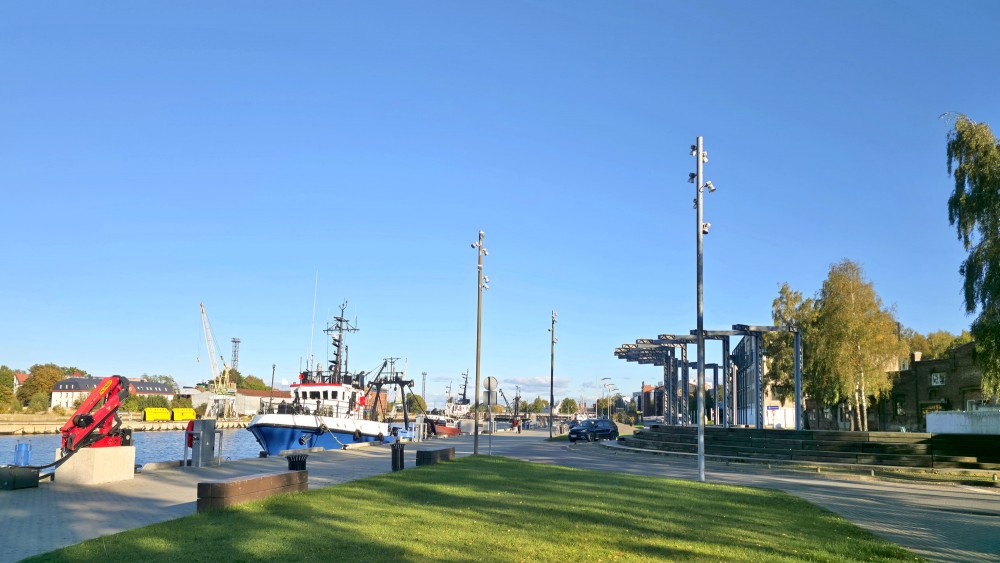
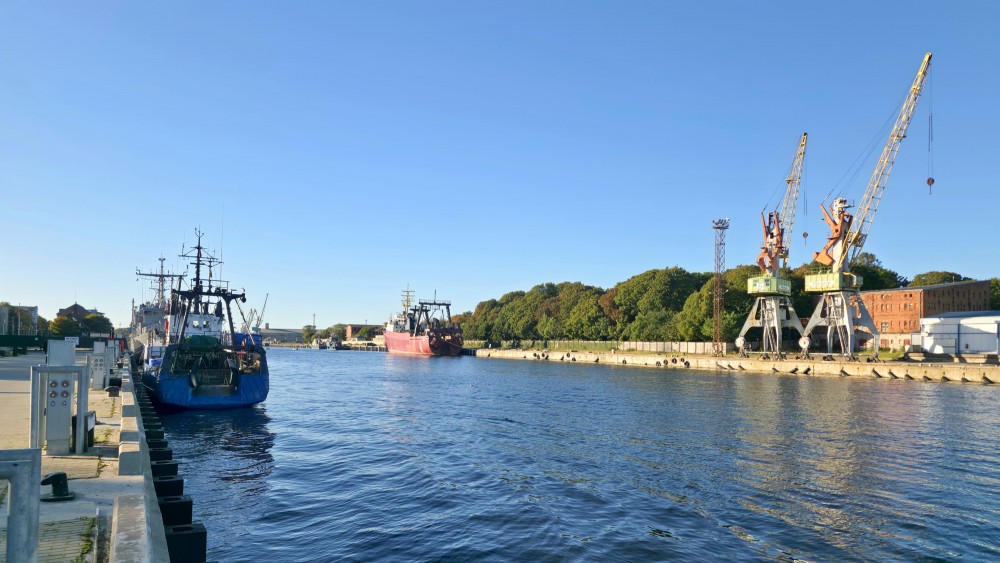
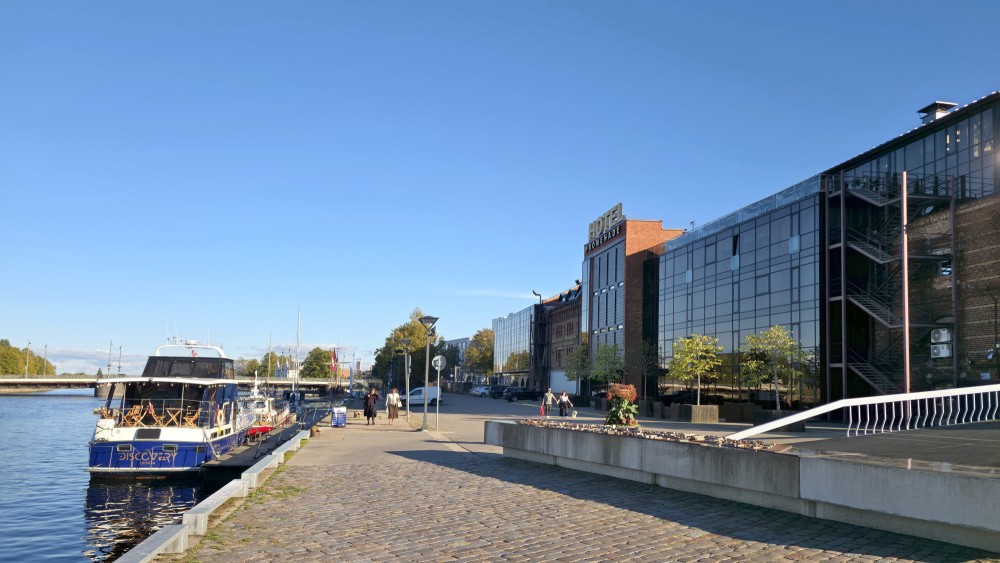
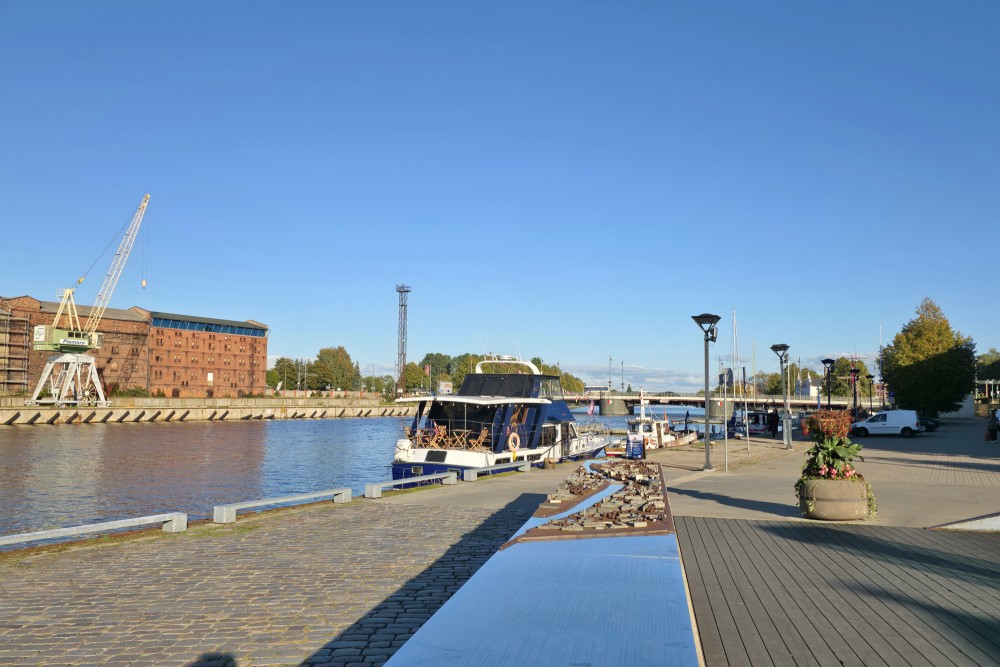
The Old Harbour Promenade runs alongside the harbour waters and offers views of Liepāja’s maritime environment. It is a pleasant place for a walk, watching harbour activity and relaxing by the water.
Jānis Čakste Square is another landscaped public space in the city centre, featuring greenery, walking paths, a fountain and the Latvian flag. Rainis Park and other urban parks offer quieter places to walk away from the busier central streets.
Water and coastal nature
Liepāja Beach
The wide sandy beach is one of the city’s greatest attractions. It is ideal for walking, swimming in summer and watching sunsets. The coastal scenery changes with the seasons and weather, while the sea breeze remains an essential part of Liepāja’s character.
Lake Liepāja and Zirgu Island
Lake Liepāja is an important natural area characterised by extensive reed beds, coastal meadows and diverse birdlife. It forms part of the European Union’s Natura 2000 protected areas network. Zirgu Island has walking trails and birdwatching opportunities, allowing visitors to explore the lake’s natural environment.
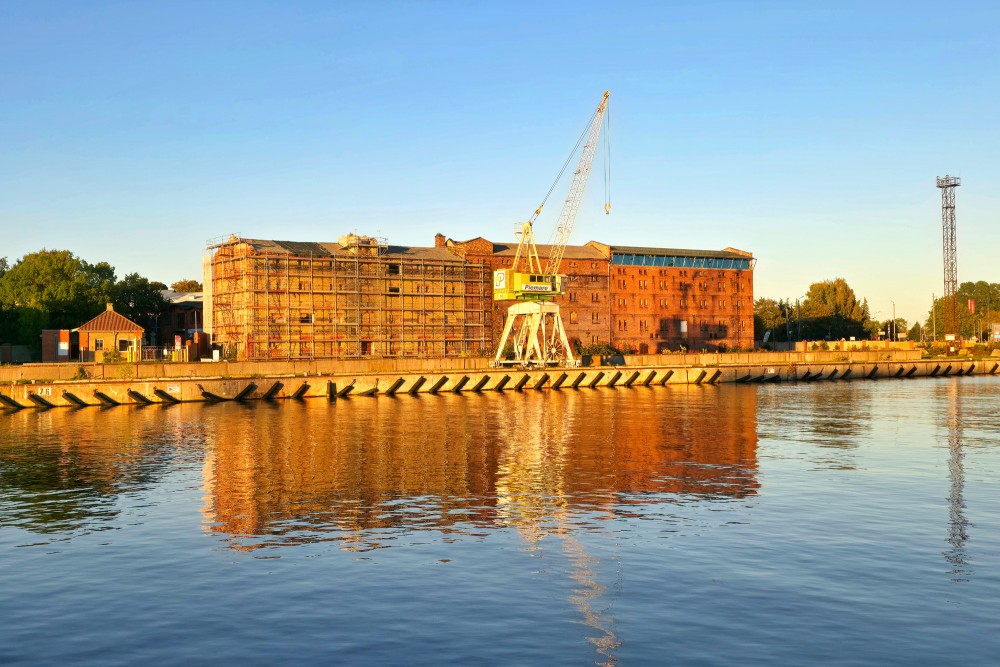
The city’s waterscape also includes the Trade Canal, which connects Lake Liepāja with the Baltic Sea and runs through the city. The surrounding area features harbour facilities, a promenade and the historic Oskars Kalpaks drawbridge, an important example of engineering heritage.
Visitors interested in coastal scenery can also explore the Northern Pier in Karosta. Extending into the Baltic Sea, it is a popular place to watch the waves. Extra caution is necessary in windy weather, when waves and slippery surfaces can make walking on the pier dangerous.
Museums and cultural attractions
Liepāja Museum
Located in an elegant historic building at 16/18 Kūrmājas Prospekts, Liepāja Museum explores the history of Liepāja and South Kurzeme. Its collections cover the region’s history from the Stone Age onwards, as well as its cultural heritage and art. The museum was founded in 1924.
Madame Hoyer’s Guest House
This historic building on Kungu Street houses a museum dedicated to 17th–19th-century interiors. Its restored rooms offer insight into historical domestic life, interior design and traditions of hospitality.
Karosta Prison
Karosta Prison is one of Liepāja’s most unusual historical attractions. Associated with the city’s military heritage and the Soviet period, it allows visitors to explore the prison building and learn about its history.
Liepāja’s cultural life also centres on Liepāja Theatre, one of Latvia’s oldest professional theatres, and the Great Amber Concert Hall. Other museums and exhibitions include displays about the occupation of Latvia and an exhibition of the Latvian War Museum in Karosta.
Monuments, sculptures and public art
“Ghost Tree”
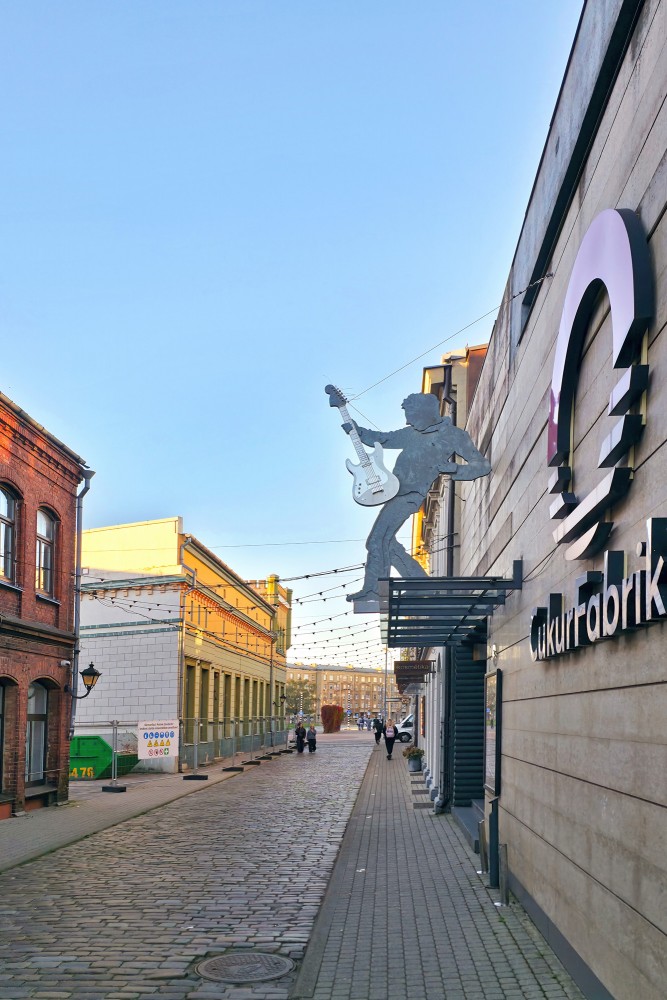
The “Ghost Tree” sculpture in Seaside Park is dedicated to the Liepāja rock band “Līvi”. Approximately six metres tall and made from thousands of metal rods, it has become one of the city’s most recognisable tributes to its musical heritage.
Sculptures on Kūrmājas Prospekts
Bronze sculptures along Kūrmājas Prospekts depict characters from Liepāja’s anthem, “Pilsēta, kurā piedzimst vējš” (“The City Where the Wind Is Born”). They give the street a distinctive character and introduce visitors to the city’s cultural symbols.
The Liepāja sign
A large sign spelling “Liepāja” stands on the beach near the central lifeguard station. It is a popular spot for photographs with the sea and wide sandy beach in the background.
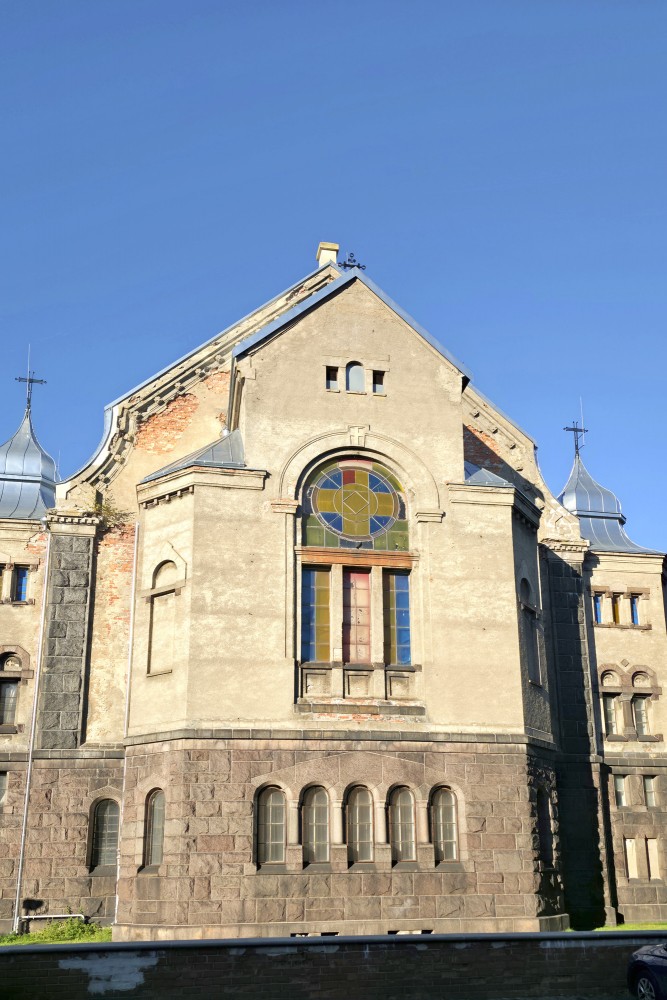
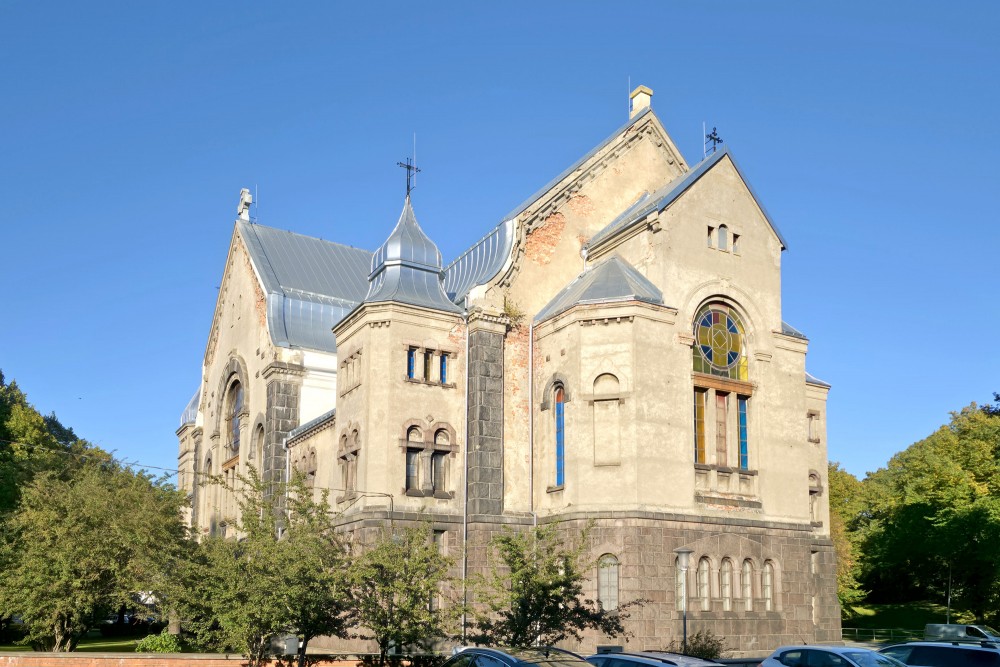
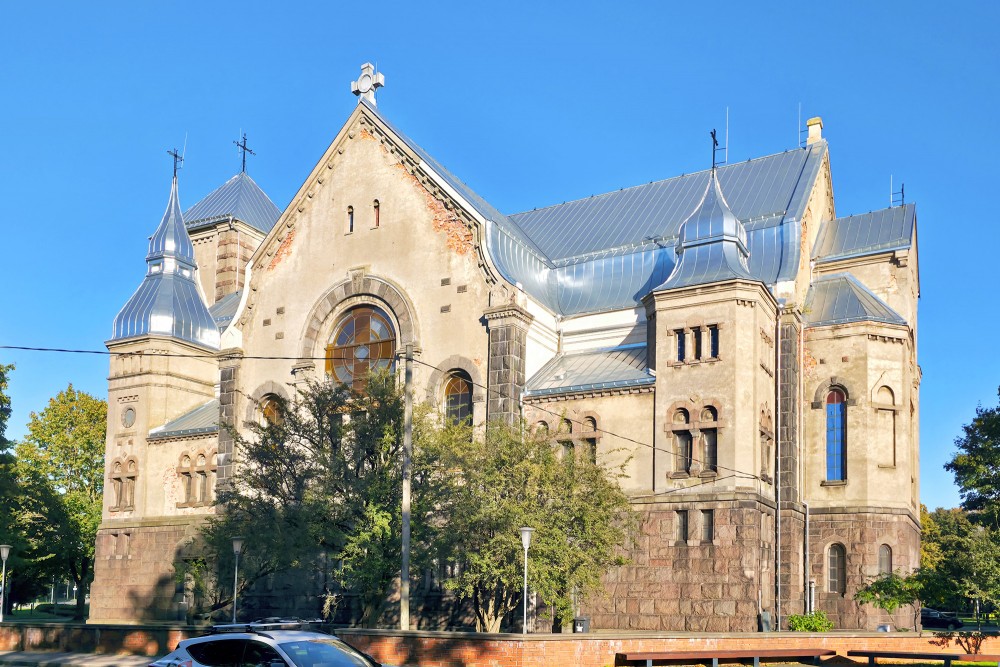
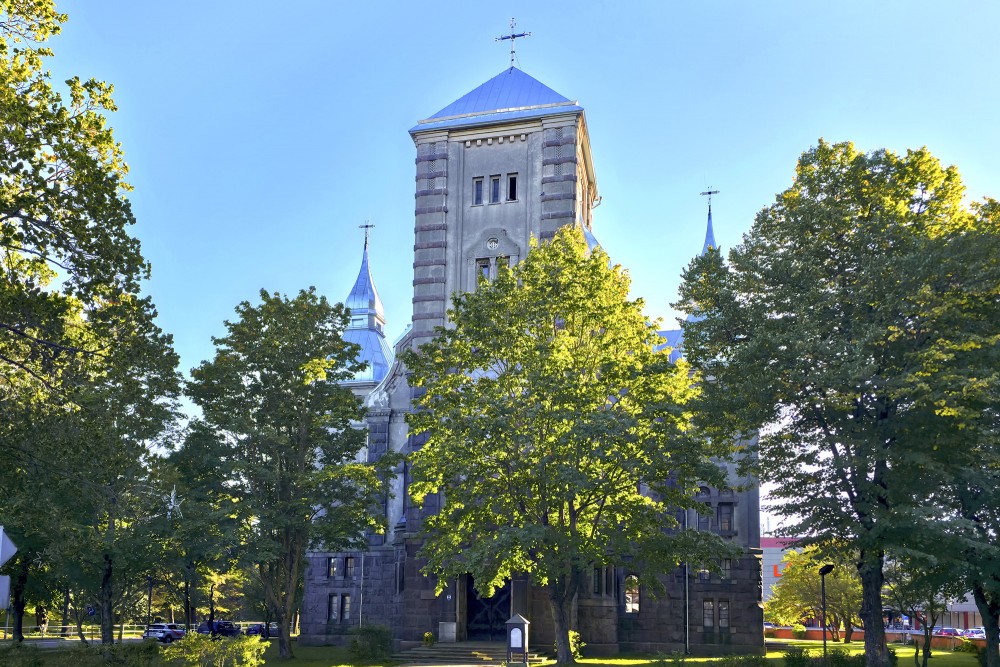
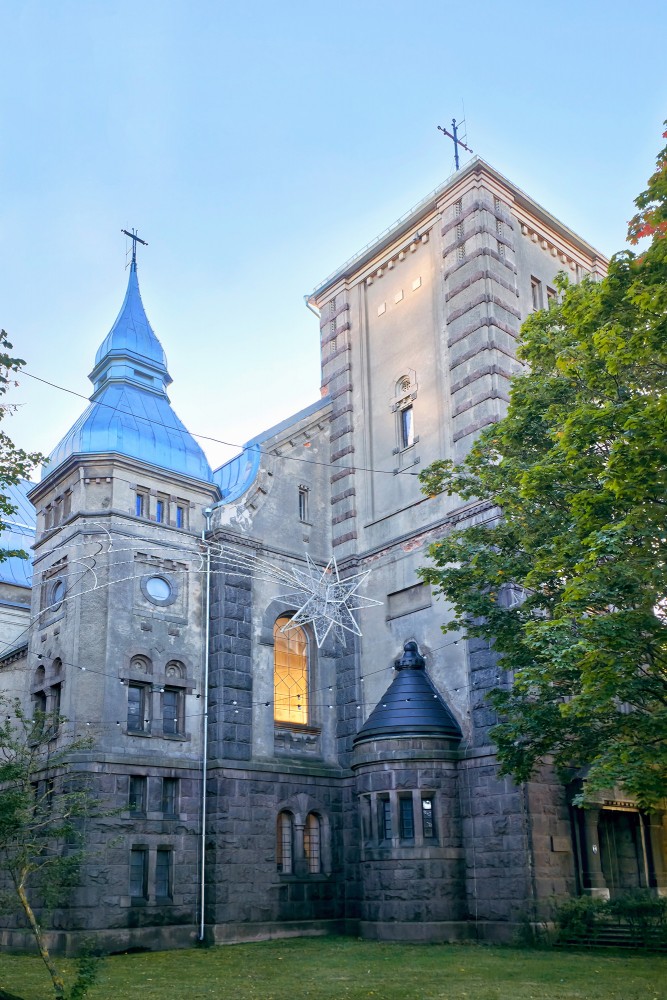
Other noteworthy landmarks include the Oskars Kalpaks drawbridge, the historic Peter’s Market and the Orthodox Naval Cathedral of St Nicholas in Karosta. The cathedral stands out for its impressive dome and is one of Karosta’s most significant architectural landmarks.
Family activities and playgrounds
Liepāja offers plenty of opportunities for families with children. Seaside Park has a playground, sports areas and a mini-golf course, while the beach is ideal for building sandcastles, walking and swimming in designated areas during summer. Other city parks provide additional playgrounds and sports facilities, and cycling paths offer an active way to explore the city.
Families looking for more adventurous activities can visit the Beberliņi recreation area in Karosta, which offers outdoor leisure opportunities. Activities and availability may vary by season, so checking current information before visiting is recommended.
Interesting facts about Liepāja
- The city of wind. Liepāja is widely known by this nickname, reflecting its coastal climate and cultural identity.
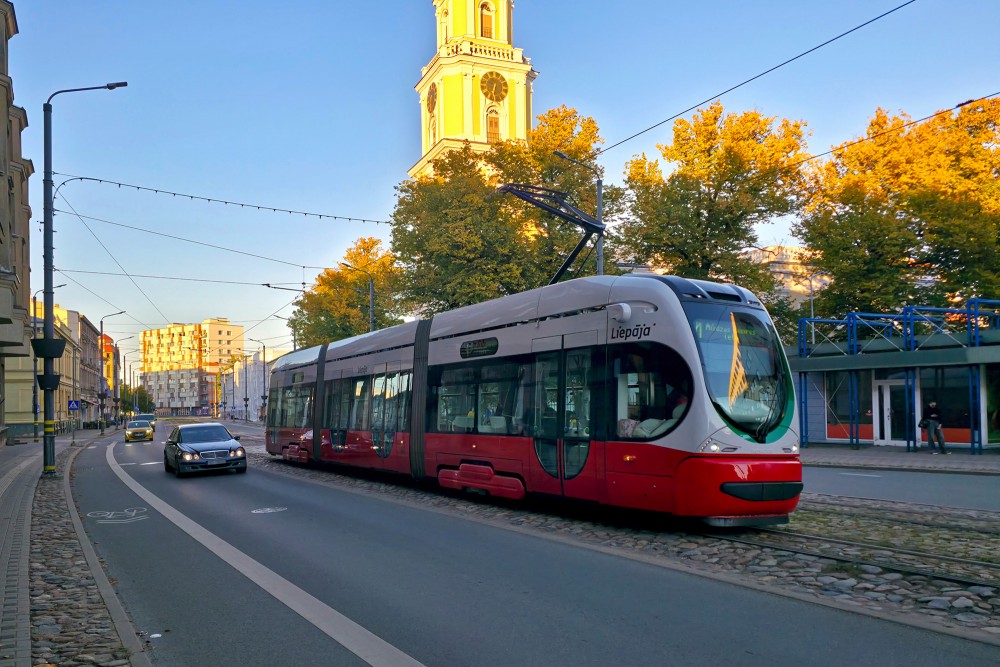
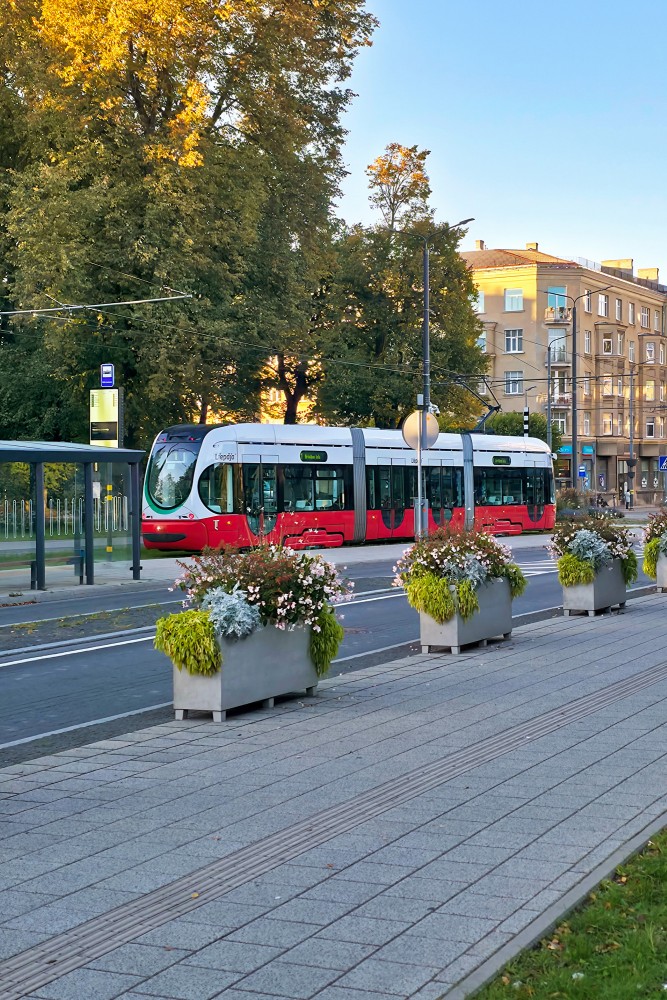
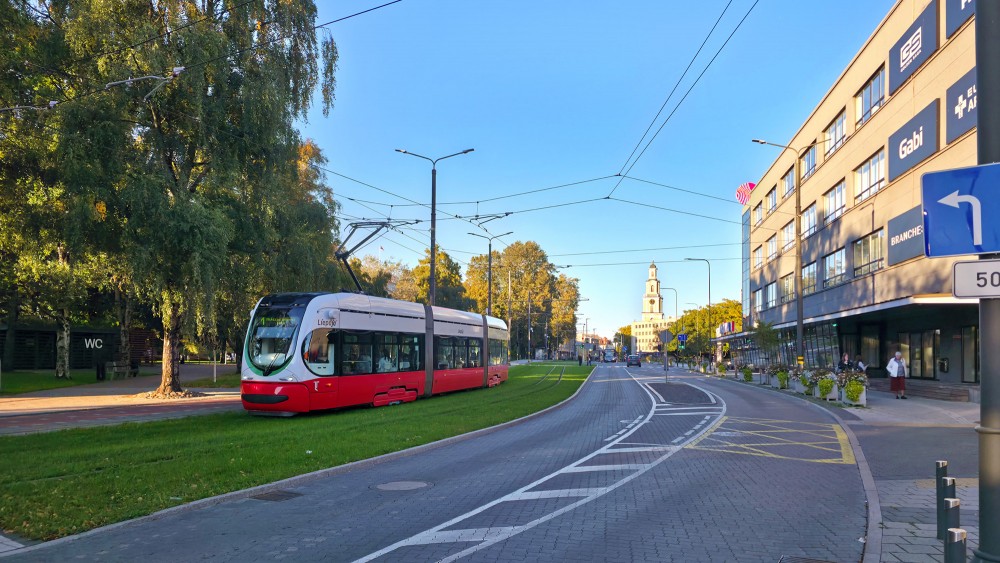
- The first electric tram in the Baltic States. Liepāja’s electric tram began operating in 1899.
- Liepāja Symphony Orchestra. It is the oldest orchestra in the Baltic States.
- Historic organ. The Holy Trinity Cathedral houses a particularly significant historic mechanical organ.
- Karosta. This extensive historic military district covers approximately one-third of the city and is one of Latvia’s most distinctive military heritage areas.
- Liepāja in 1919. The Latvian Provisional Government was based in Liepāja for a period, and the city temporarily served as the country’s provisional capital.
Liepāja combines a Baltic seaside setting, historic architecture, green parks and a diverse cultural scene. Visitors can discover the city on a day trip through the centre or spend several days exploring the beach, Lake Liepāja and the distinctive military heritage of Karosta.