Kretinga, Lithuania
Kretinga is a town in western Lithuania, in Klaipėda County, about 10 km from the Baltic Sea and 20 km from Klaipėda. It is the administrative centre of Kretinga District Municipality and has around 17,000 residents. The town is divided by the Akmena River, spanned by four bridges. Kretinga is considered one of the oldest towns in western Lithuania and is a popular day-trip destination from Palanga and Klaipėda.
History
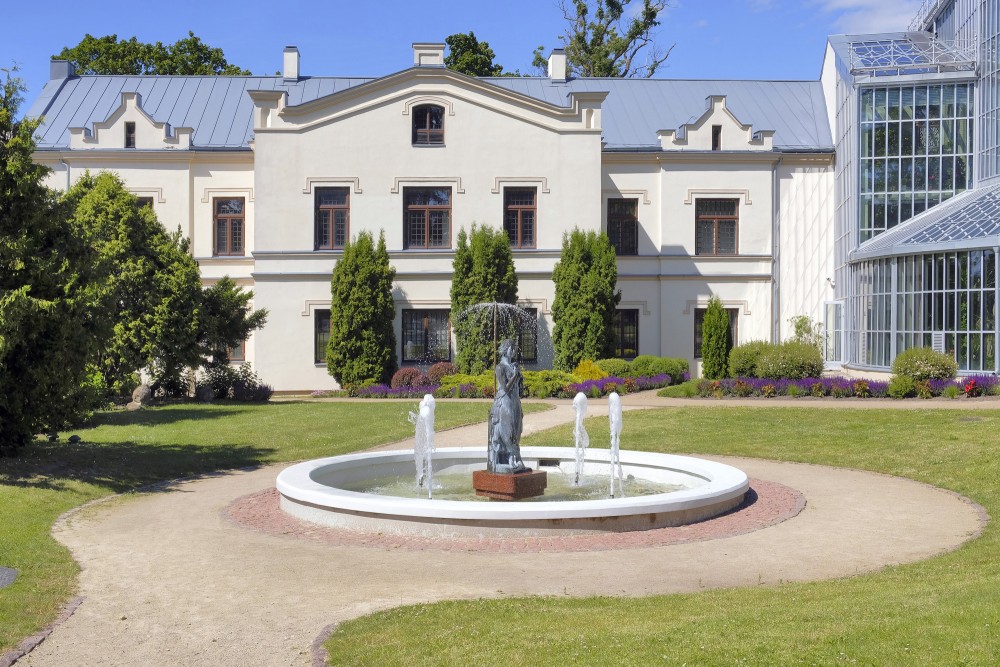
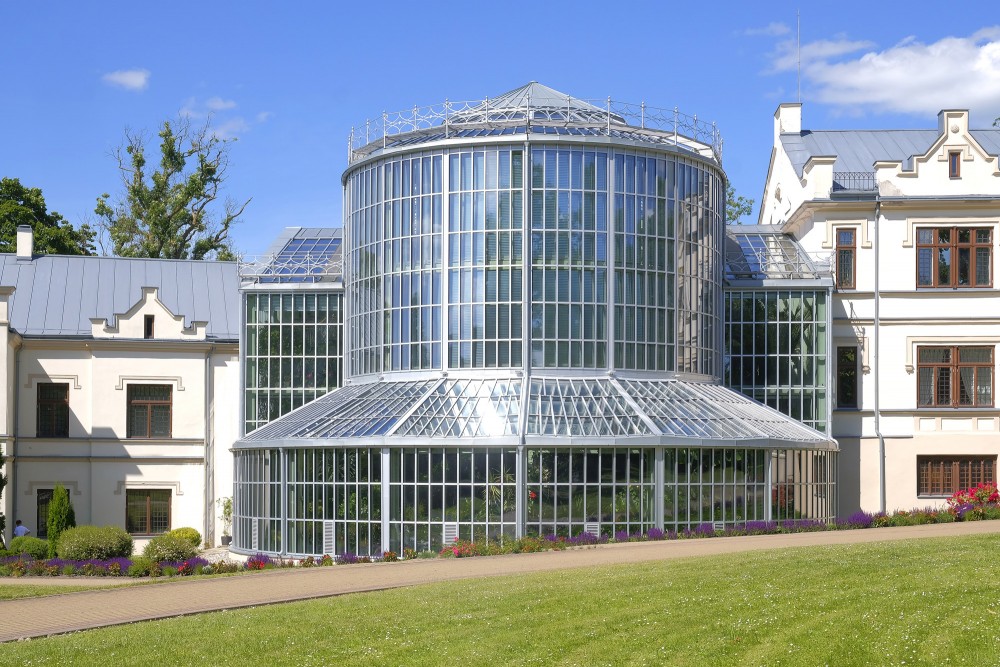
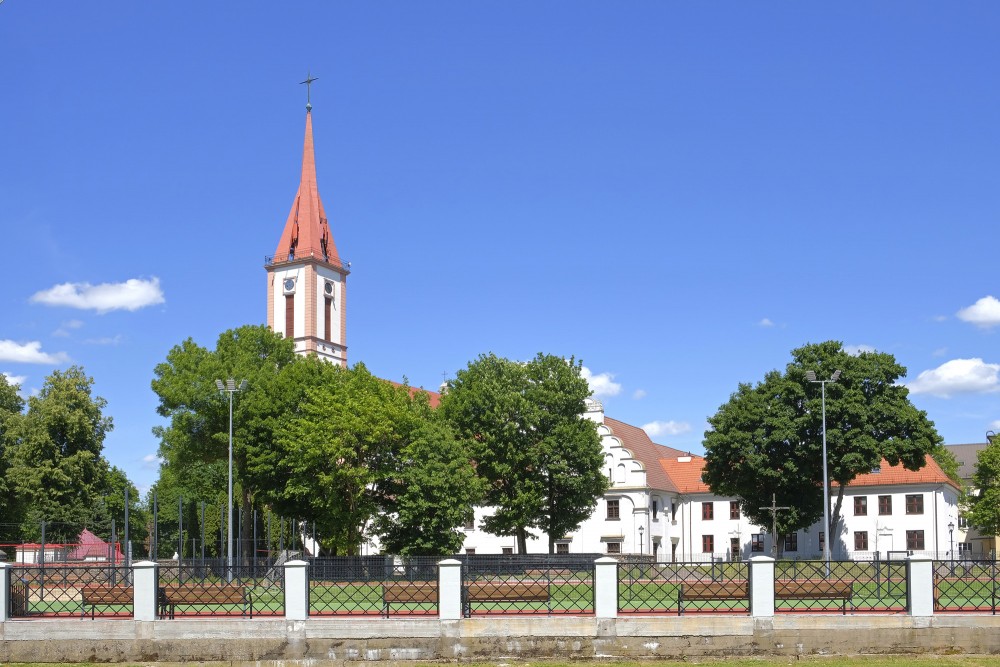
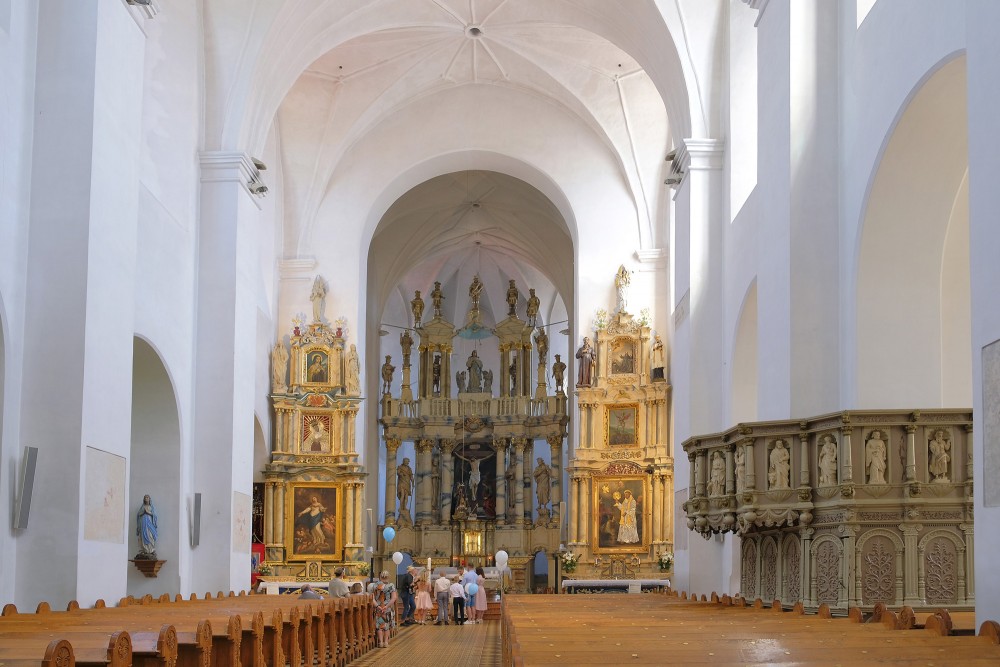
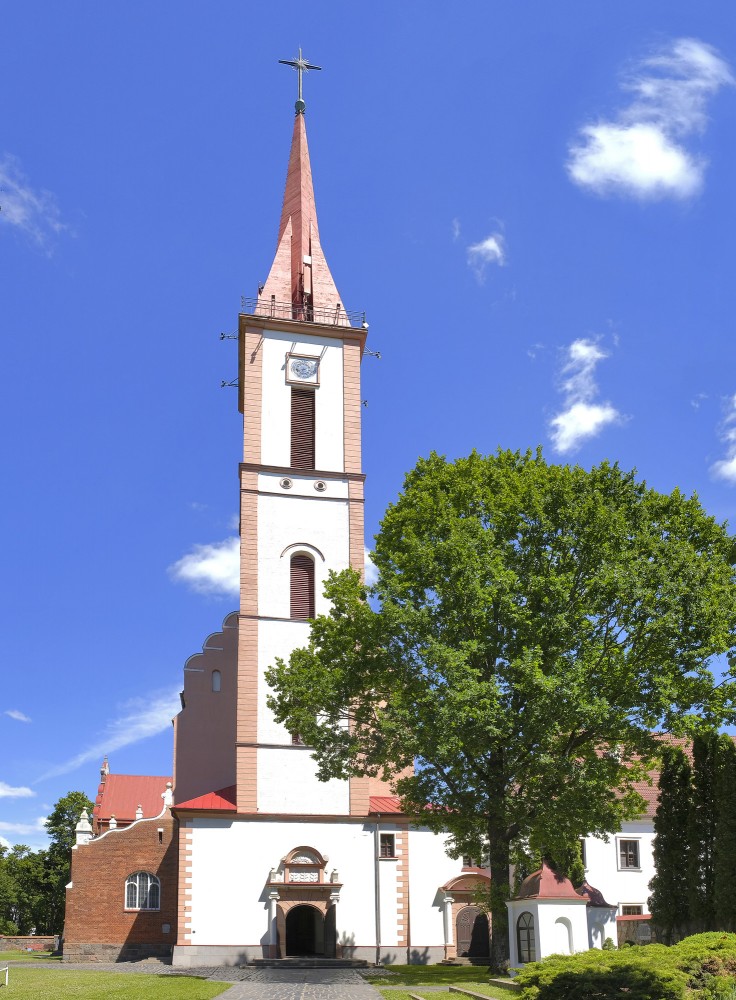
Kretinga first appears in historical sources in the 16th century as a village and manor. In 1572 it was acquired by Count Jonas Jeronimas Chodkiewicz, and thanks to a trade route running to the port of Klaipėda, the settlement grew quickly into a town. In 1602 Count Jonas Karolis Chodkiewicz built the first wooden Catholic church on the bank of the Akmena and invited Bernardine friars to settle there; a brick church followed in 1610–1617, which today is the oldest surviving church in Samogitia. In the 19th century the Kretinga estate passed to the Tyszkiewicz family, who shaped much of the town's present character, rebuilding the manor palace and adding a winter garden and a large landscape park.
Architecture
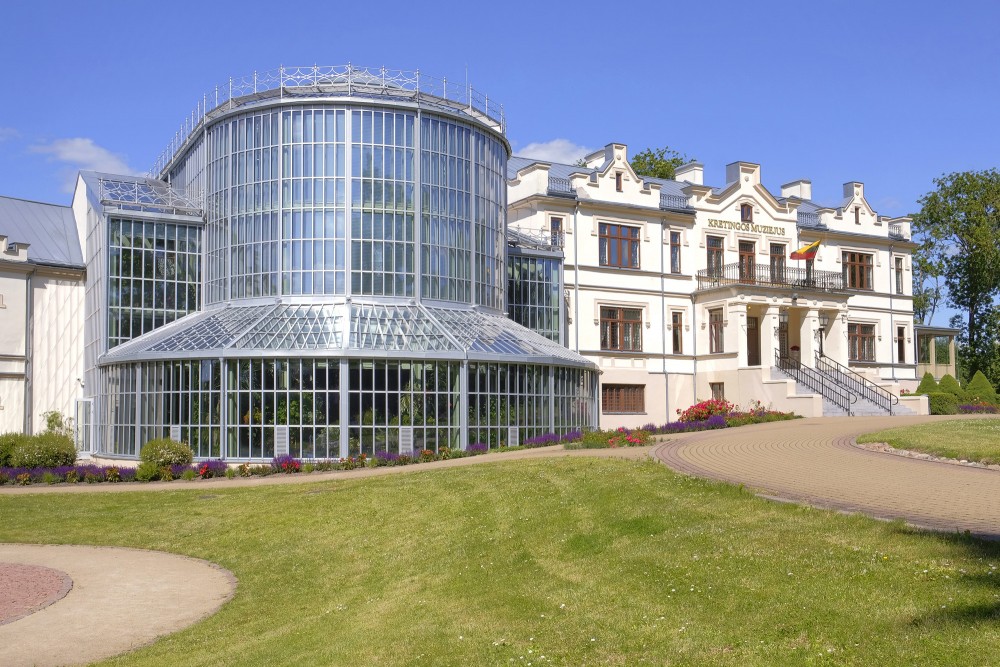
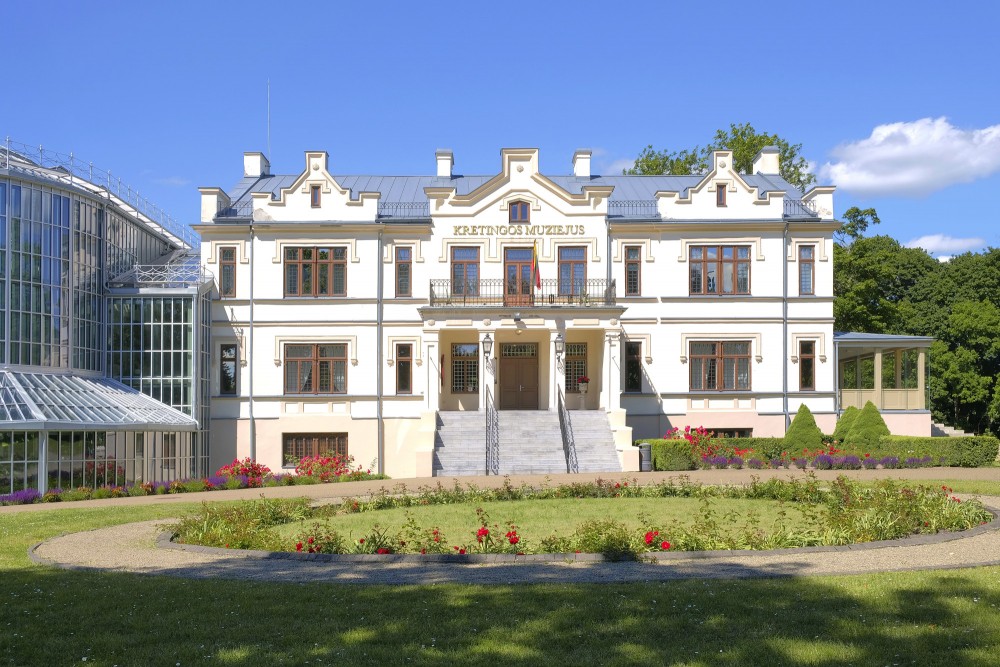
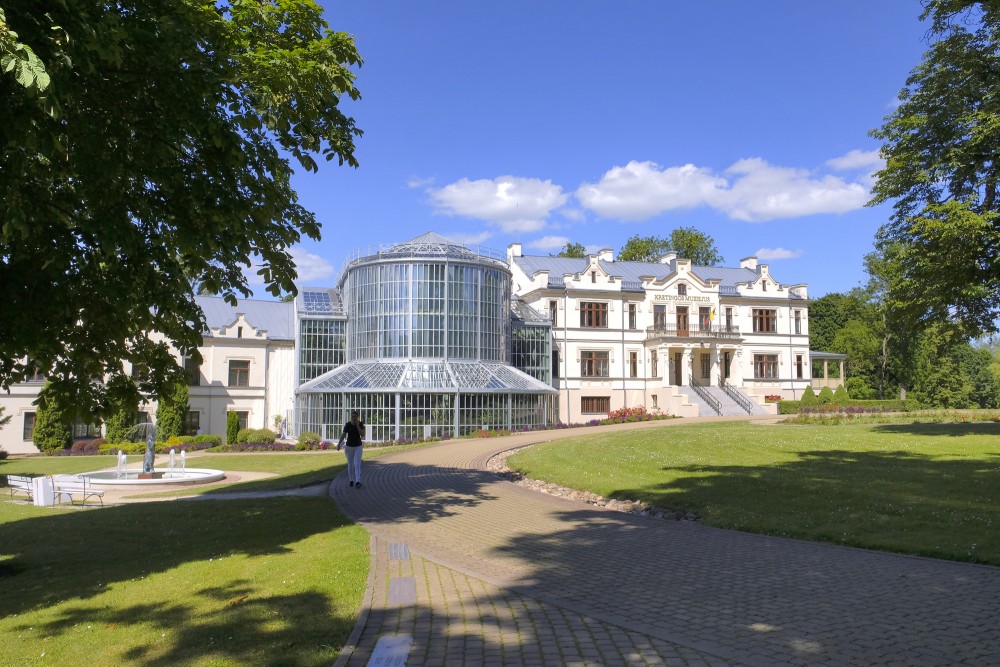
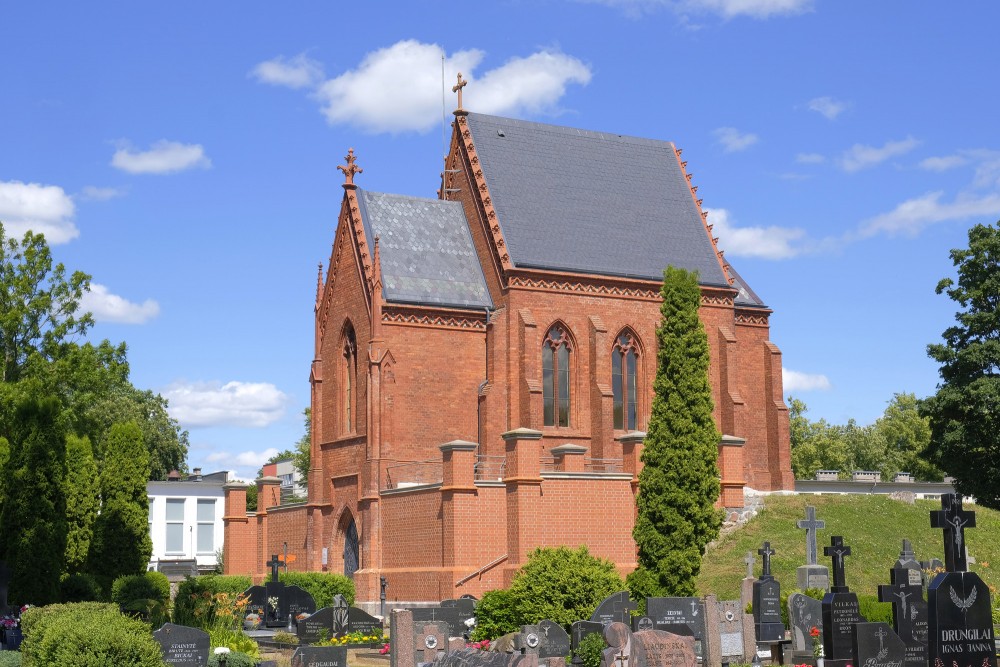
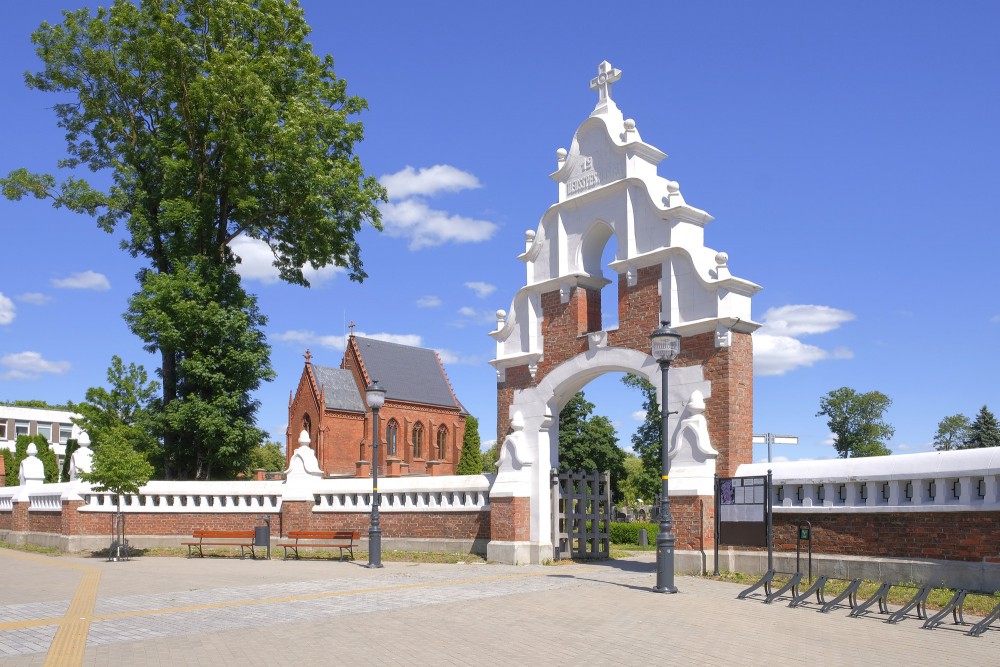
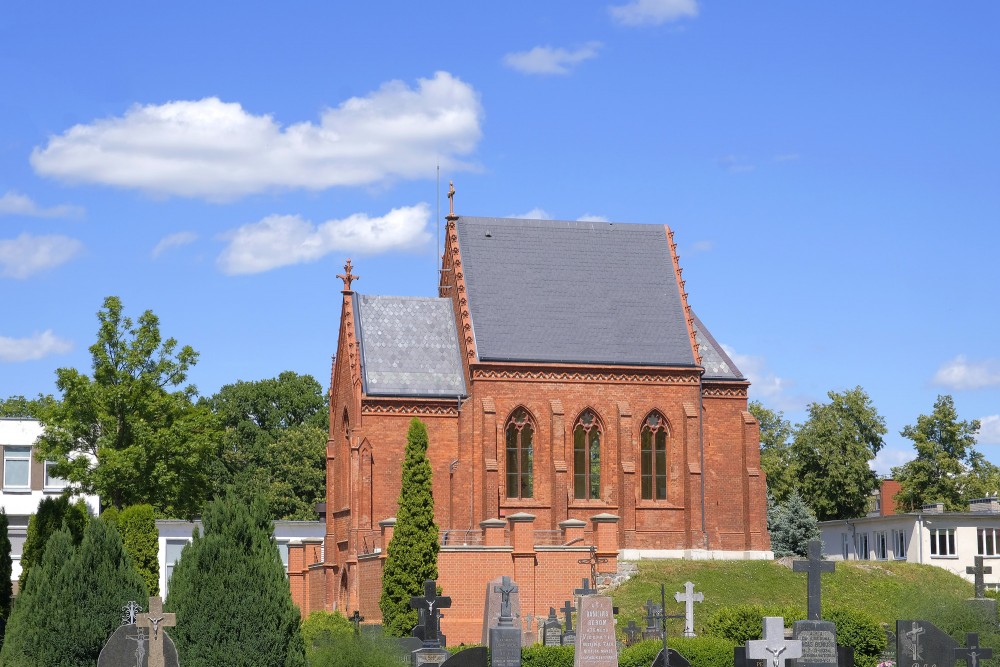
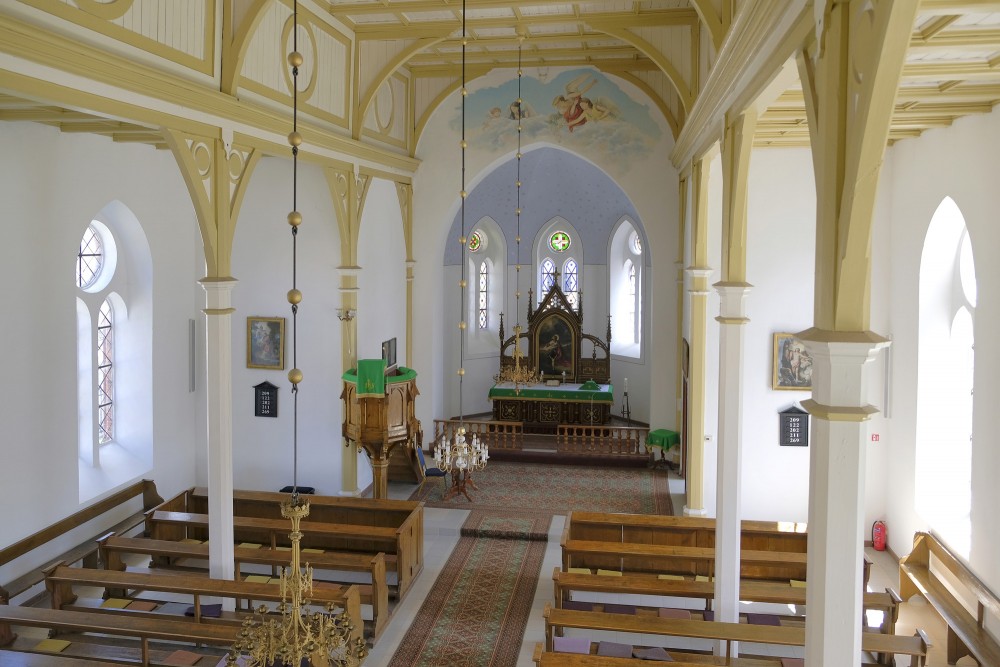
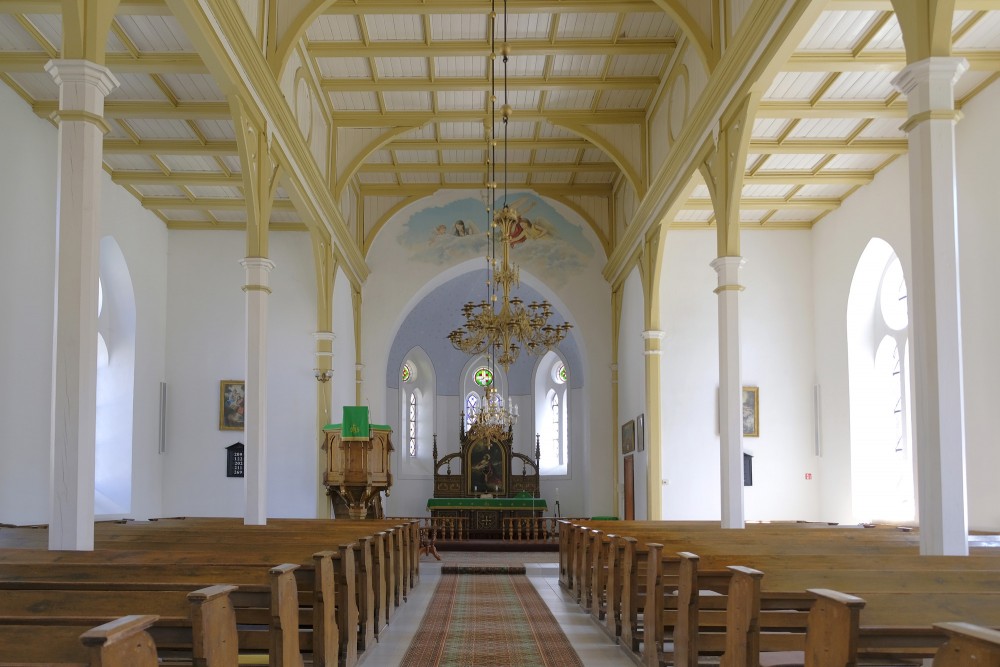
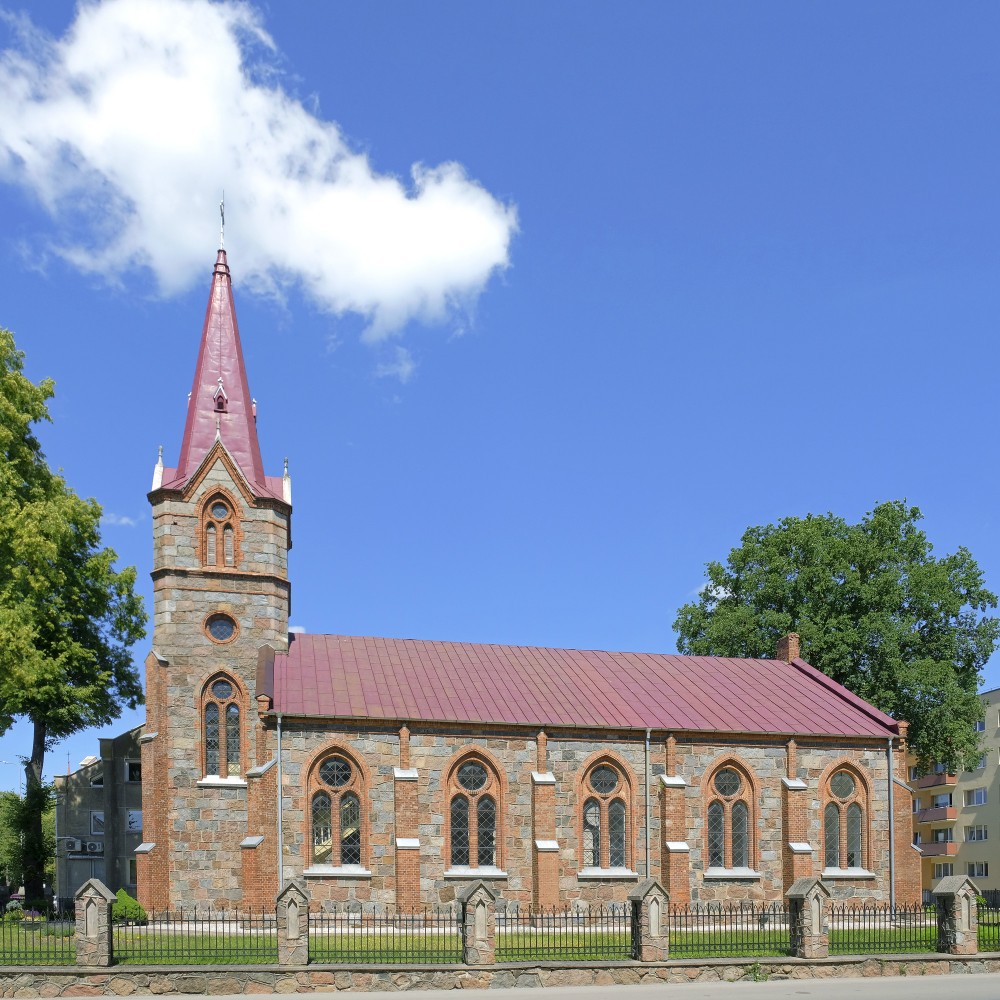
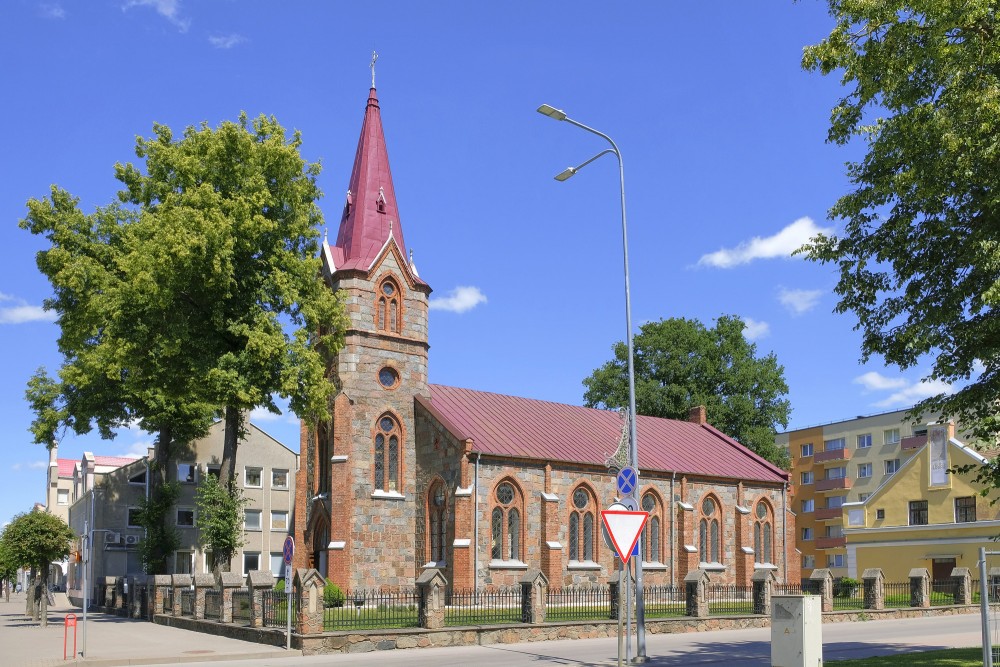
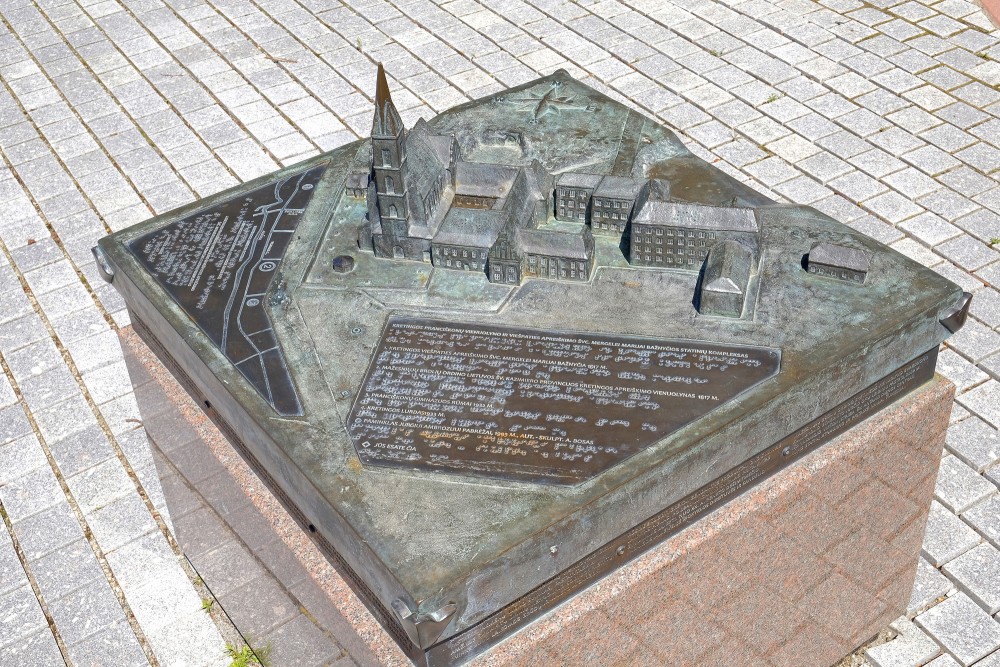
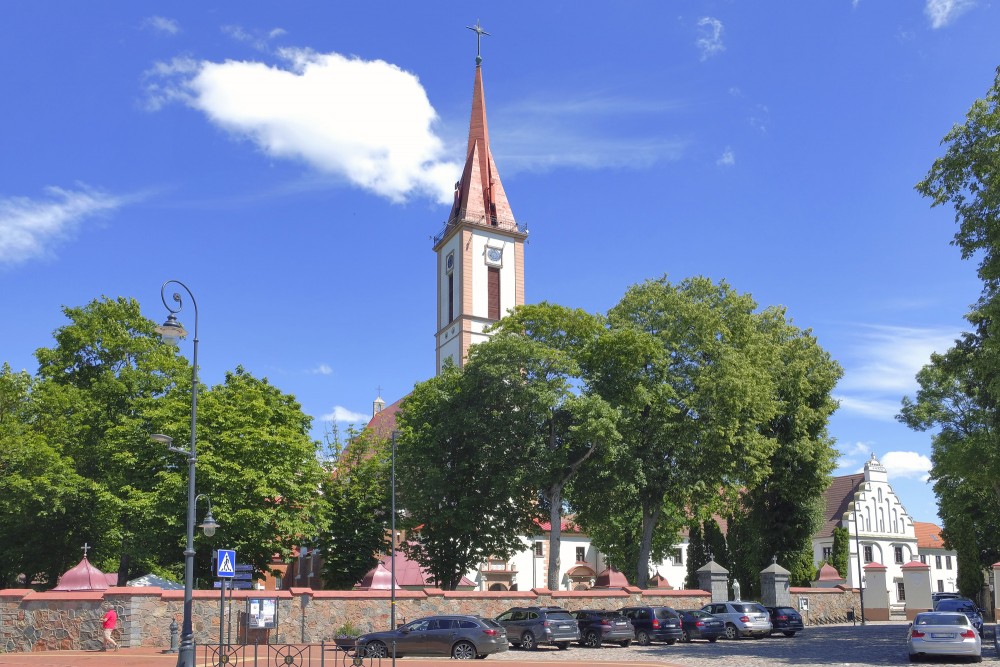
The historic centre is built around the Town Hall Square, close to the Franciscan monastery and church complex, which blends Gothic, Renaissance and Baroque elements dating from the 17th century. To the north lies the Kretinga manor ensemble: the Tyszkiewicz palace with its winter garden, a surviving manor brewery (1838), a water mill (late 18th century) and a steward's house. Other notable historic buildings include the neo-Gothic Tyszkiewicz family chapel in the new cemetery (1893), the rebuilt Evangelical Lutheran church (1897), and the Franciscan gymnasium building (1932). There are no castle ruins in Kretinga — its historic architecture centres on the manor and church complexes.
Parks, squares and promenades
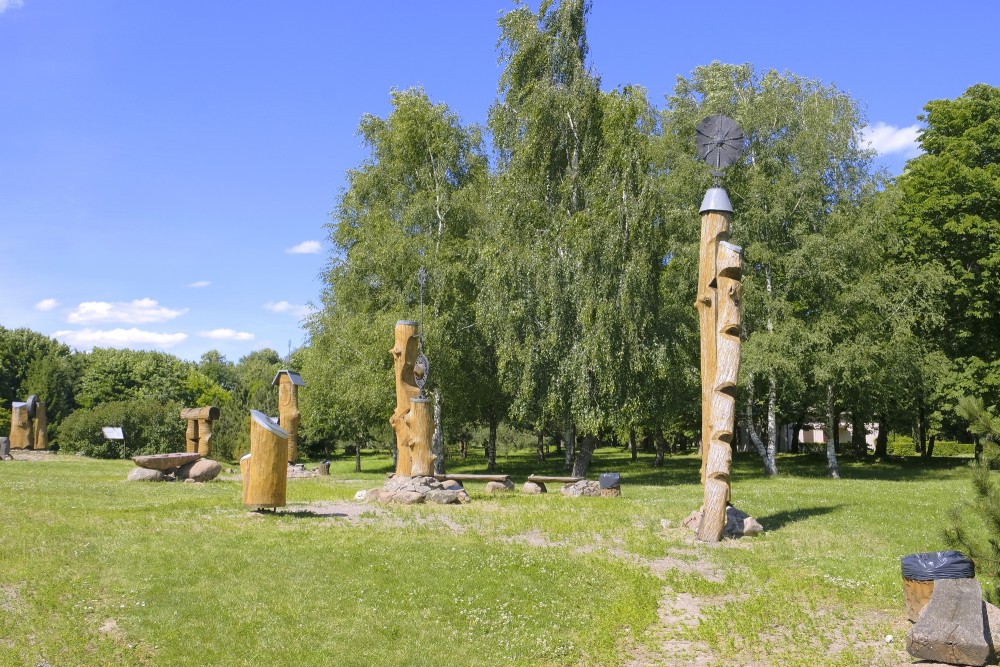
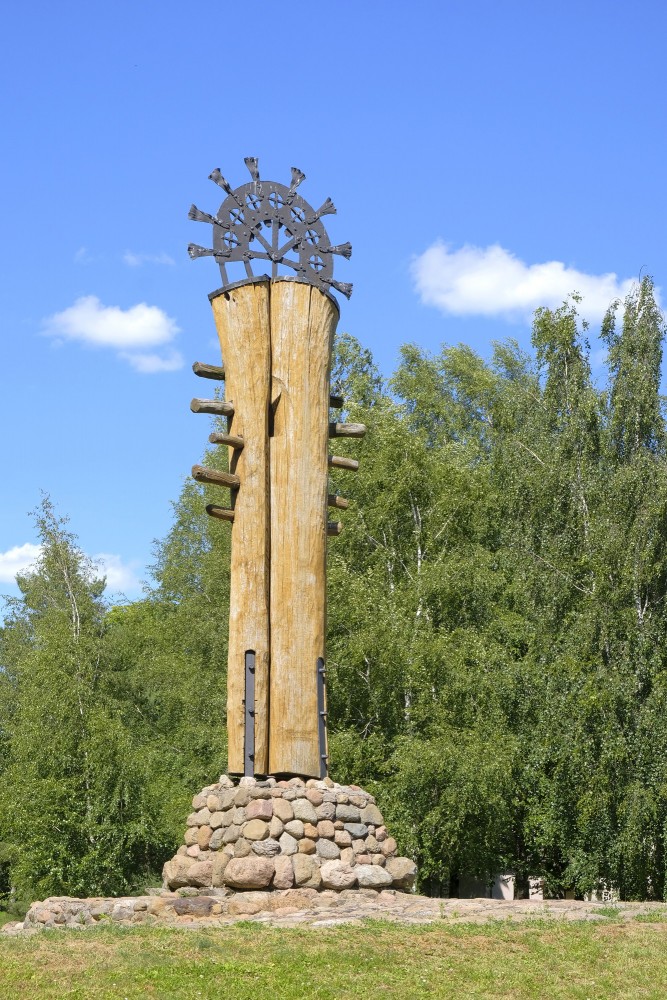
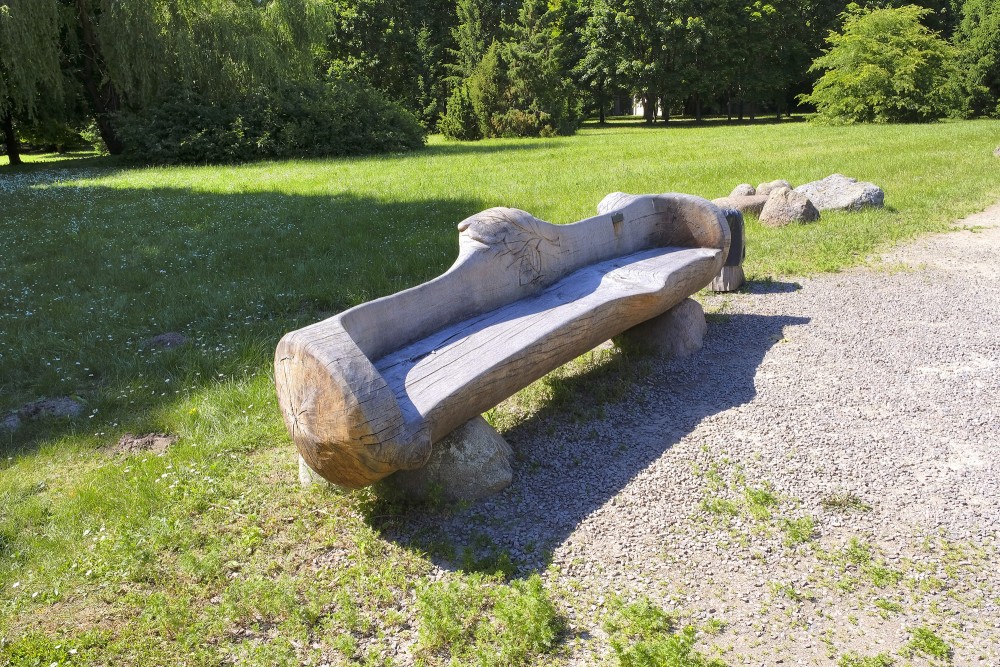
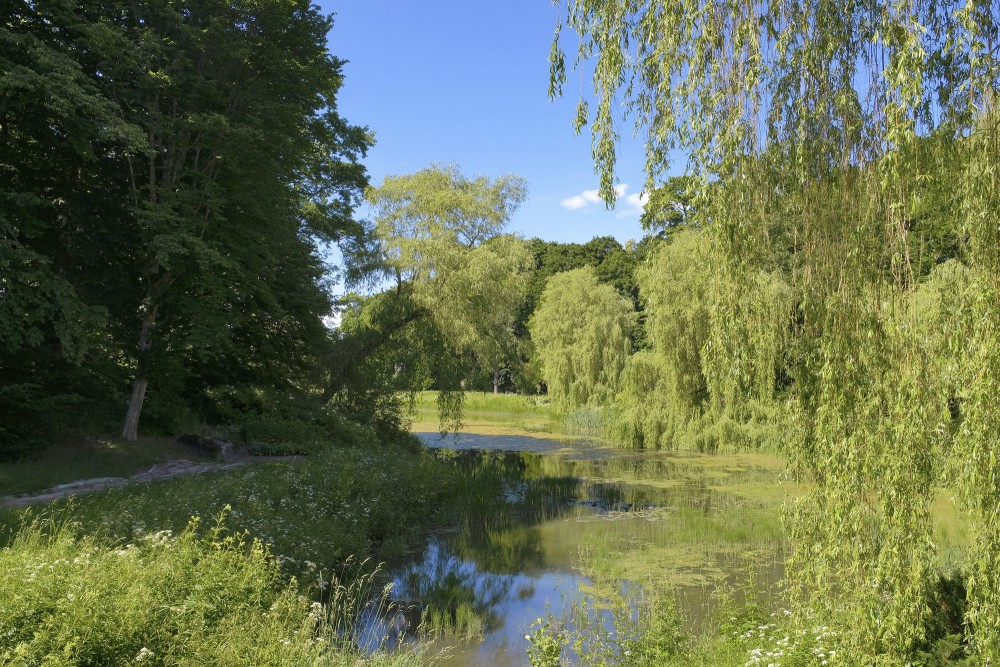
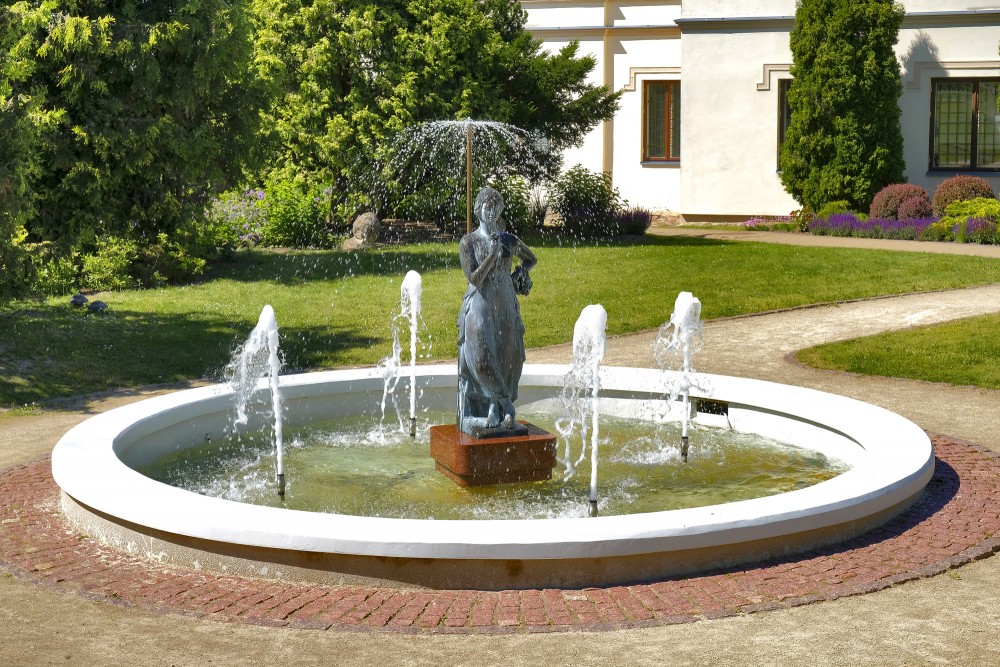
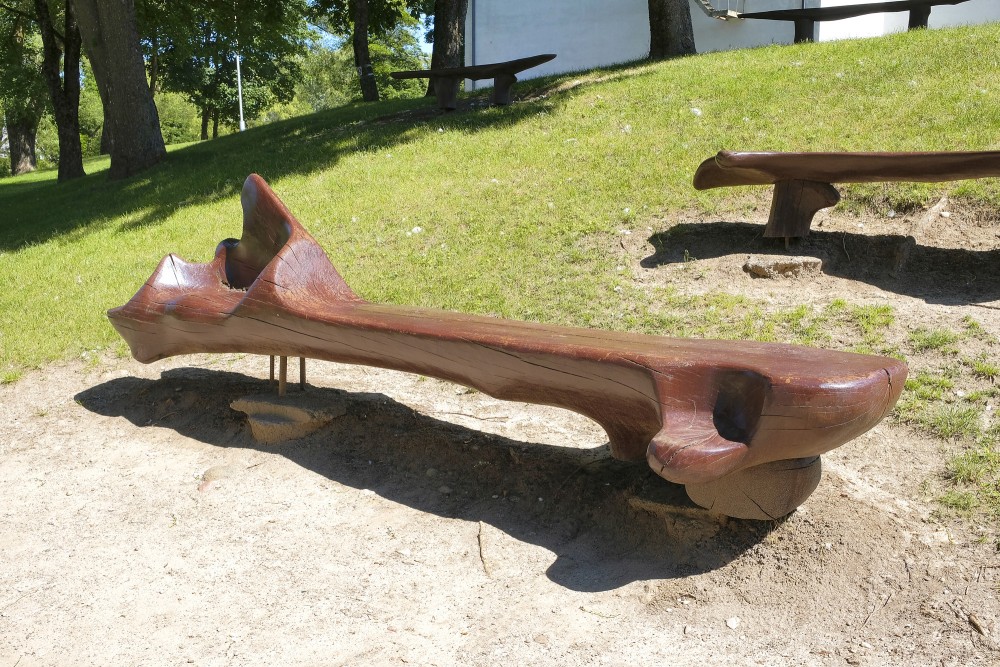
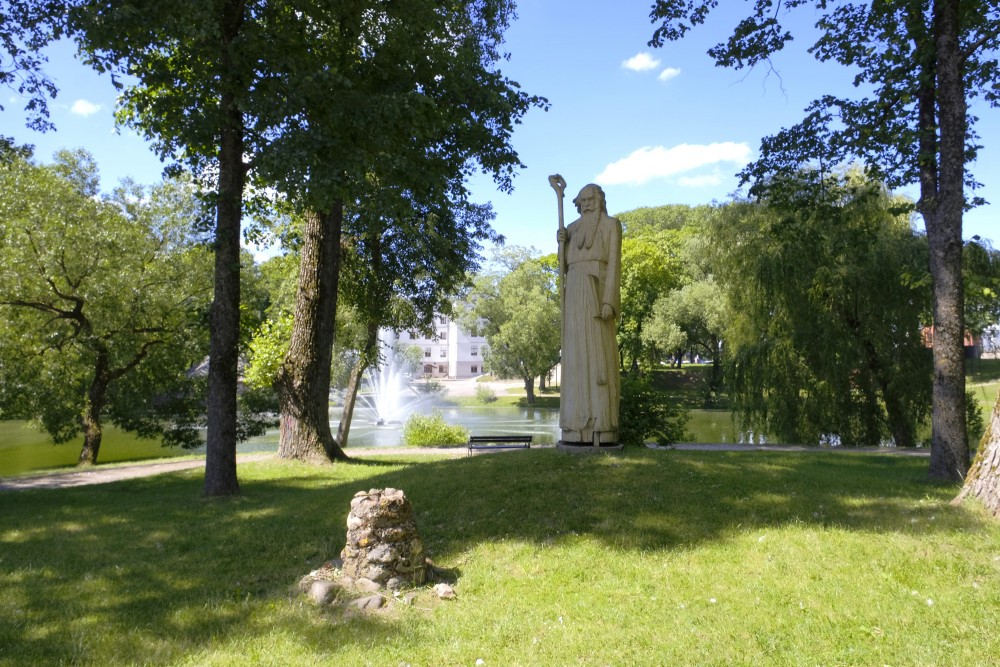
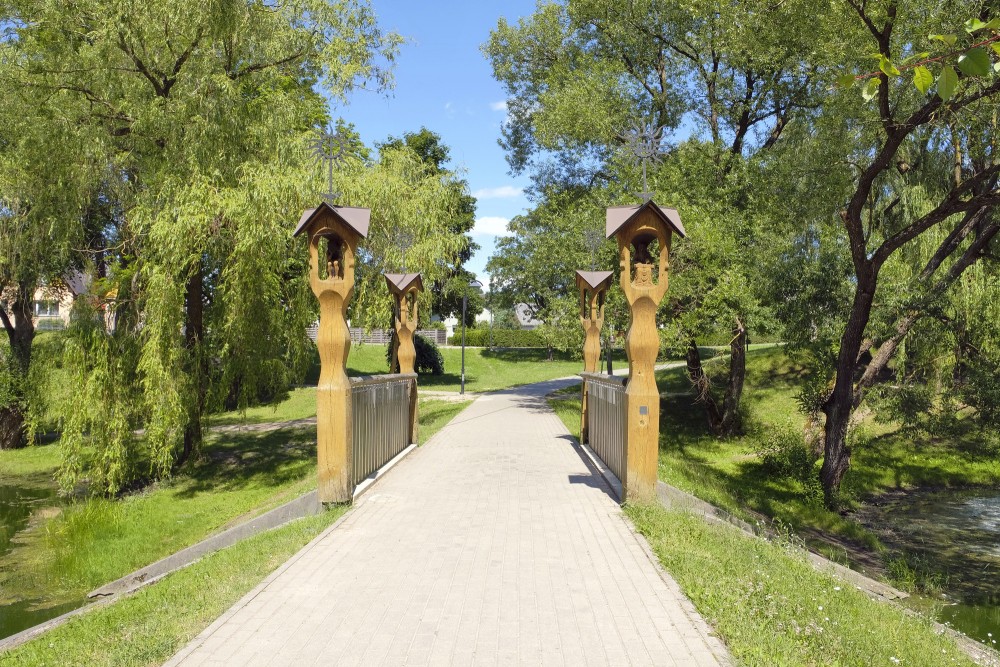
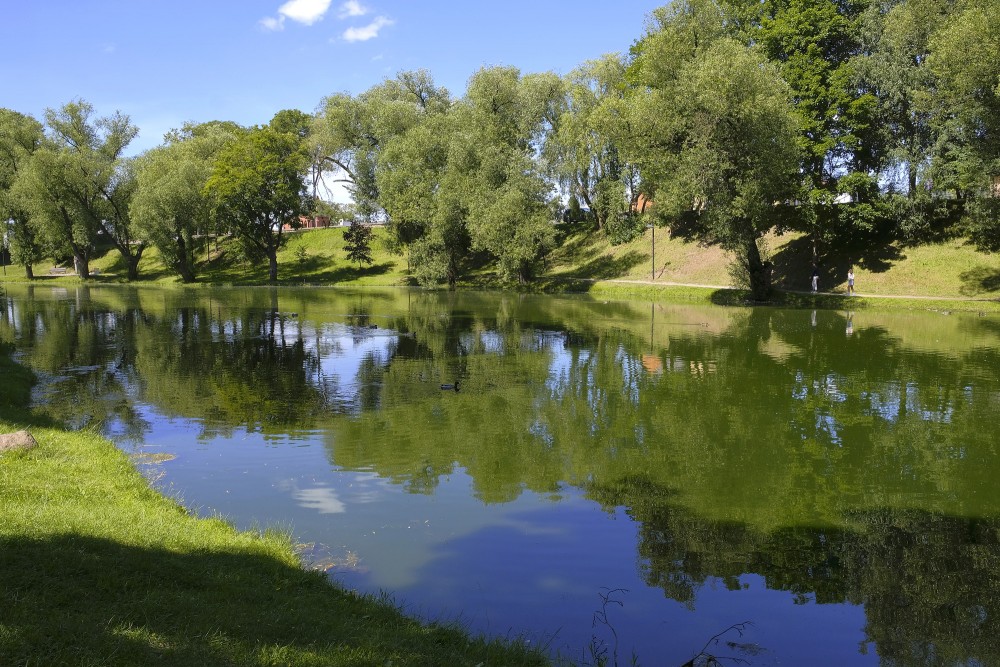
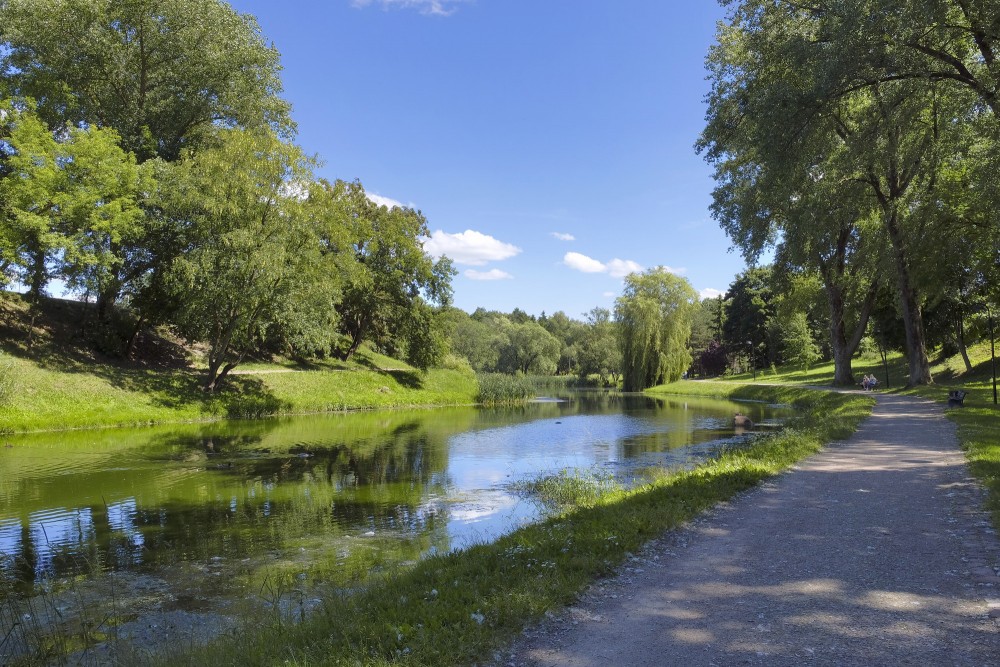
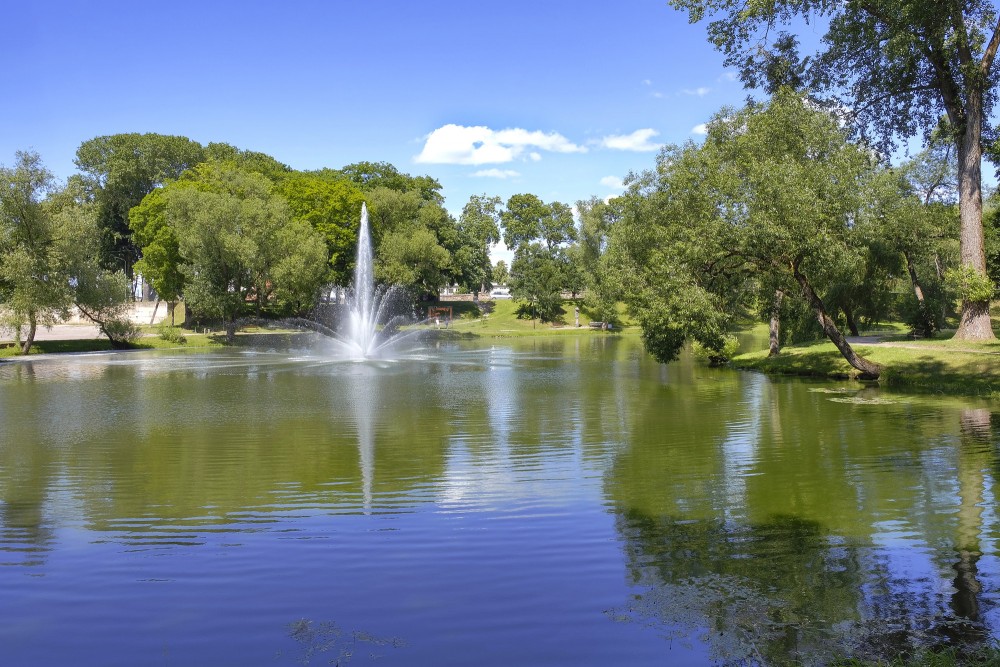
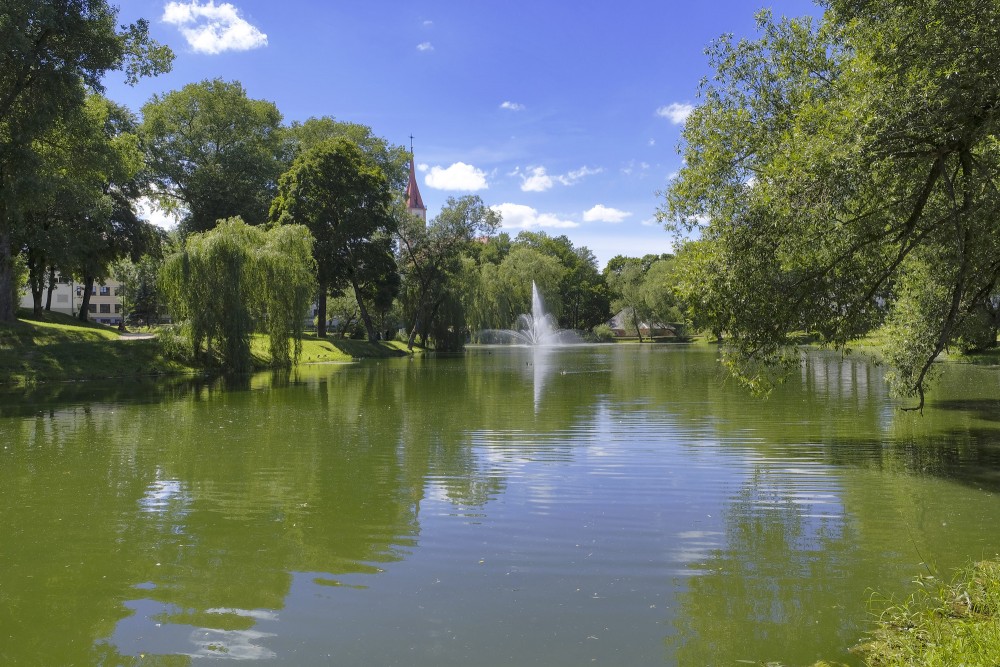
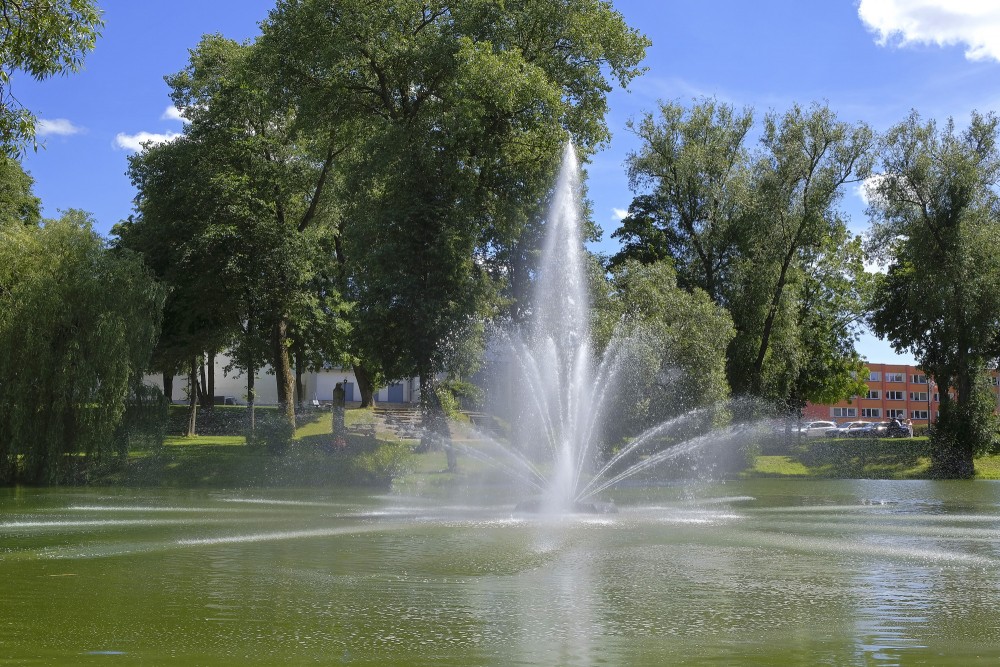
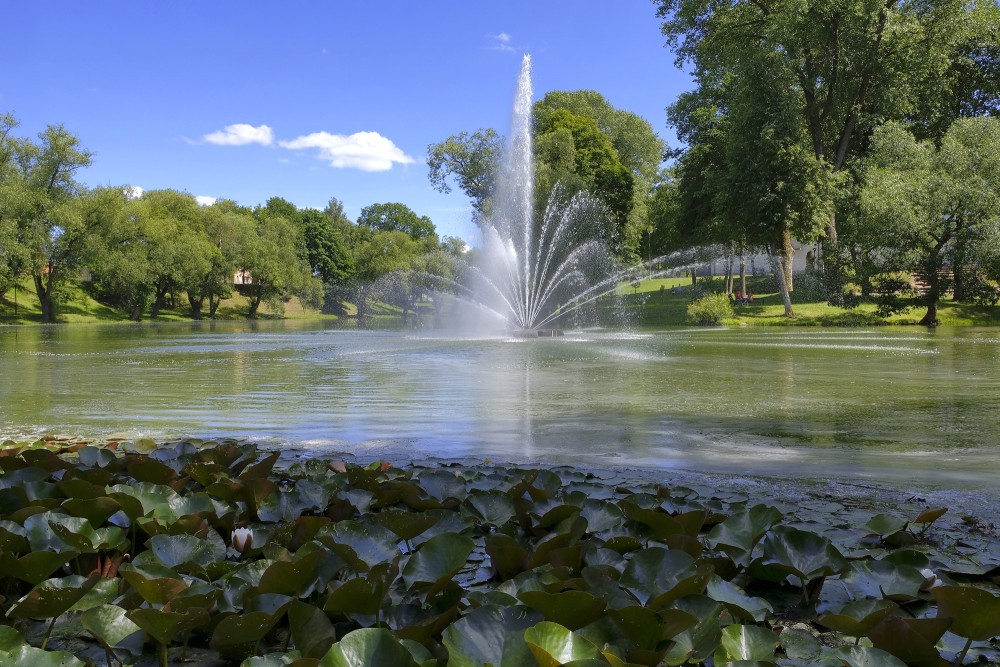
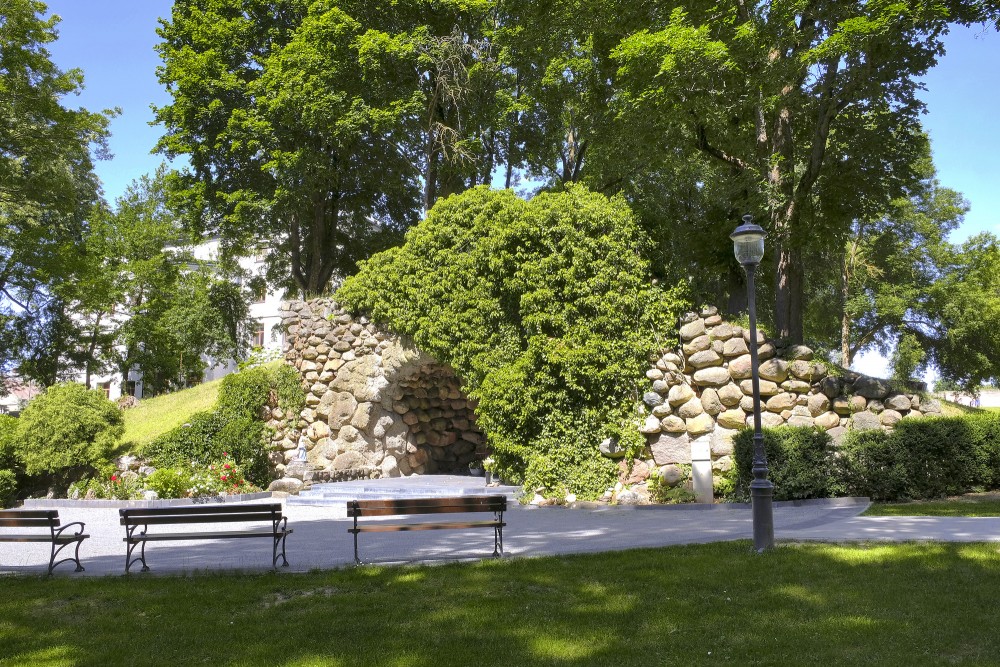
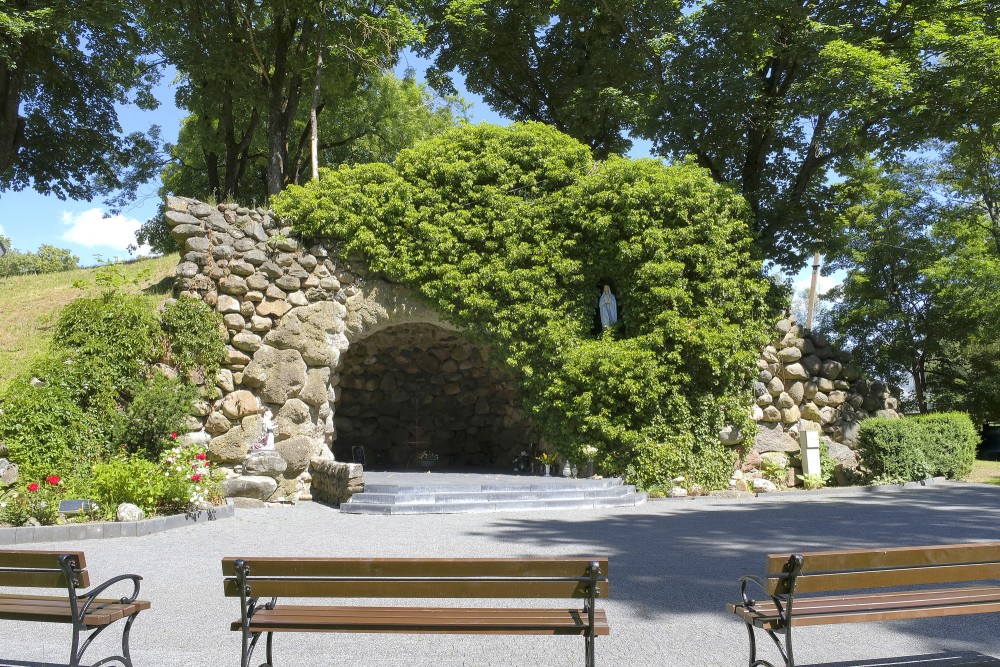
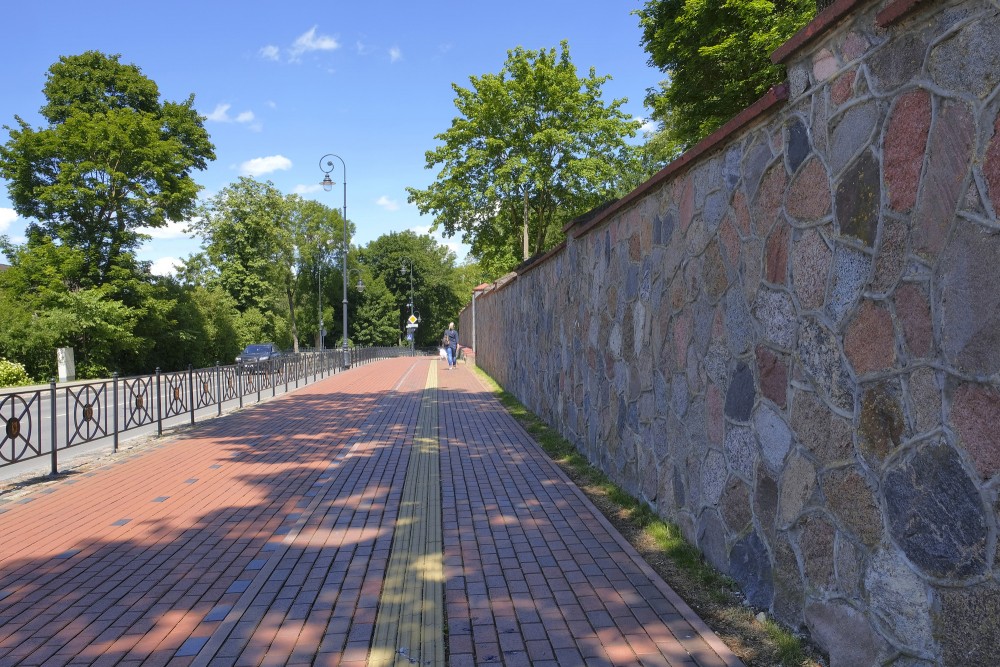
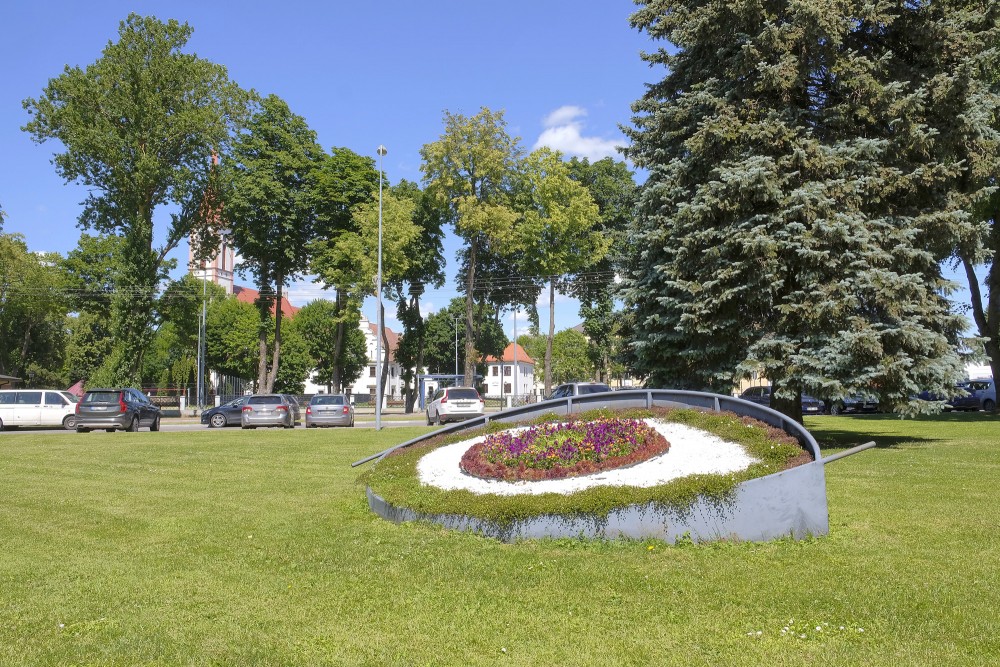
The main green space is the Kretinga manor park, a landscape-style park laid out as an orchard in the late 18th century and redesigned in English style during the 19th century. It contains an astronomical calendar with a sundial, wooden sculptures and three cascading ponds. The town is also home to the Kretinga Lourdes Grotto, an artificial rock-and-spring shrine with a statue of the Virgin Mary, one of the town's best-known religious sites and the setting for local festivals. In recent years the municipality has been developing the Akmena riverbanks, with new squares and a promenade planned, including viewing platforms, a spring feature and footbridges linking the town centre to the river.
Water
The Akmena River runs through the town, joined by the smaller Jaurykla. The manor park has three cascading ponds, and a historic manor pond, currently closed to visitors, is planned to be opened to the public. There are no lakes within the town itself; the nearest, Lake Kašučiai, lies elsewhere in Kretinga District.
Museums
The main attraction is the Kretinga Museum, housed in the former Tyszkiewicz palace (Vilniaus g. 43), with exhibitions on archaeology, numismatics, ethnography and the history of the manor. Part of the museum is the famous Winter Garden, an orangery created in 1875 by Count Juozapas Tyszkiewicz, home to more than 170 plant species and around 5,000 specimens, including cacti and bougainvillea, with water lilies and Japanese koi in its pool. The former manor water mill houses an ethnographic exhibition, and a craft centre operates in the former greenhouse.
Natural sites
Just outside Kretinga lies the Pajūris (Seaside) Regional Park, with pine forests, dunes and birdwatching spots. The district also has several protected natural monuments, including old oak trees and boulders tied to local legends. Roughly a third of the district's area is forested.
Monuments, sculptures and public art
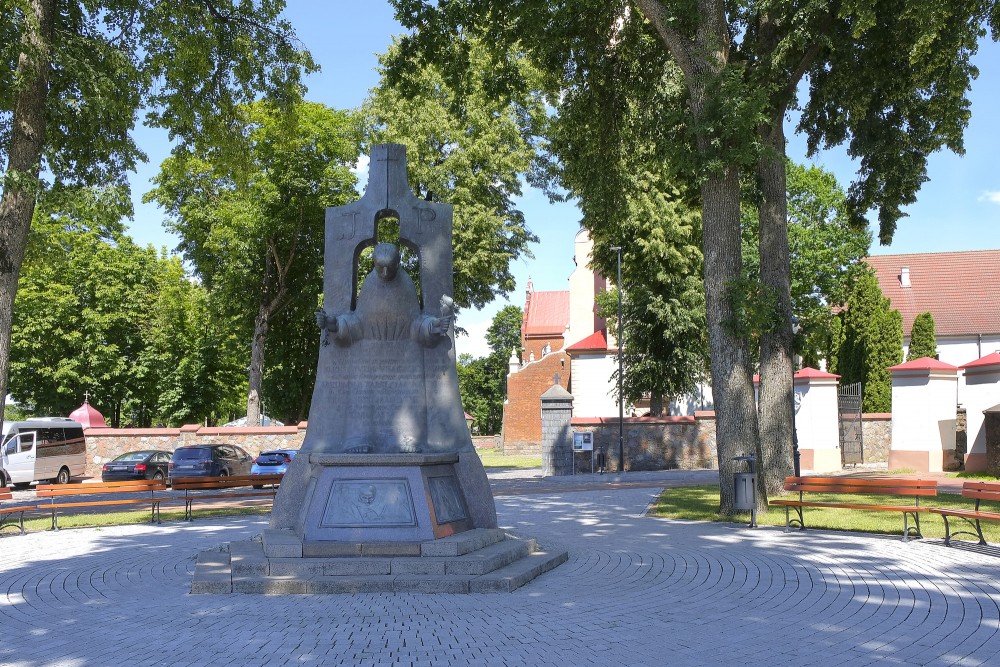
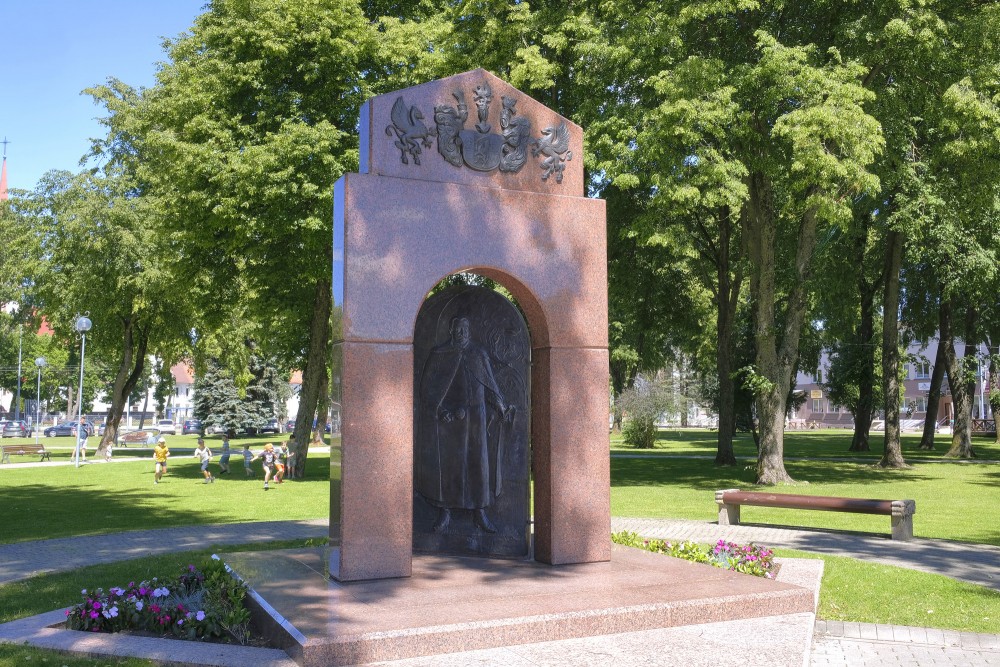
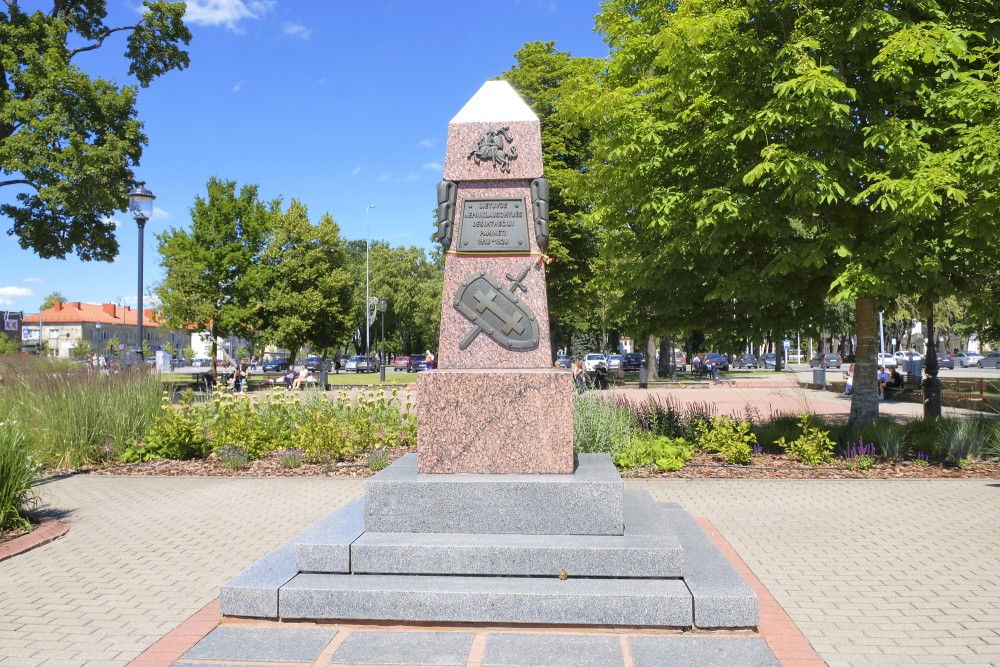
The town centre features the Freedom Monument (1930, sculptor R. K. Antinis), commemorating Lithuanian independence. The manor park displays wooden sculptures and the astronomical sundial. The Town Hall Square and surrounding historic streets are a natural spot for strolling and taking in town life.
Recreation for children
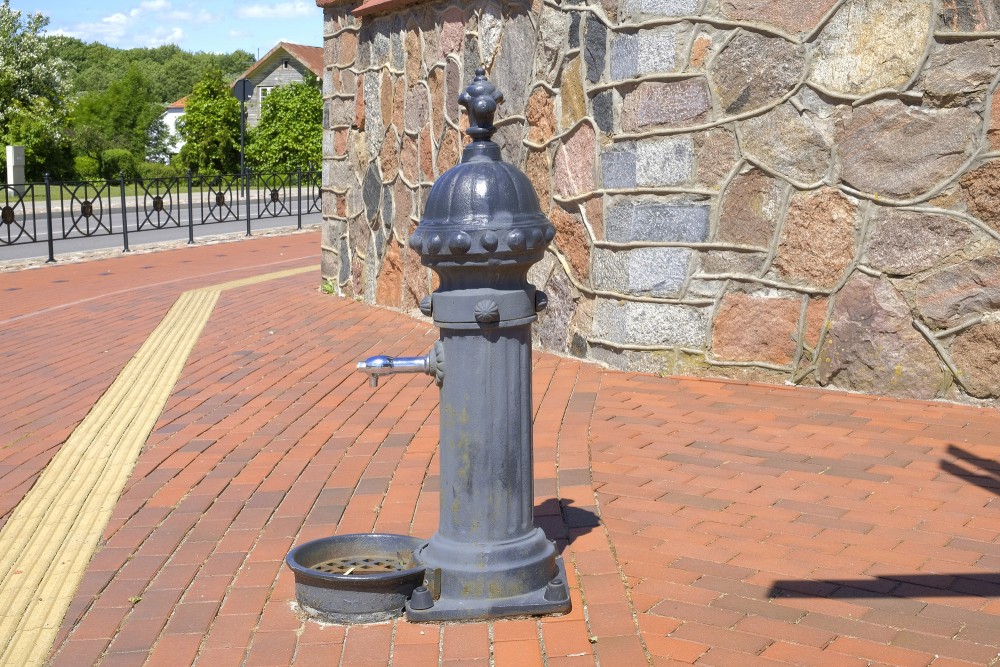
The Kretinga Museum regularly runs educational programmes for children, including craft workshops and guided walks through the manor park. In recent years the town has been expanding its playground network, and the new Akmena riverbank project includes play areas for different age groups, along with drinking-water points and shelters for families.
Interesting facts
- In 1878 Count Juozapas Tyszkiewicz installed Lithuania's first hydroelectric power station in Kretinga, used to light the Winter Garden and the manor.
- In 1898 Countess Marija Tyszkiewicz set up the first Lithuanian kindergarten in the manor hospital building, intended for peasant children.
- According to legend, the town's name comes from the Lithuanian word "kretėti" (to shake or jolt) — the streets were once paved with stones, and carts driving over them shook badly.
- Kretinga's church is the oldest surviving church in the entire Samogitia region.