Architecture

Architecture is both the art and science of designing and constructing buildings and other physical structures. It blends functionality, engineering, and aesthetic expression to shape the human environment. As a visible marker of culture and history, architecture reflects societal values, technological progress, and the aesthetic ideals of different eras.
History and Styles
The evolution of architecture is inextricably linked to human history, moving from prehistoric stone arrangements to highly complex engineering feats. In Western culture, the definitive historical periods include:
-
Classical Architecture: The canons of Ancient Greece and Rome, emphasizing proportions, symmetry, and post-and-beam systems (the orders).
-
Medieval Architecture: Romanesque and Gothic styles characterized by heavy masonry, pointed arches, and soaring vaults, best exemplified by cathedrals.
-
Renaissance and Baroque: A return to classical proportions, followed by the dynamic forms, grand scale, and dramatic spatial effects of the Baroque era.
-
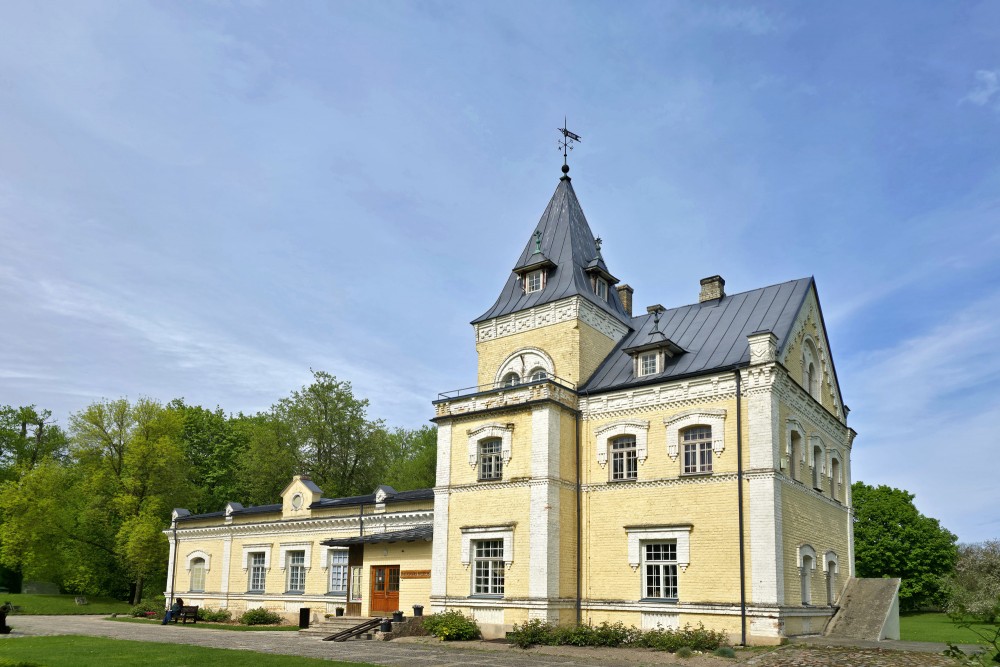
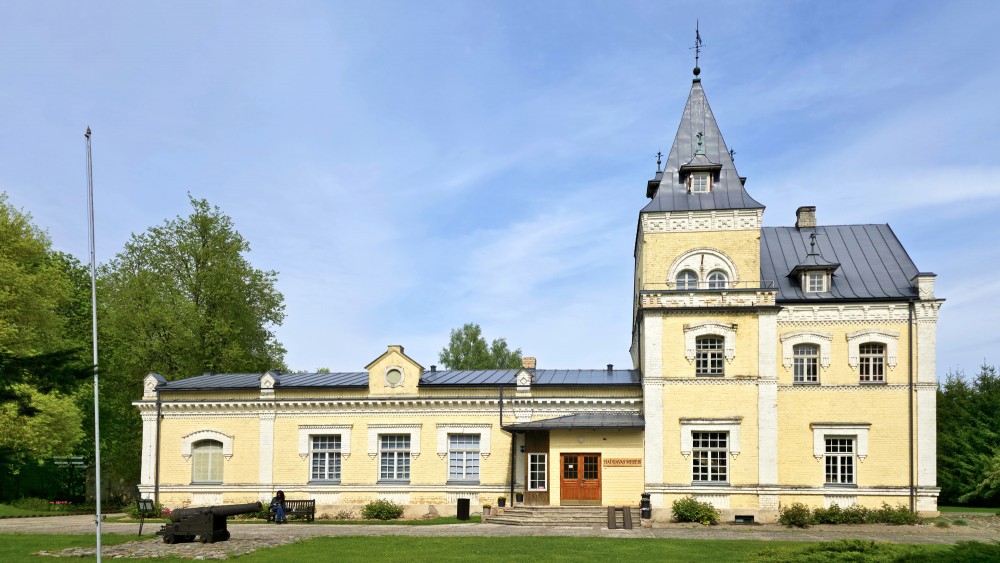
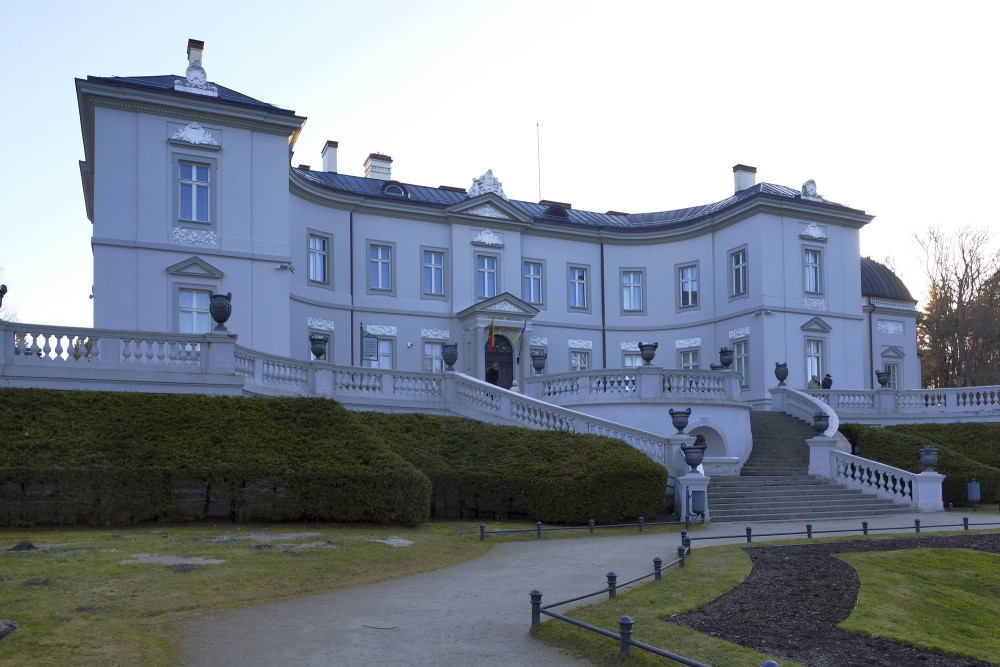
Classicism and Eclecticism: The revival and mixing of historical styles during the 18th and 19th centuries.
-
Modernism and Contemporary Architecture: The 20th century brought a radical shift – rejecting historical ornamentation, prioritizing function ("form follows function"), and utilizing new materials like steel, reinforced concrete, and large glass panes. Today's contemporary architecture focuses on structural freedom, digital fabrication, and sustainability.
Function and Core Principles
The ancient Roman architect Vitruvius defined three core tenets of architecture in his treatise, which remain fundamental today:
-
Durability (Firmitas): A structure must stand robustly and withstand the elements.
-
Utility (Utilitas): A building must be functional and serve its intended purpose efficiently.
-
Beauty (Venustas): A structure should be aesthetically pleasing and evoke positive emotions.
In the modern era, architecture extends beyond individual buildings. It encompasses urban planning, landscape architecture, and interior design, addressing contemporary global challenges such as energy efficiency and inclusive design.
Continue reading