Rīva River
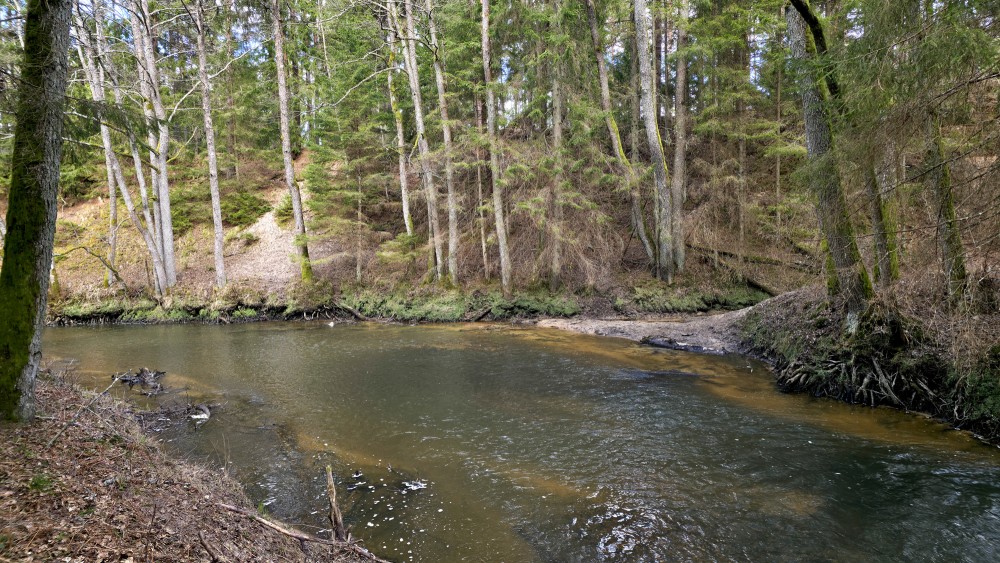
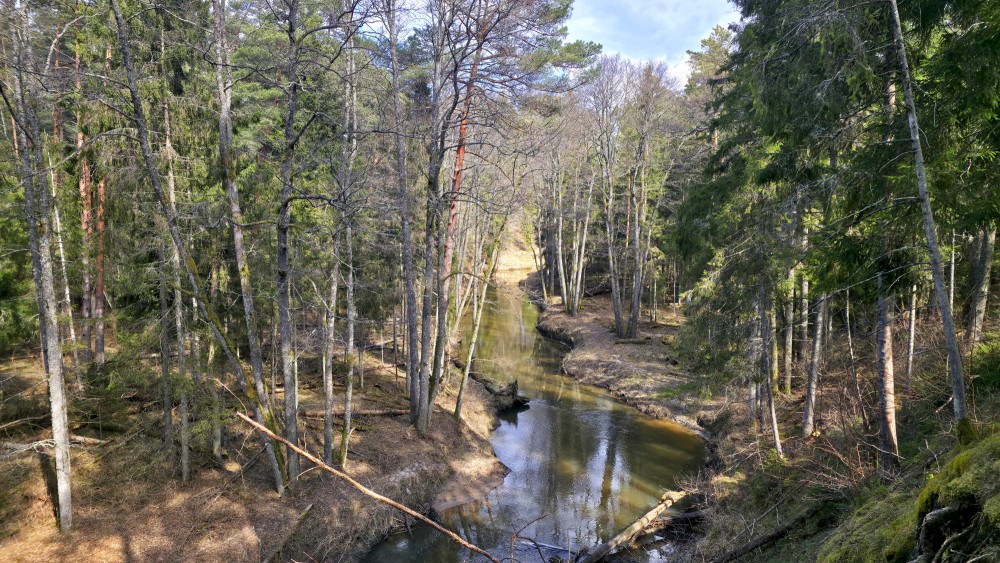
The Rīva River is a watercourse in western Latvia, flowing through the South Kurzeme and Kuldīga municipalities. It is distinguished by its natural, largely unaltered riverbed and a scenic ancient valley in its lower reaches, where the river meets the Baltic Sea.
Geographical and Hydrological Features
-
Source and Mouth: The Rīva originates from Lake Vilgāle (Kurmāle parish) and, after a course of approximately 53 kilometers, empties into the Baltic Sea near Labrags.
-
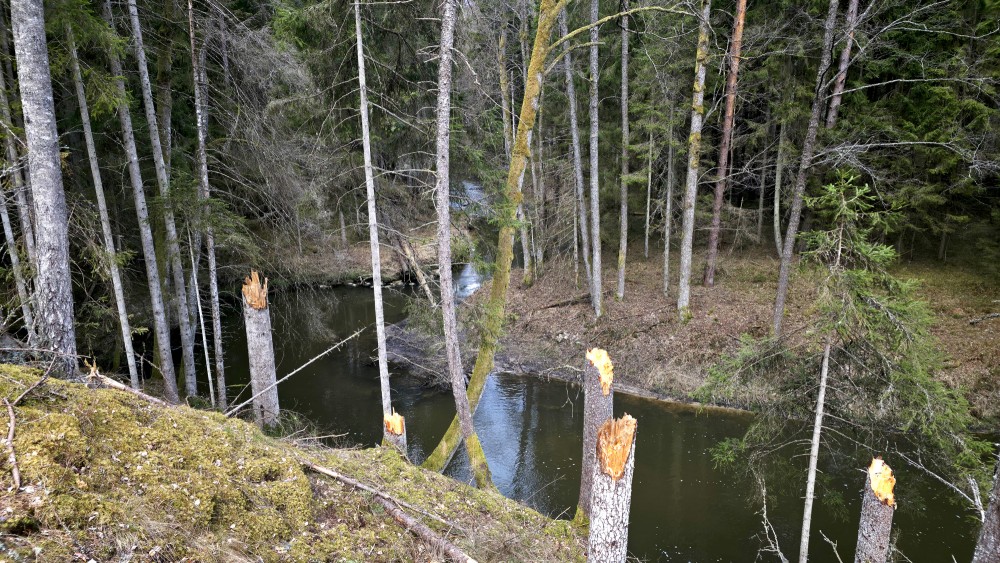
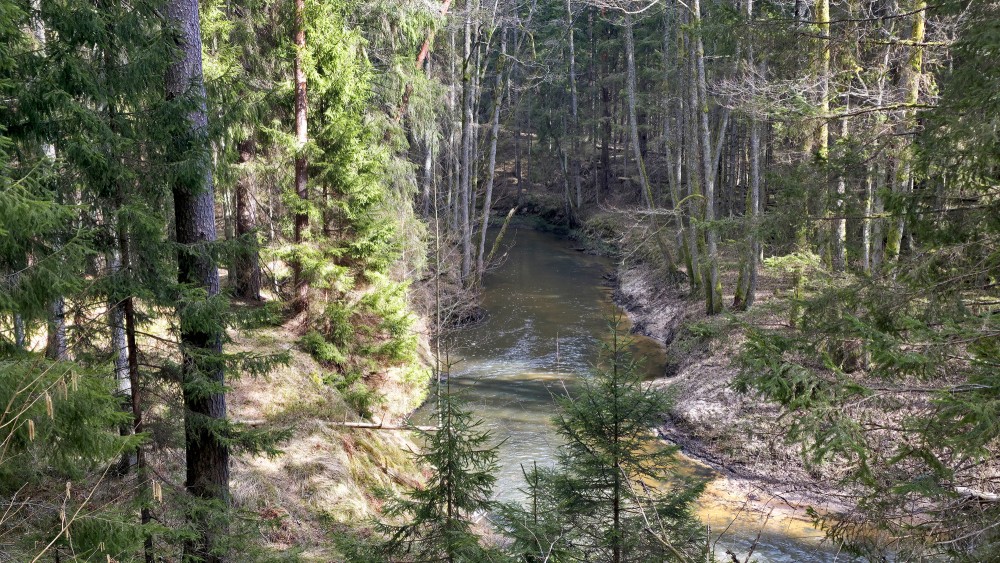
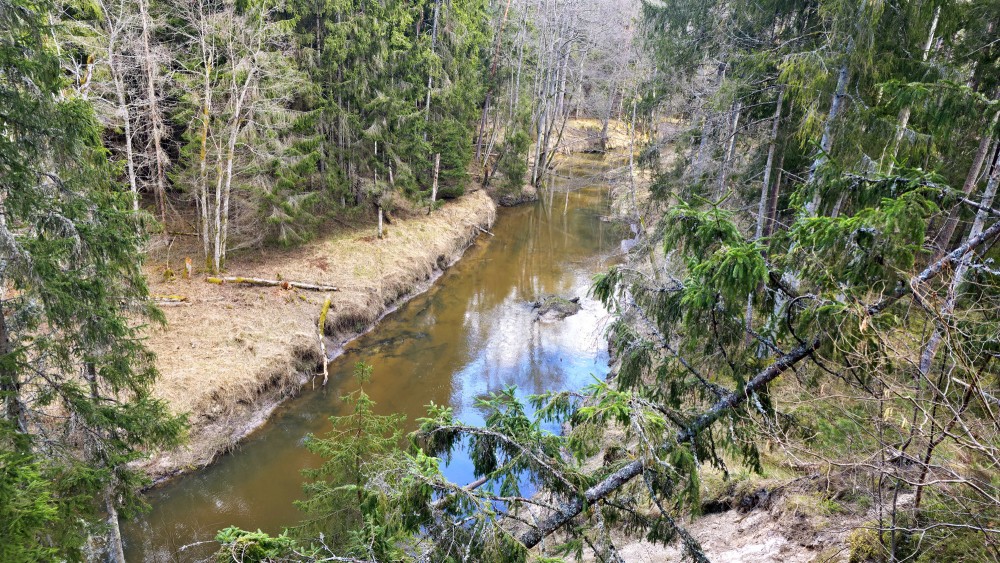
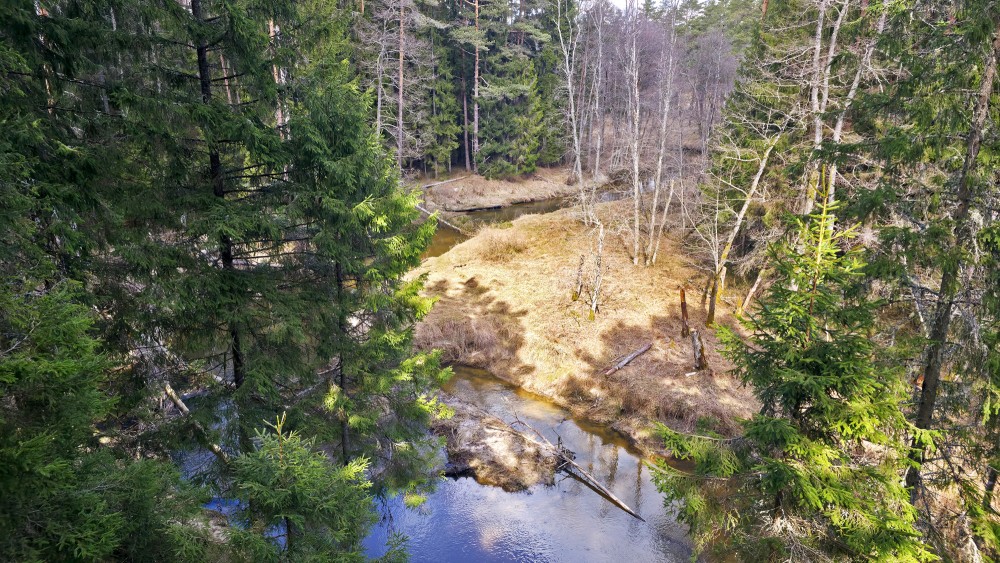
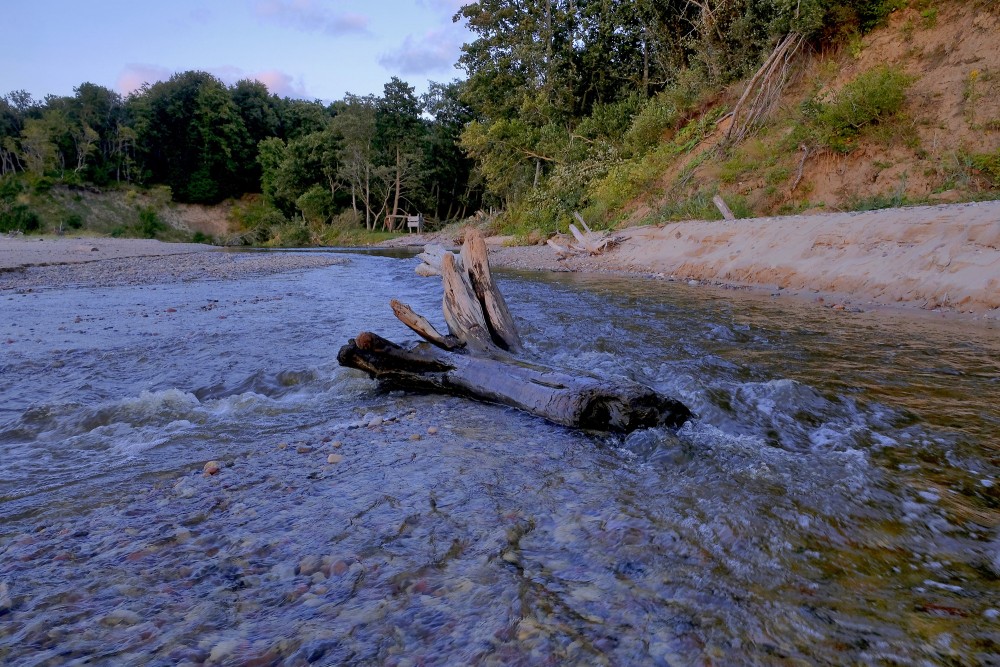
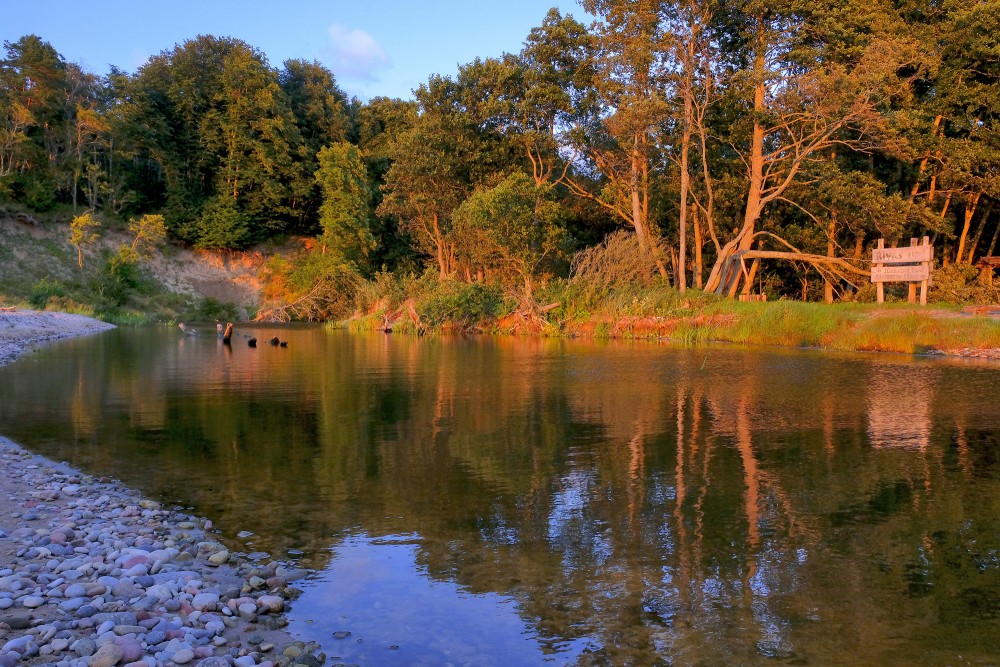
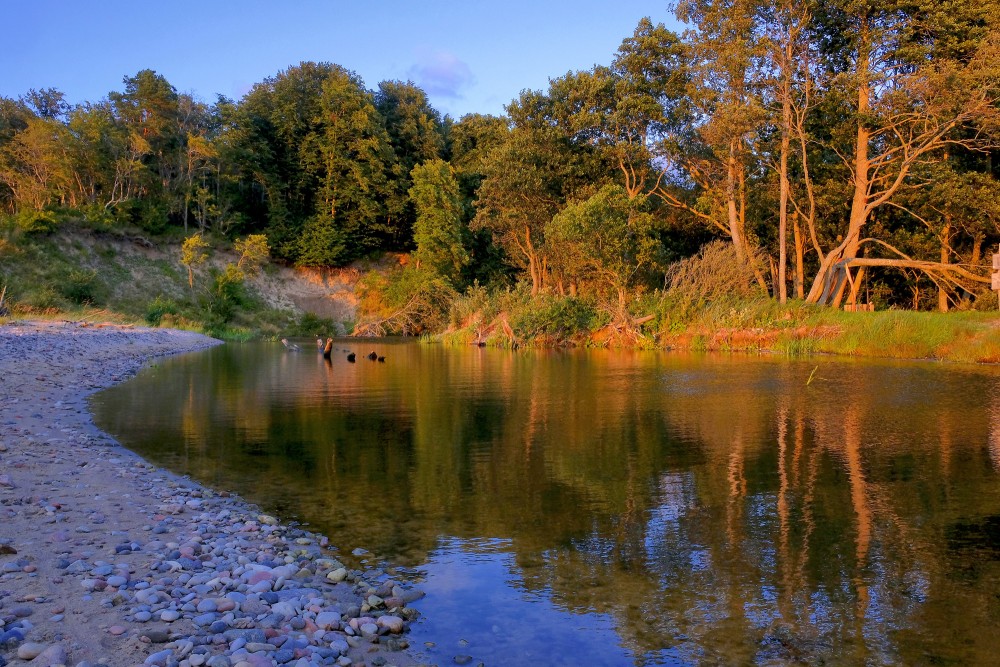
Riverbed and Flow: The upper and middle reaches of the river are relatively calm, meandering through vast forests and marshy areas. However, in its lower reaches—just before reaching the sea—the character of the Rīva changes dramatically. Here, the river forms sharp bends within a deep, canyon-like ravine with steep banks rising up to 12 meters.
-
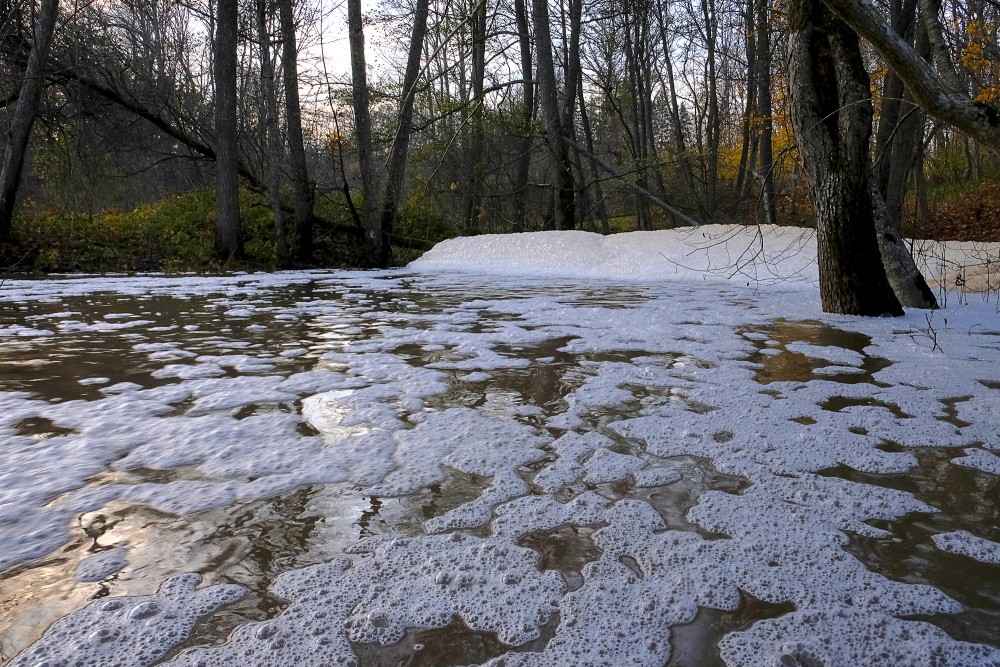
Water Regime: The Rīva is a highly dynamic river. During dry summer spells, it can become shallow and easily fordable, whereas spring floods and heavy autumn rains cause the water levels to rise rapidly, creating a swift and powerful current.
Ecological Importance and Natural Value
The ancient valley of the lower Rīva River is a protected nature territory and is part of the Natura 2000 network of European protected areas.
-
Water Quality: The river water remains relatively clean and cool, constantly fed by numerous natural springs and shaded by dense forest cover.
-
Habitats and Fauna: The unique geomorphology provides habitats for several rare species. The river serves as a significant spawning ground for salmonid fish. Its banks are home to protected bird species, such as the common kingfisher and the black stork, as well as the freshwater pearl mussel.
Economic History and Contemporary Use
Historically, the river's current was harnessed for industrial purposes—watermills and a wool-carding workshop once operated near Labrags, leaving behind ruins and remnants of historical dams.
Today, the Rīva is a popular destination for active recreation:
-
Water Tourism: During the high-water periods of spring and autumn, the river is a favorite route for kayakers and canoeists. The lower section, filled with fallen trees and sharp bends, demands solid boat-handling skills.
-
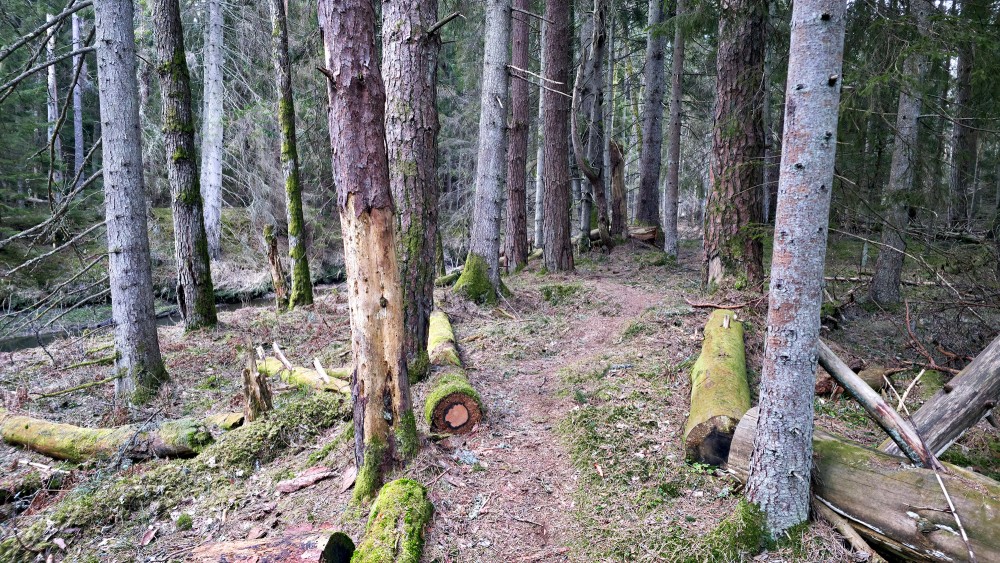
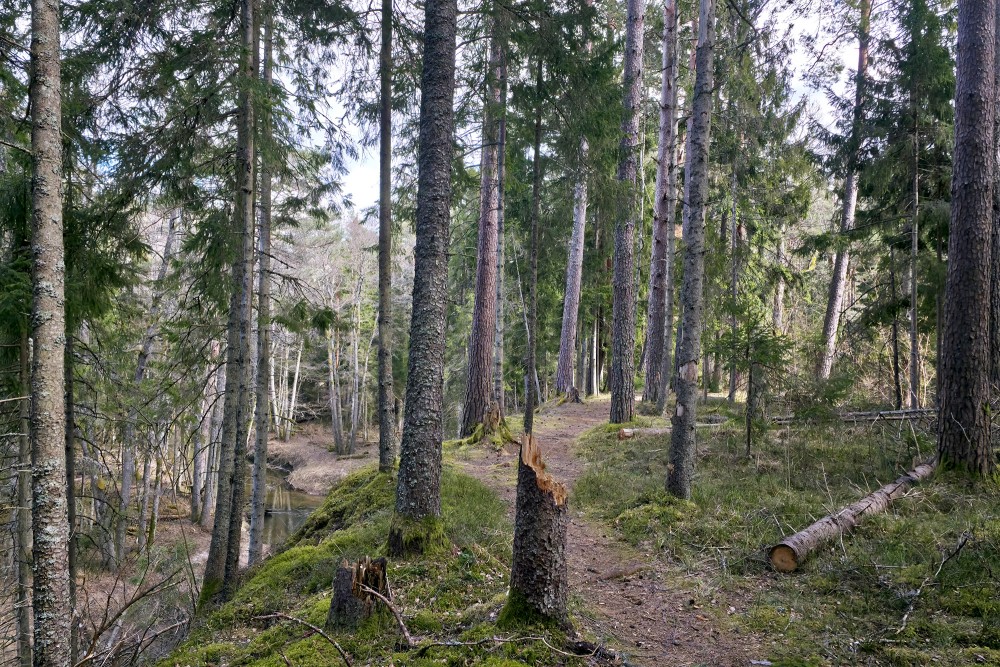
Hiking: The "Rīvas loki" nature trail winds along the steep banks of the lower section, attracting numerous hikers throughout the year.