Talsi town, Latvia
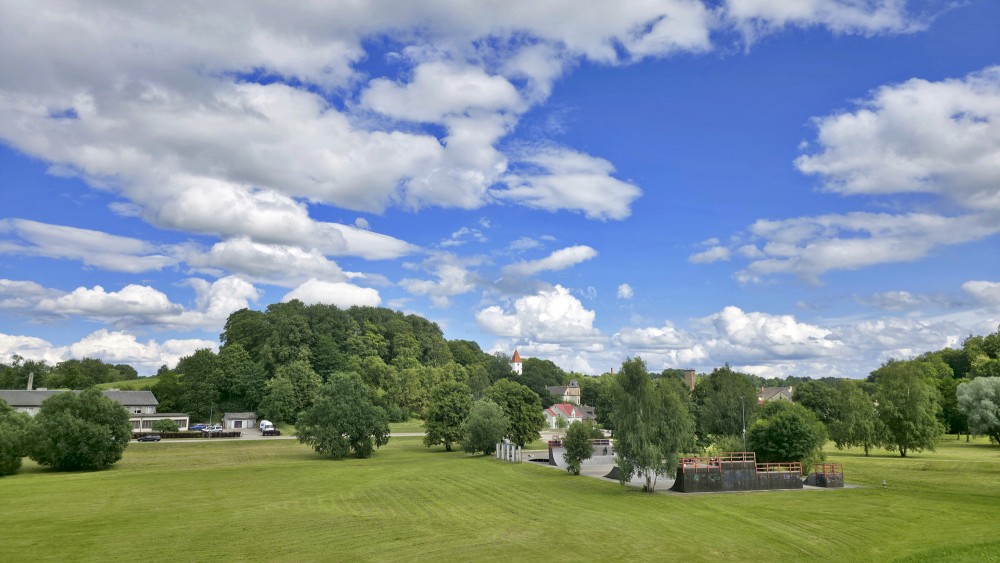
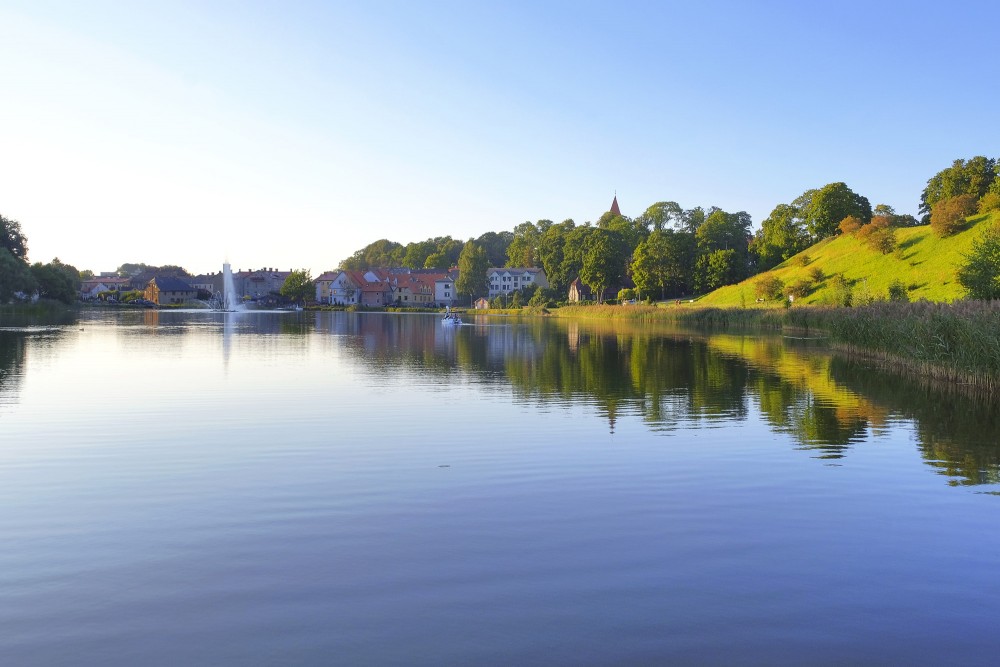
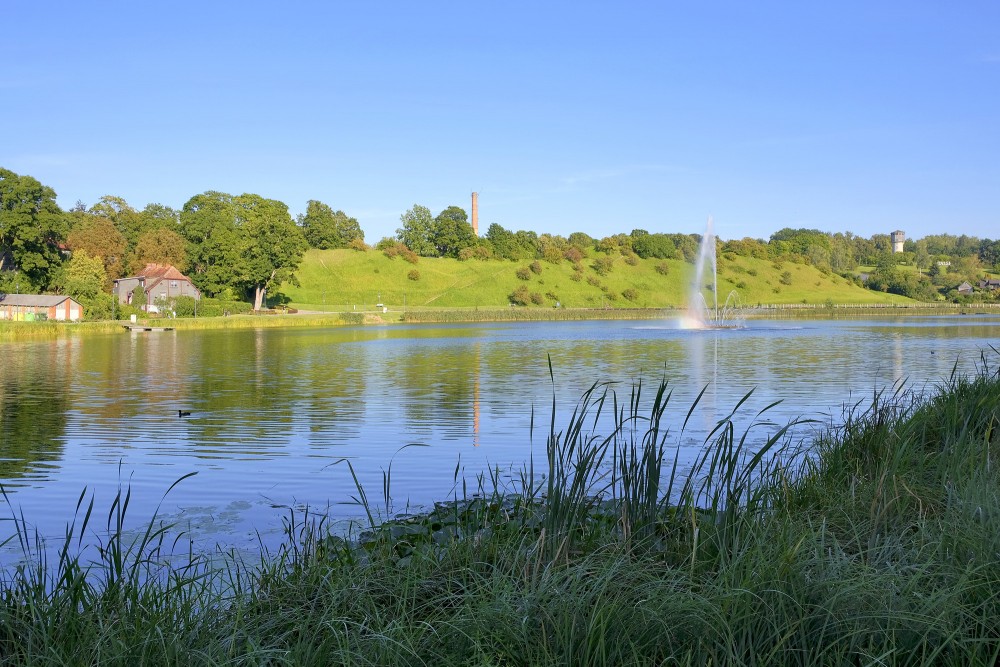
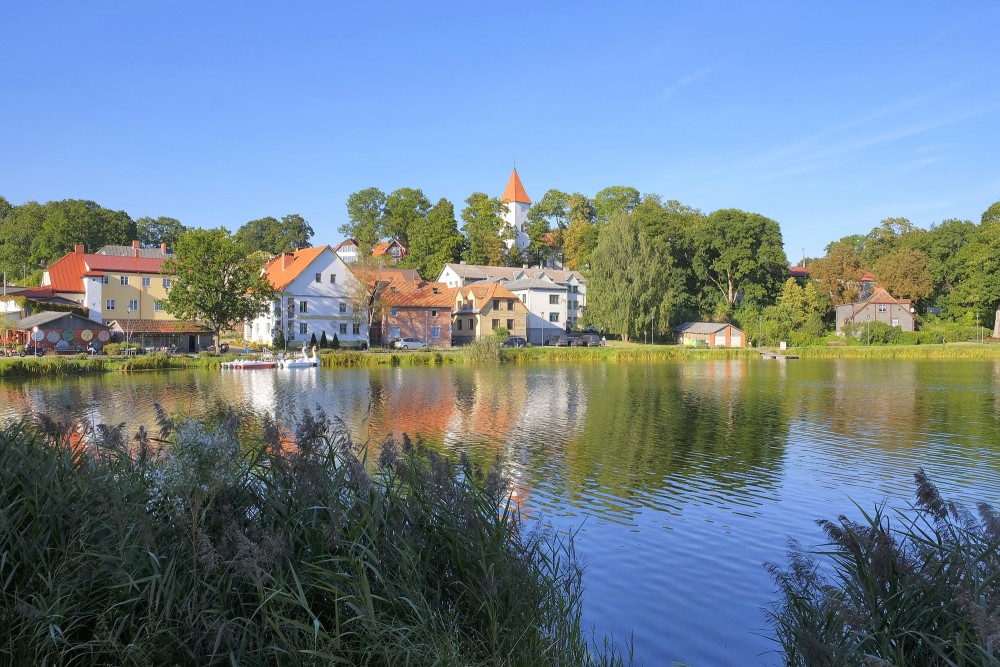
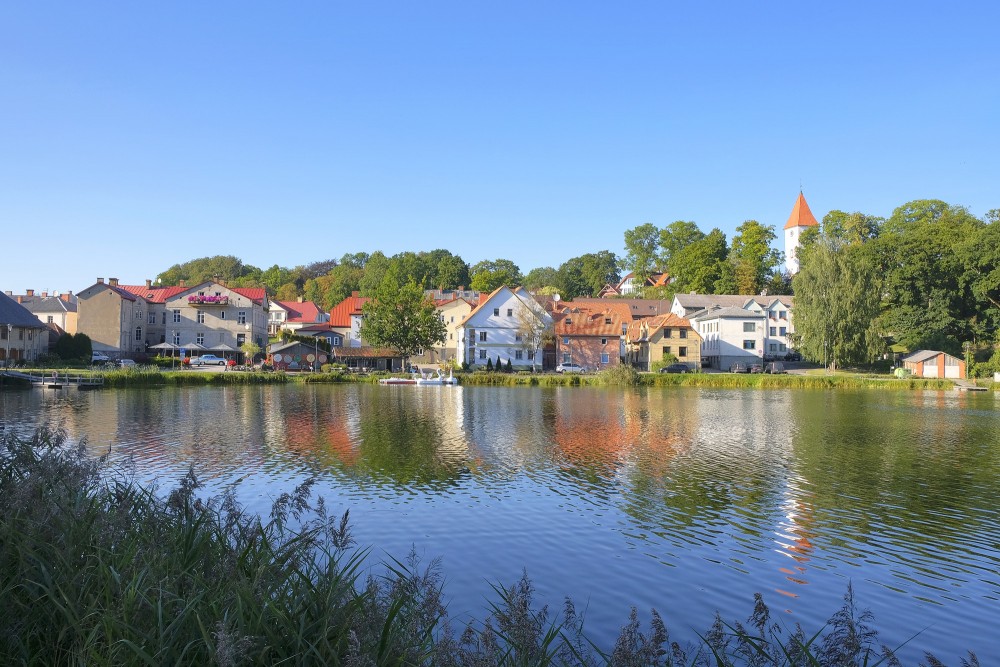
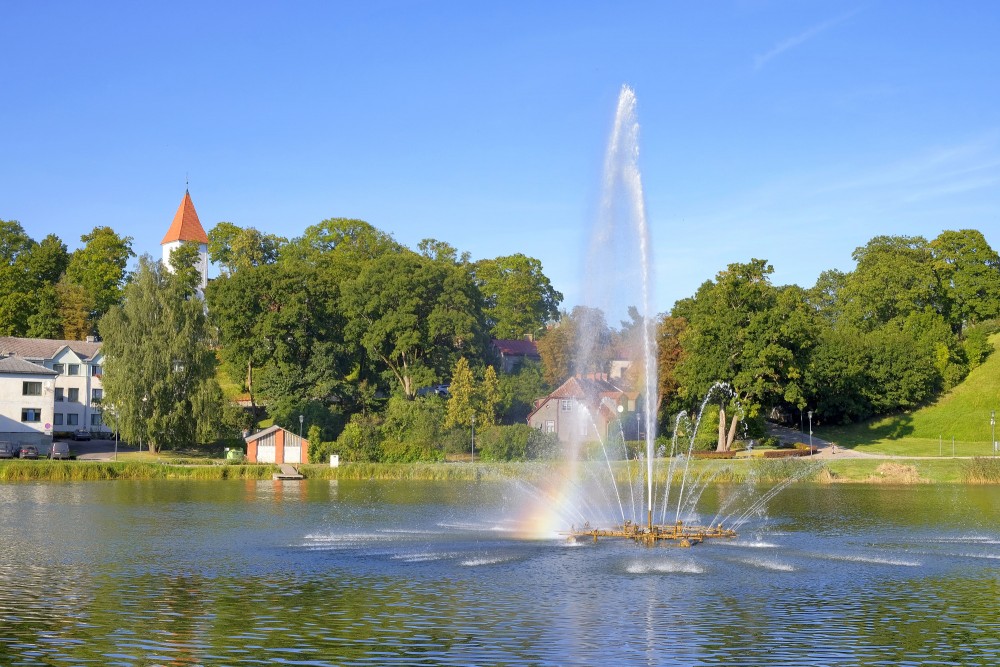
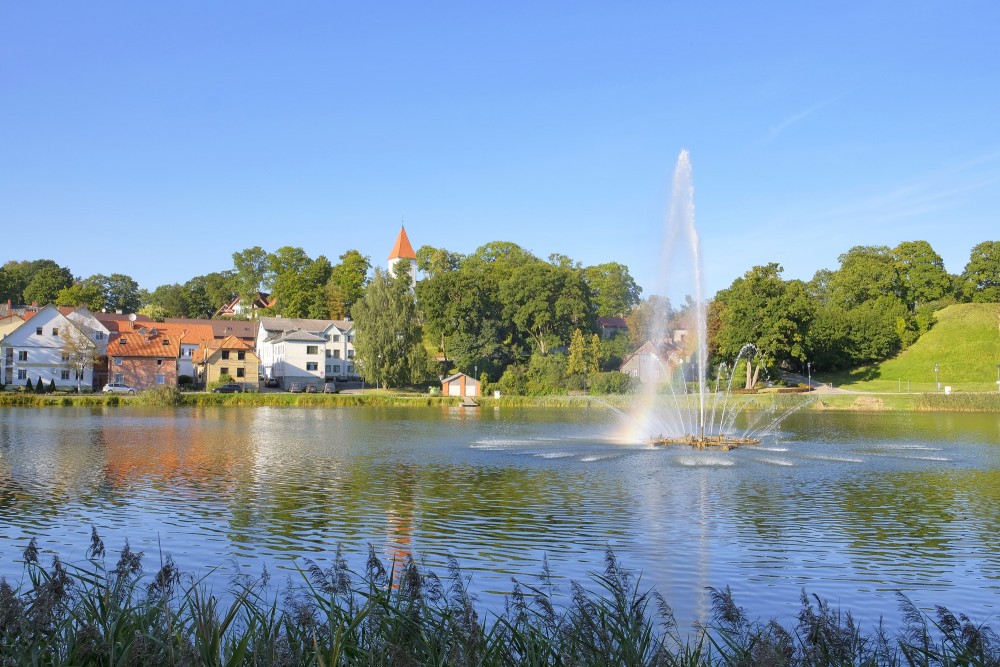
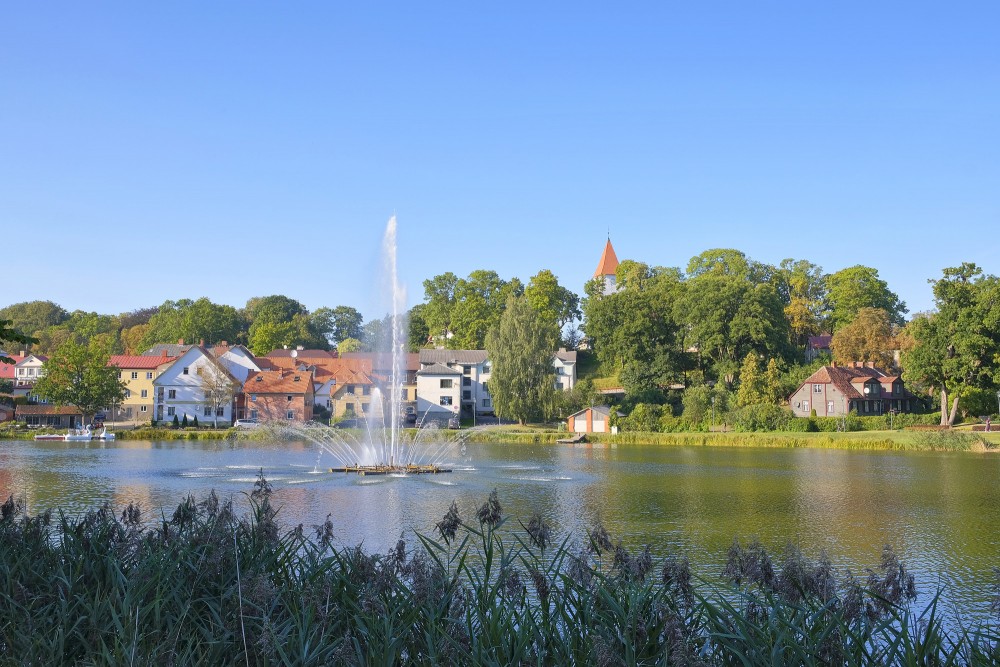
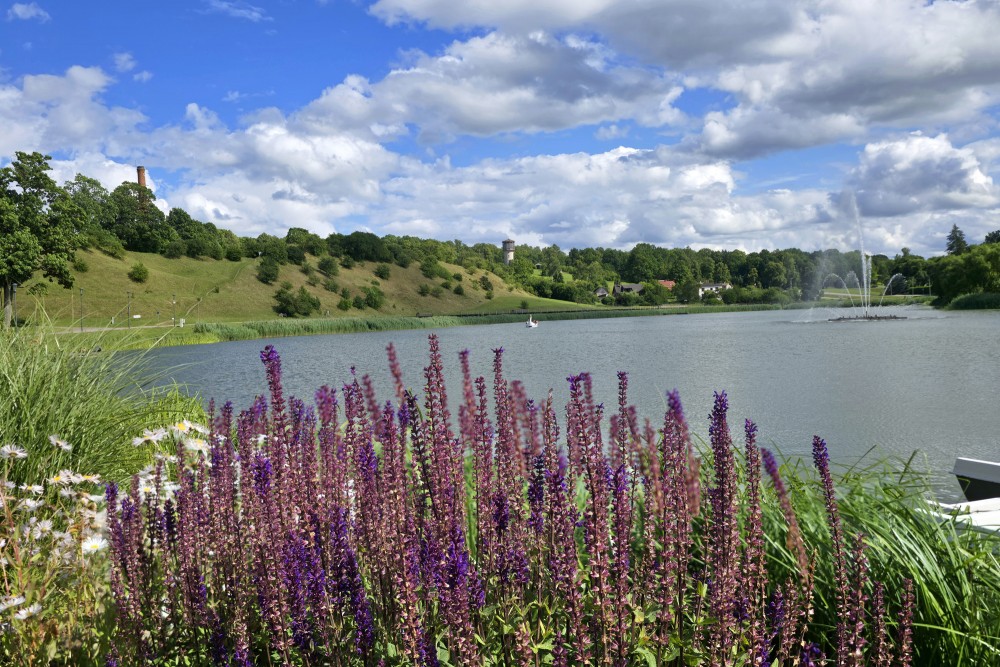
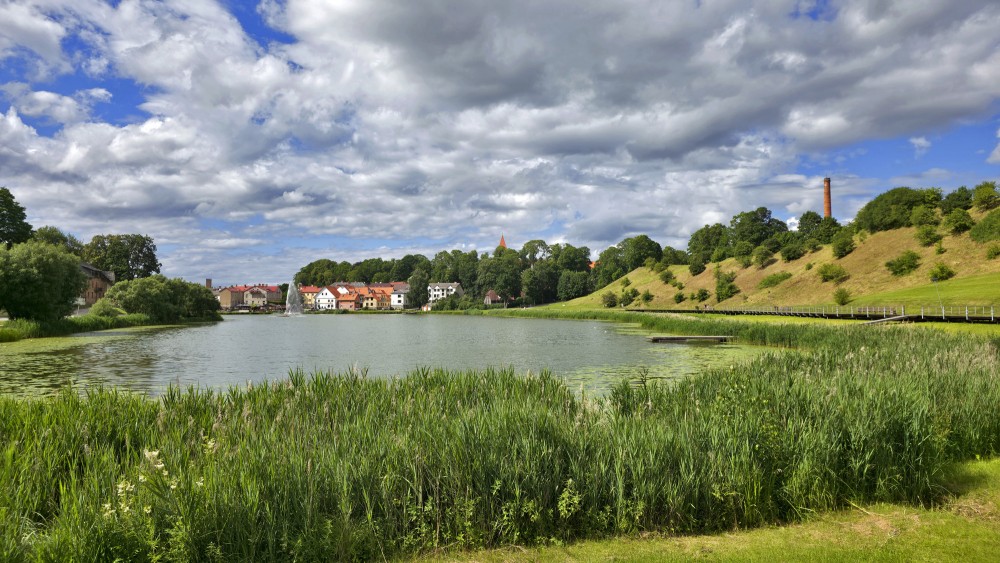
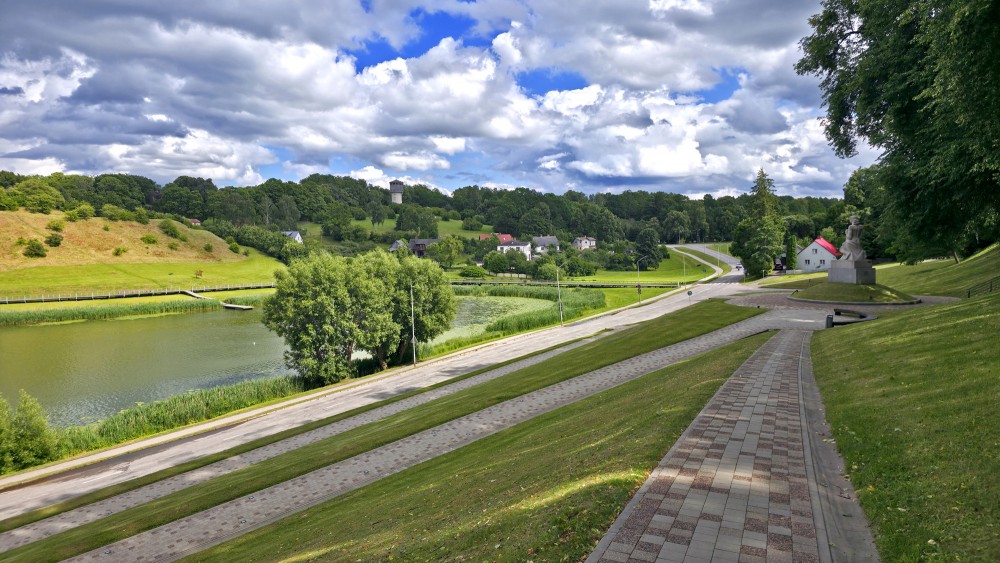
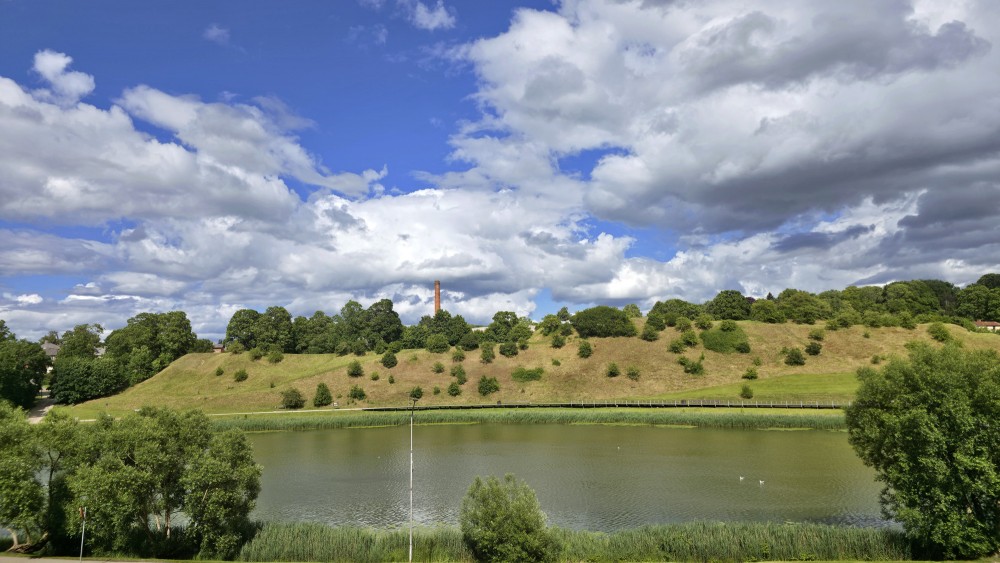
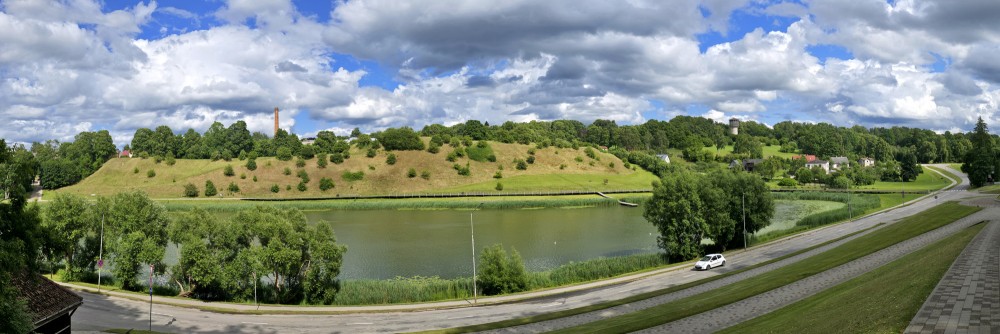
Talsi is a picturesque small town in the Kurzeme region of western Latvia, situated in the North Kurzeme Upland. The town is best known for its nine hills, with Lake Talsi and Lake Vilkmuiža lying between them. Its historic centre, old buildings, hills and lakes create a distinctive landscape that is best explored on foot.
Talsi is the administrative centre of Talsi Municipality. The town covers 7.8 km² and had 9,341 inhabitants at the beginning of 2024.
History
Talsi was first mentioned in written sources in 1231. The history of the settlement goes much further back: Talsi Hillfort was an important ancient Curonian centre, with an extensive settlement around it. Archaeological research has revealed evidence of habitation, crafts and everyday life at the site.
In the Middle Ages, Talsi was also home to a Livonian Order castle on Dzirnavkalns (Mill Hill). The castle existed from the 15th to the 17th century but has not survived as a standing building. Today, Dzirnavkalns remains one of the town's historic hills and an archaeological site.
Talsi has also experienced difficult periods. The town was affected by plague epidemics, suffered a major fire in 1733, and was heavily affected by the 1905 Revolution and the punitive expeditions that followed. Talsi received town rights in 1917.
Architecture and the historic centre
The historic centre of Talsi developed mainly between the 16th and 19th centuries. Its character is defined by small-scale historic buildings, steep hills, narrow streets and historic churches. The historic centre is a protected urban heritage site.
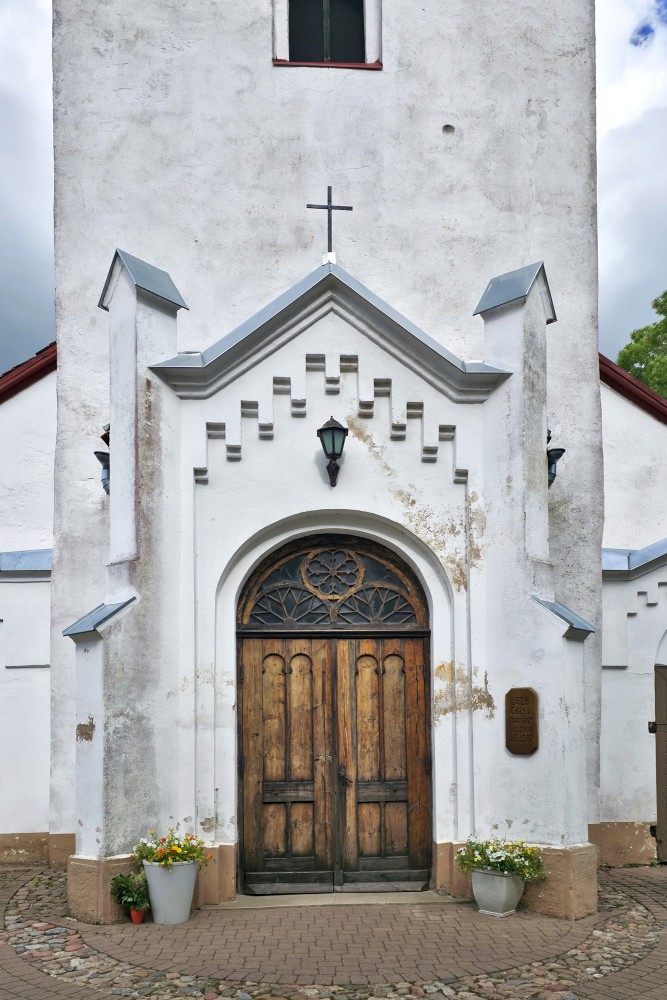
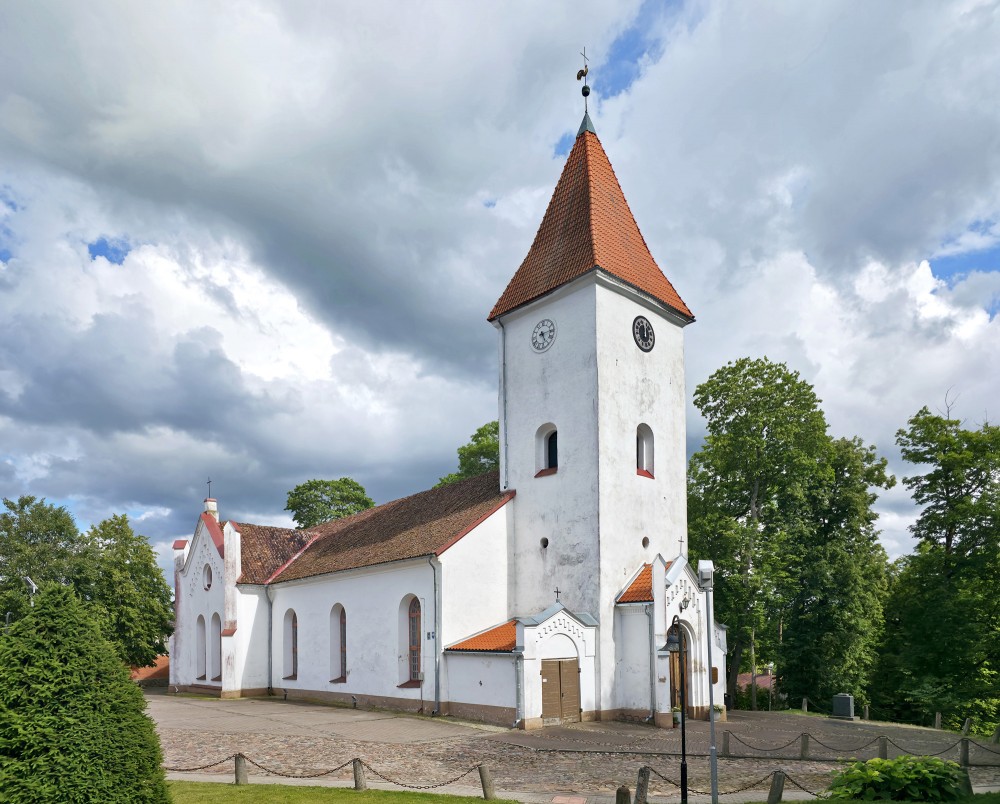
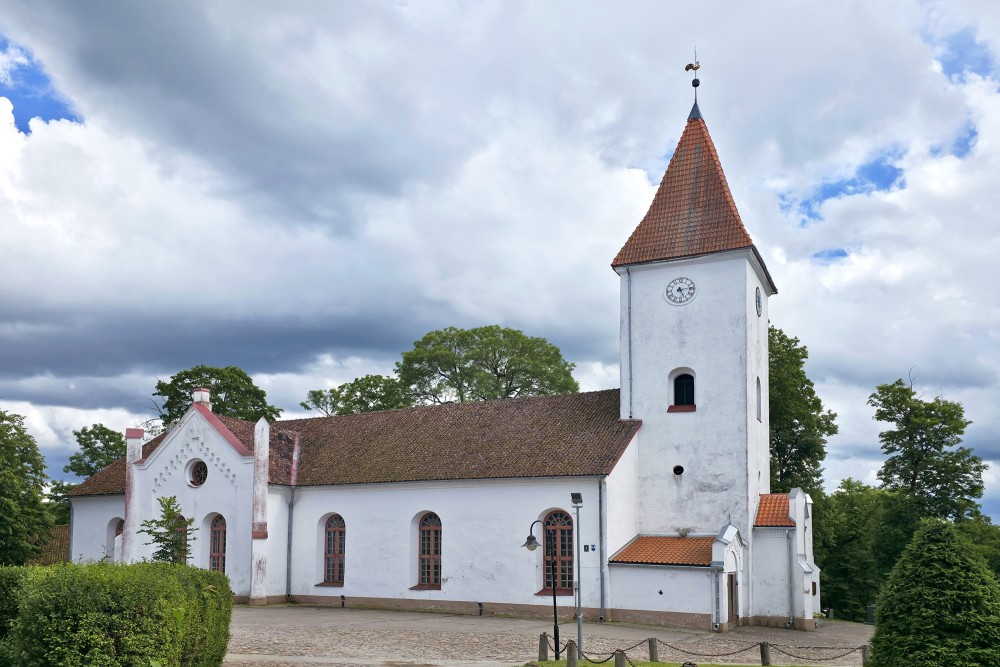
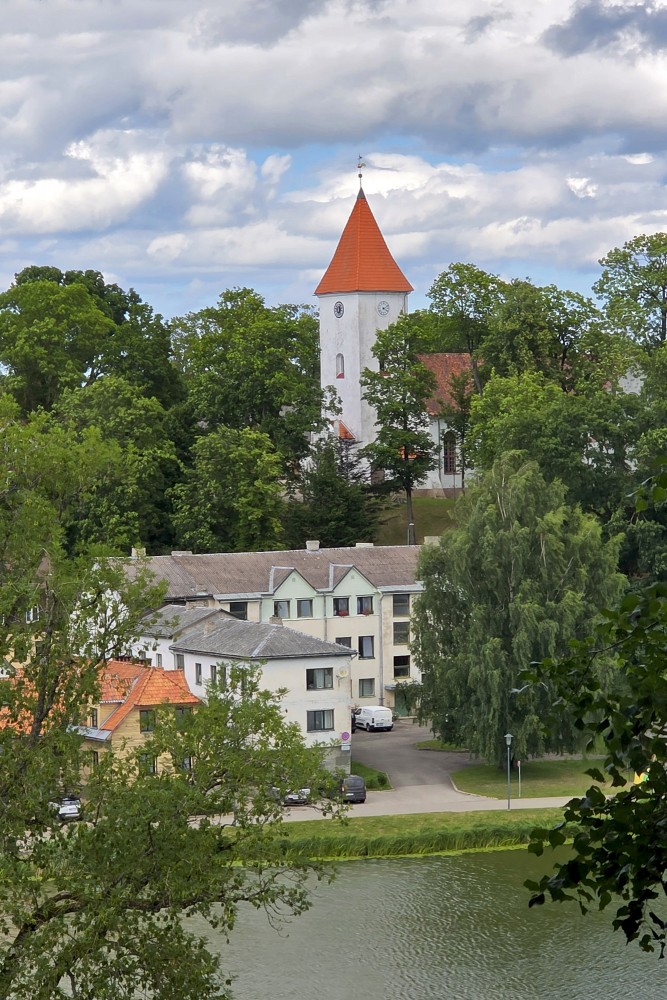
One of the town's most important buildings is Talsi Evangelical Lutheran Church on Church Hill. Built in 1567, it is the oldest surviving masonry building in Talsi. The church has been rebuilt several times and combines Romanesque and Gothic features. Its interior contains several historic and artistic treasures, including an 18th-century epitaph and a 19th-century altarpiece.
Talsi Regional Museum is located on Tiguļu Hill in Villa Hochheim, a historic house built in the late 19th century in the Neoclassical style for the von Fircks family. The building was completed in 1892.
Another notable architectural monument is the Kupfer family vault, built in 1806 and designed in the Neoclassical tradition.
Hills, parks and walking areas
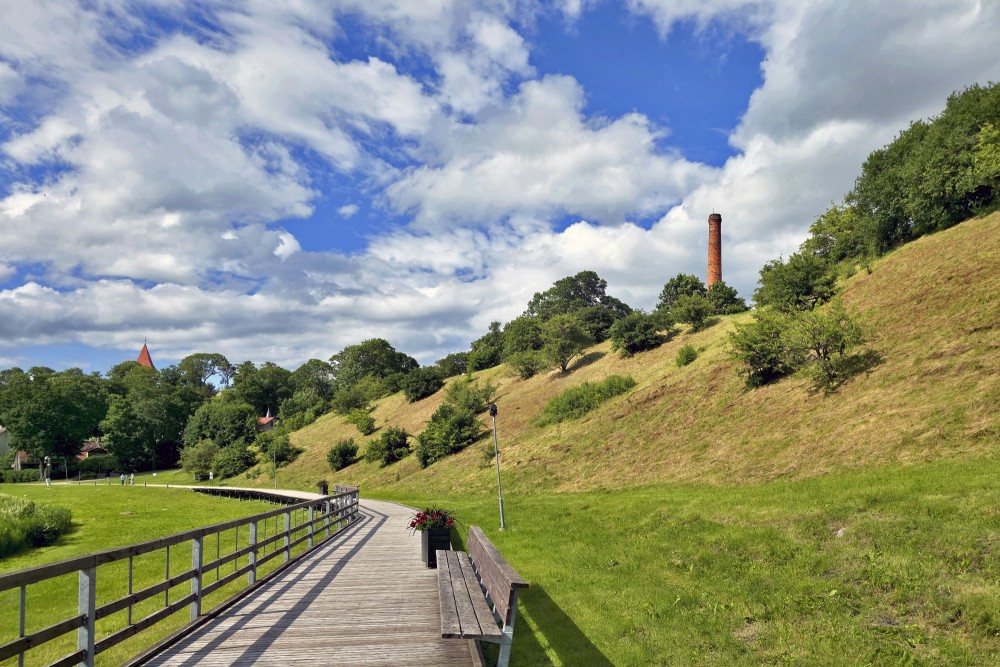
Talsi is known as the town of nine hills: Pilskalns, Ķēniņkalns, Leču Hill, Dzirnavkalns, Krievragkalns, Baznīckalns, Tiguļu Hill, Sauleskalns and Vilkmuižas Hill. Their varied terrain gives the town its distinctive appearance and creates viewpoints over the lakes and historic centre.
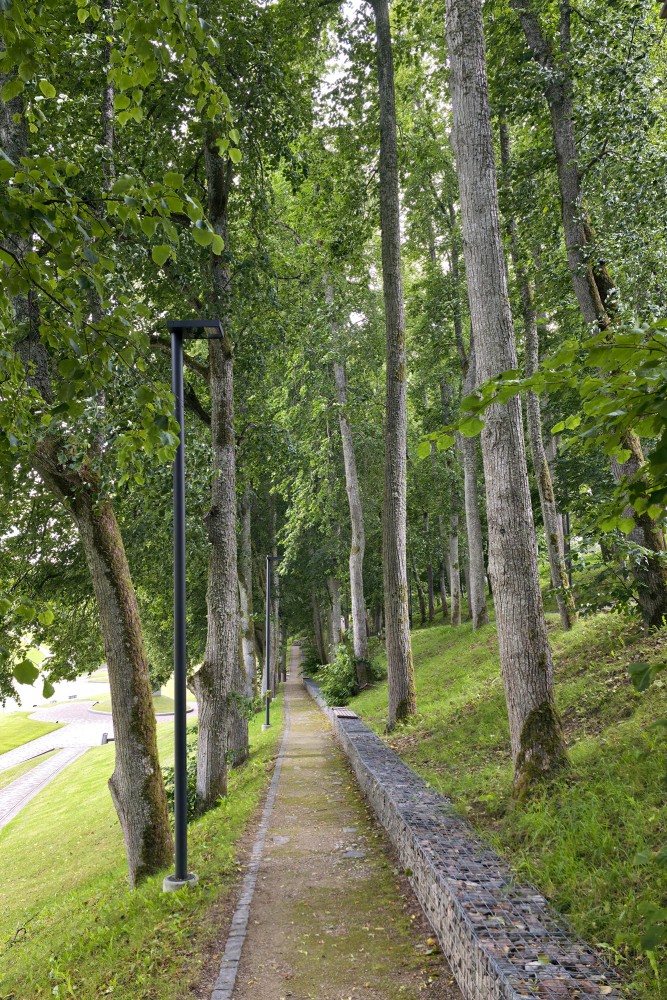
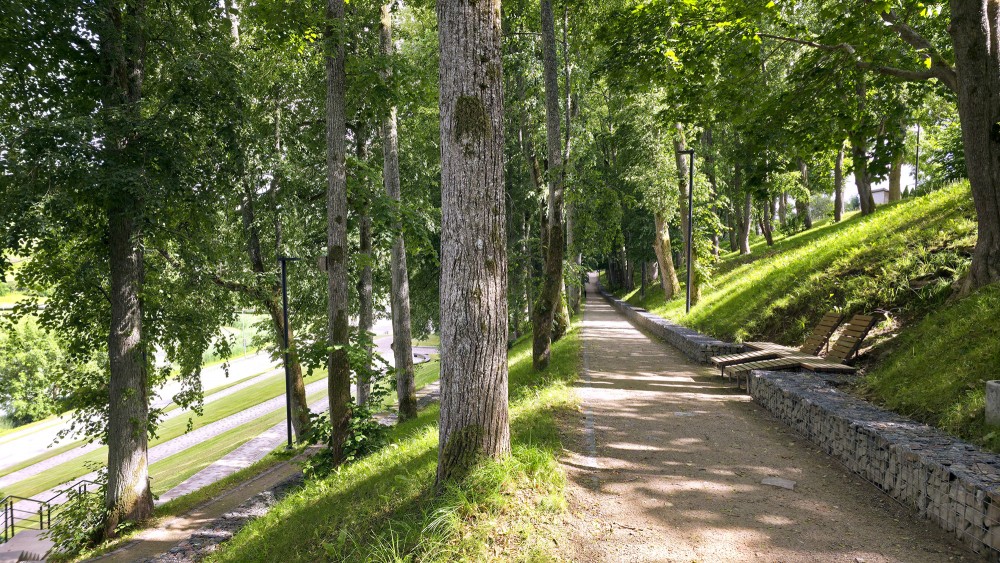
Tiguļu Hill is a particularly pleasant area for a walk. The grounds around Talsi Regional Museum include a historic dendrological park with more than 300 species of woody plants.
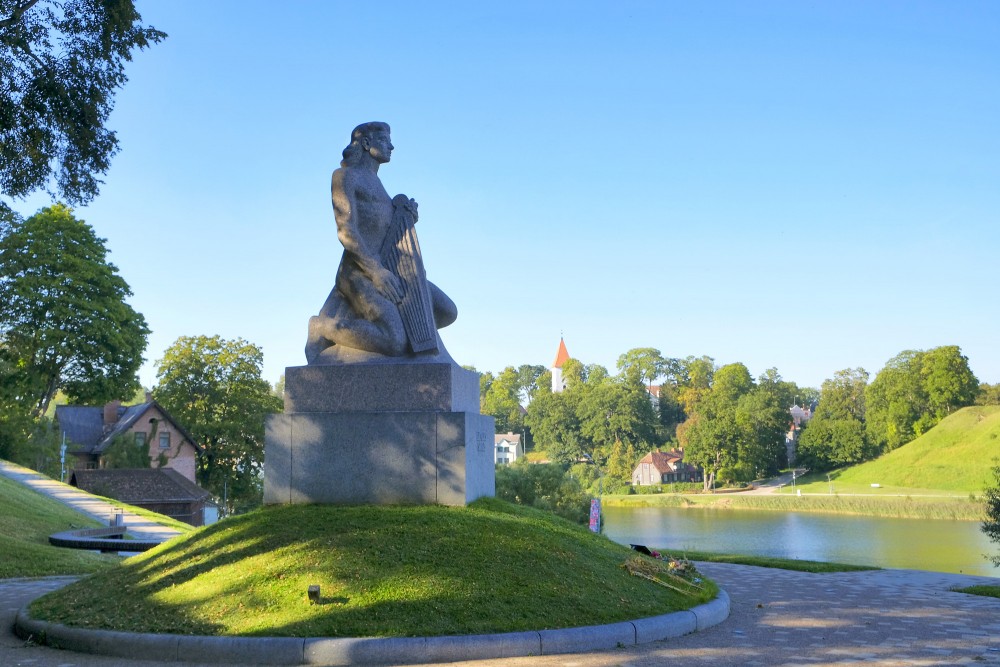
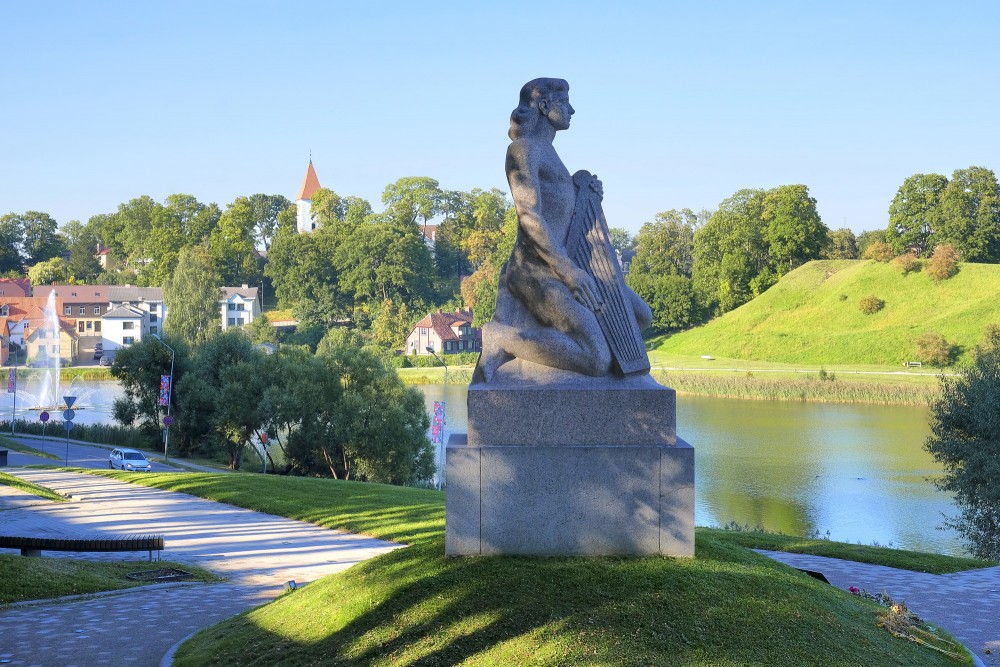
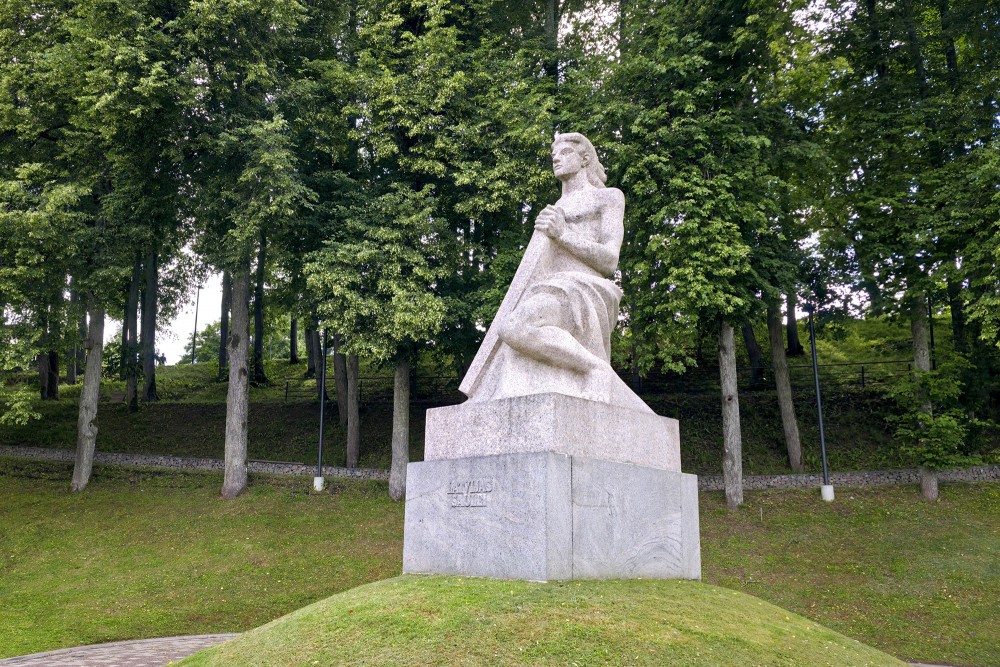
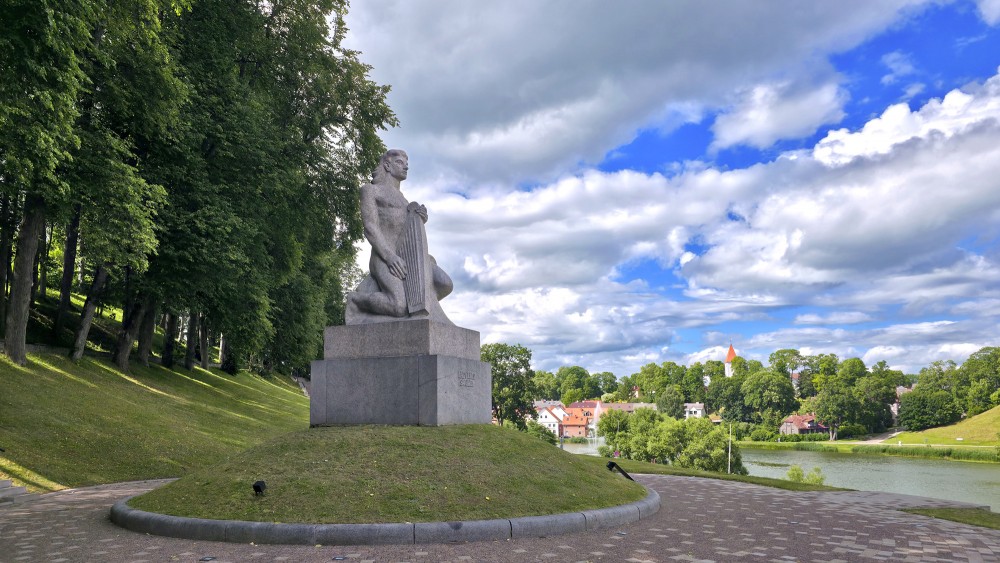
Ķēniņkalns is another important scenic spot. The monument “Koklētājs” stands at the foot of the hill, while the surrounding area offers views across the town.
Lakes and the promenade
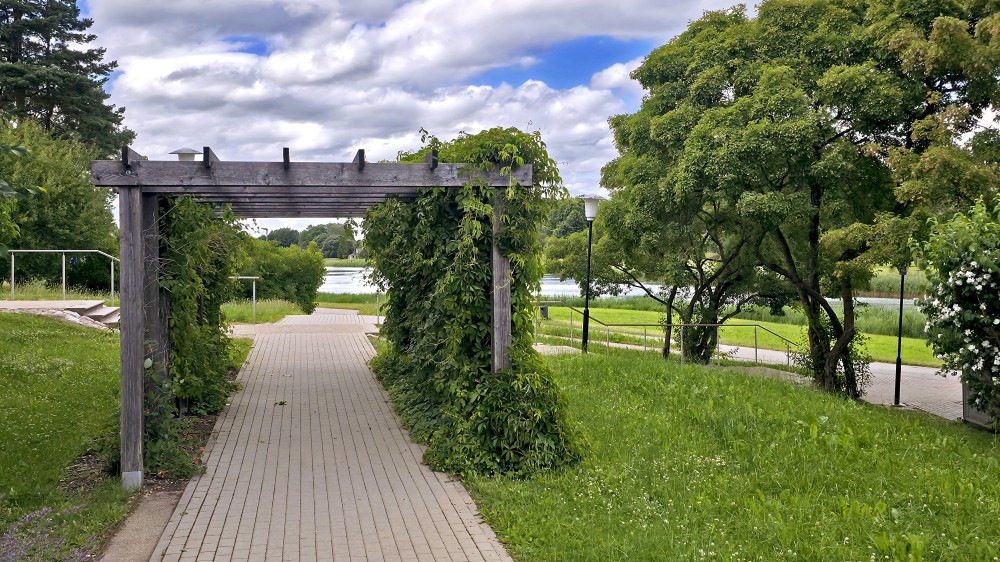
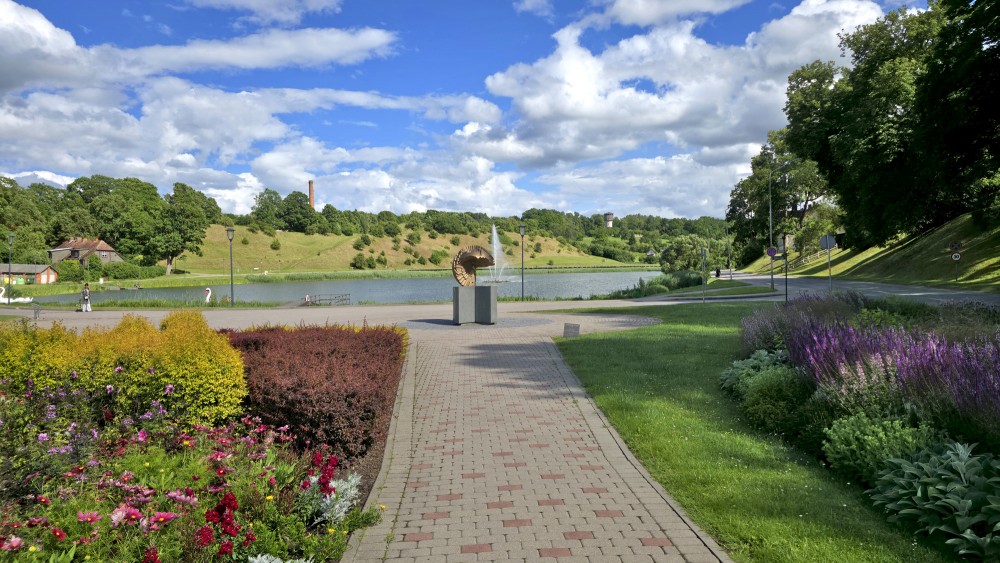
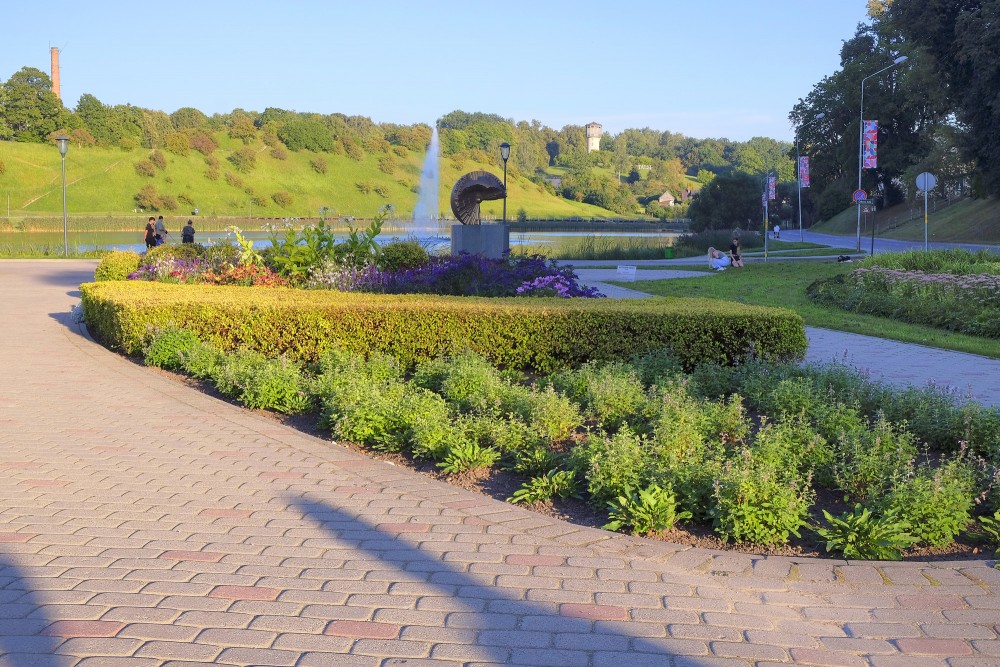
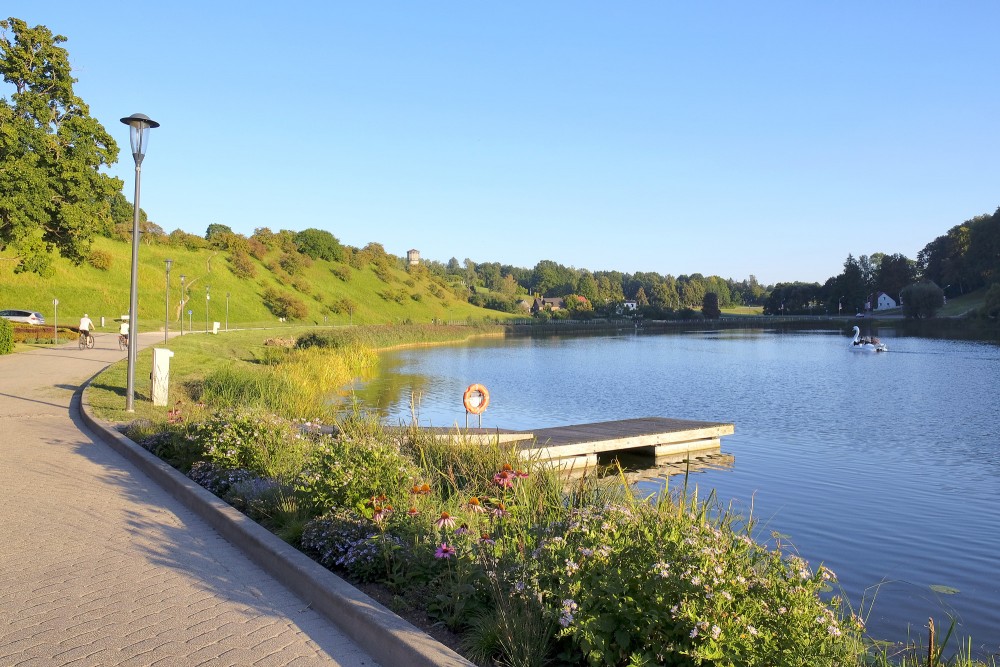
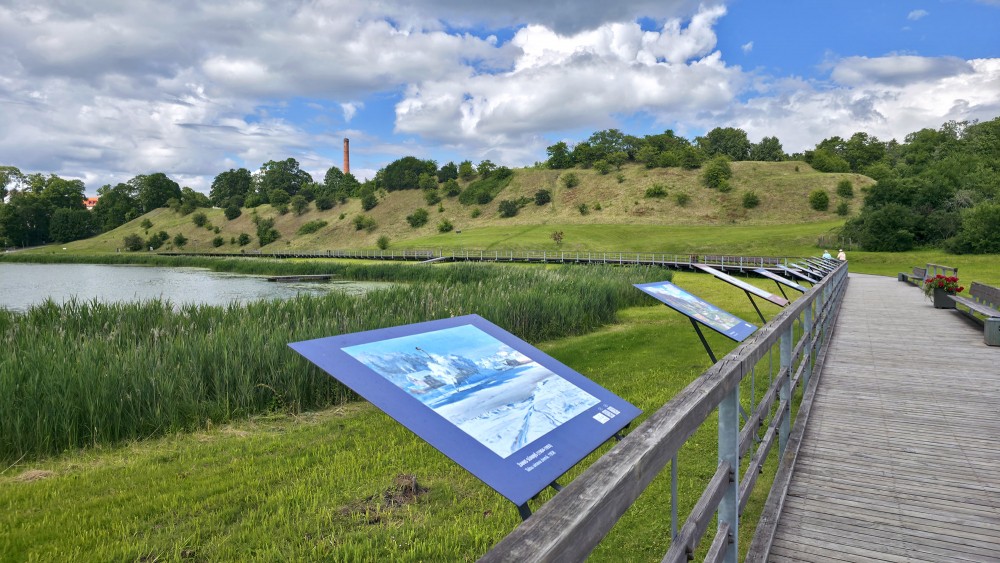
Lake Talsi lies in the historic part of the town. A wooden walkway, known as Talsi Lake Promenade, follows the lakeshore and the foot of Talsi Hillfort. It offers views of the historic centre, Church Hill, Talsi Hillfort and Ķēniņkalns.
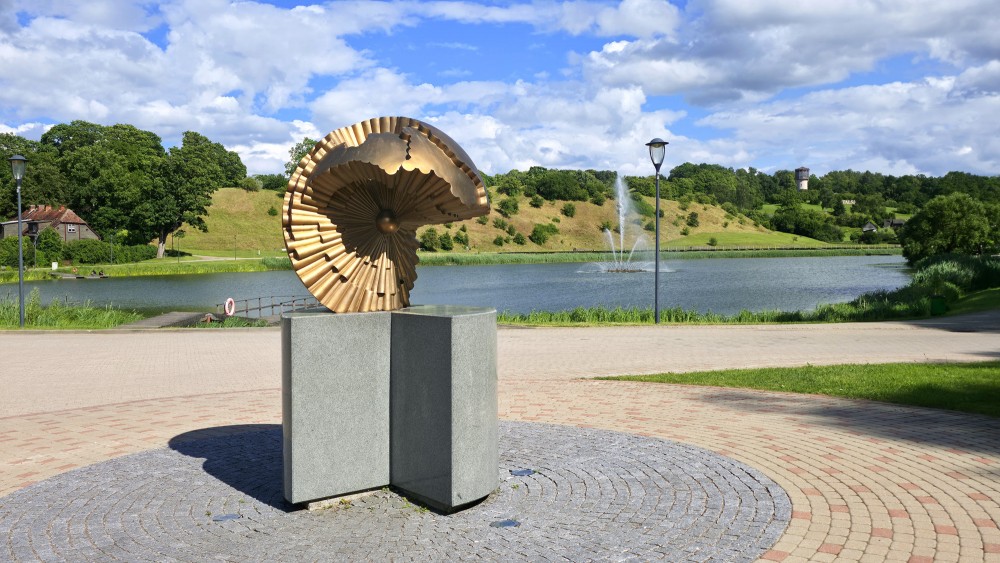
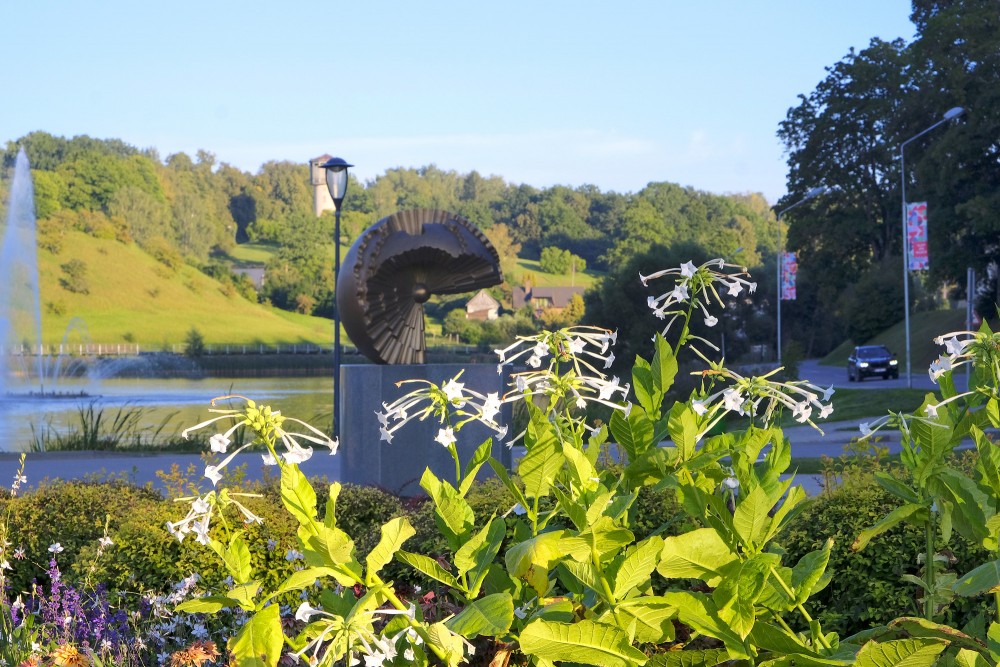
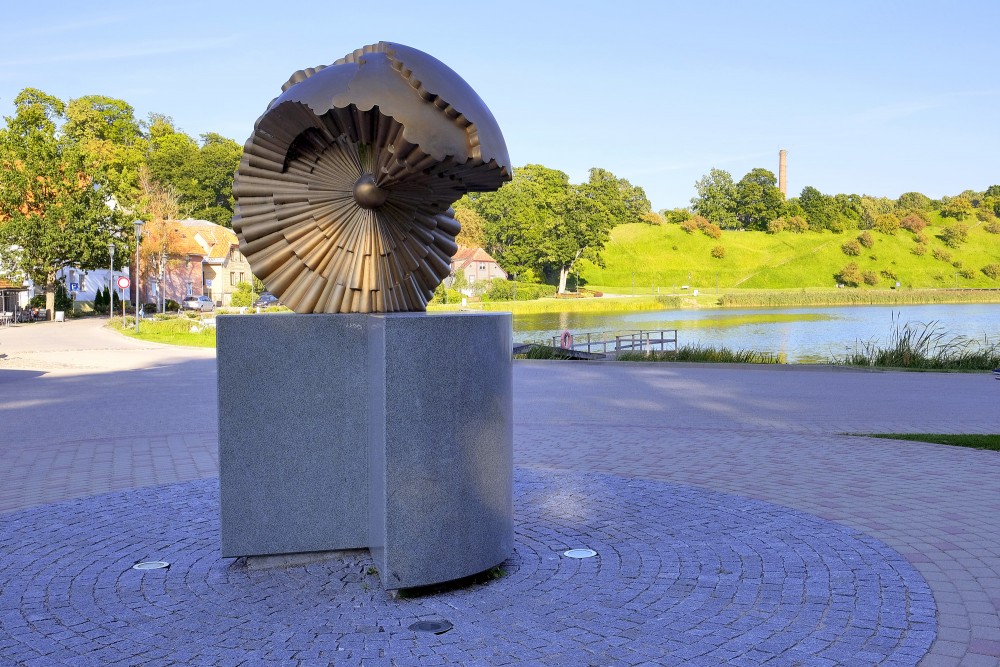
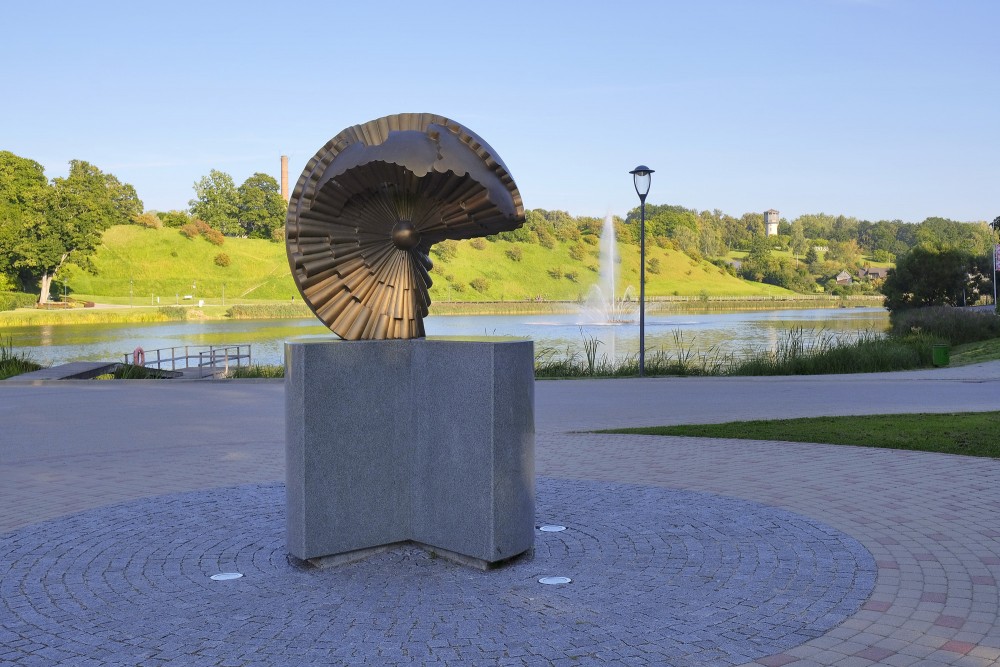
The promenade is also home to the environmental artwork “Sun of Latvia” by sculptor Ojārs Arvīds Feldbergs. The polished bronze sculpture depicts the Sun symbolically holding Latvia on its rays.
Lake Vilkmuiža, near the centre of Talsi, is especially important from an archaeological point of view. Ancient Curonian cremation burial remains were found in the lake, along with more than a thousand artefacts. These include bronze jewellery, weapons, horse equipment and other objects that provide valuable information about Curonian culture at the end of the Iron Age.
Museums
— Talsi Regional Museum — is housed in the historic Villa Hochheim on Tiguļu Hill. Its exhibitions explore the history, nature and culture of the Talsi region, with a particular focus on Curonian archaeology and local ethnography. The museum also hosts art exhibitions.
Talsi is also home to , the Latvian Agriculture Museum, which presents the history of agriculture, machinery and rural life in Latvia.
Monuments, sculptures and public art
One of the best-known symbols of Talsi is the “Koklētājs” monument at the foot of Ķēniņkalns. It is dedicated to Latvian freedom fighters. The original concept was created by sculptor Kārlis Zemdega, while the stone monument was completed by sculptor Vilnis Titāns. It was unveiled on 16 November 1996.
A monument commemorating participants in the 1905–1907 Revolution stands on Leču Hill. Nearby is part of the trunk of the historic “Punishment Pine”, a memorial to the events of 1906 in Talsi.
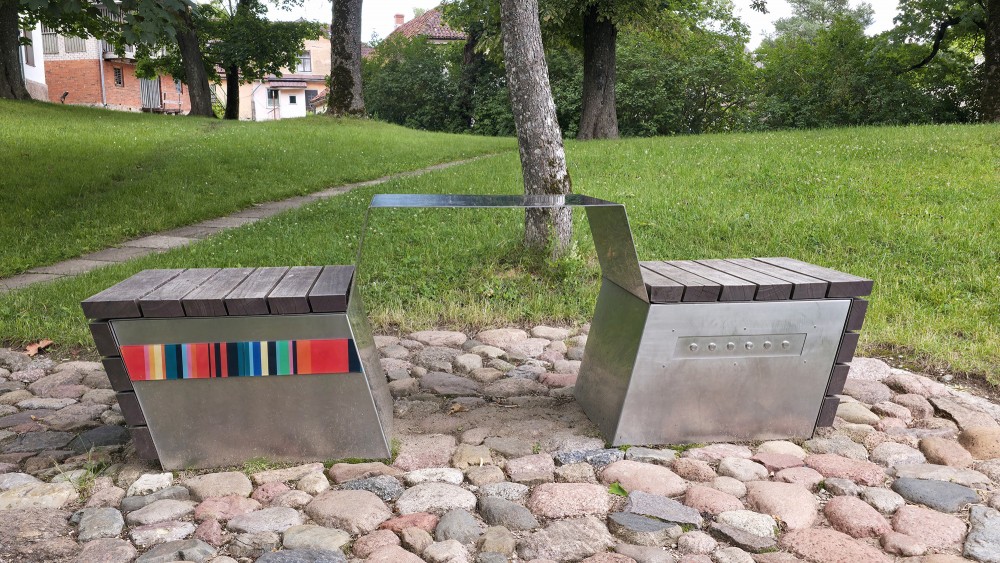
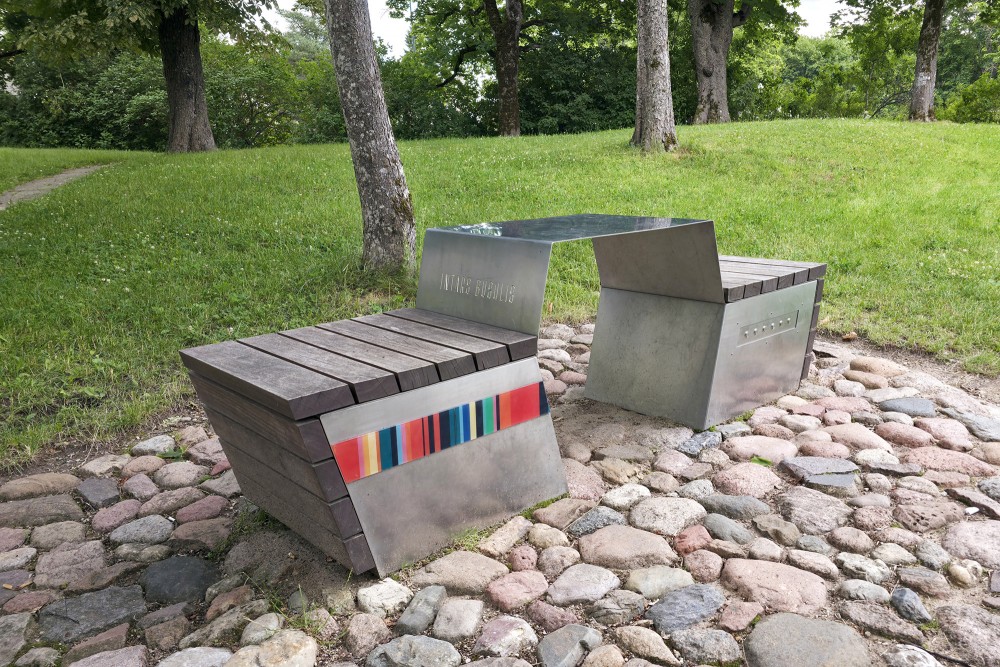
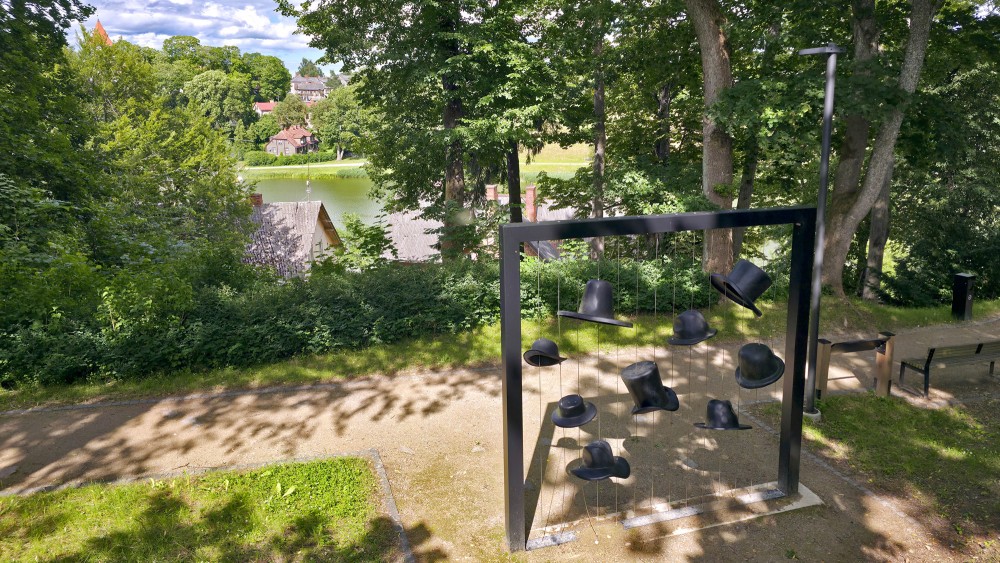
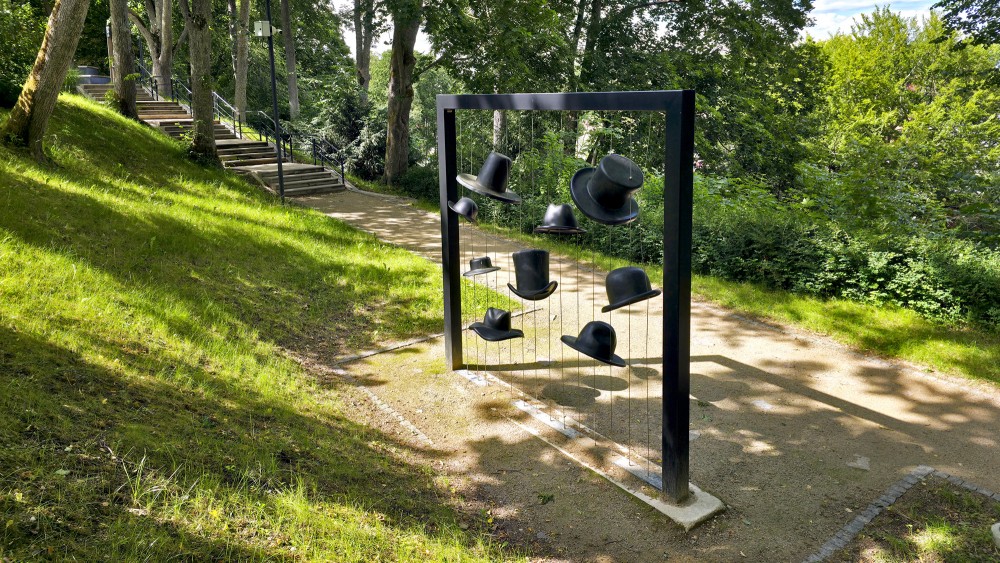
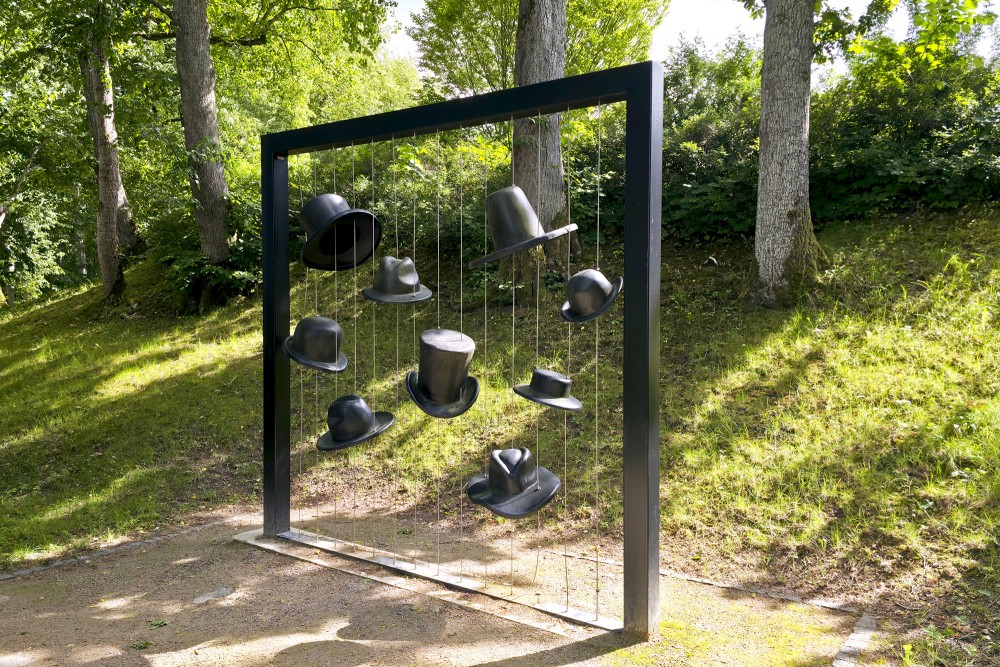
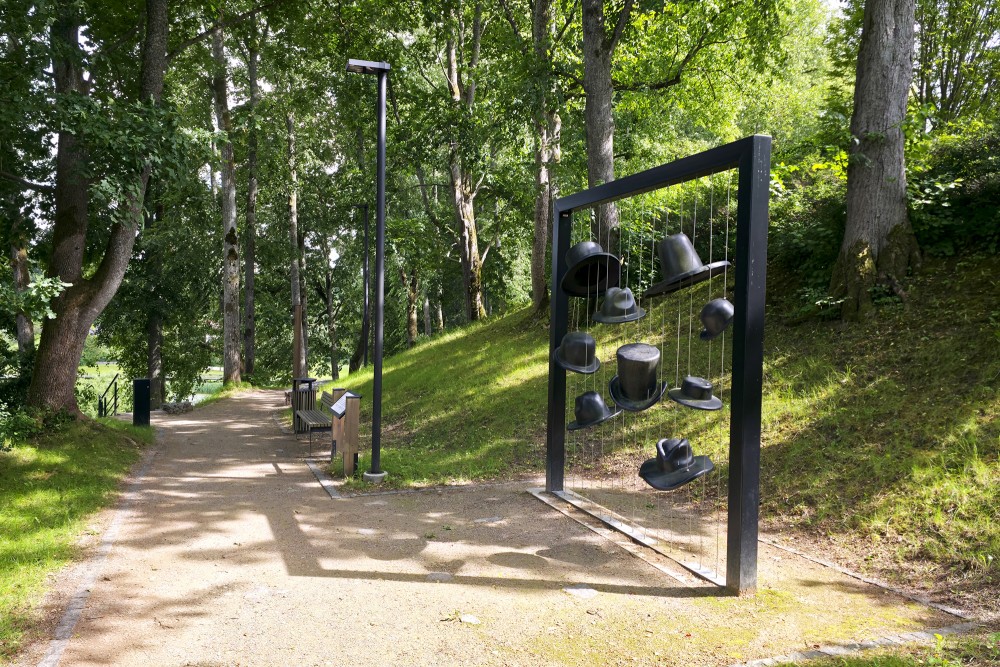
The Talsi Lake Promenade features the environmental artwork “Sun of Latvia”. In the small park on Church Hill, visitors can also find a musical bench dedicated to Latvian musician Intars Busulis.
Nature and landscape
Nature is an integral part of Talsi's urban landscape. The nine hills, two lakes, dendrological park and numerous viewpoints make the town interesting not only for its history but also for its scenery. A good walking route can combine Church Hill, Talsi Hillfort, the lakeside promenade, Ķēniņkalns and Tiguļu Hill.
Talsi itself does not have a major river or waterfall that forms a principal tourist attraction. The town's waterscape is dominated by Lake Talsi and Lake Vilkmuiža.
Interesting facts
- Talsi was first mentioned in written sources in 1231.
- Talsi Hillfort and its ancient settlement contain evidence of an important Curonian centre.
- Talsi Lutheran Church was built in 1567 and is the oldest surviving masonry building in the town.
- Talsi is known as the Town of Nine Hills.
- The Talsi Lake Promenade was established in 2013.
- Carl Ferdinand Amenda, a pastor at Talsi Lutheran Church, was a friend of composer Ludwig van Beethoven.
- Lake Vilkmuiža is an important Curonian archaeological site where a large number of artefacts have been discovered.
- Talsi's historic centre represents urban heritage dating mainly from the 16th to the 19th century.
Talsi is an excellent destination for travellers who want to experience a Latvian small town at an unhurried pace. Ancient Curonian heritage, historic architecture, lakes, hills, parks, public art and contemporary town life come together in a compact and walkable setting.
Continue reading