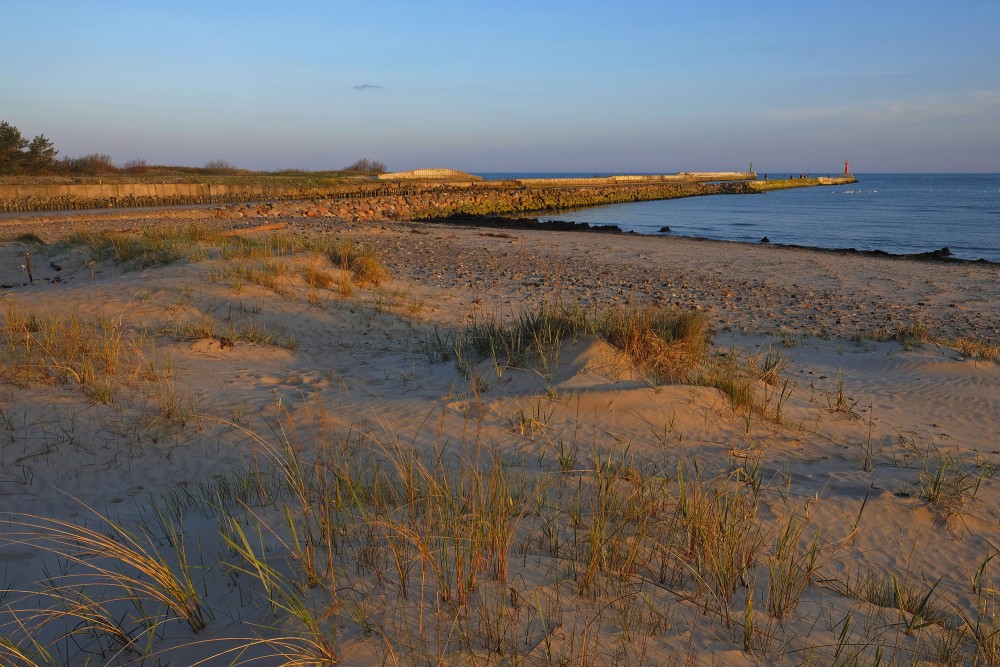
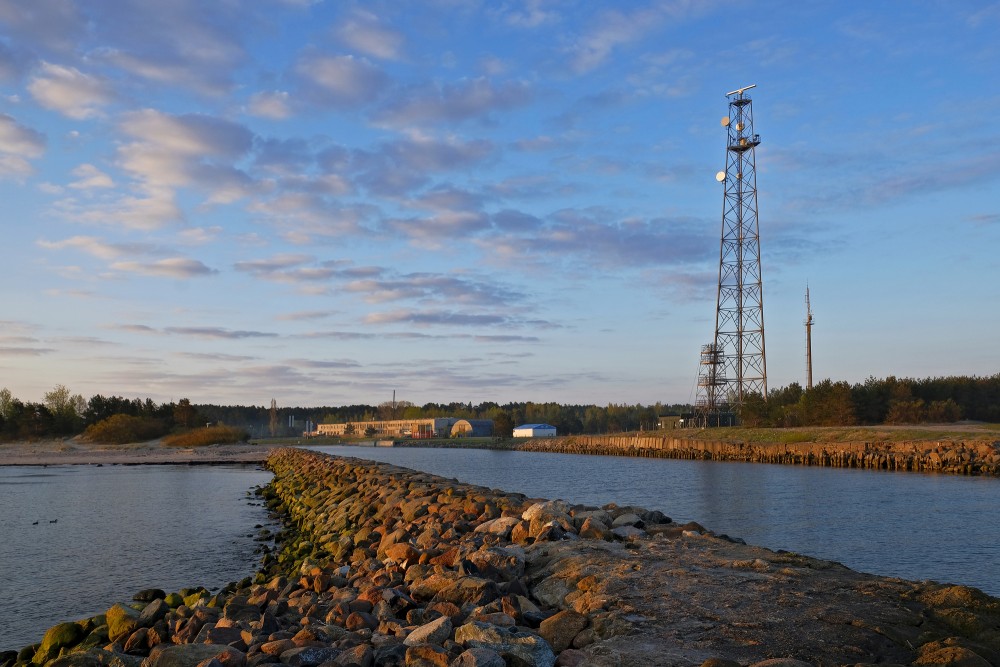
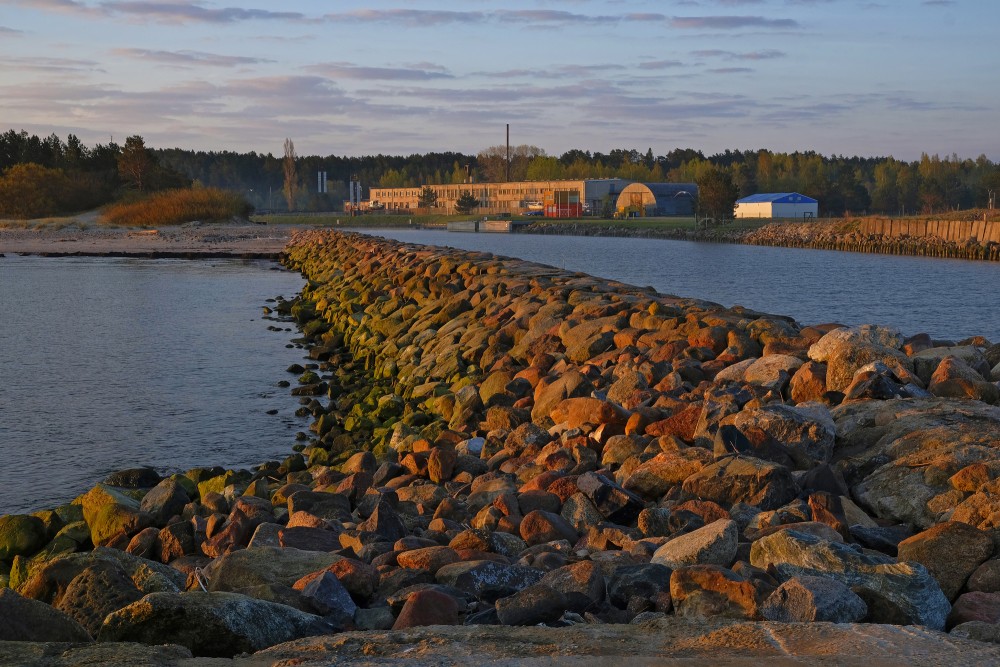
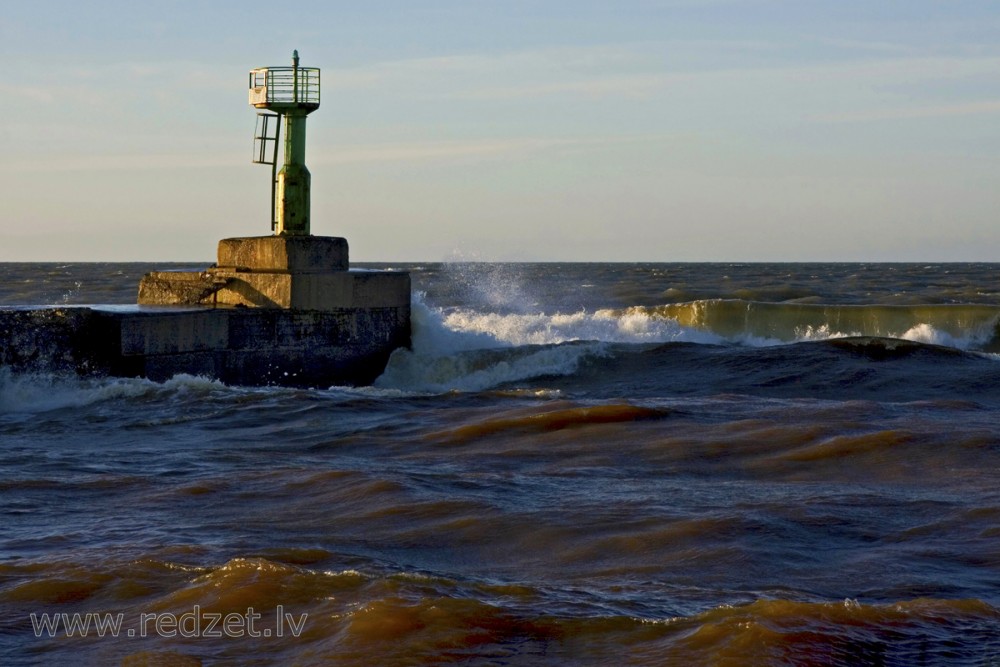
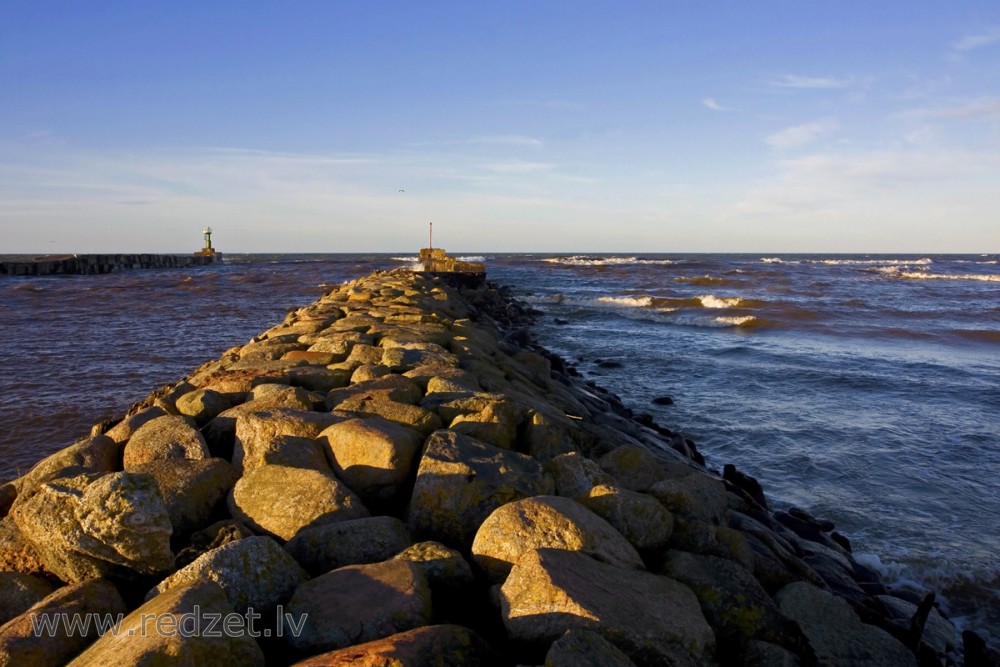
Pāvilosta Pier
The Piers of Pāvilosta (Pāvilostas moli)
History
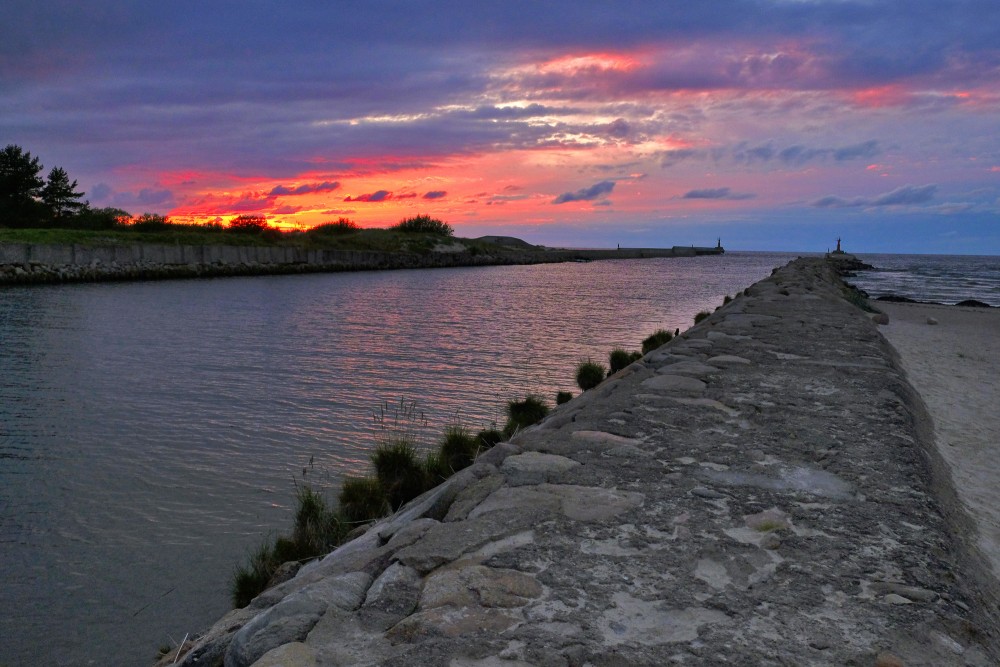
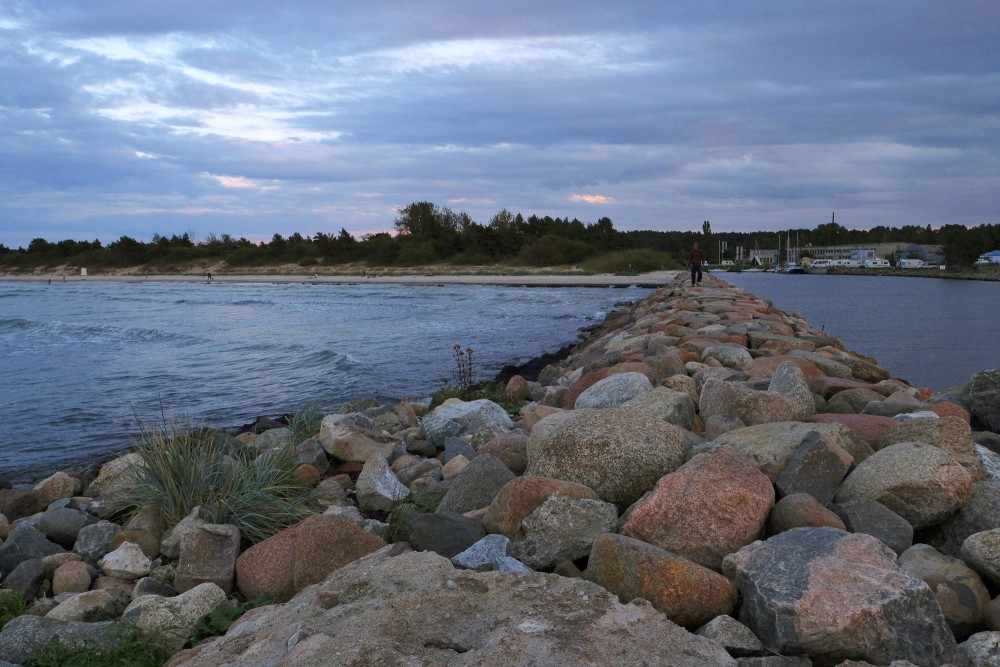
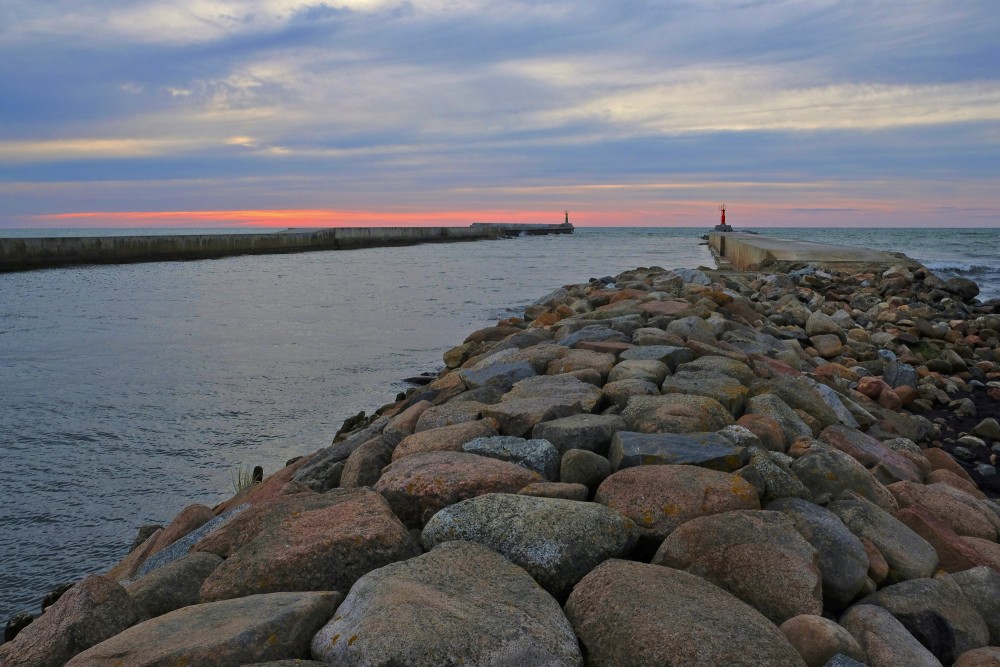
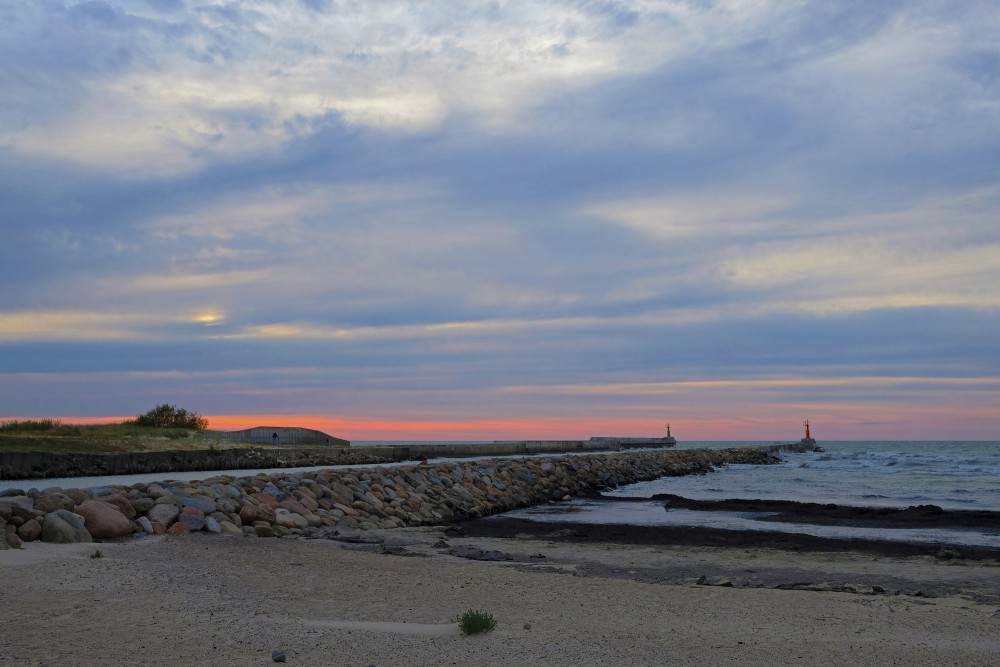
The construction of the Pāvilosta port piers began in the winter of 1878, initiated and funded by Baron Otto Friedrich von Lilienfeld of Upesmuiža. The baron’s objective was to narrow the mouth of the Saka River so that spring floods would naturally flush out and deepen the riverbed, creating a navigable port. Initially, the two parallel structures consisted of wooden pile rows and boulder cribs laid on top of juniper branches. Between 1923 and 1929, during a state-funded reconstruction, the piers were reinforced with massive concrete blocks and extended. During the Soviet occupation, the piers were located within a strictly monitored USSR border zone, and public access was entirely forbidden.
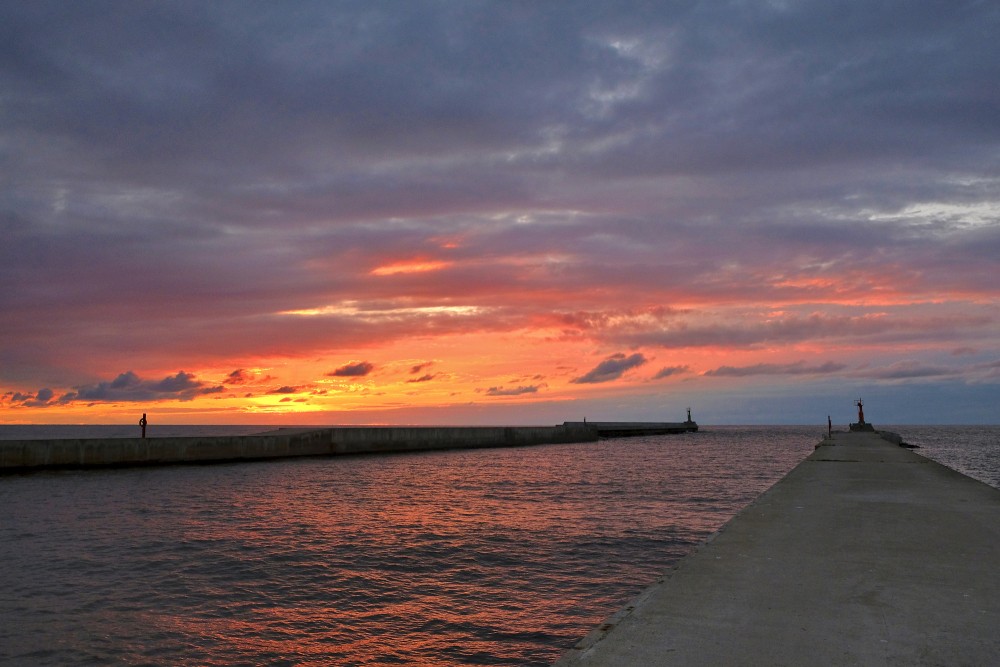
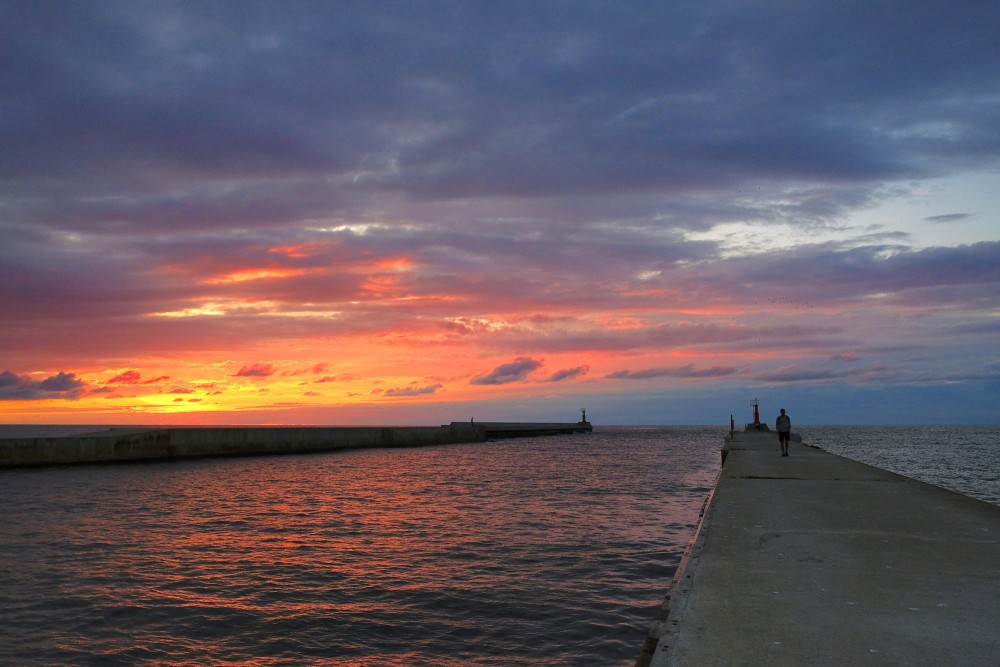
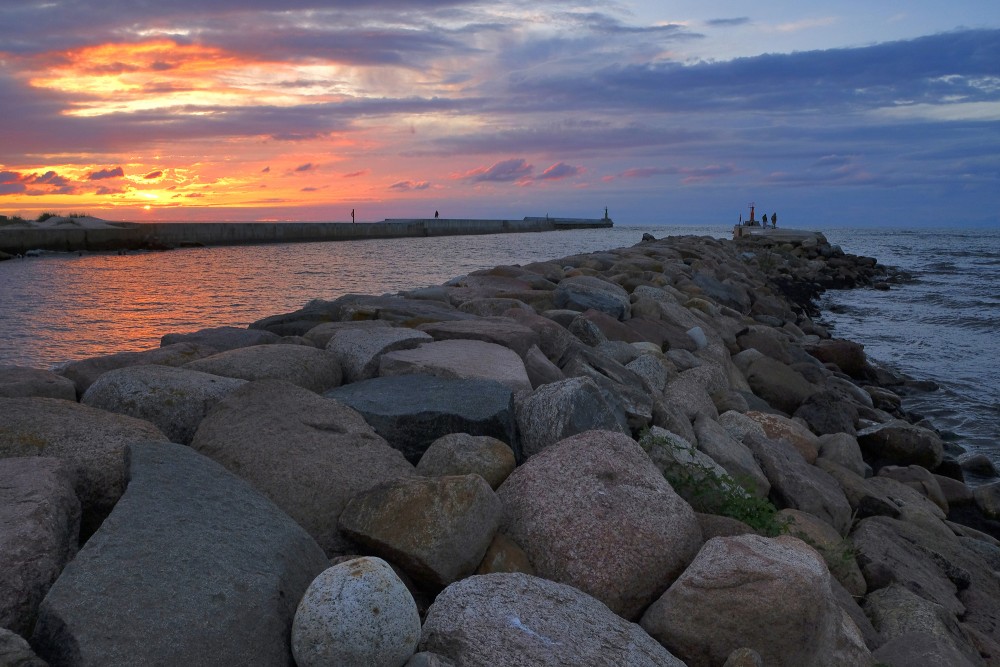
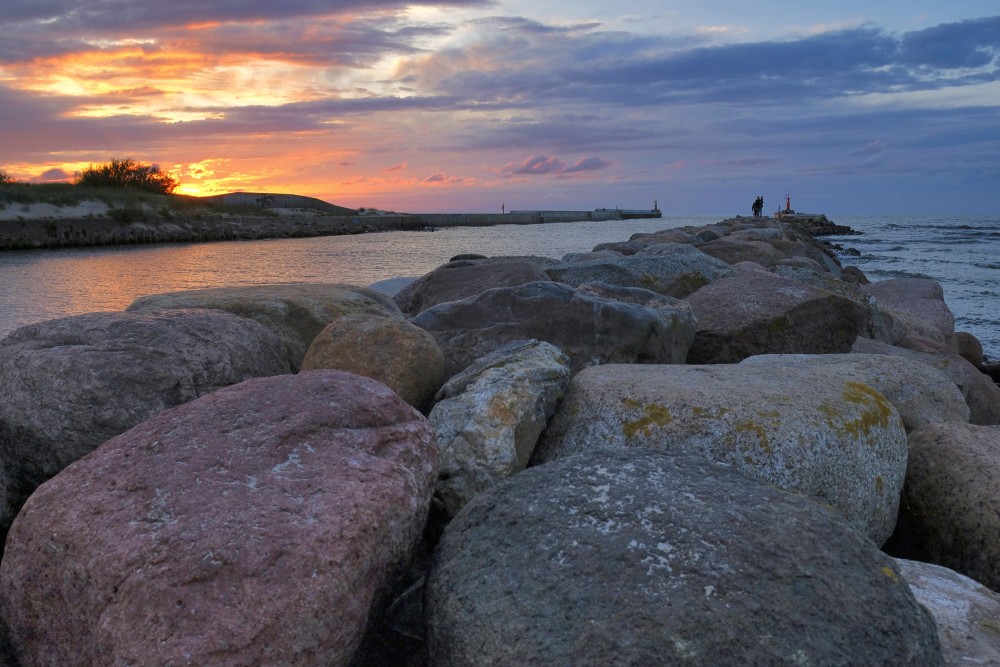
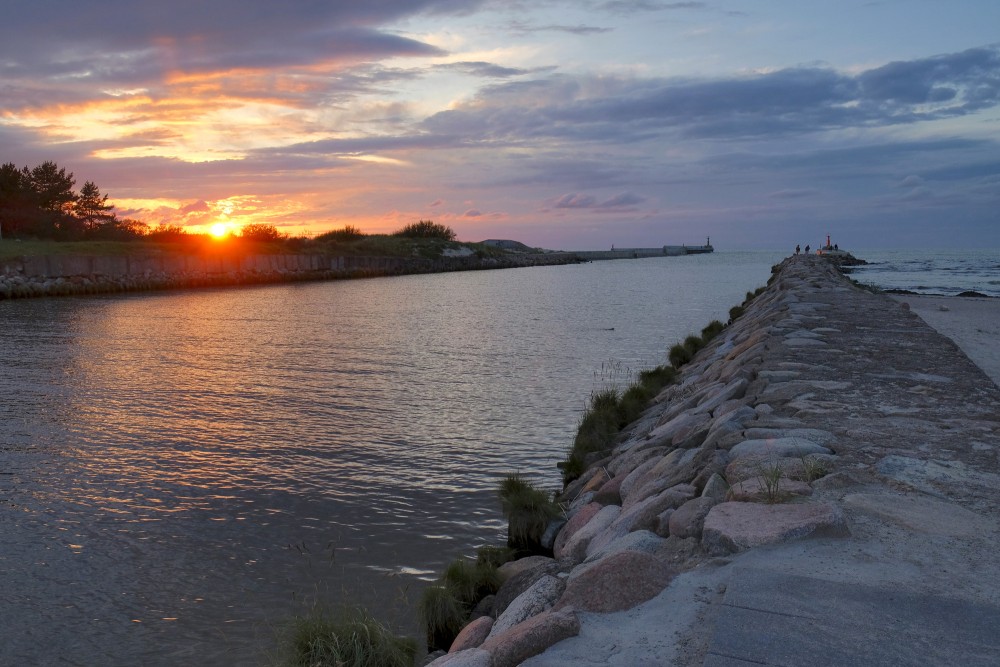
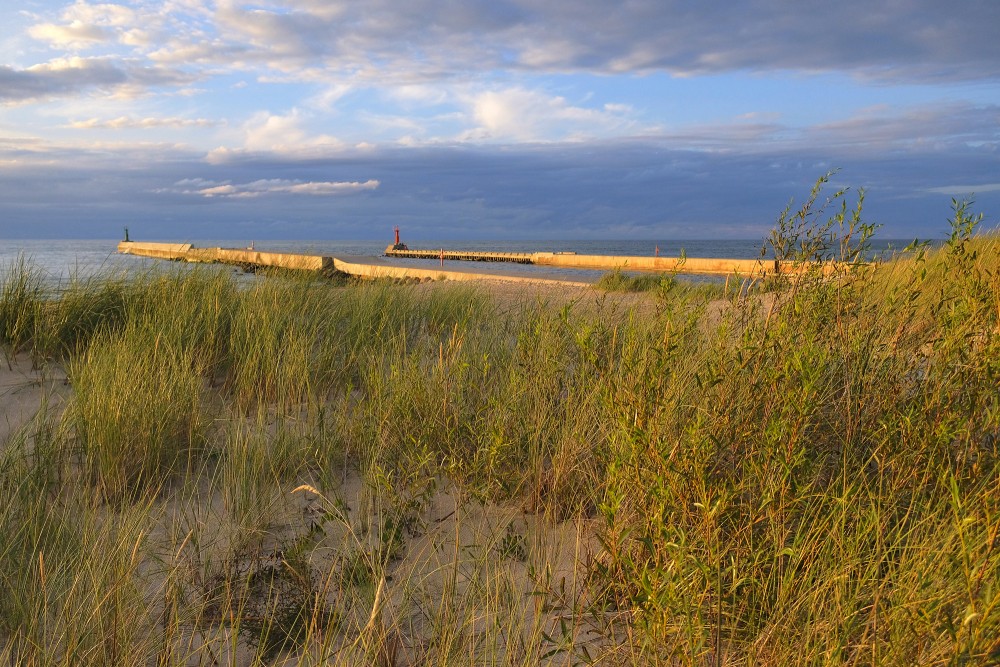
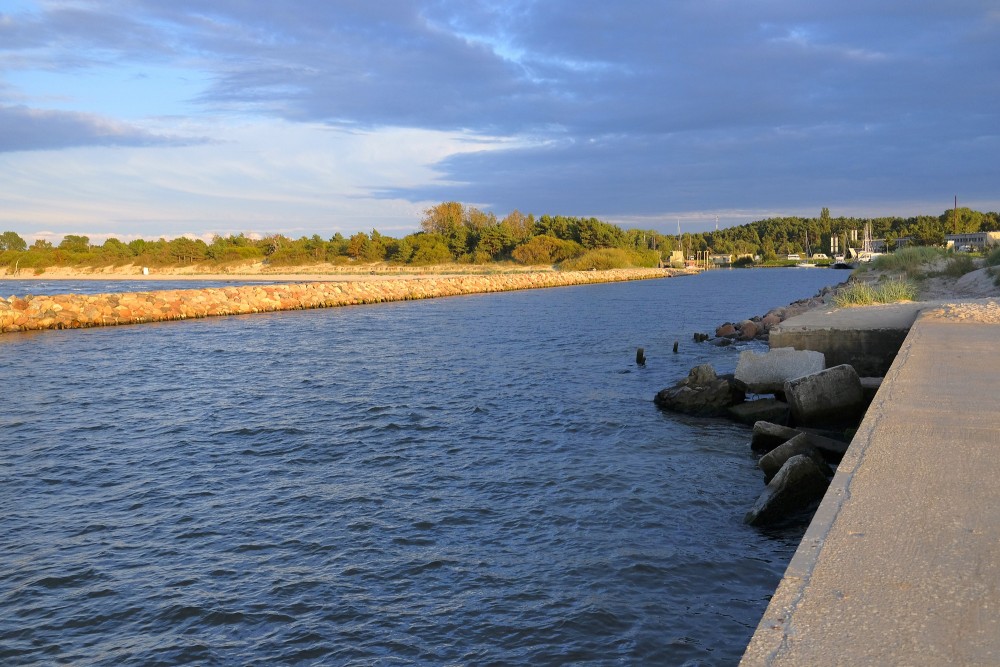
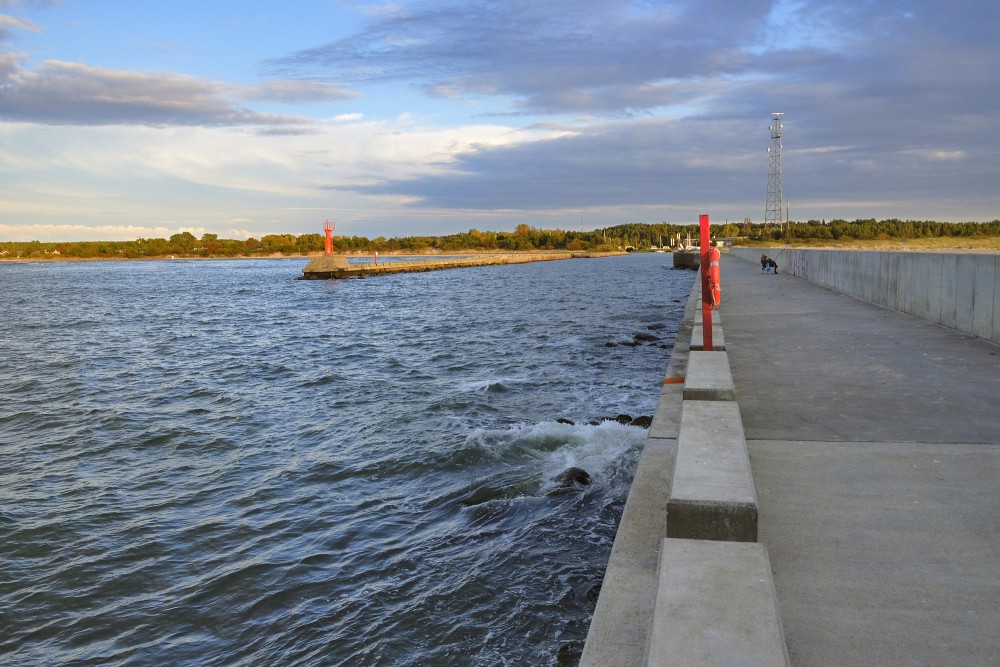
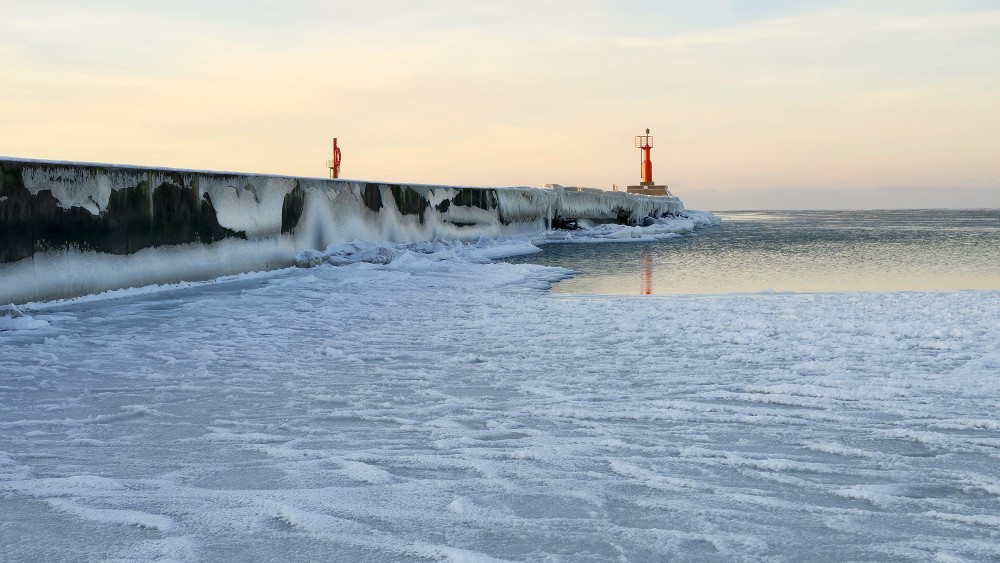
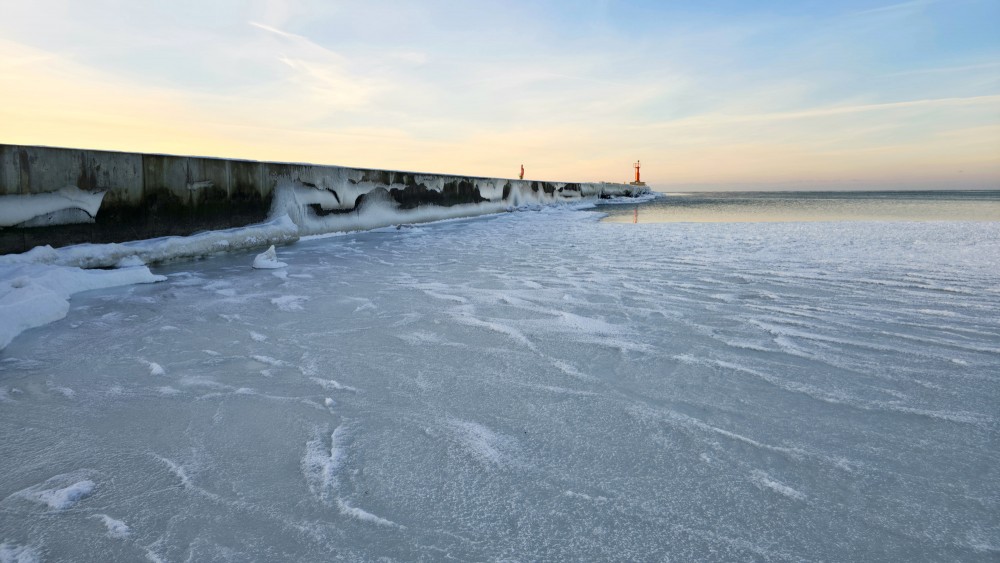
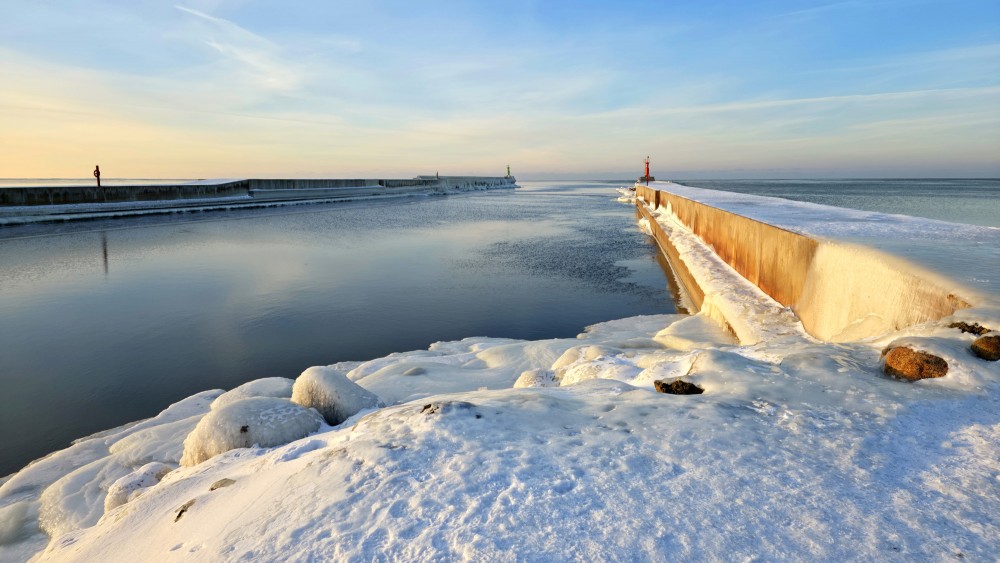
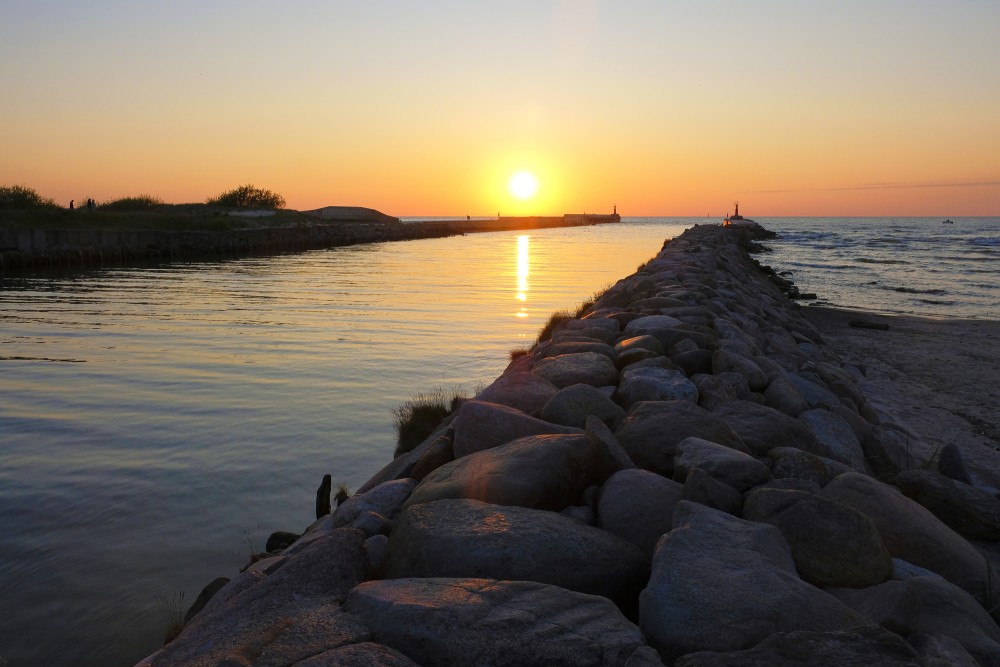
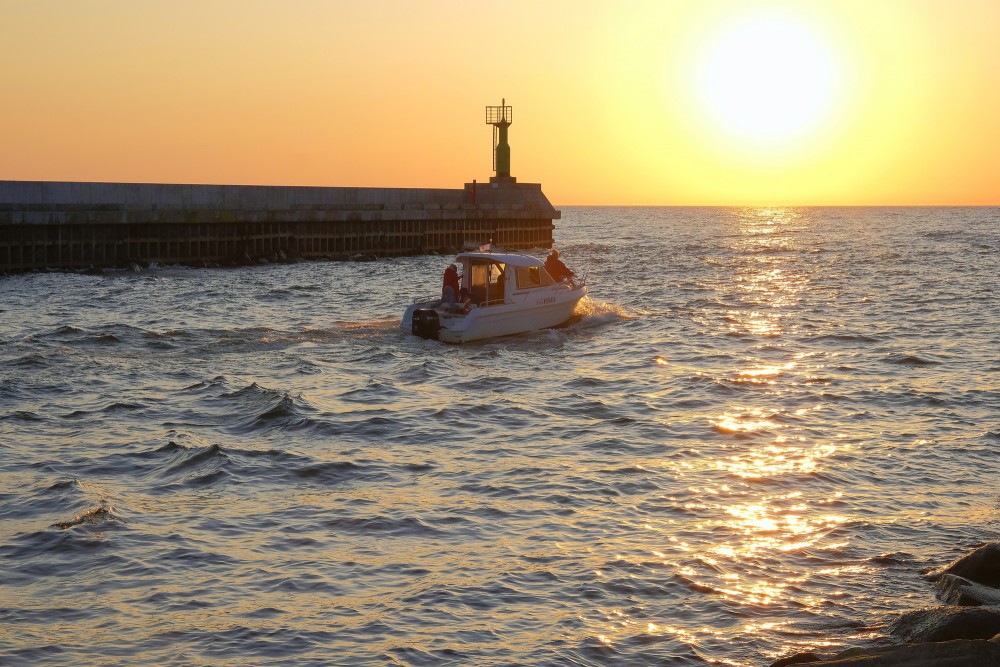
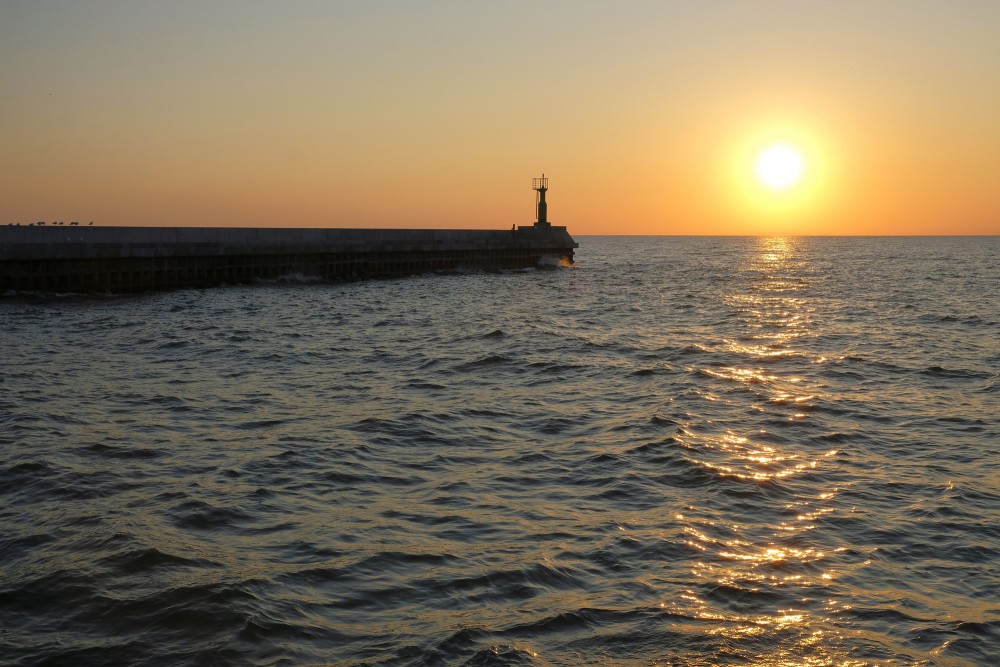
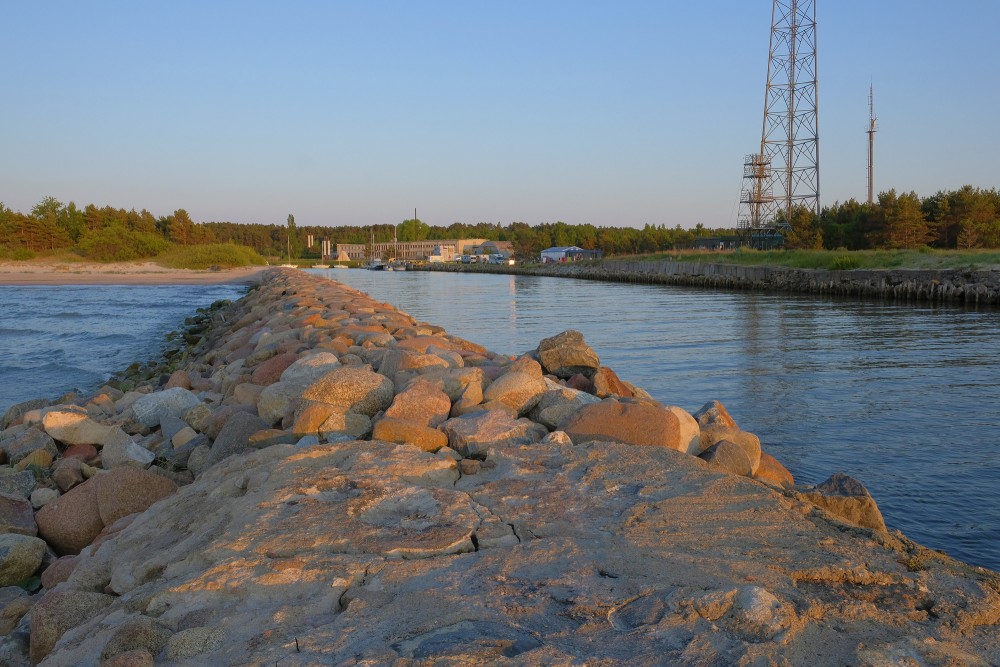
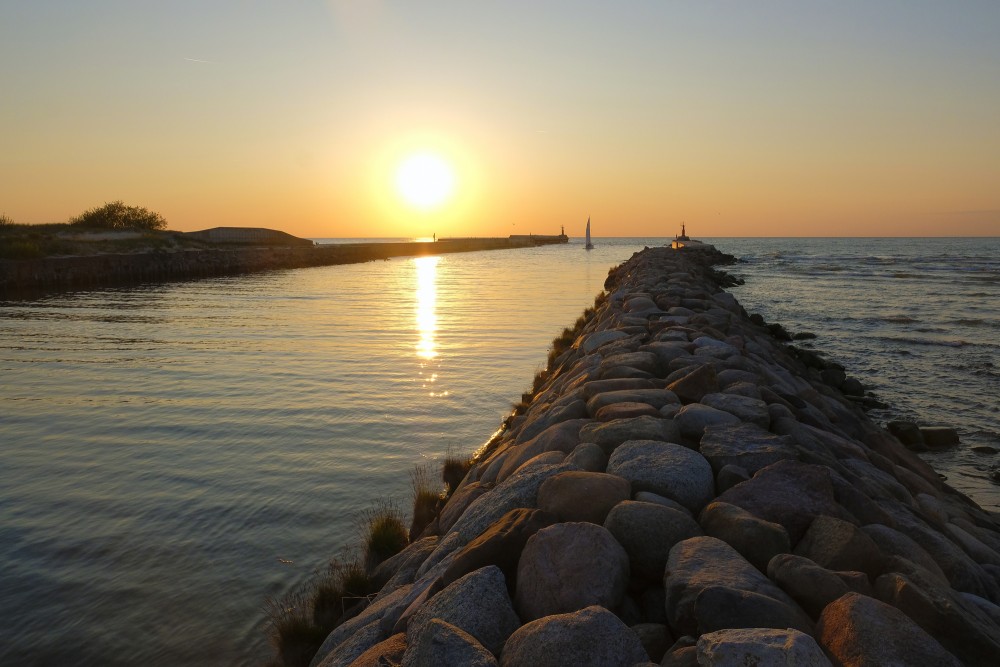
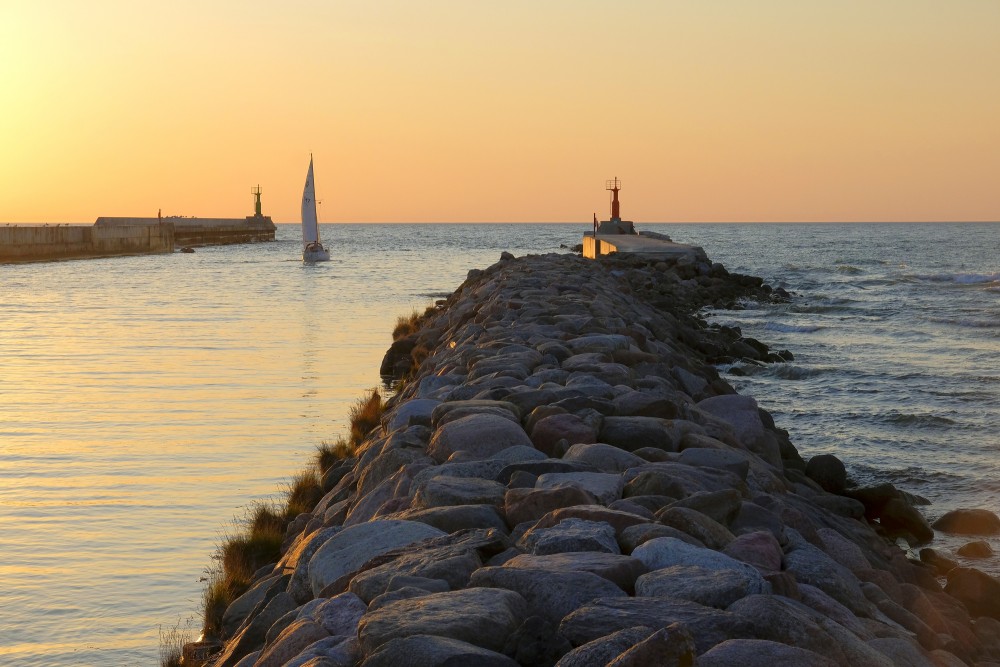
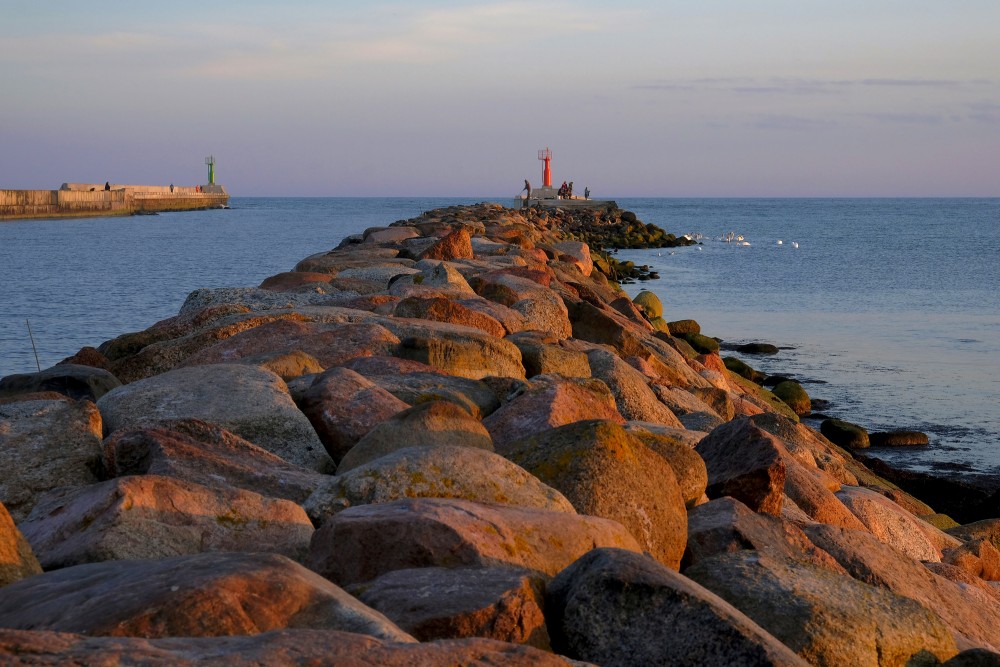
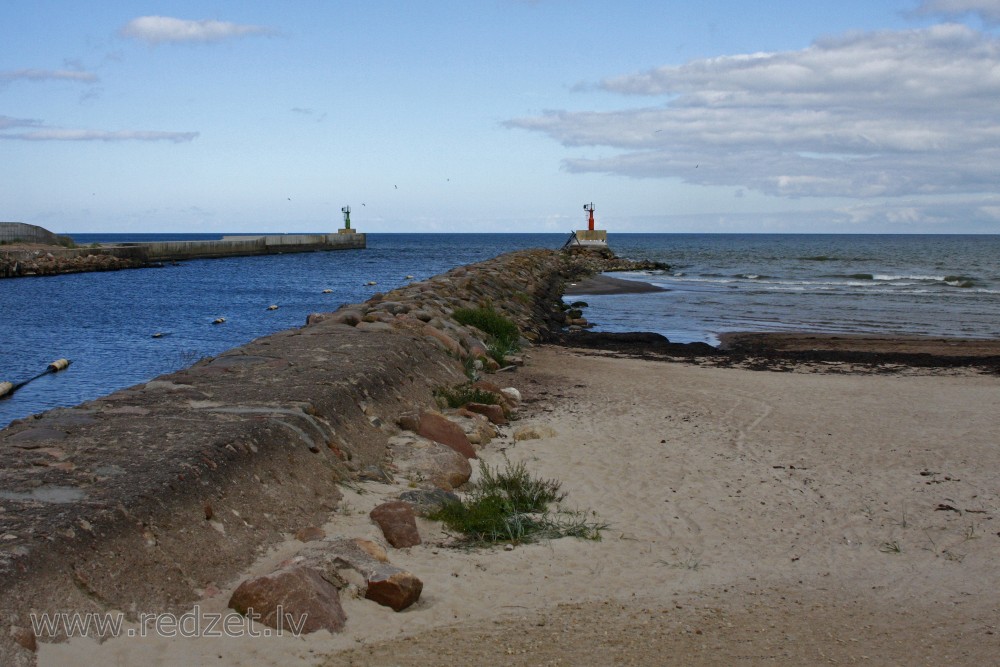
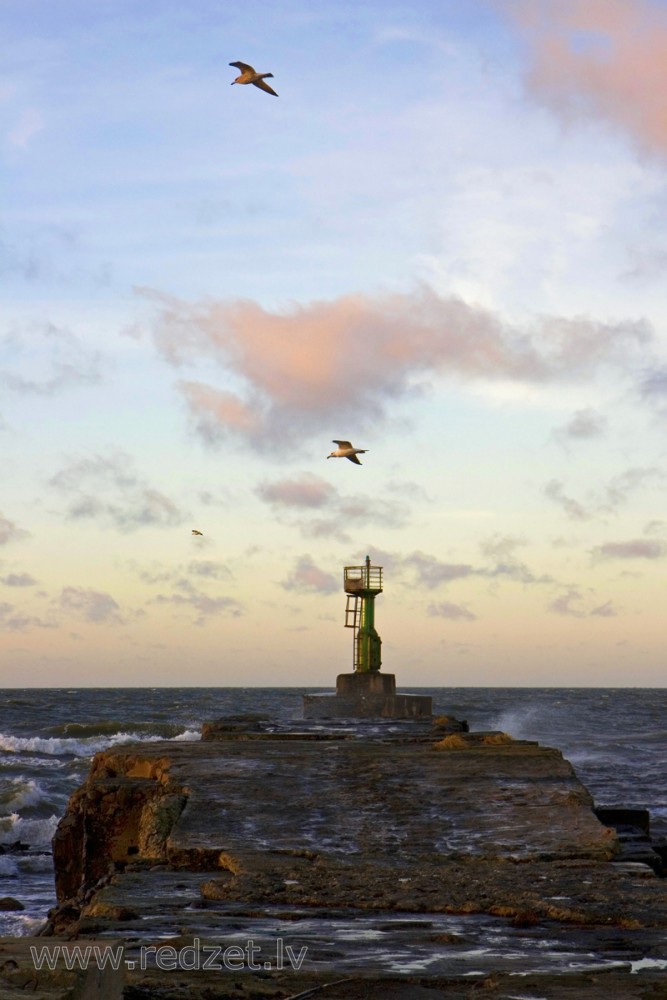
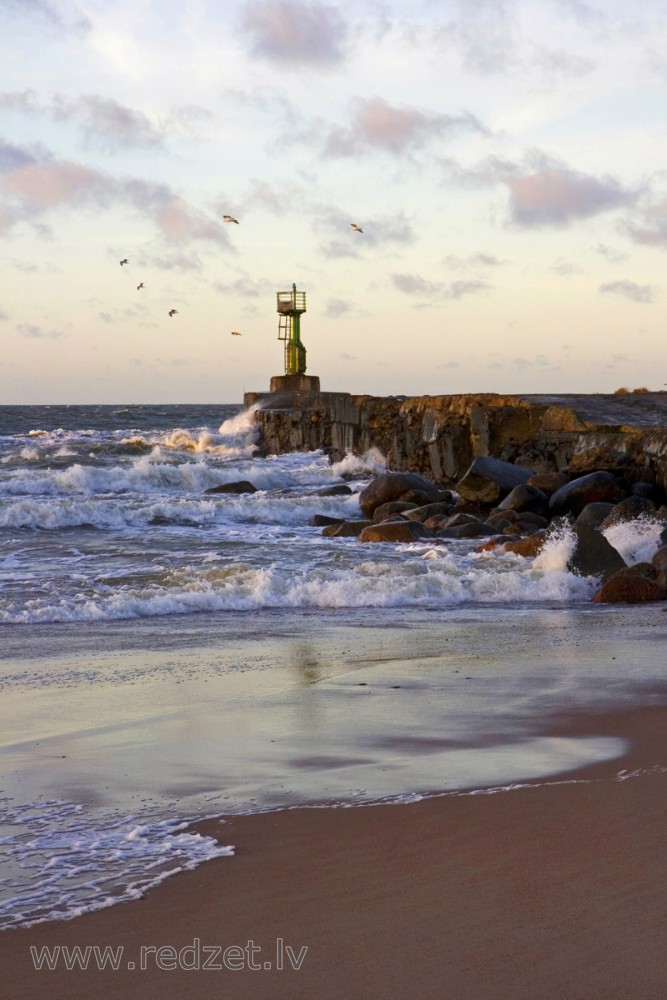
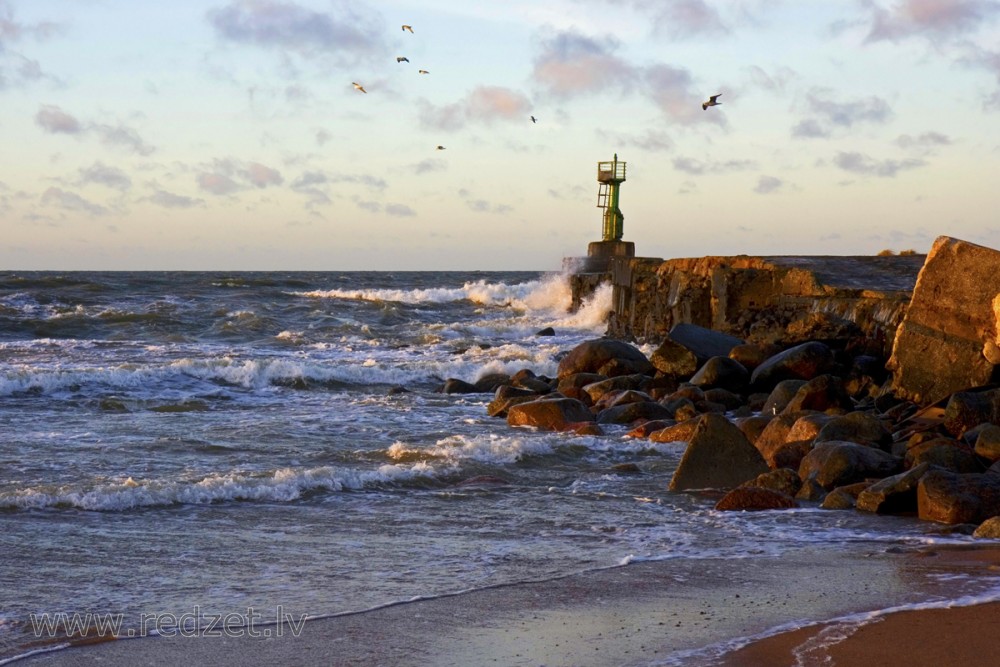
Architectural Features The Pāvilosta pier system consists of two parallel marine engineering structures – the North Pier and the South Pier. Their historical sections still display massive concrete blocks and natural boulders weathered by decades of waves and ice. The piers underwent a significant structural transformation during a major reconstruction completed in 2019. Both structures were extended by more than 100 meters, reaching a final length of 333.97 meters (North Pier) and 334.10 meters (South Pier). The upper surface of the piers now features a modern, smooth, and pedestrian-friendly monolithic concrete walkway with low safety barriers. Navigation lights (beacons) are located at the heads of both piers: when entering the port from the sea, a green light marks the starboard side (South Pier) and a red light marks the port side (North Pier).
Modern Function
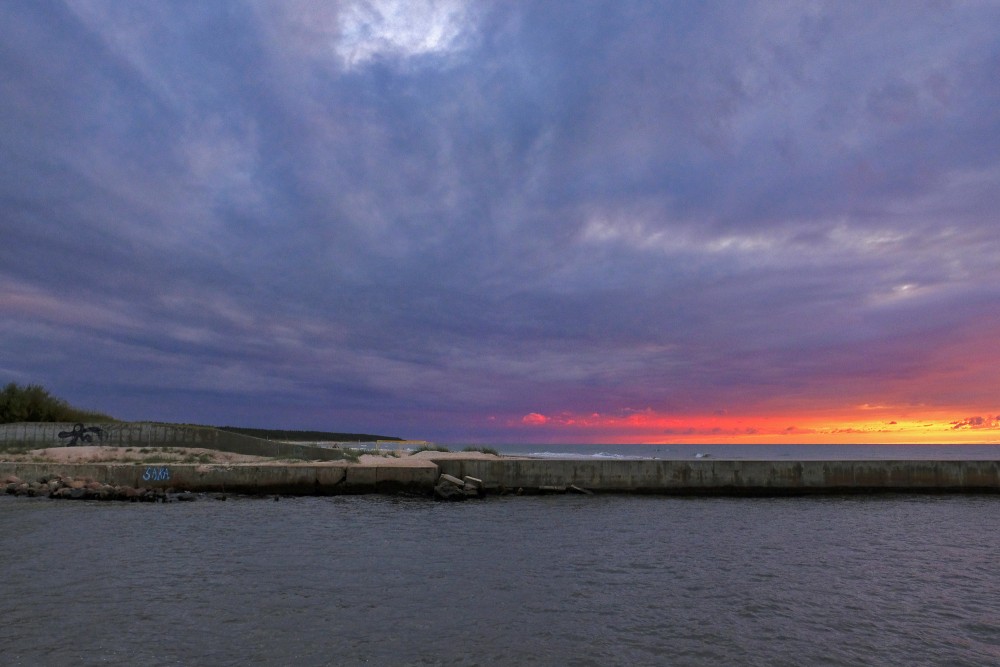
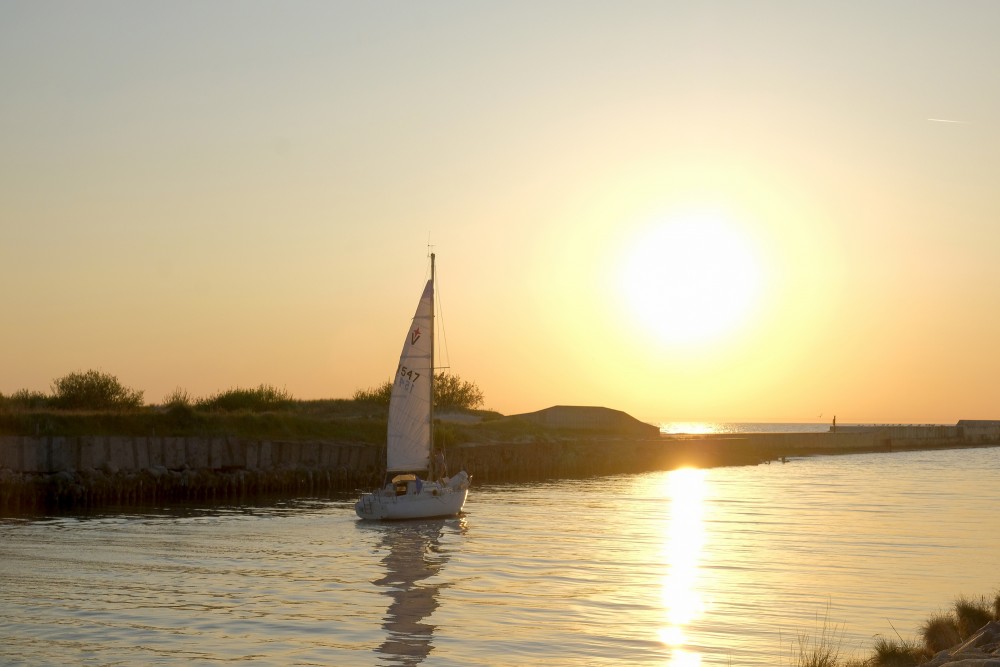
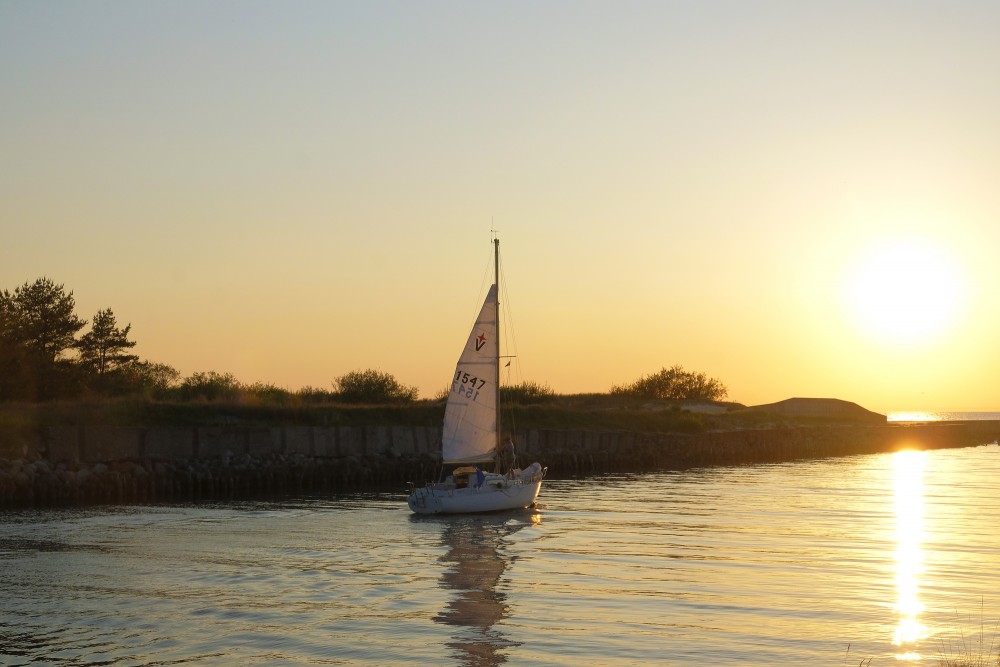
The piers serve as crucial marine engineering infrastructure for the Port of Pāvilosta. They mitigate open-sea waves and prevent prevailing coastal winds from drifting sand into the shipping channel, ensuring safe entry for fishing boats, trawlers, and recreational yachts into the Saka River. Alongside their practical engineering role, the piers have become one of the most popular coastal landmarks in Courland (Kurzeme), drawing visitors for scenic walks, sunset watching, and storm chasing.
Interesting Facts
-
The distance between the heads of the two piers – the "port gates" – is only 52 meters. This relatively narrow entrance requires high precision and steering skill from captains navigating during strong winds.
-
The 2019 pier extension project was essential to reach a greater natural sea depth of over 4.5 meters, enabling the port to safely accommodate larger yachts and modern commercial vessels.
-
The extensive reconstruction project received high professional acclaim, winning 2nd place in the prestigious national "Latvian Construction Year Award 2019" competition.
Port History
Pavilosta’s history began with the building of a harbor at the mouth of the Saka River.
Information about the history of Pavilosta dates back to the period of Duke Jekabs (1642-1682) when ships could enter the Saka River and Pavilosta served as Aizputes harbor. This harbor was used to export wood, grain and other products to various other harbors in the Baltic Sea and the North Sea. Trade agreements with Danish merchants were especially prosperous.
After the war between the Swedes and Poles in 1660, the Saka River was dammed per the Swedish occupants to guarantee the growth and development of Riga’s harbors. Boulders were placed on the ice during the winter months. In the spring when the ice melted, the sunken boulders narrowed the path for sea vessels.
In 1855 during the Crimean War, Russian boarder guards built their cordons in Pavilosta to protect this strategic location.
In the winter of 1878 the German Baron Otto fon Lilienfeld, owner of a large portion of land in this region, commissioned the building of the first wooden pier. The pier cost 8000 gold rubles. That spring when the river thawed, the extreme melt water dredged the river’s bed enough that the first large ships could harbor in Pavilosta.
The foundation for the Captain’s Quarters was laid in 1879 during the May 16th commemoration. This building was completed that very same year. During its existence it was utilized as a lodge, bar, German army bunks and a customs office. After World War II it served as an administrative office and warehouse for the local fishermen’s association “Dzintarjūra”. Later this building was reestablished as Pavilosta’s museum which to this day houses information about Pavilosta and the Saka region’s history.
The town of Pavilosta remained nameless until it was named after Otto fon Lilienfeld’s brother Paul. Later the harbor was also known as “Pavlovskaja Gavan” and “Pavlovsk”.
Baron Lilienfeld purchased five small ships and a tugboat to transport exports from his own properties and the Liepaja market. This made him a very wealthy man.
In August of 1893 Russian Tsar Alexander the III commissioned construction of a naval port in Liepaja. This job required massive amounts of boulders, which were taken from Pavilosta and transported by sea to the naval port.
From 1890 to 1895 the Pavilosta harbor’s pier was extended by 90 meters. When transport of the boulders to Liepaja ended, the harbor’s main activity included ship construction, fishing and commerce. During this time the harbor was very active. Before World War I Pavilosta housed about 20 seaworthy ships and nearly 100 fishing boats. The harbor had its own rescue center. To ensure the necessary depth of the harbor, 70,000 cubic meters of sand were removed from the bed of the sea. Approximately 100 meters from Pavilosta’s shore rests Latvia’s largest sea boulder (15 meters wide, 3.5 meters tall and 1.5 meters underwater).
From 1923 to 1929 the harbor was reconstructed and financed by the government. The pier was widened and the mouth of the harbor was deepened. The government invested 2.4 million Lats into reconstruction work. While commercial activity was minimal at Pavilosta harbor (mainly wood export) the harbor had its own border patrol and rescue unit. Pavilosta was the best-maintained harbor among all of the small harbors in Latvia.
Local fishermen owned 18 motorboats and 6 rowboats with sails. They fished for silver breams, cod, sardines and salmon. The harbor included fish-works industry such as cleaning, preserving, smoking and freezing.
During World War II all commercial activities at the harbor were halted because the harbor was sued only for coastguard ships. Many political refugees emigrated to other European countries and America via Pavilosta harbor. During the war almost all private ships and boats were destroyed.
In 1949 a new landing for ships and a fuel warehouse were built. The harbor was dredged regularly.
During Soviet occupation fishing collectives controlled all activity in Pavilosta and local fishermen had limited access to the harbor.
With the building and grand opening of Pavilosta Marina on May 20, 2006, the harbor has been reborn and a new and meaningful period in Pavilosta’s history has begun.
www.pavilostamarina.lv