Liepāja Luther Church
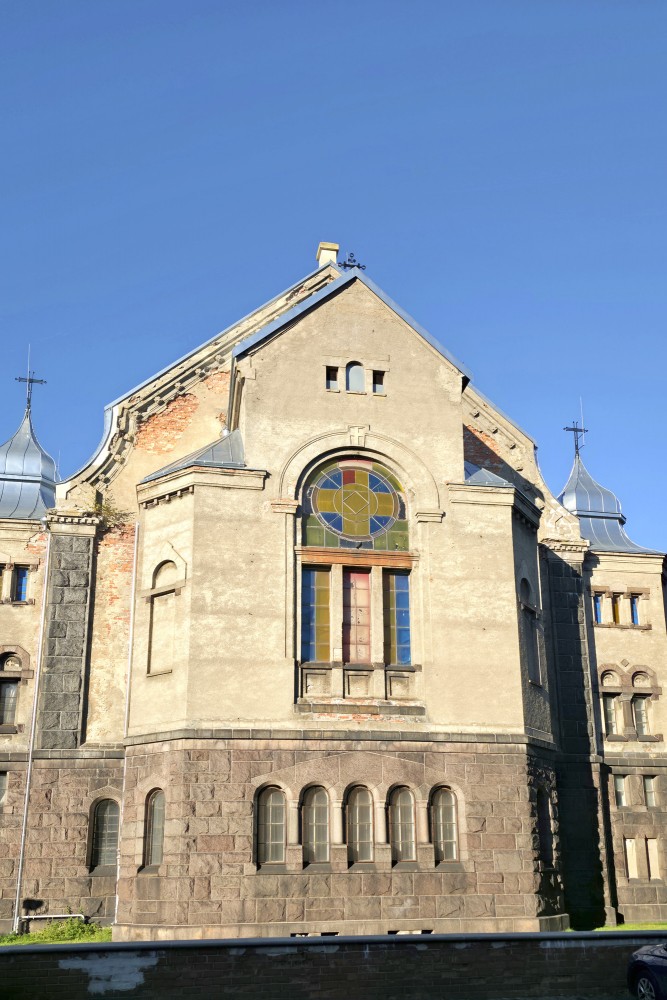
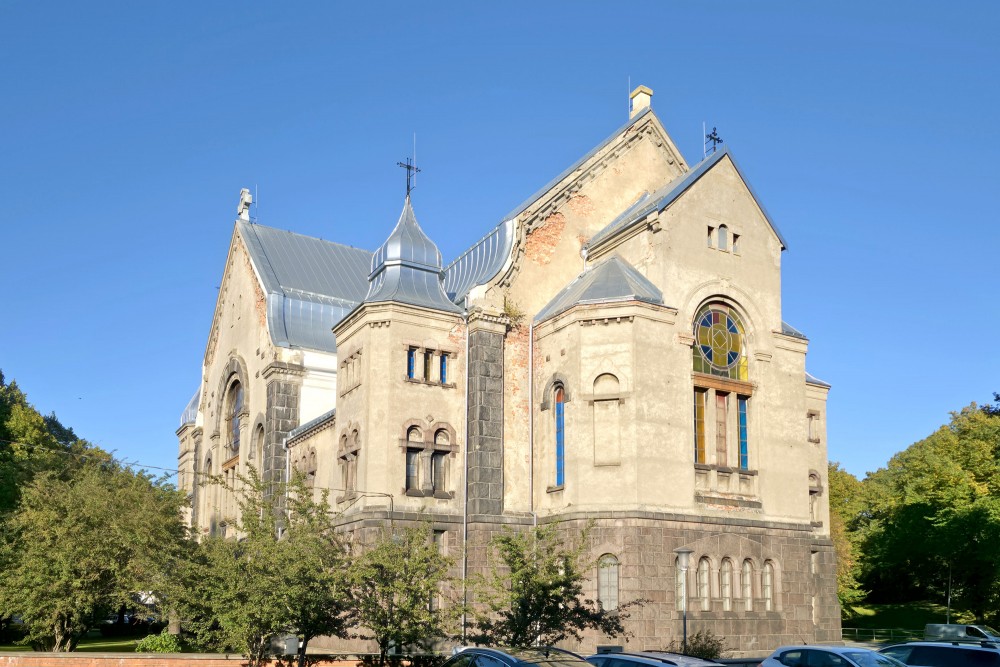
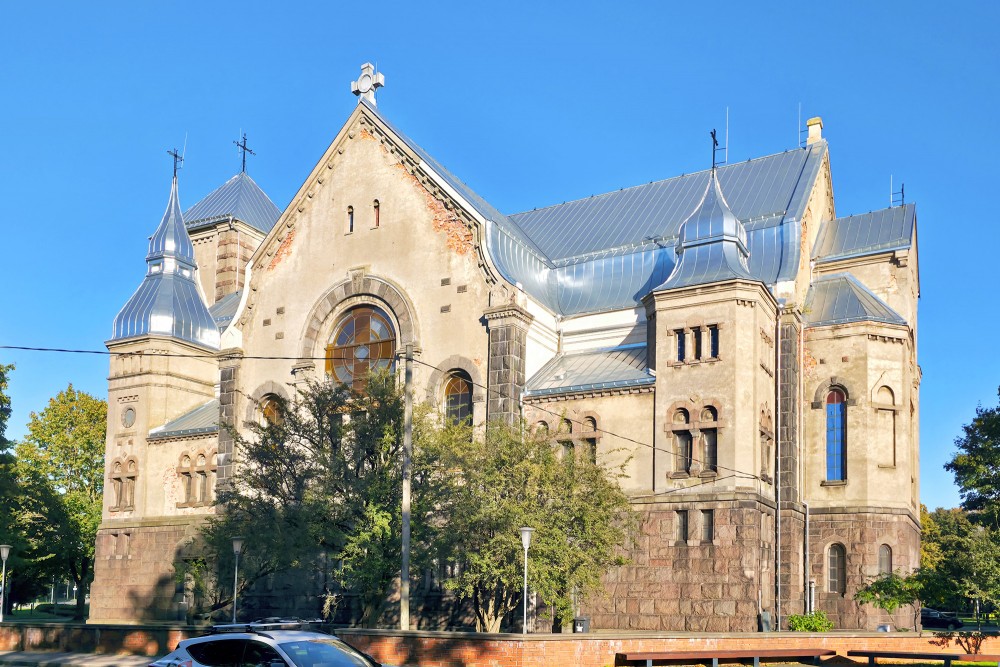
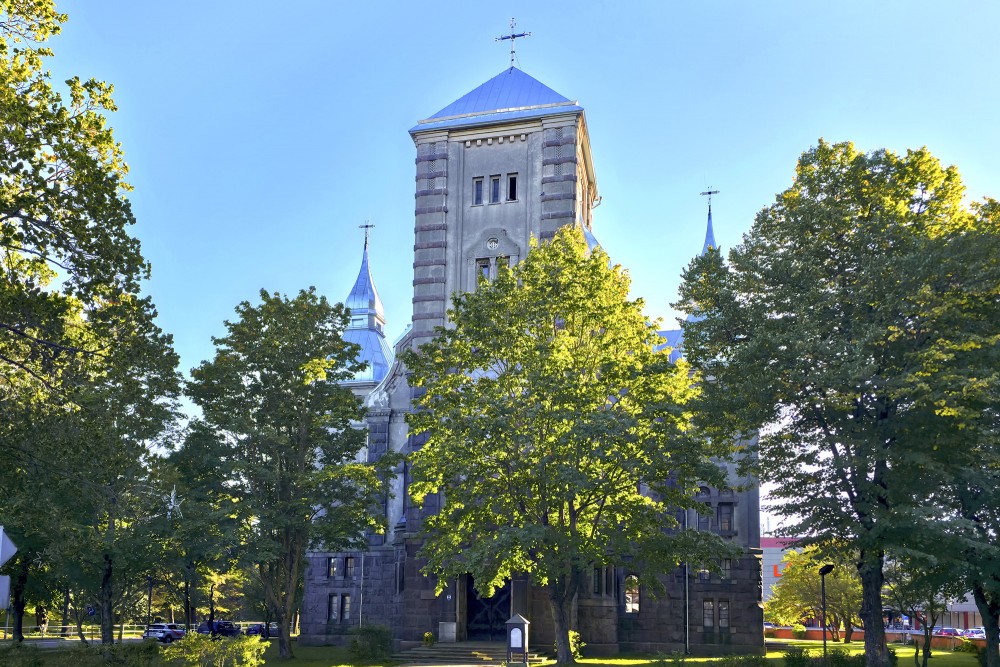
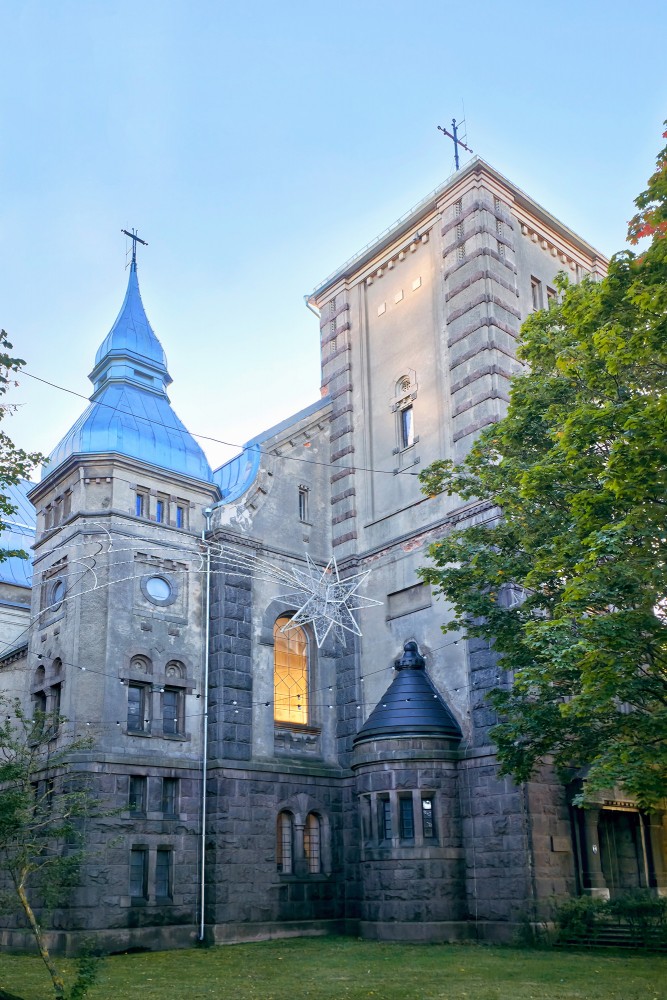
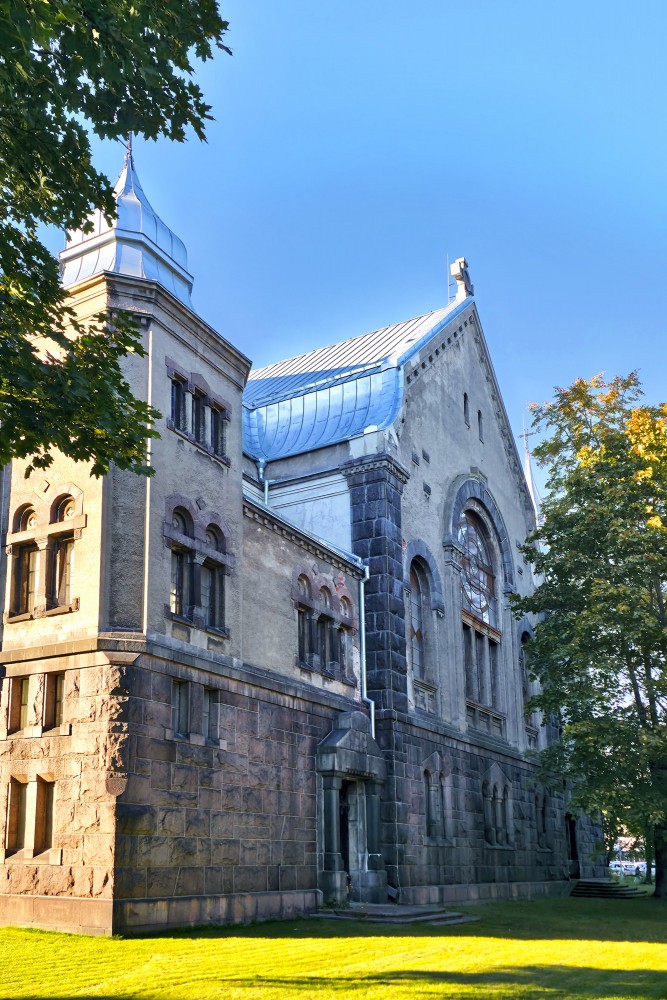
Liepāja Luther Church, also known as the Stone Church, is a notable example of early 20th-century religious architecture in the Jaunliepāja district. It is one of the largest churches built in Latvia during the country’s independence period and stands out for its monumental stonework, cruciform layout and bright, spacious interior.
History and architecture
The origins of the Liepāja Luther congregation date back to the 1880s, when the need arose for a separate church serving the Latvian-speaking congregation in Jaunliepāja. The foundation stone of the new church was laid on 18 May 1914. Construction was delayed by historical and financial difficulties, and the church was consecrated on 8 July 1934, although the building was not yet fully completed.
The church was designed by architect K. E. Strandmann and built using stone quarried in Finland. Its monumental exterior contrasts with a bright and airy interior. The carefully planned layout and excellent acoustics make the building suitable for both religious services and classical music concerts.
Today
The church continues to serve the Liepāja Luther Evangelical Lutheran congregation. It is also an important cultural and historical landmark, with ongoing restoration and preservation needs.
One of the church’s distinctive features is its organ heritage. In 1938, Kārlis Ulmanis, then President of Latvia, donated an electric organ to the congregation. Later, another organ was installed in the church after being brought from a church in Sundbyberg, near Stockholm, in 2007.
Visitor information
- Address: Jelgavas iela 62, Liepāja, Latvia
- Website: liepajasluteradraudze.lv
- Email: lutera.draudze@inbox.lv