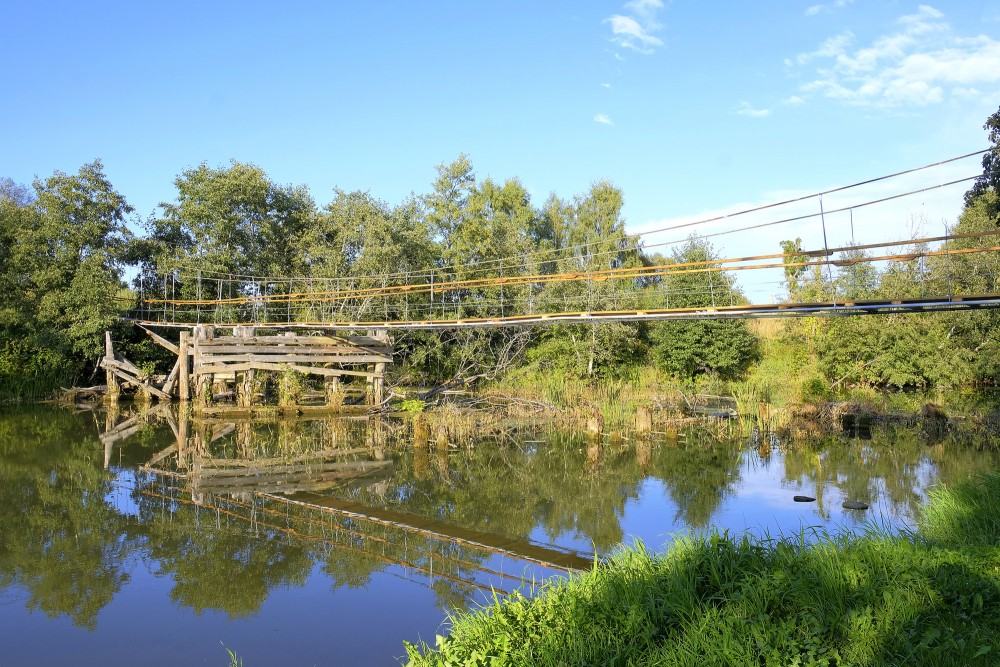
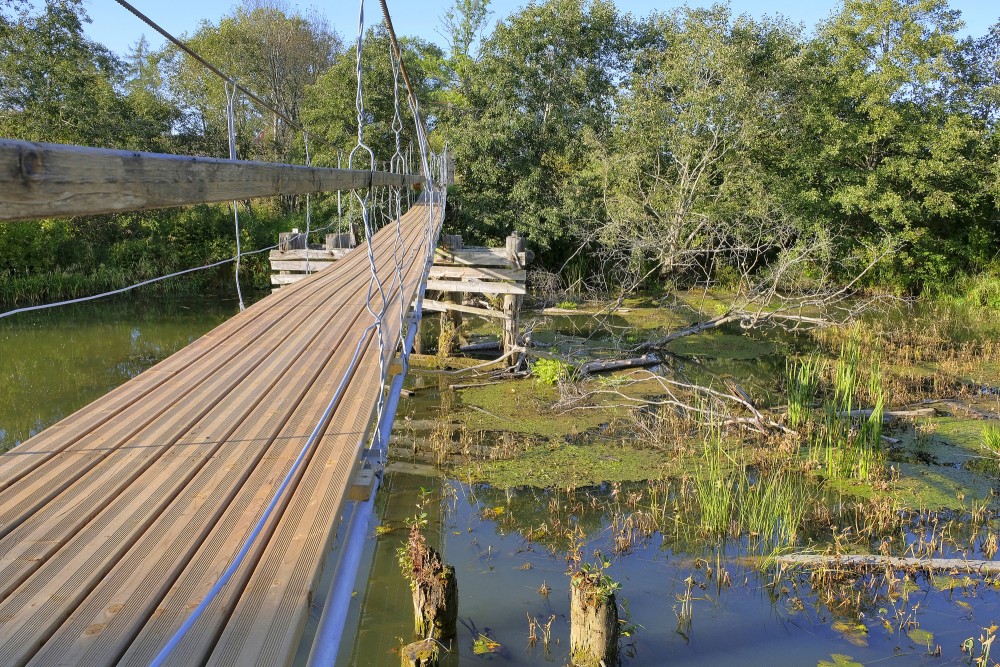
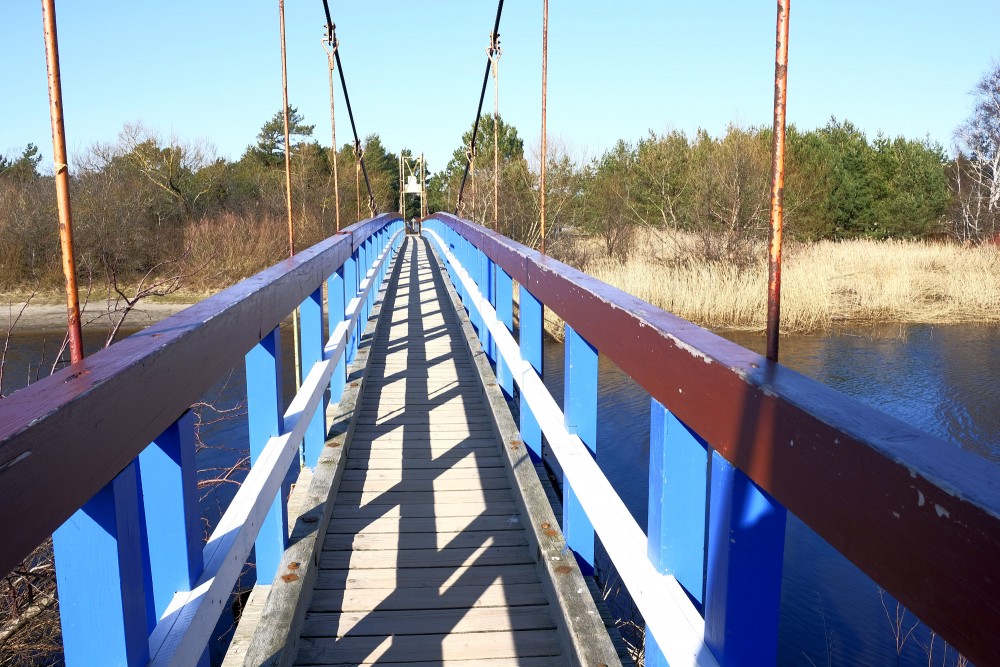
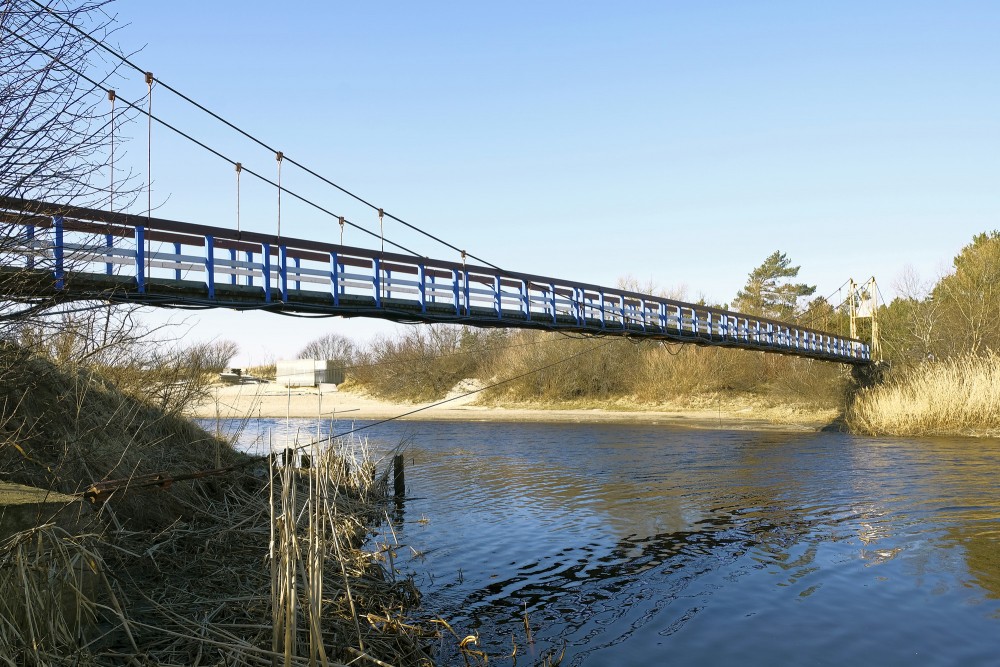
Pedestrian bridge

A pedestrian bridge is a structure built to let people cross an obstacle such as a river, canal, street, railway, or ravine. Unlike road bridges, it is usually narrower and lighter, since it needs to carry less weight.
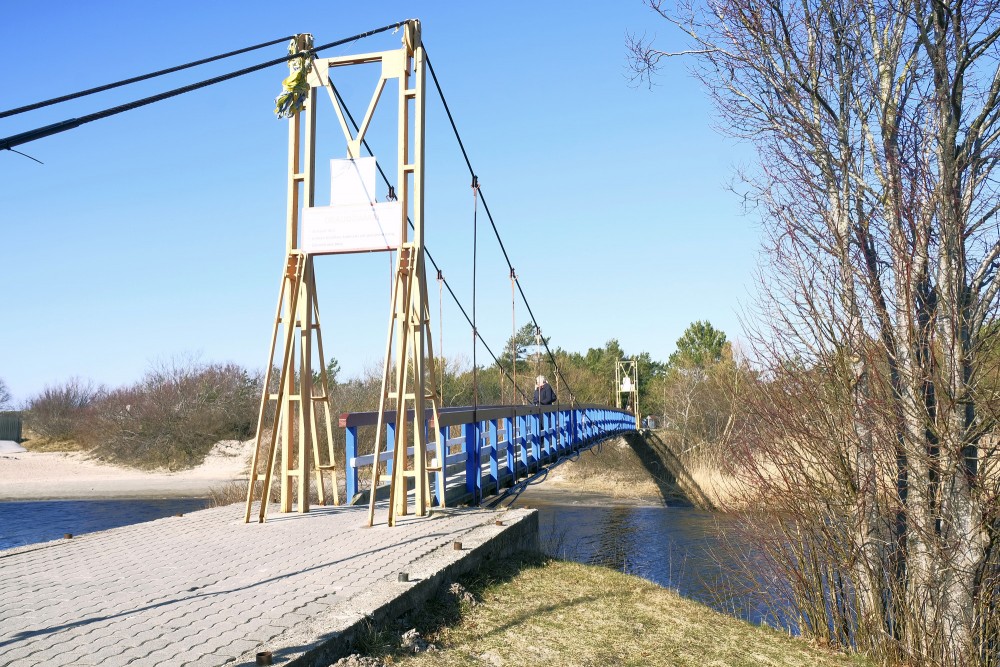
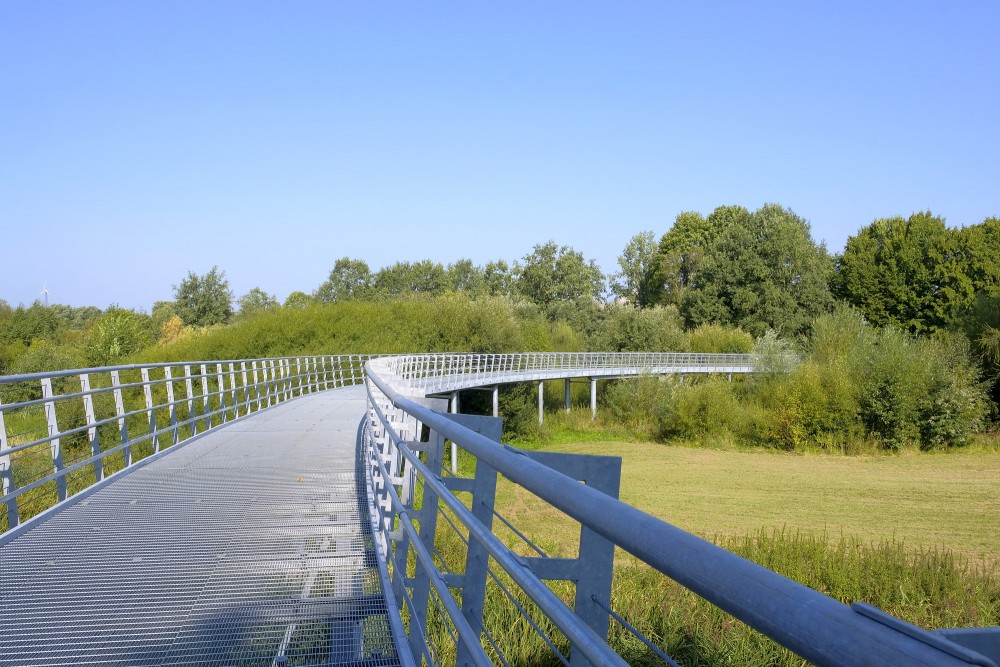
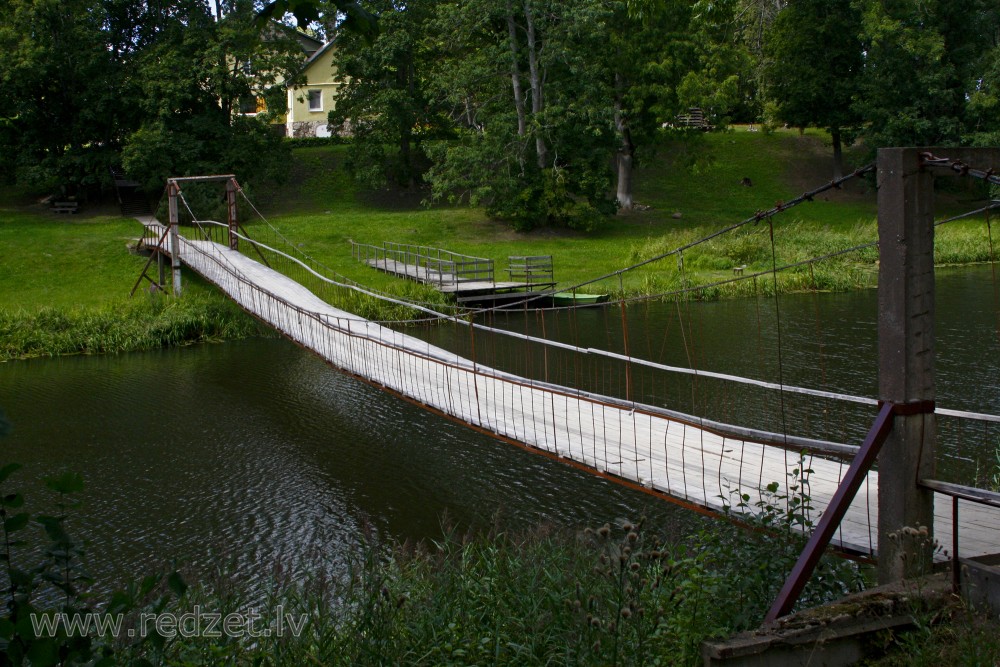
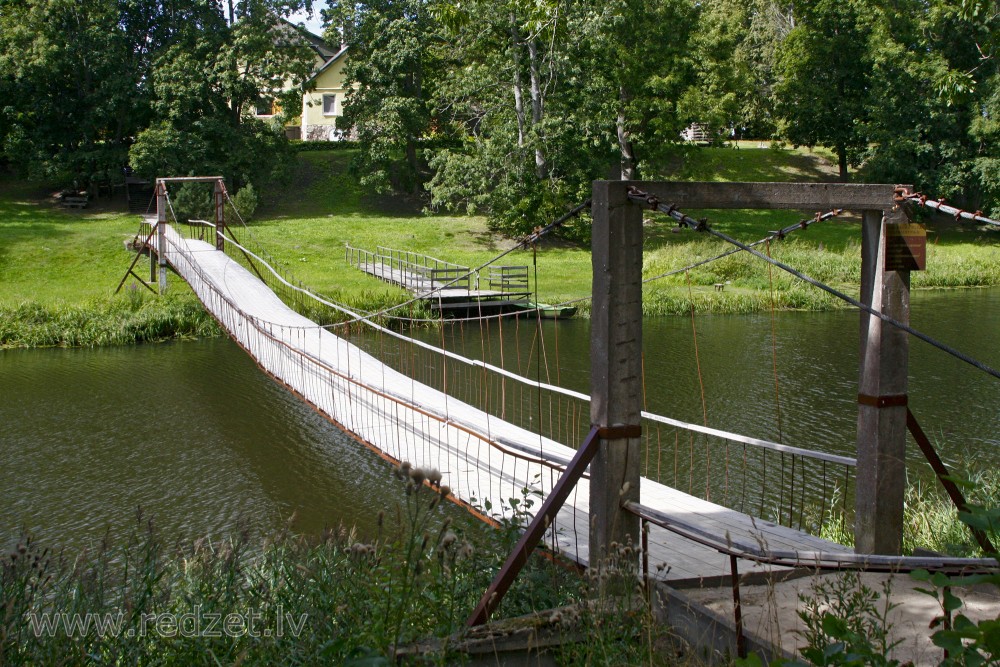
Pedestrian bridges can be made of various materials — wood, metal, concrete, or a combination of these. By structure, they may be beam bridges, cable-stayed bridges, arch bridges, or suspension bridges. Cyclists are often allowed to use them too, which is why they're sometimes called pedestrian and cycling bridges.
The main purpose of these bridges is to provide a safe, convenient crossing in places where sharing the route with vehicle traffic isn't possible or desirable — for example, near railway crossings, in parks, or in city centers. Modern pedestrian bridge designs often also consider accessibility for people with mobility impairments, using ramps or lifts instead of stairs.
Continue reading