Pavilosta Local History Museum
History
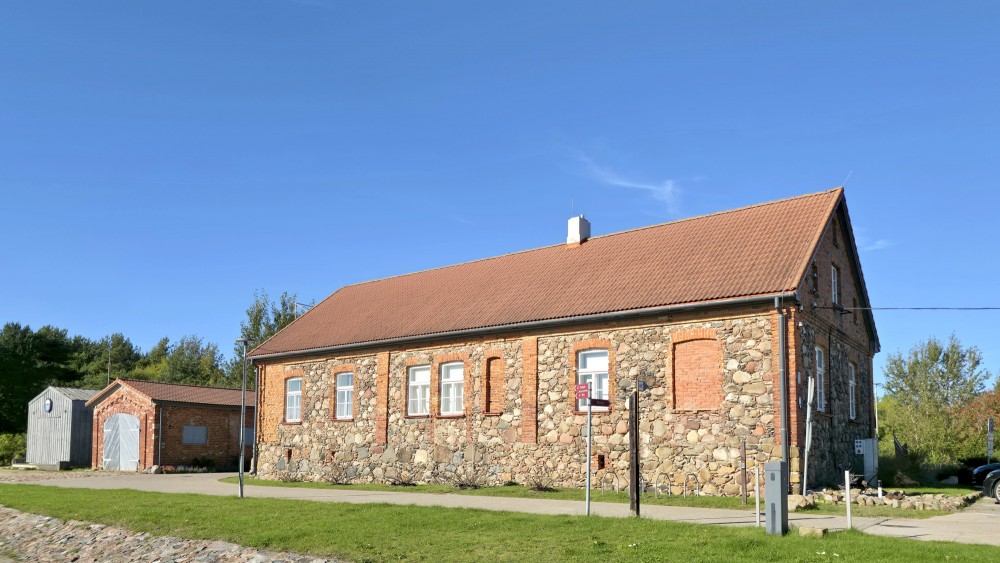
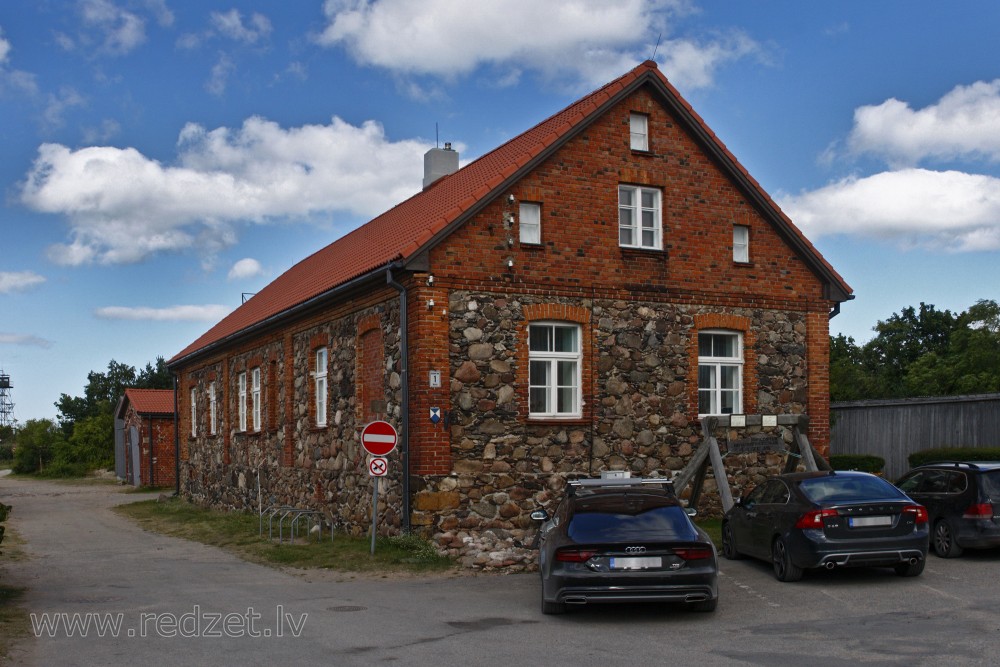
The building was constructed in 1879 by the German Baron Otto Friedrich von Lilienfeld, simultaneously with the founding of the port town Pāvilosta (Paulshafen). Built as a port pilot house, it stands as the very first masonry building in Pāvilosta. The Local History Museum opened its doors to the public here on November 17, 1992.
Architecture
The property is recognized as a local architectural monument. Built using a combination of fieldstones and red bricks with a tiled roof, it is located right on the right bank of the Saka River. The protected complex includes the main building, the Boat House, the Net House, and the historic cobblestone pavement of the river bank.
Modern Function
The museum is an accredited municipal institution dedicated to collecting, preserving, and researching the cultural and natural heritage of Pāvilosta and the Saka region. Its collection holds more than 10,000 artifacts. Permanent exhibitions focus on local history, fishing traditions, maritime heritage, and life in the coastal area during the Soviet era. The second-floor hall serves as a venue for seminars and meetings, and the museum officially hosts wedding registration ceremonies.
Interesting Facts
- The museum houses ancient archaeological finds from the Saka parish, including stone and bone axes, as well as forged bronze brooches and belts.
- It boasts a unique historical honey press—a rare tool not found even in the Latvian Ethnographic Open-Air Museum in Riga.
- Visitors can experience interactive elements, such as using 3D virtual reality glasses to join local fishermen catching herring and lamprey in the Saka River and the Baltic Sea.