Palanga City, Lithuania
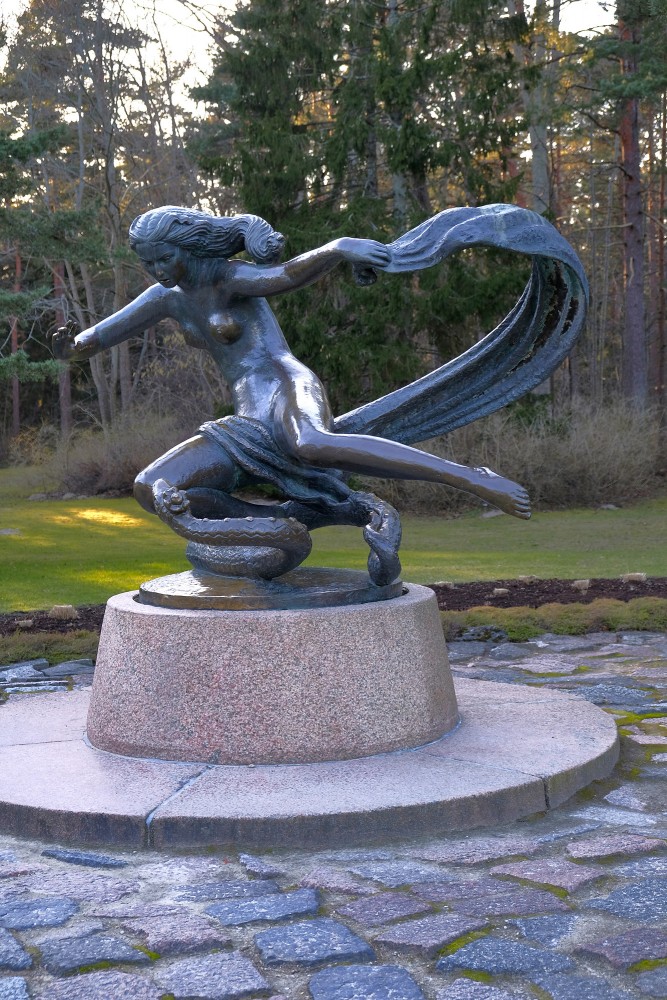
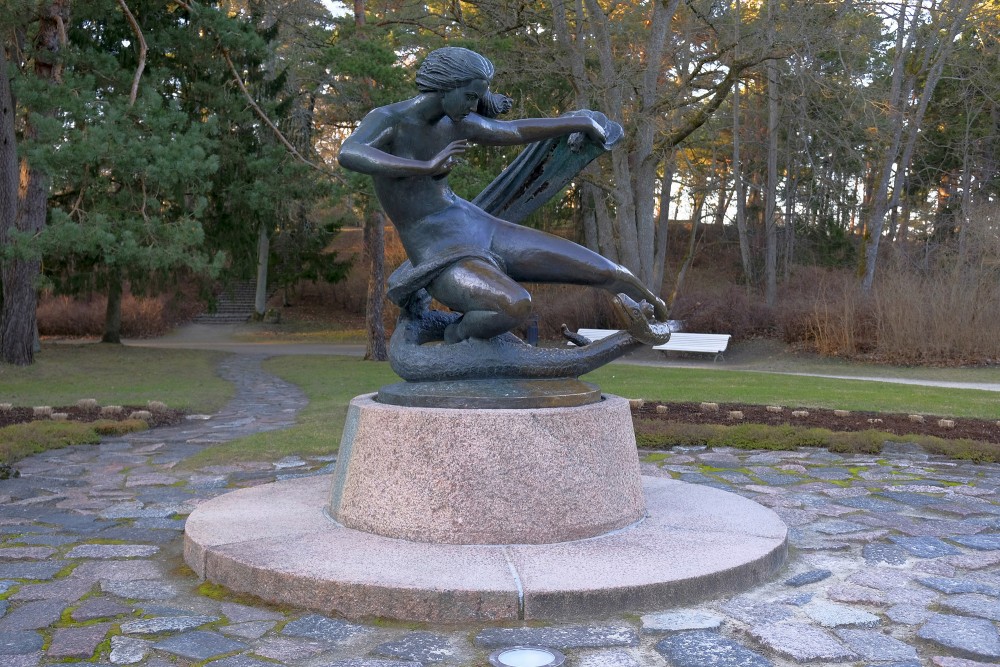
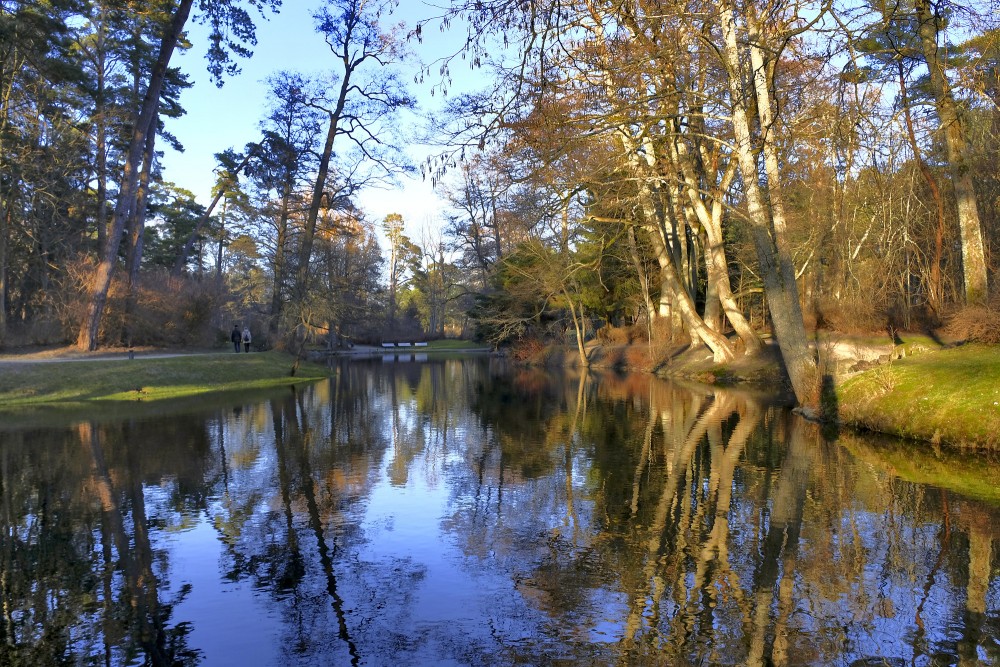
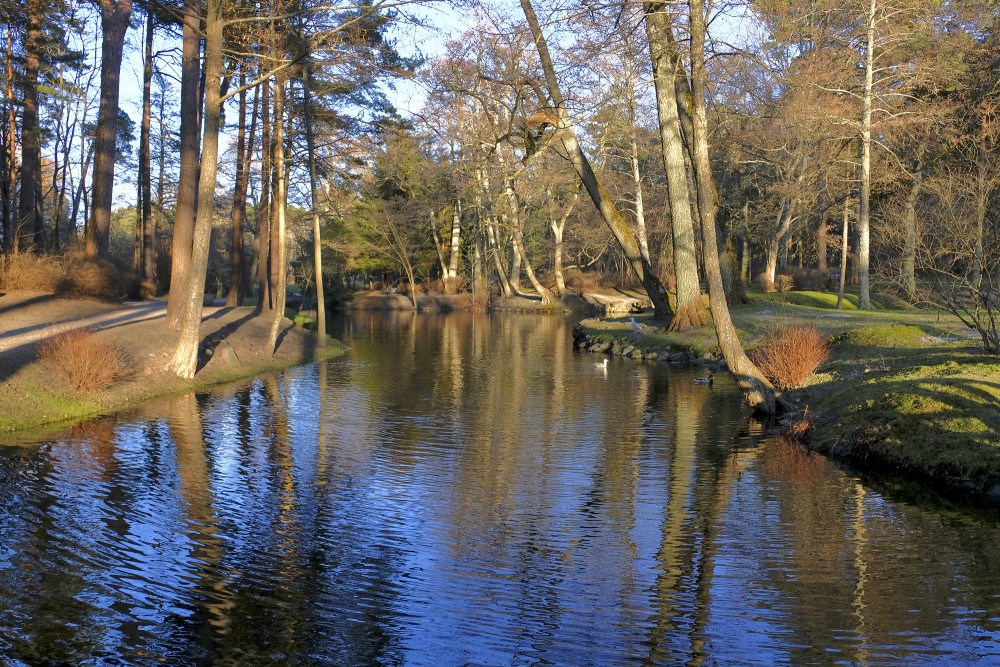
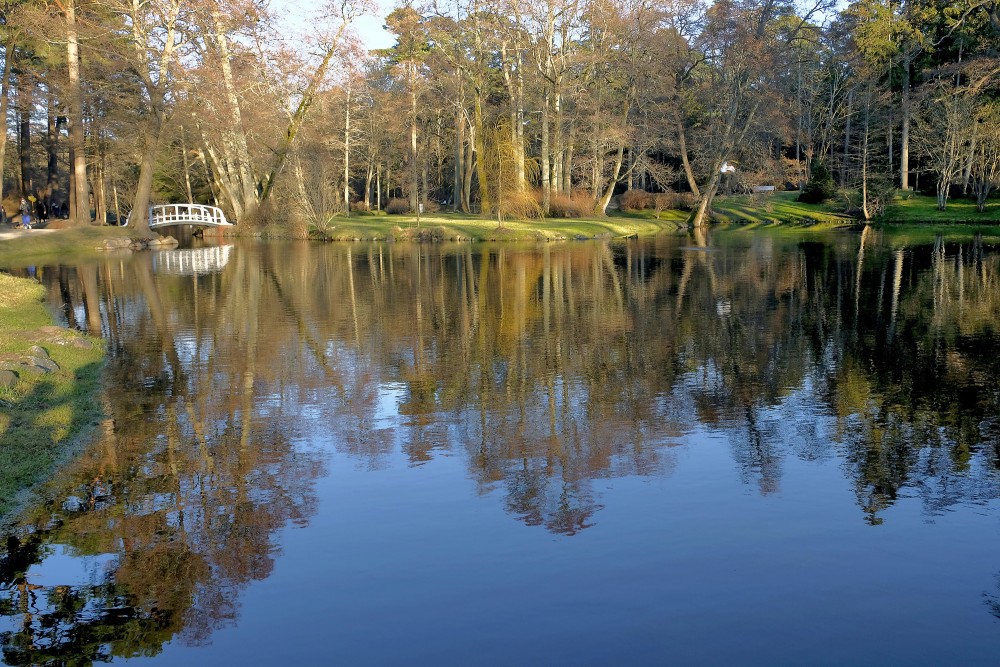
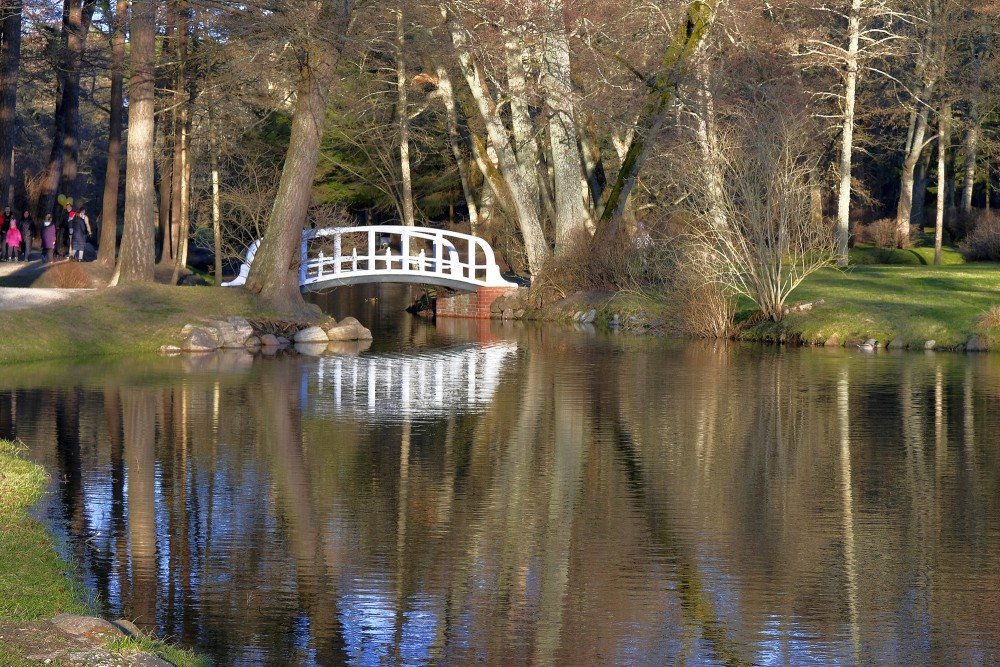
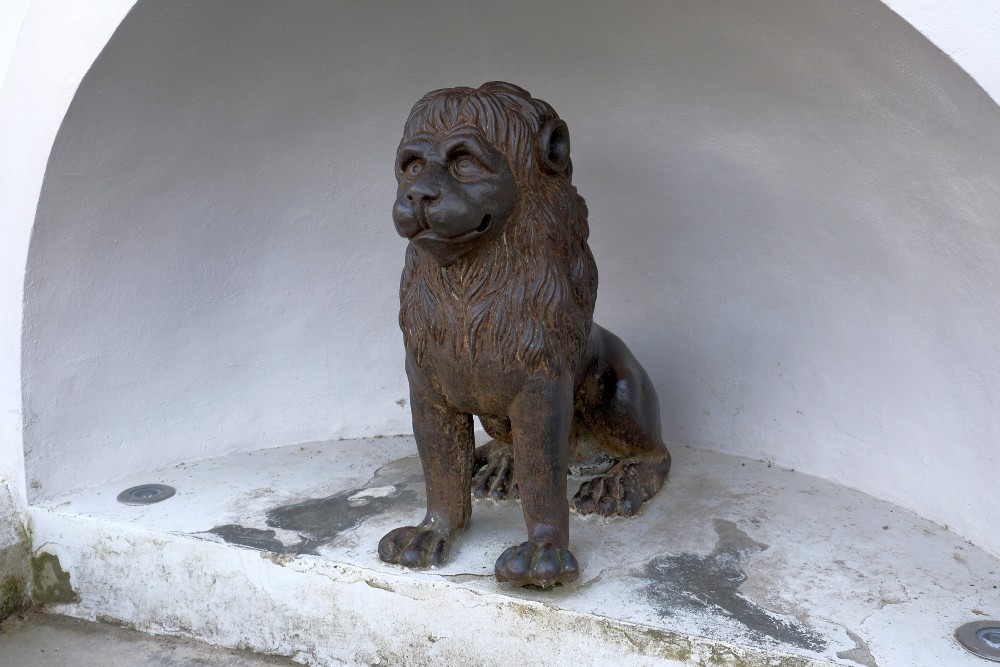
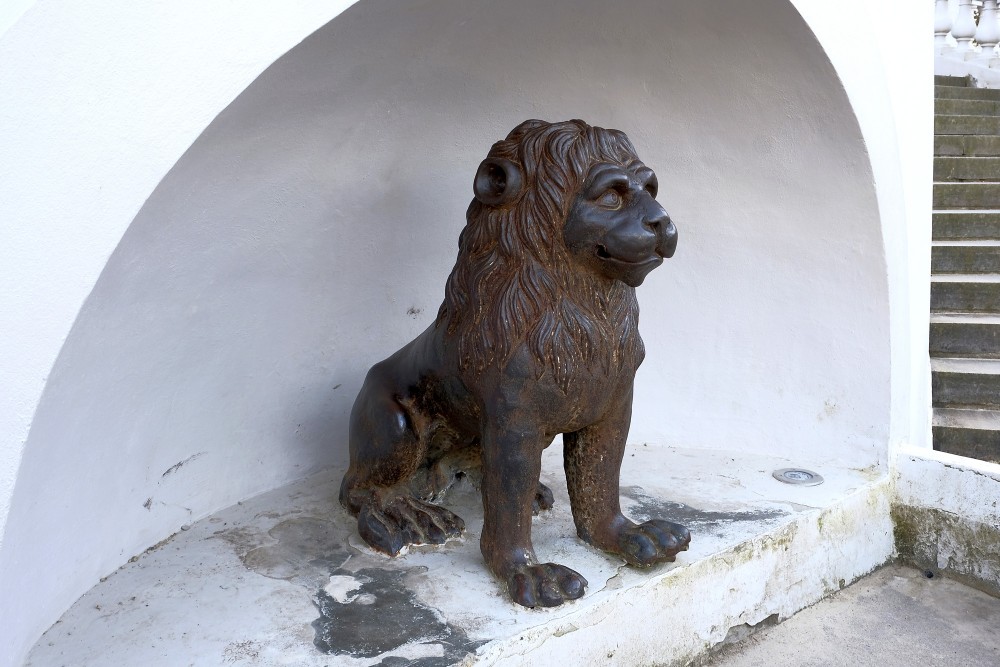
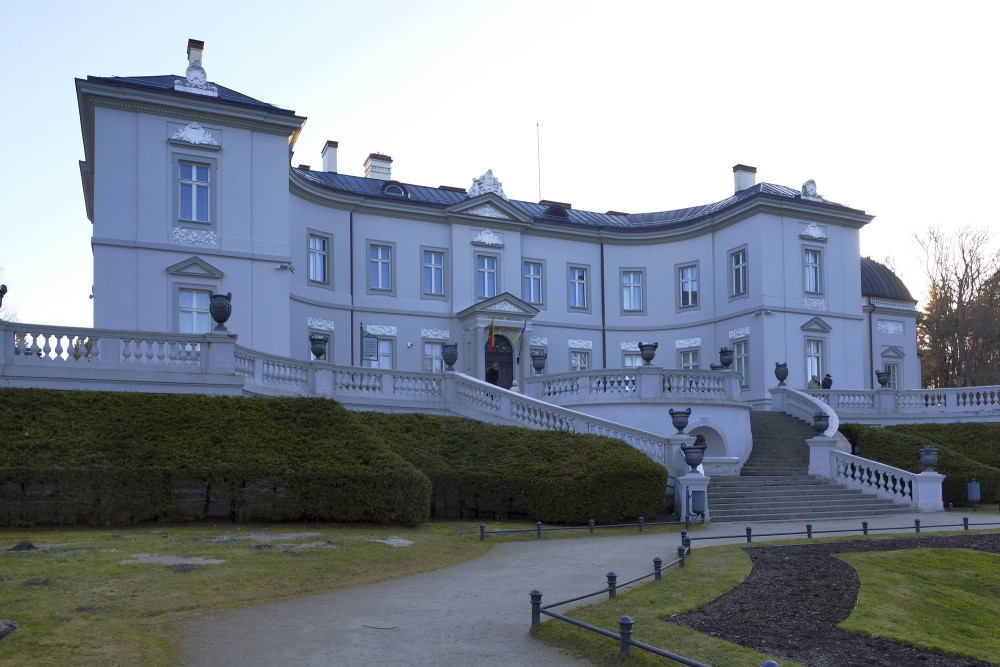
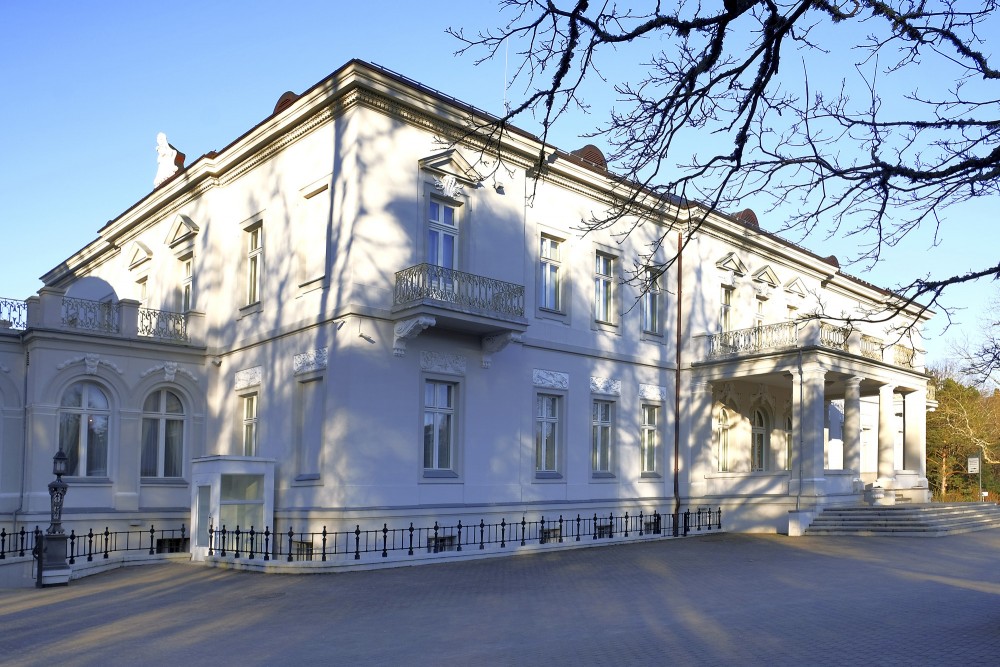
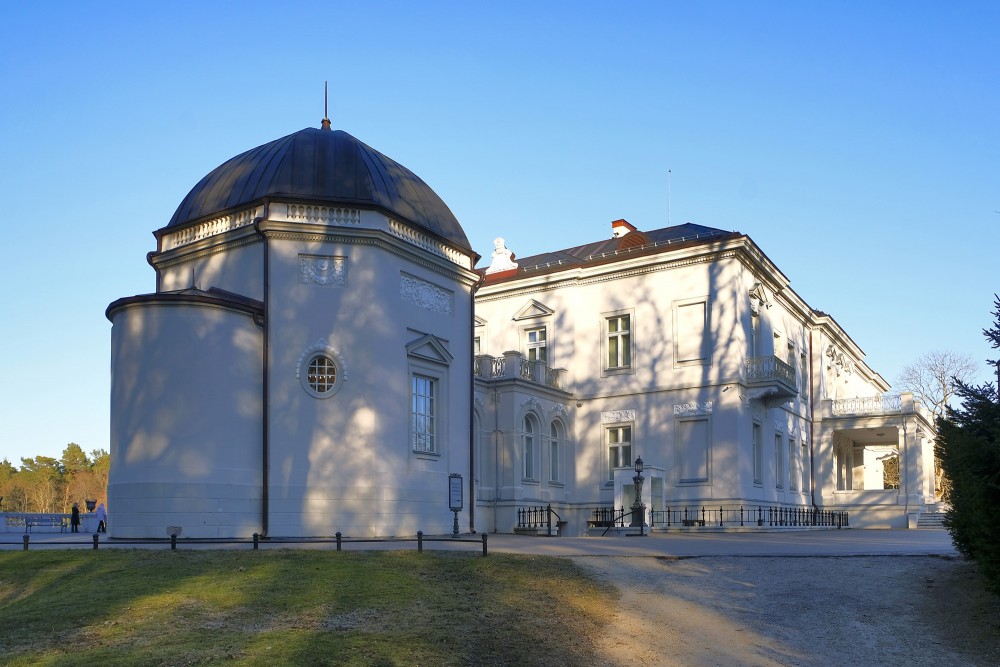
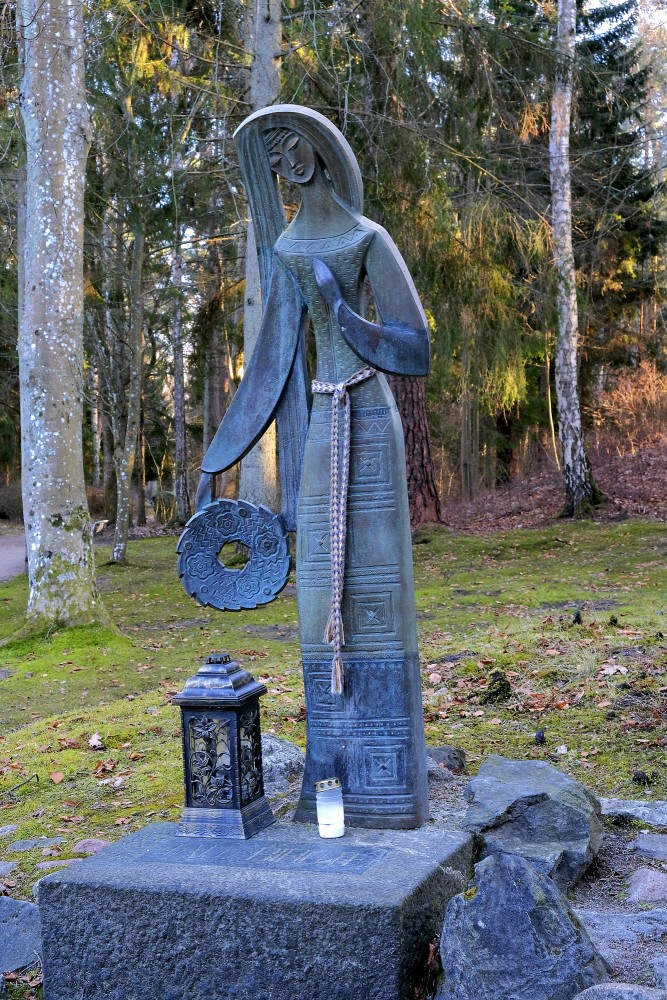
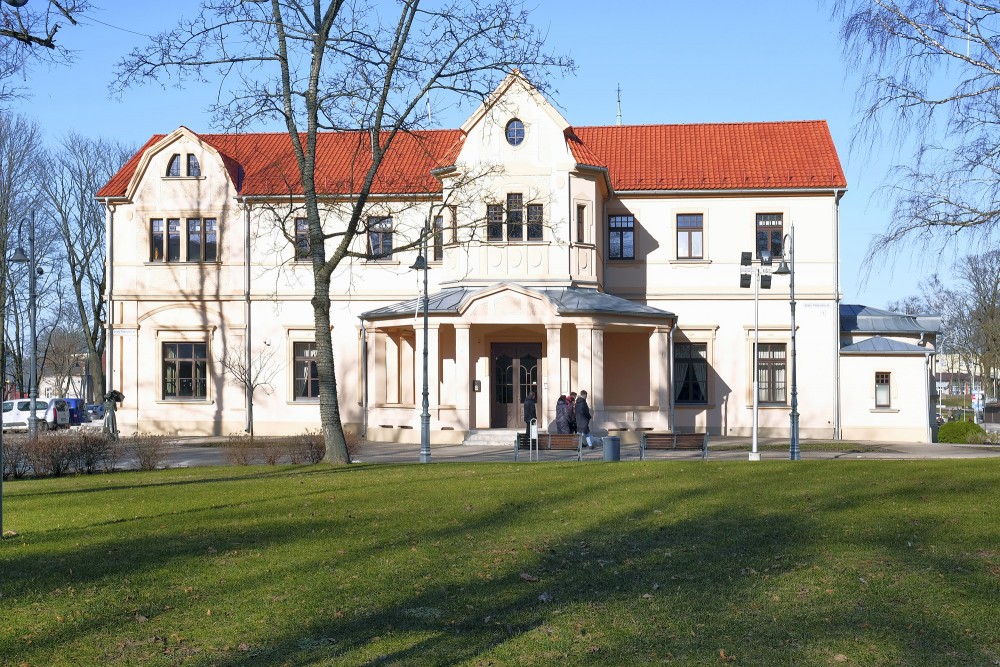
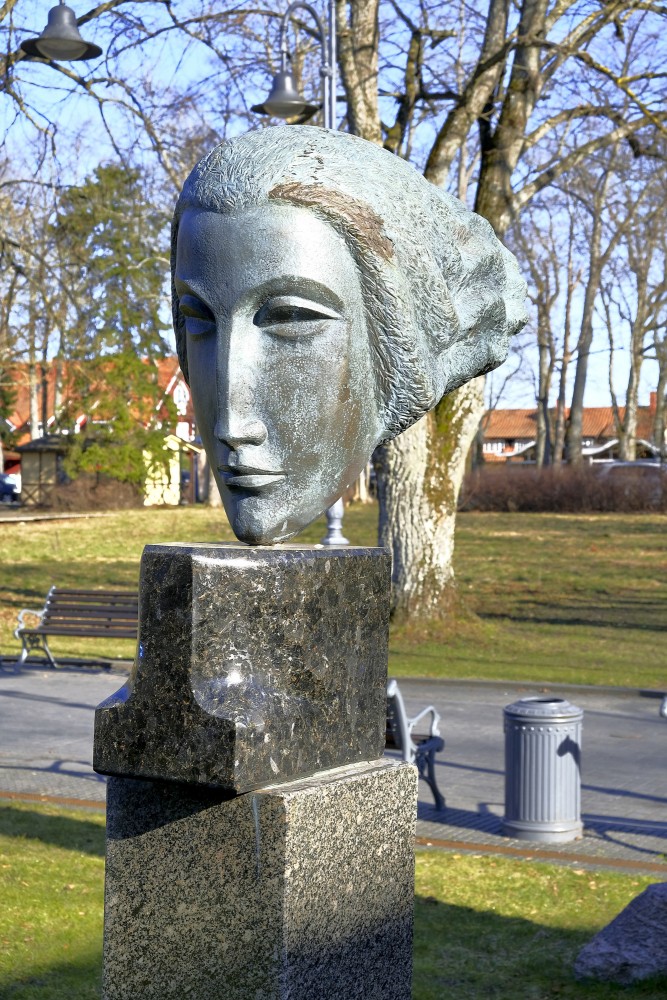
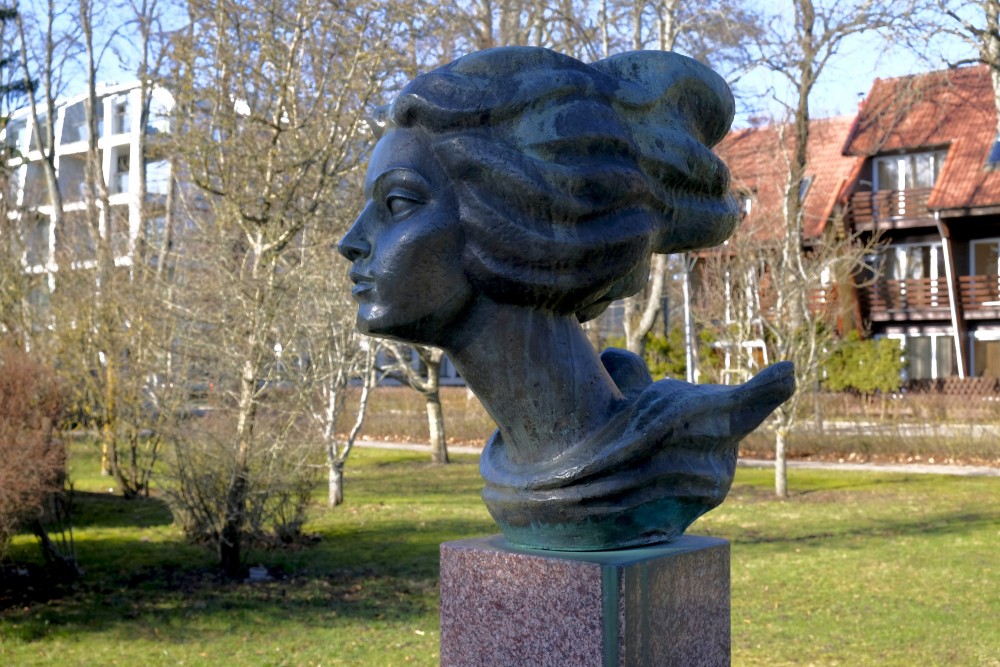
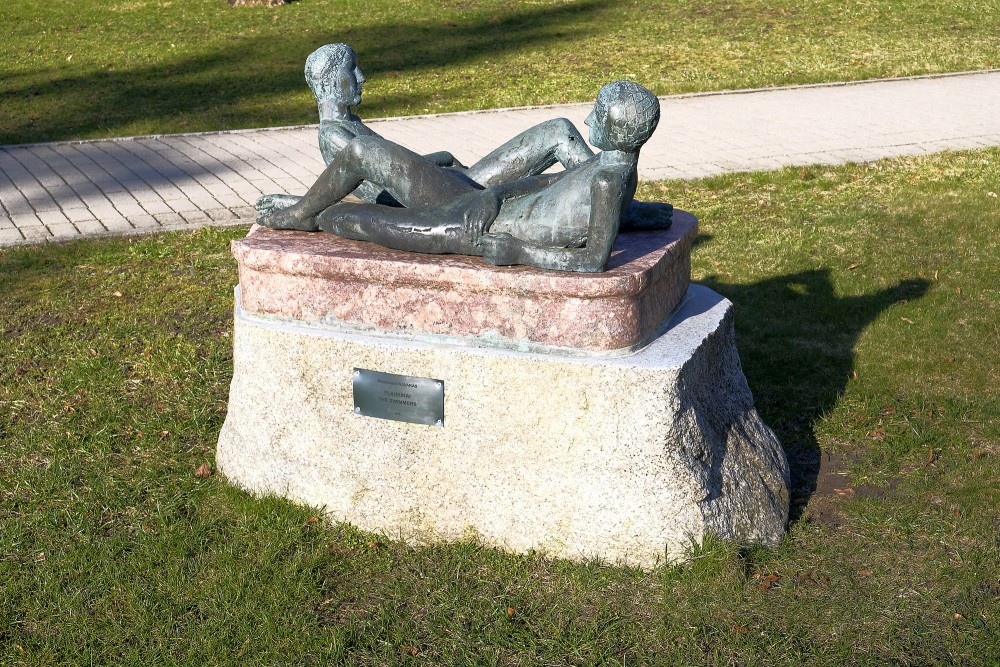
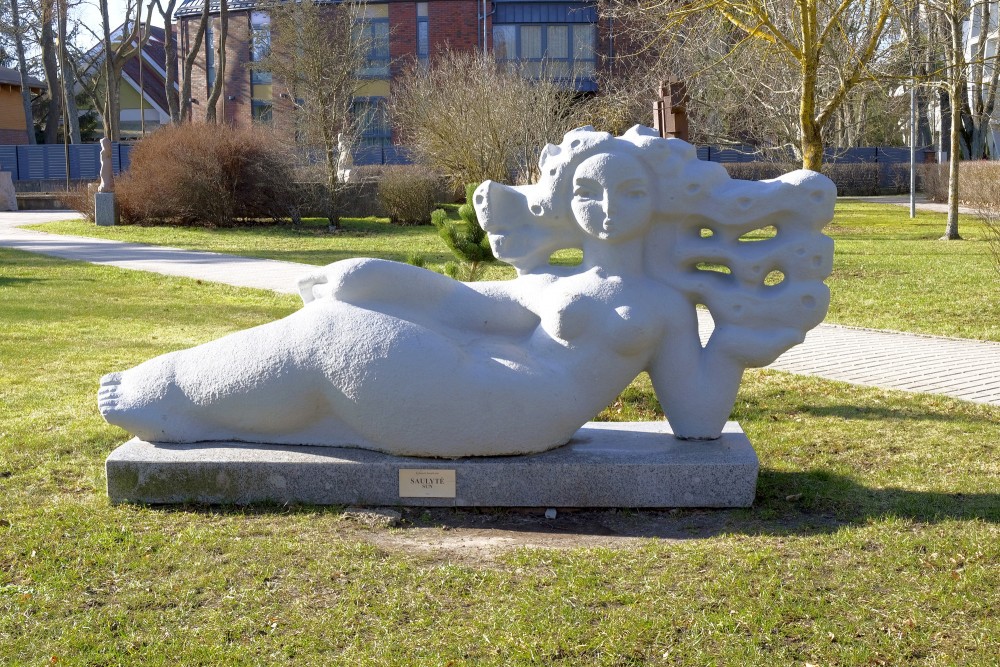
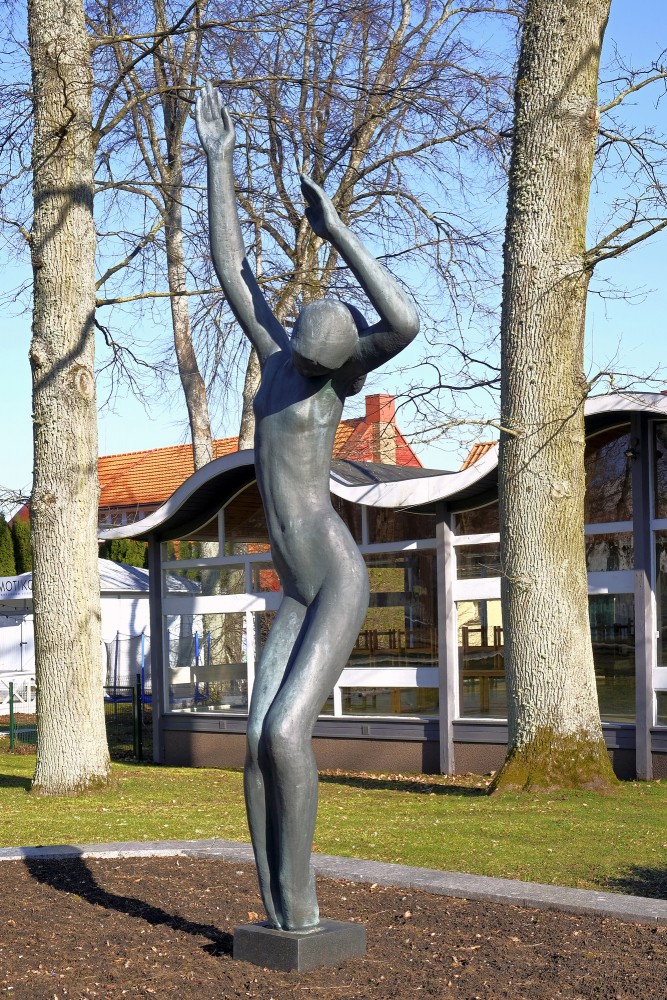
Palanga is more than just a summer resort; it is a city with deep aristocratic roots. Its golden age began in the 19th century thanks to the Count Tiškevičius family, who established a luxurious residence and park here. Today, the Tiškevičius Palace houses one of the largest Amber Museums in the world, containing thousands of unique exhibits. Surrounding the palace is Birutė Park—one of the most beautiful and well-maintained botanical gardens in the Baltics, where centuries-old pines mingle with carefully tended rose beds and classical sculptures.
The Vibrant Heart of the City
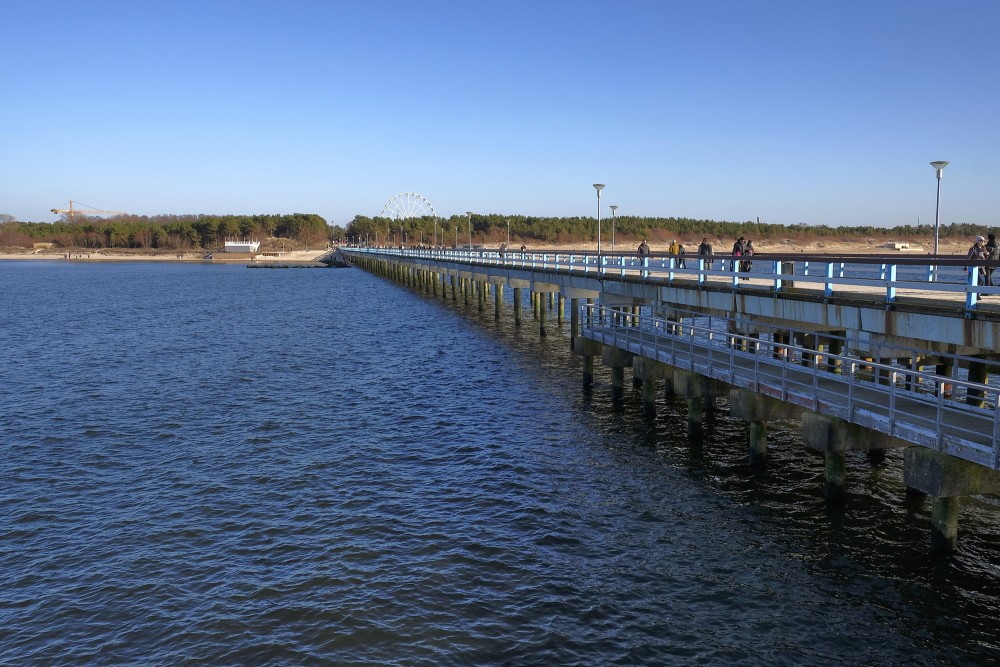
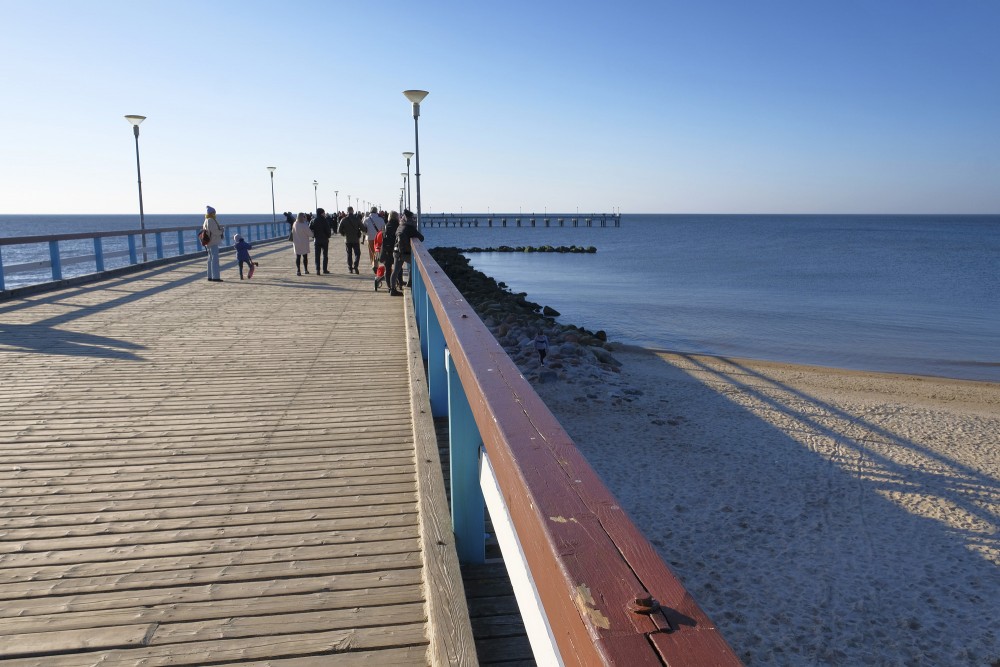
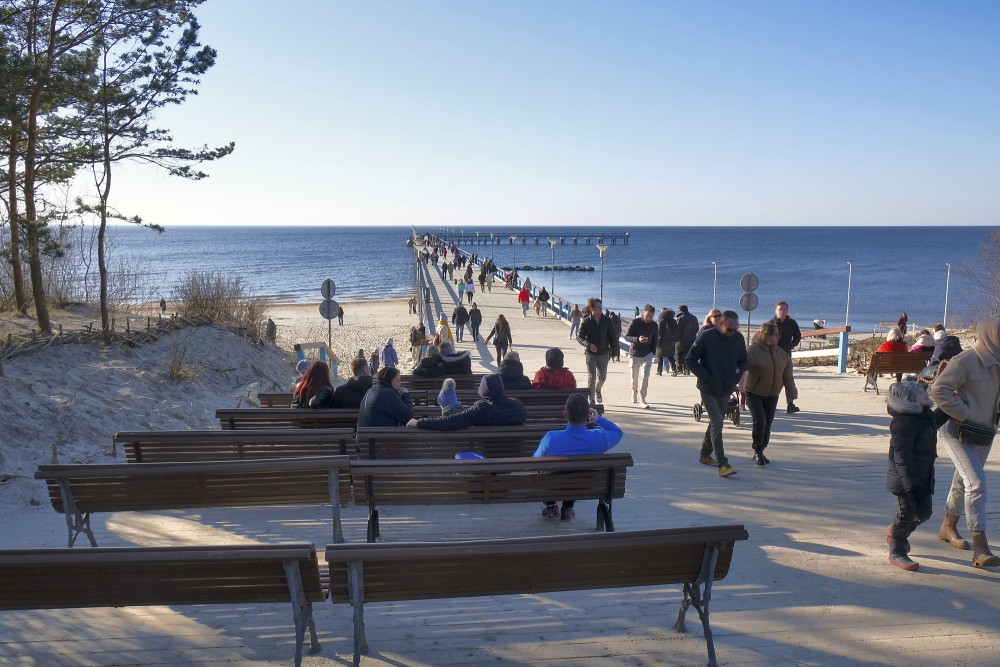
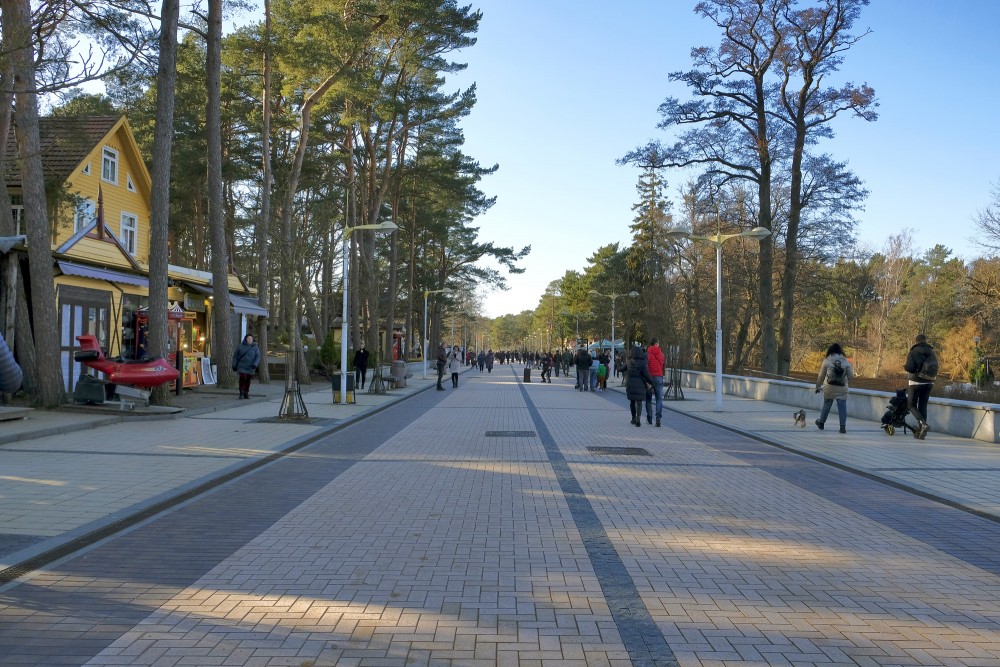
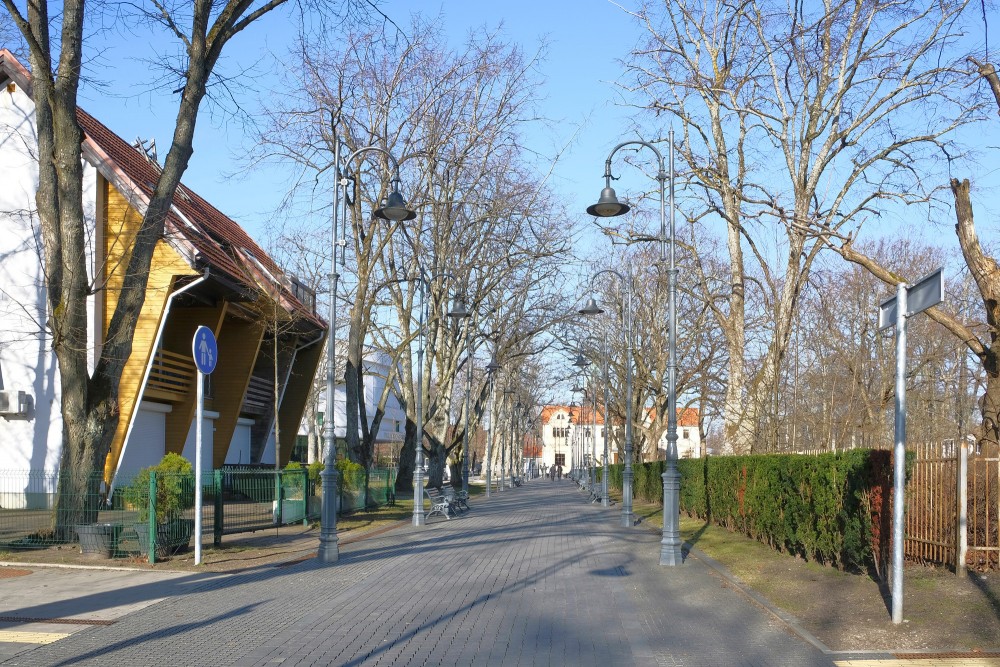
The life energy of Palanga is concentrated on J. Basanavičius Street—a pedestrian promenade bustling with cafes, street artists, and souvenir vendors. It leads directly to the town's main symbol: the Palanga Pier, which stretches nearly 500 meters into the sea. This is the most popular spot for watching sunsets, where the sea breeze and the sound of crashing waves create an unforgettable atmosphere. Meanwhile, the white sand beaches stretching for kilometers have been awarded the "Blue Flag," certifying their cleanliness and high standards of service.
Active Leisure and Wellness
Modern Palanga offers extensive opportunities for health improvement and an active lifestyle. The city is famous for its pine-scented air, which is particularly beneficial for the respiratory system, and its numerous SPA centers that utilize local mineral waters and mud treatments. Excellent bicycle paths wind through the city, leading along the coast all the way to Šventoji in the north or Klaipėda in the south, allowing travelers to enjoy untouched nature and coastal dune landscapes.
Continue reading