Ornamental plant
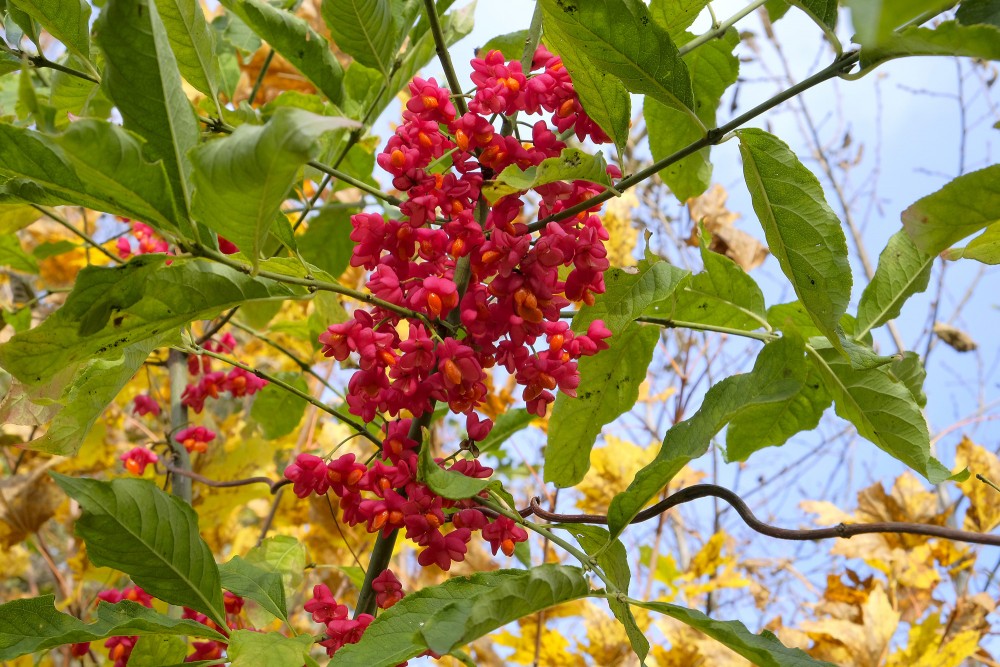
Ornamental plants are plants that are grown for decorative purposes in gardens and landscape designprojects, as houseplants, for cut flowers and specimen display. The cultivation of these, called floriculture, forms a major branch of horticulture.
Garden plants
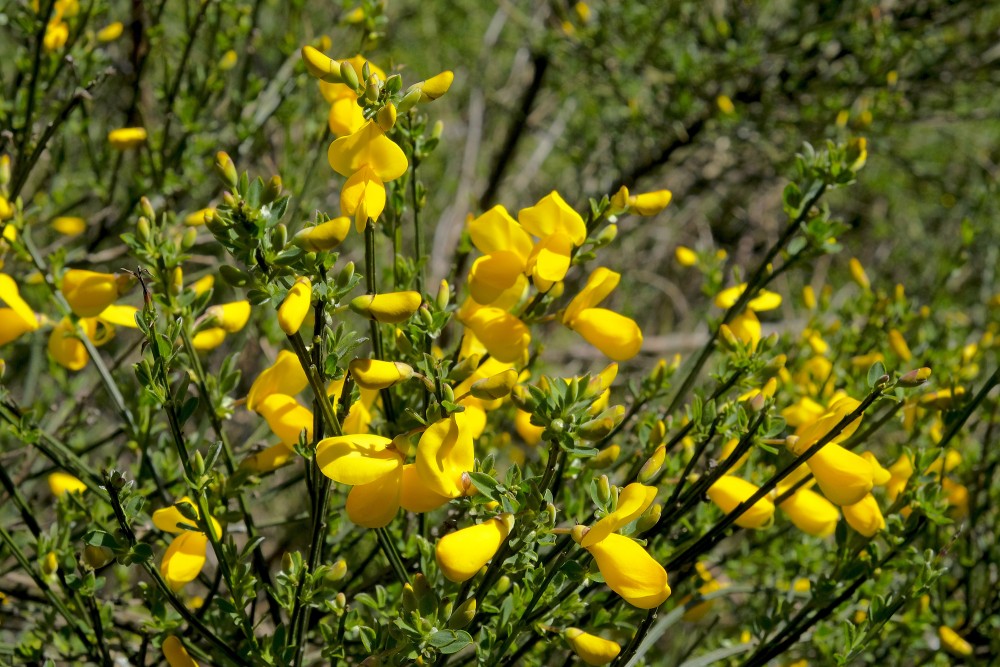
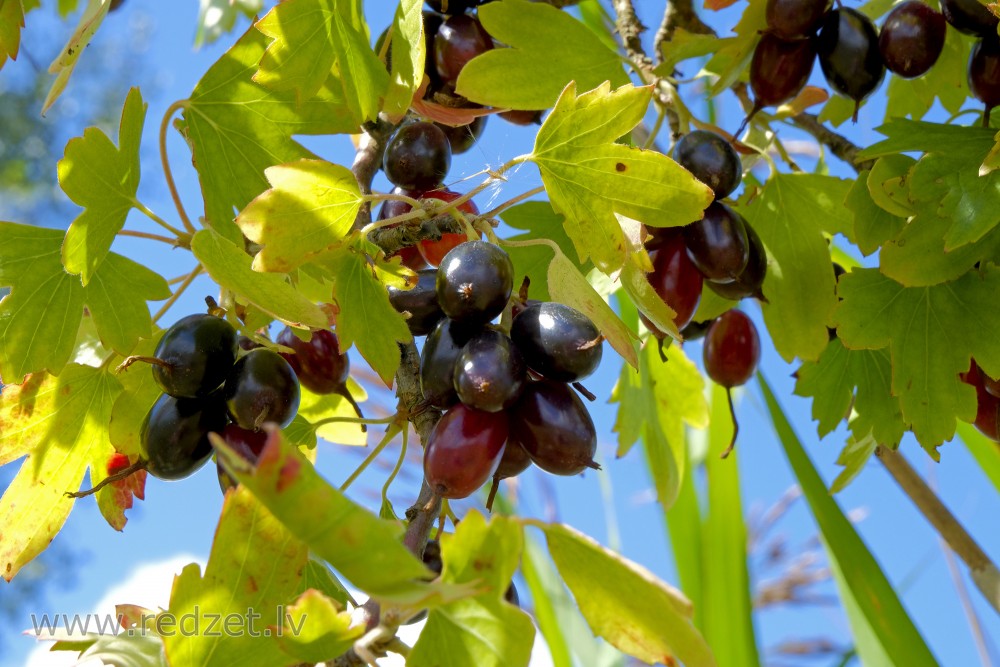
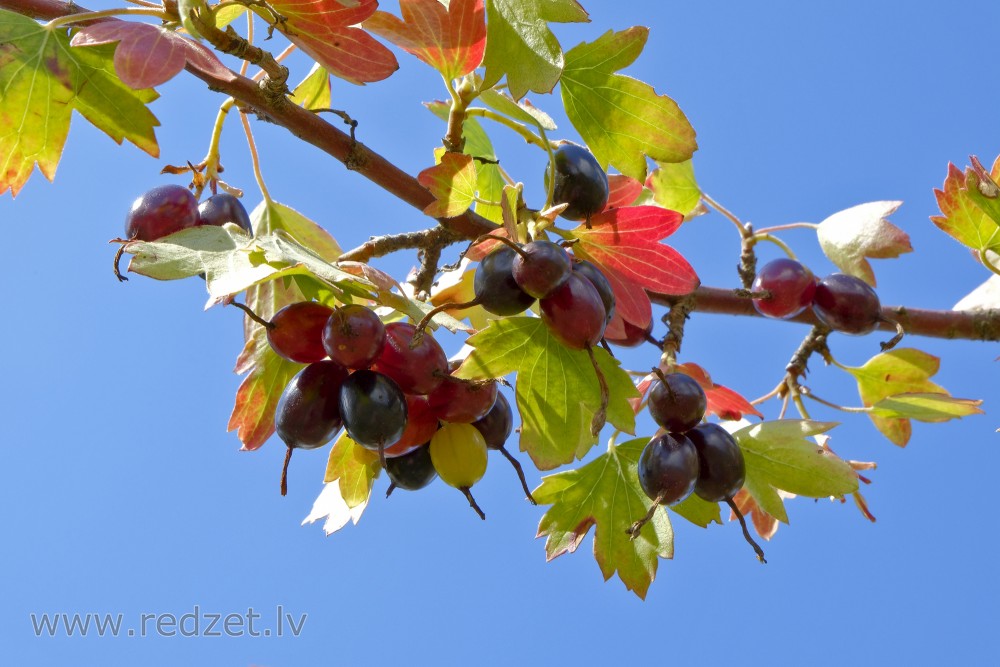
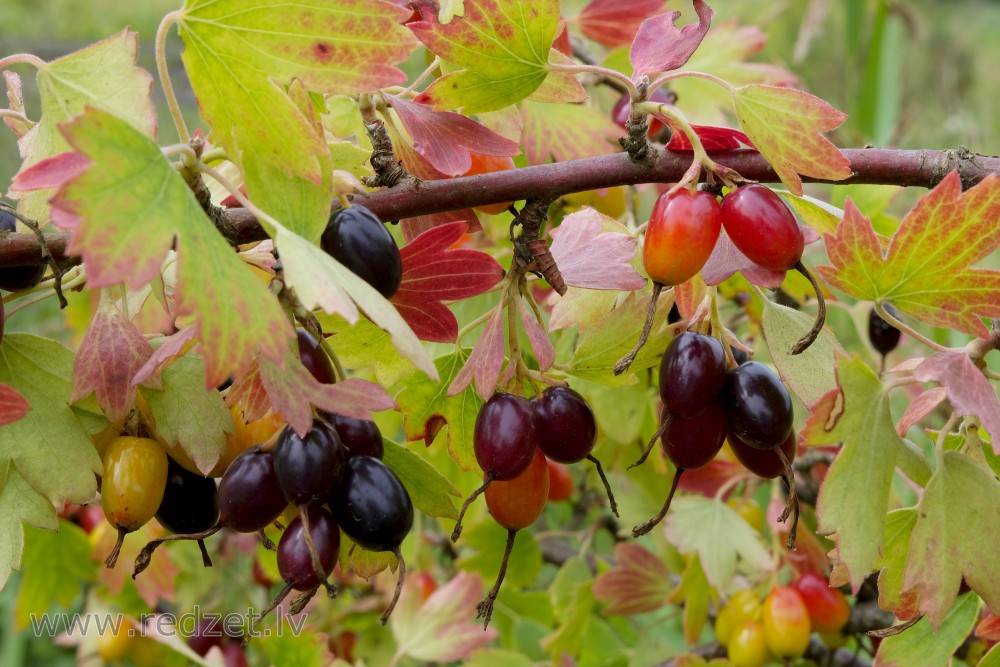
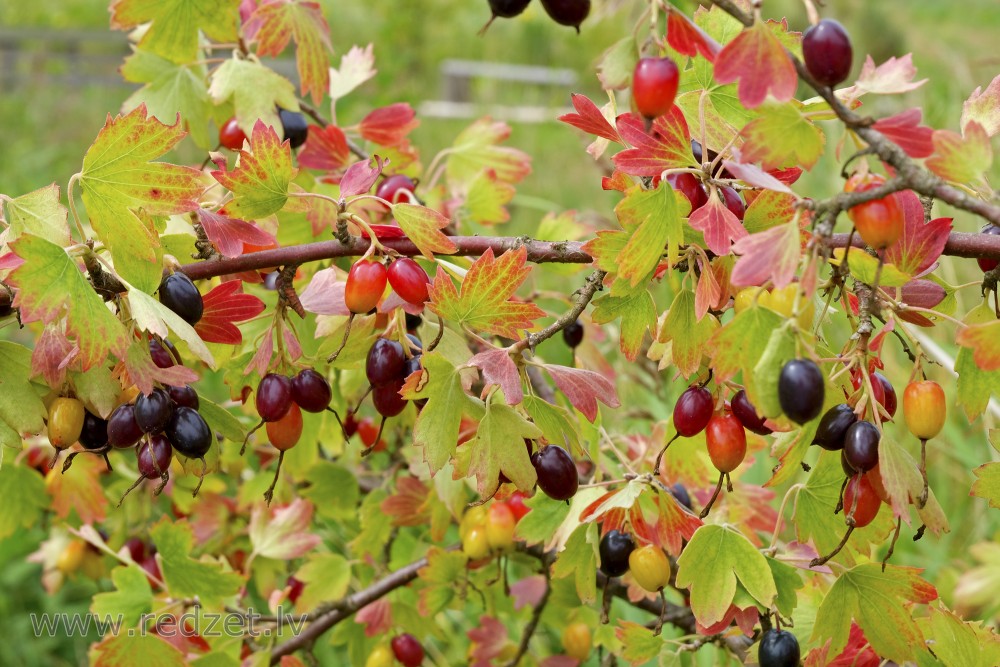
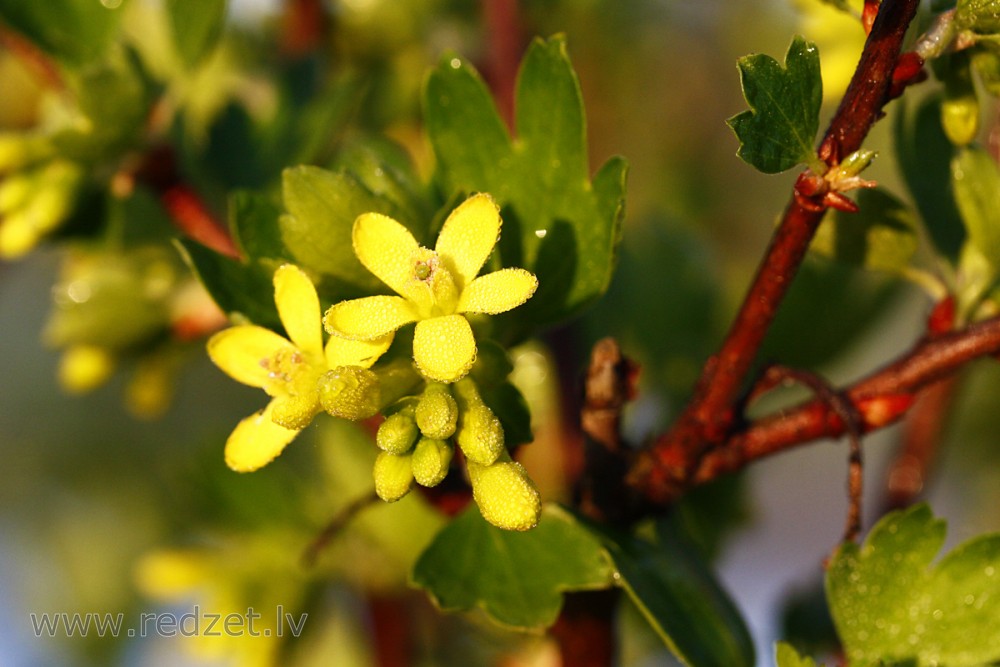
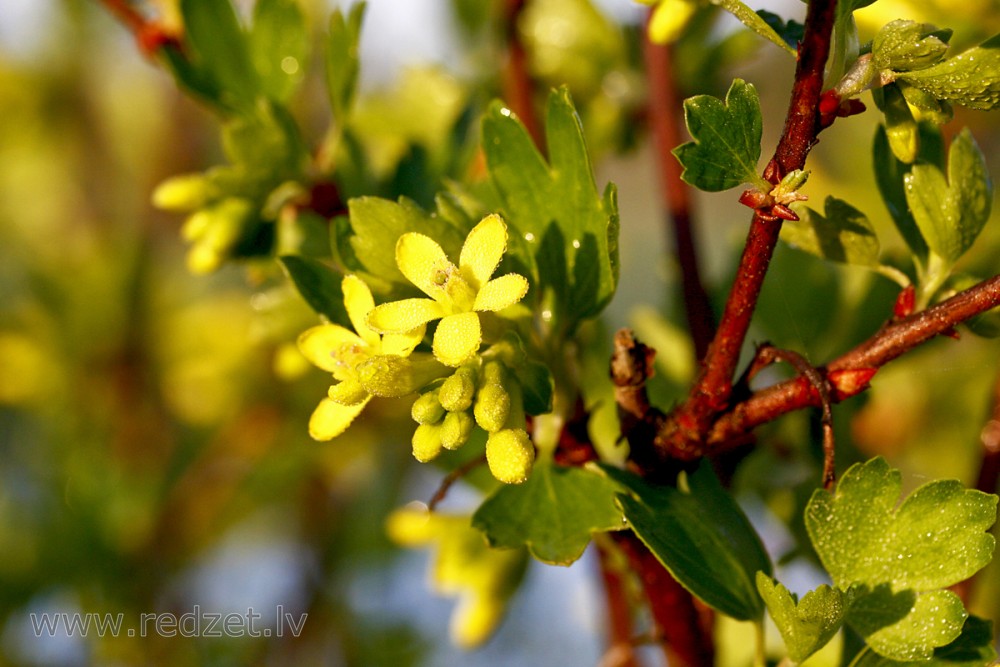
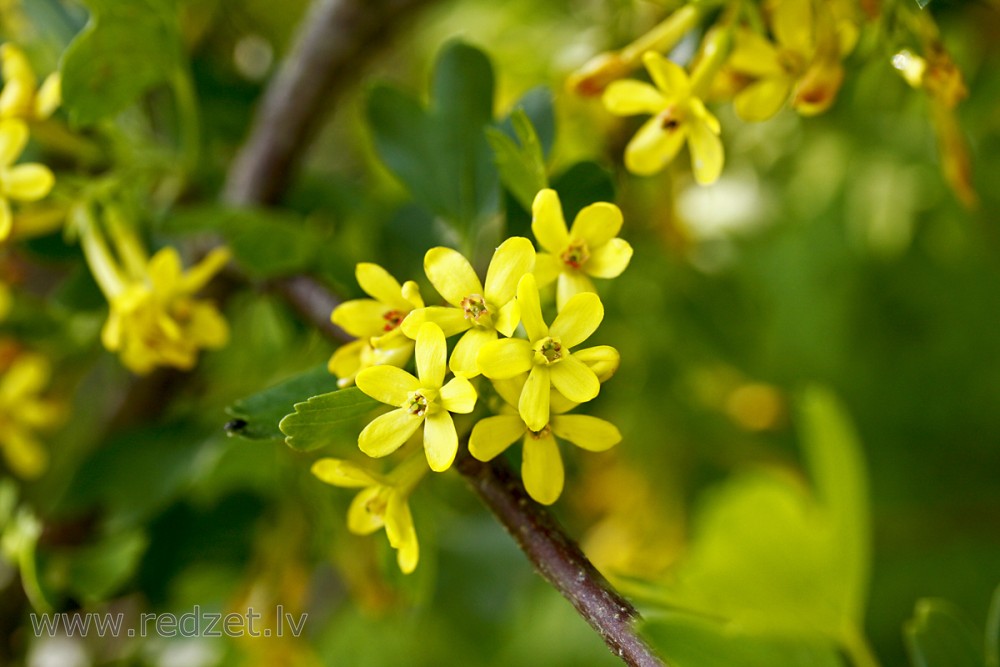
Commonly, ornamental [garden] plants are grown for the display of aesthetic features including: flowers, leaves, scent, overall foliage texture, fruit, stem and bark, and aesthetic form. In some cases, unusual features may be considered to be of interest, such as the prominent thorns of Rosa sericea and cacti. In all cases, their purpose is for the enjoyment of gardeners, visitors, and the public institutions.
Trees
Similarly certain trees may be called ornamental trees. This term is used when they are used as part of a garden, park, or landscape setting, for instance for their flowers, their texture, form, size and shape, and other aesthetic characteristics. In some countries trees in 'utilitarian' landscape use such as screening, and roadside plantings are called amenity trees.
Grasses
Ornamental grasses are grasses grown as ornamental plants. Many ornamental grasses are true grasses (Poaceae), however several other families of grass-like plants are typically marketed as ornamental grasses. These include the sedges (Cyperaceae), rushes (Juncaceae), restios(Restionaceae), and cat-tails (Typhaceae). All are monocotyledons, typically with narrow leaves and parallel veins. Most are herbaceous perennials, though many are evergreen and some develop woody tissues. Ornamental grasses are popular in many countries. They bring striking linear form, texture, color, motion, and sound to the garden, throughout the year.
Ornamental grasses are popular in many colder hardiness zones for their resilience to cold temperatures and aesthetic value throughout fall and winter seasons.
Cultivation
For plants to be considered to be ornamental, they may require specific work and activity by a gardener. For instance, many plants cultivated for topiary and bonsai would only be considered to be ornamental by virtue of the regular pruning carried out on them by the gardener, and they may rapidly cease to be ornamental if the work was abandoned.
Ornamental plants and trees are distinguished from utilitarian and crop plants, such as those used for agriculture and vegetable crops, and for forestry or as fruit trees. This does not preclude any particular type of plant being grown both for ornamental qualities in the garden, and for utilitarian purposes in other settings. Thus lavender is typically grown as an ornamental plant in gardens, but may also be grown as a crop plant for the production of lavender oil.
en.wikipedia.org
https://en.wikipedia.org/wiki/Ornamental_plant
Continue reading