Hill Ķēniņkalns
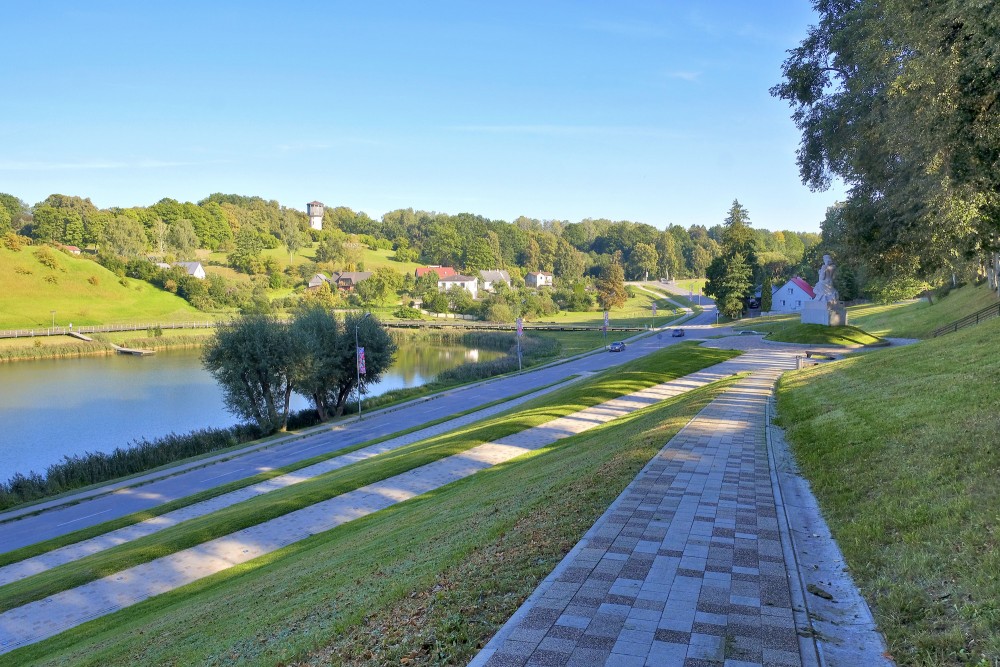
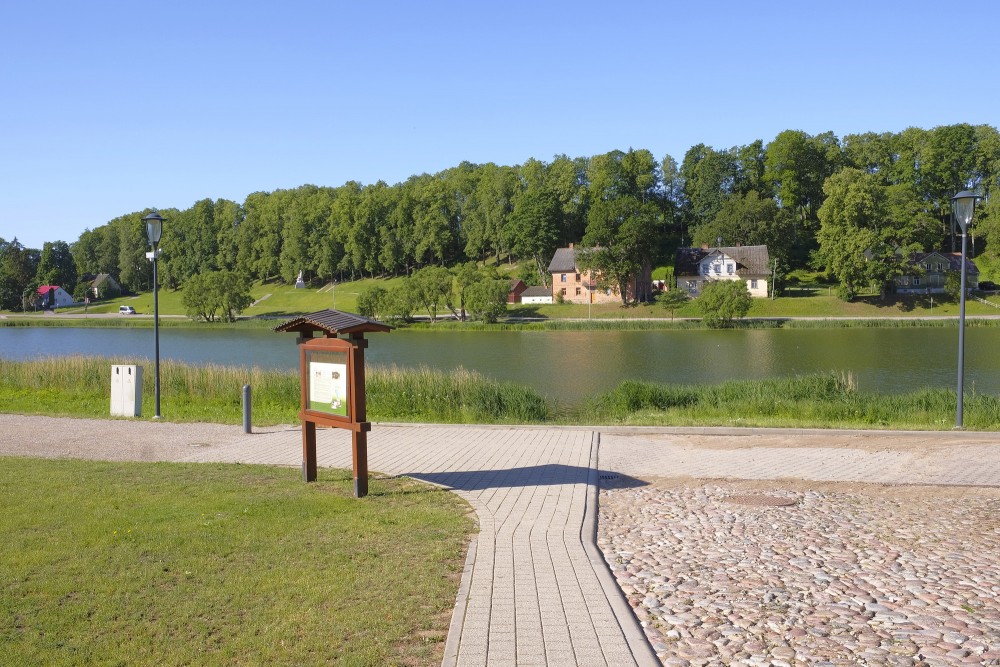
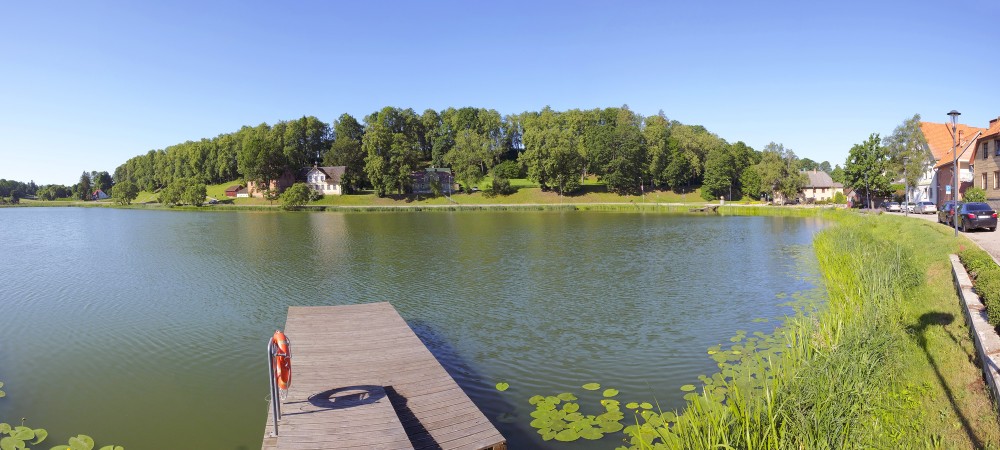
Ķēniņkalns (also known as the King's Hill, City Garden, or Kaiser's Garden) is one of the nine iconic hills of Talsi. Rising 93 meters above sea level, it is located in the heart of the town, adjacent to the Talsi Folk House.
History
Until the late 19th century, the hill was overgrown with brushwood. The transformation into a public park began in the spring of 1895, led by the local doctor Gustavs Blāze and a dedicated garden committee. Baron von Hahn of Pastende granted the land for the park. Local residents cleared the hill, donated trees, and helped landscape three terraces with walking paths and benches. The public park officially opened in May 1897. In 1958, the Festival Square was constructed at the foot of the hill, becoming a major venue for open-air concerts and celebrations for several decades.
Modern Function
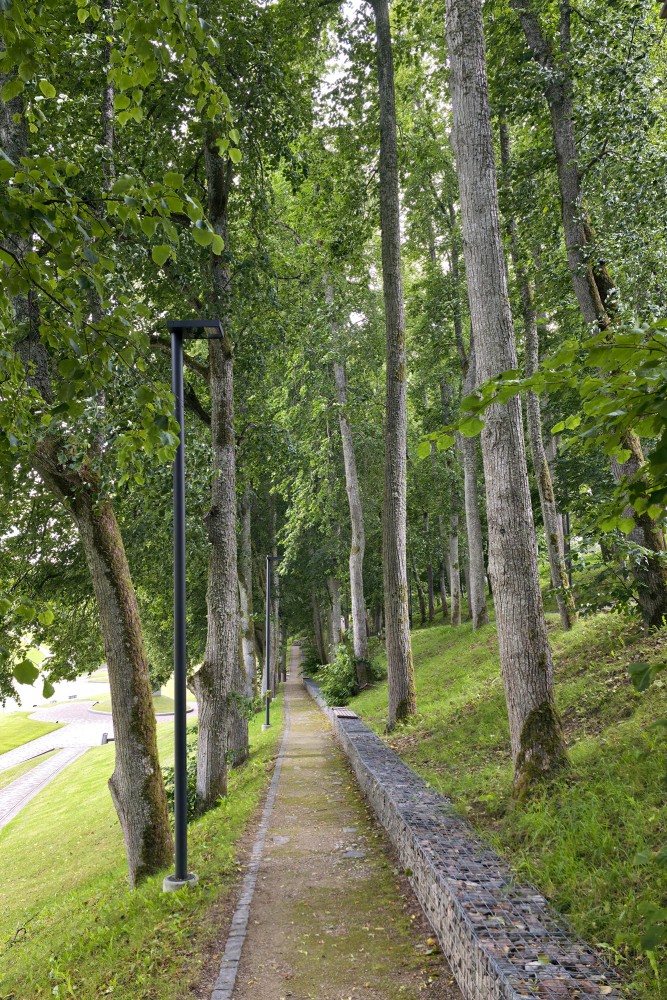
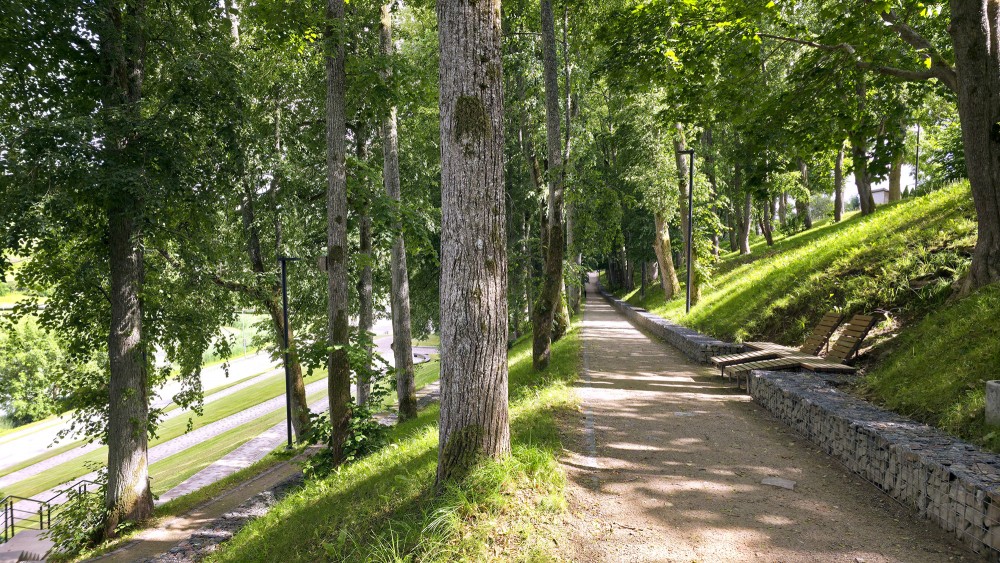
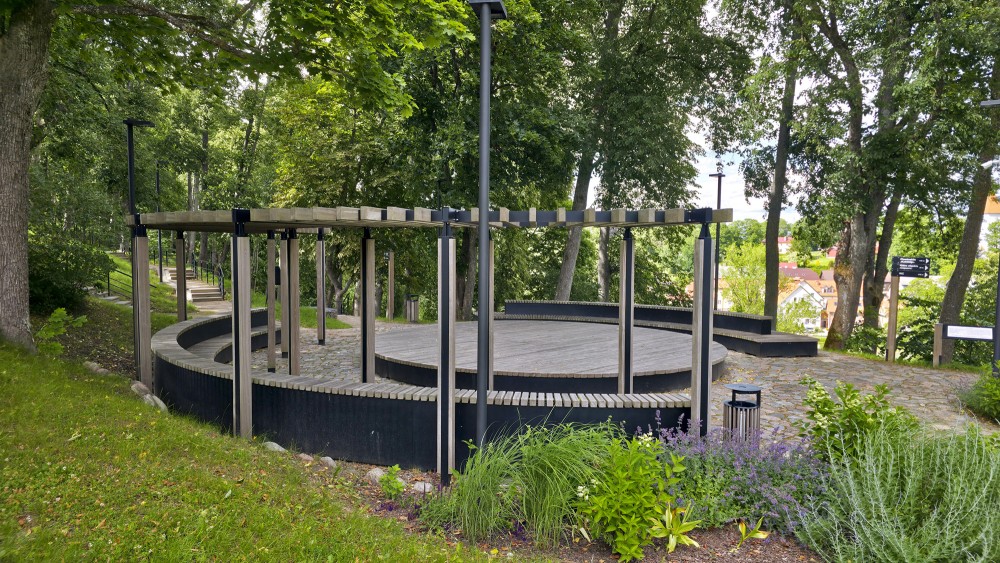
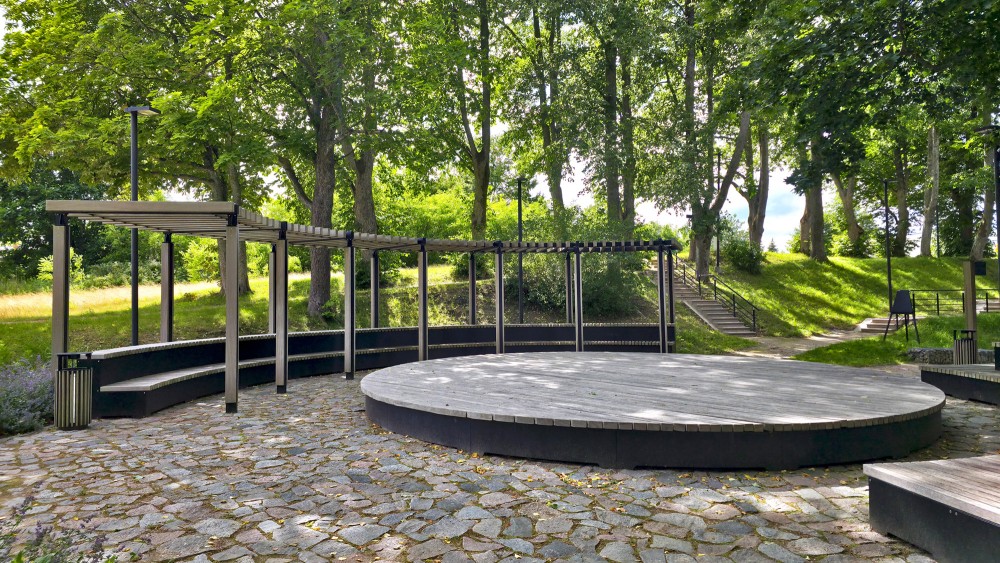
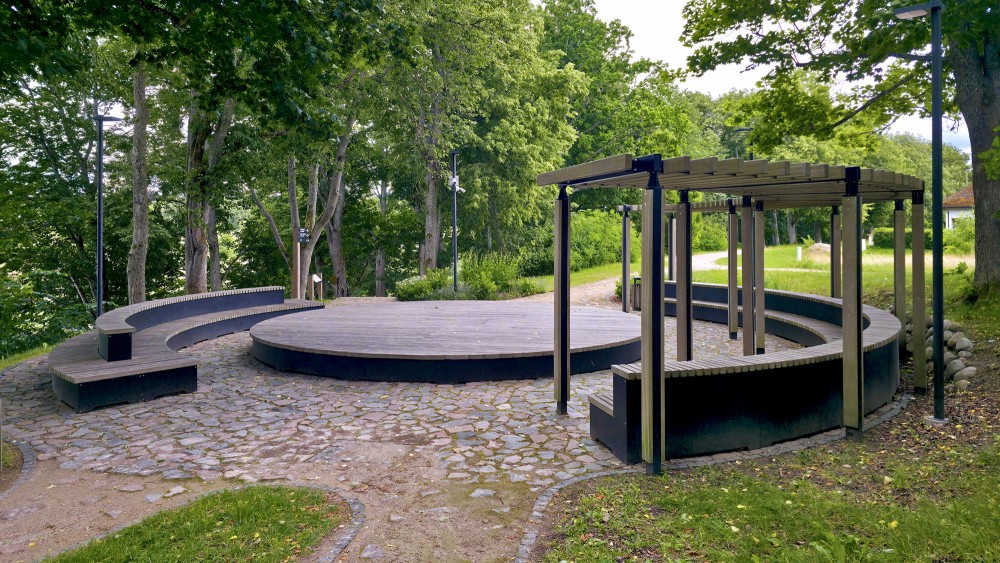
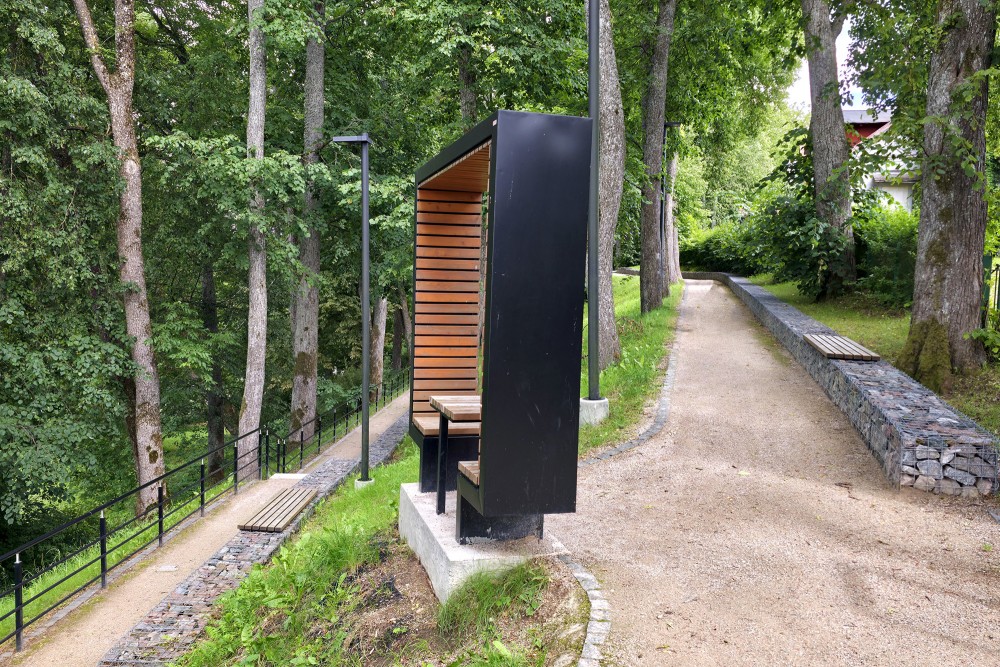
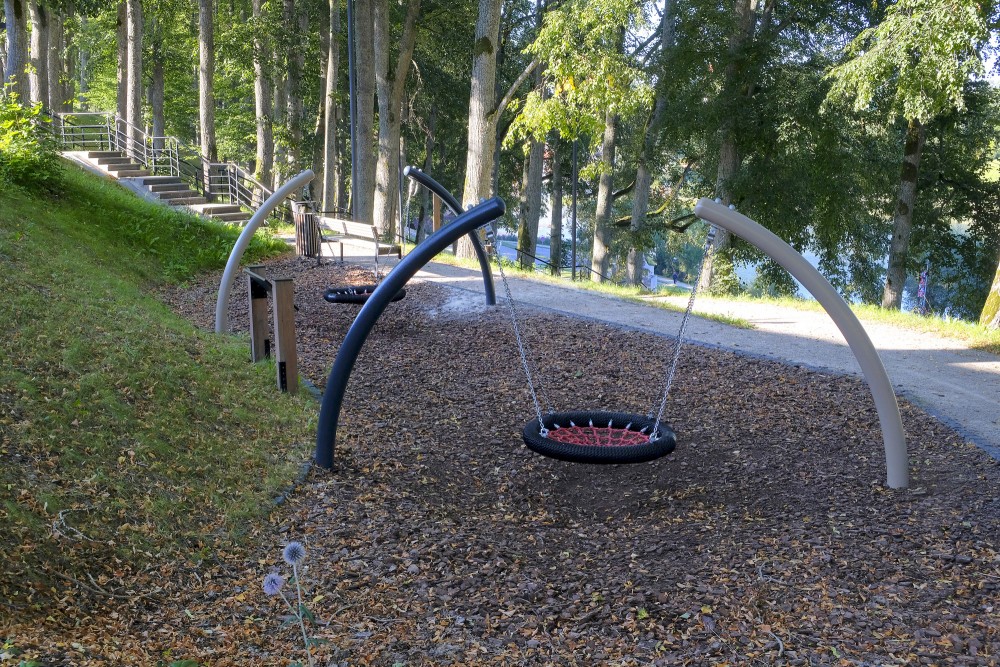
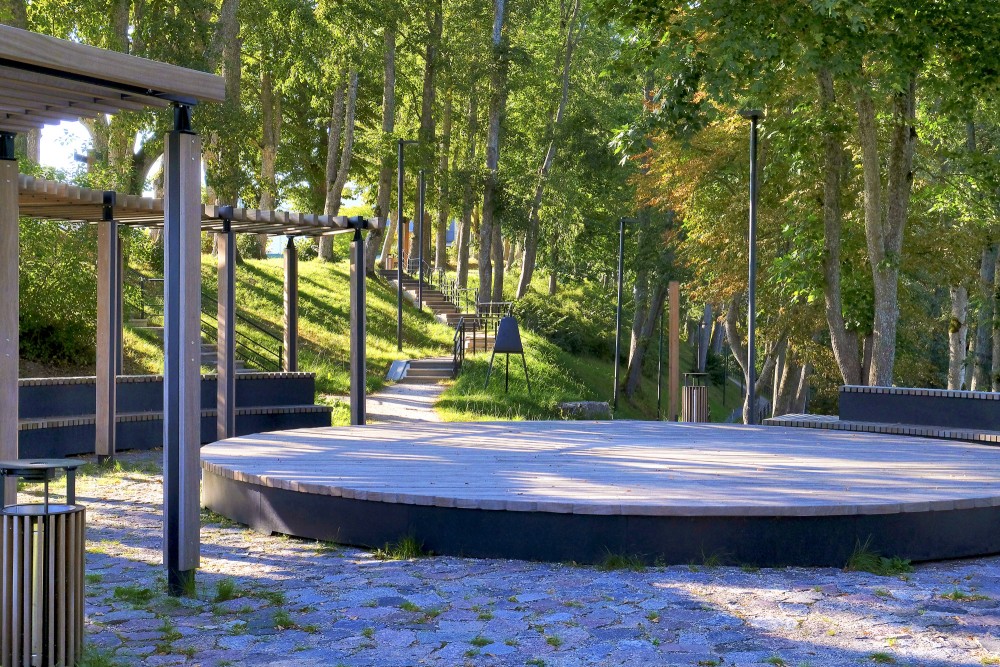
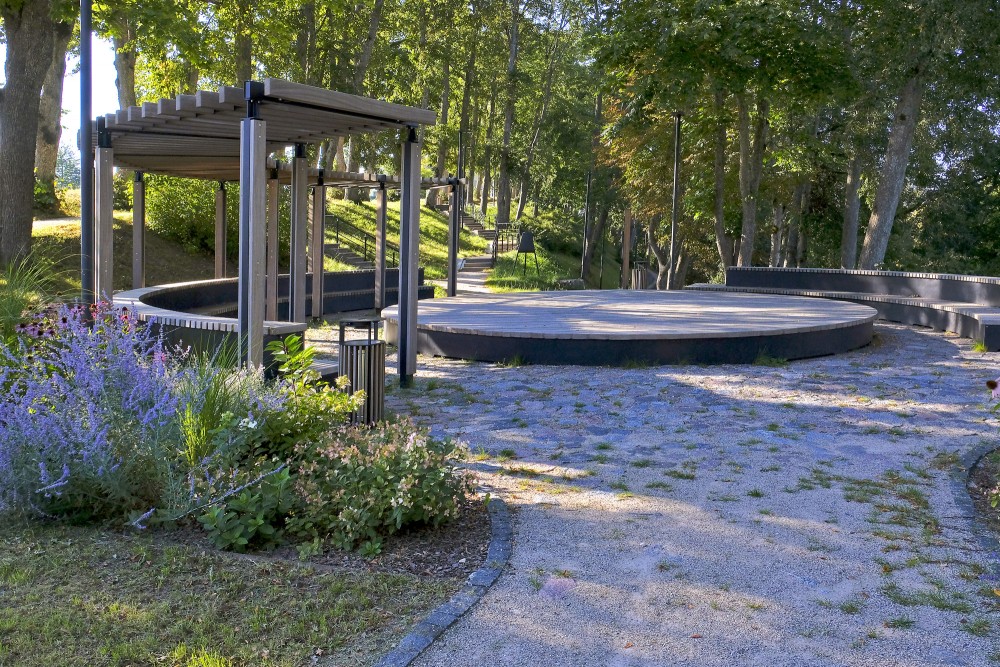
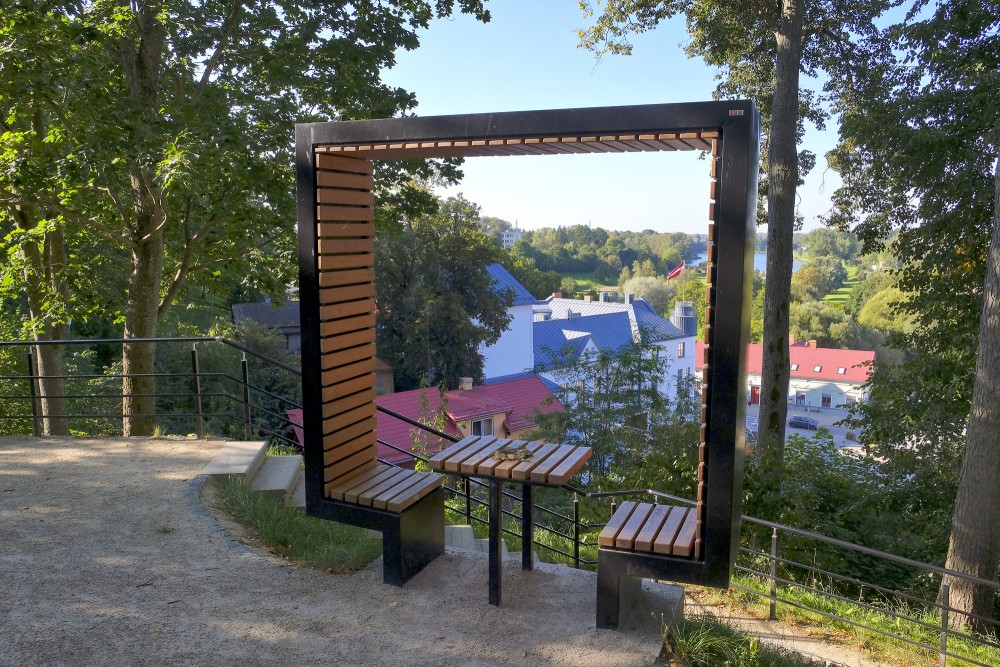
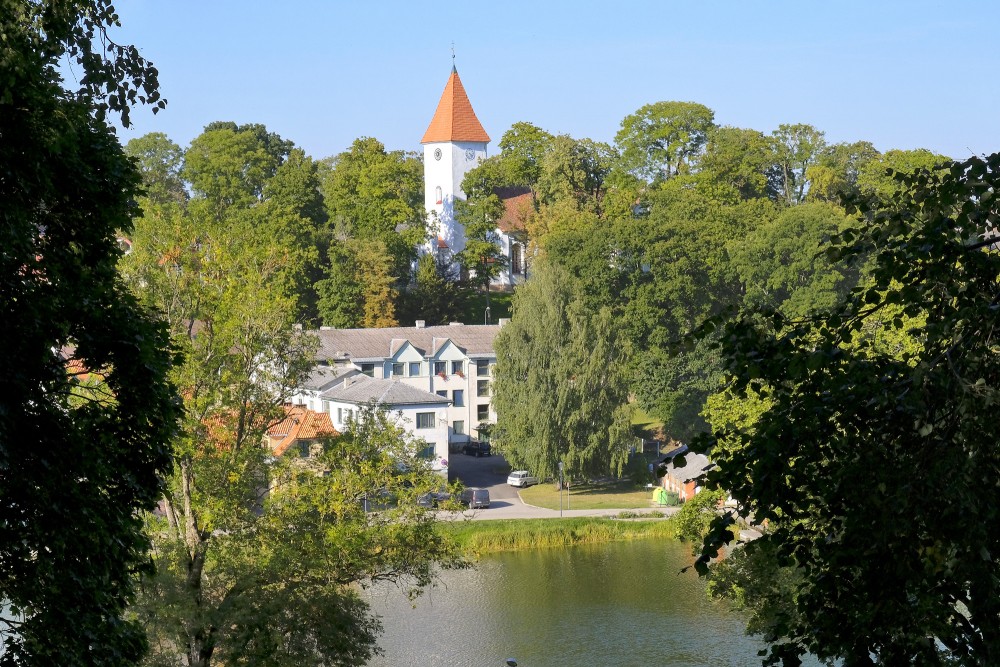
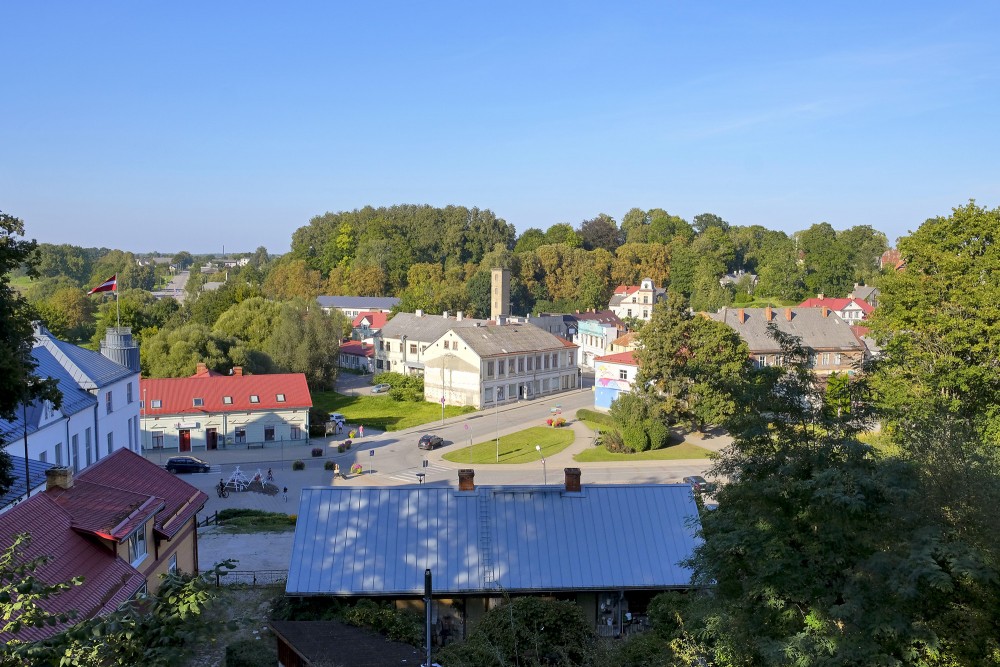
Today, Ķēniņkalns is a well-maintained urban park serving as a popular recreation spot for residents and visitors. It features a small open-air stage, leisure areas, and scenic walking trails. The hill offers panoramic viewpoints overlooking Vilkmuiža Lake and the historic center of Talsi.
Interesting Facts
-
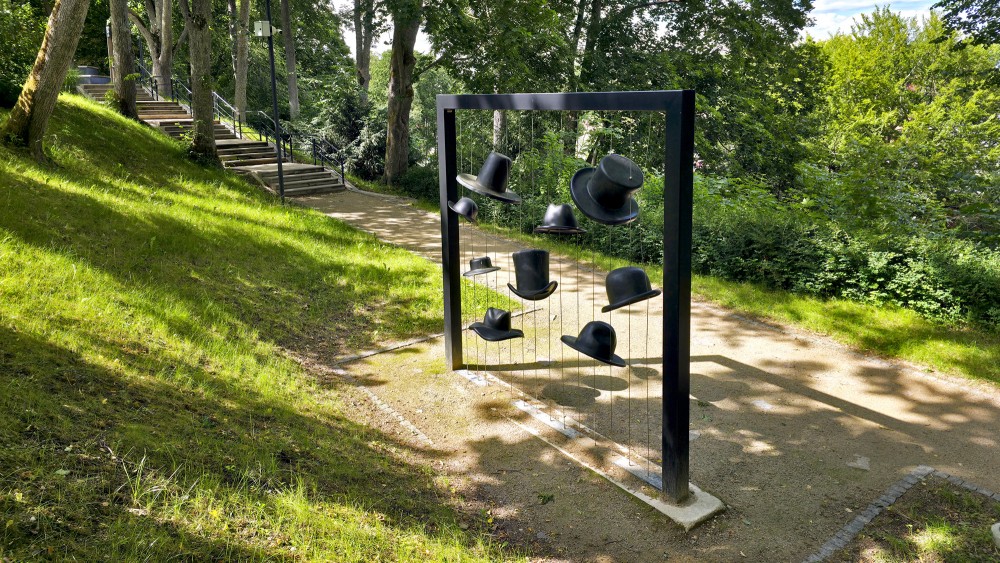
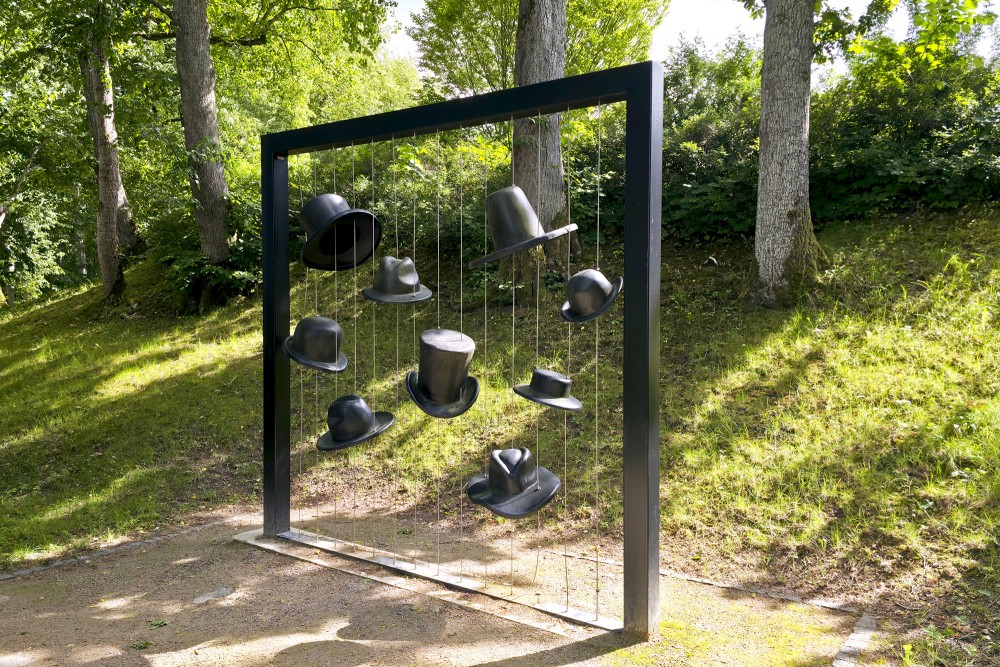
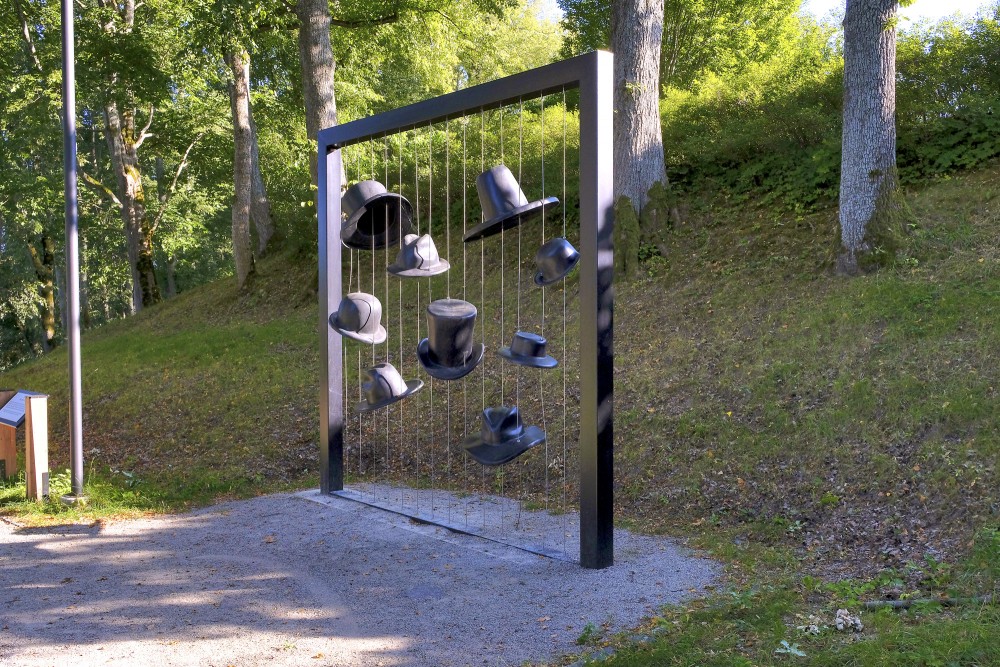
The Legend of the King: According to local folklore, a Curonian king (often associated with King Lamekin) is buried beneath the hill. Out of profound respect, people brought soil in their hats and aprons to cover his grave, creating the hill.
-
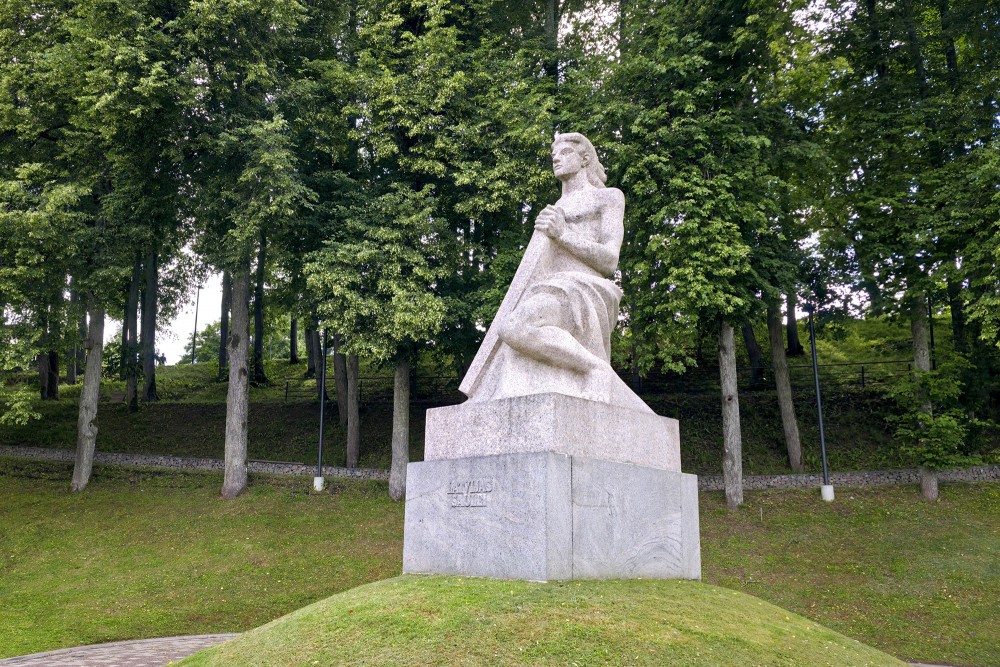
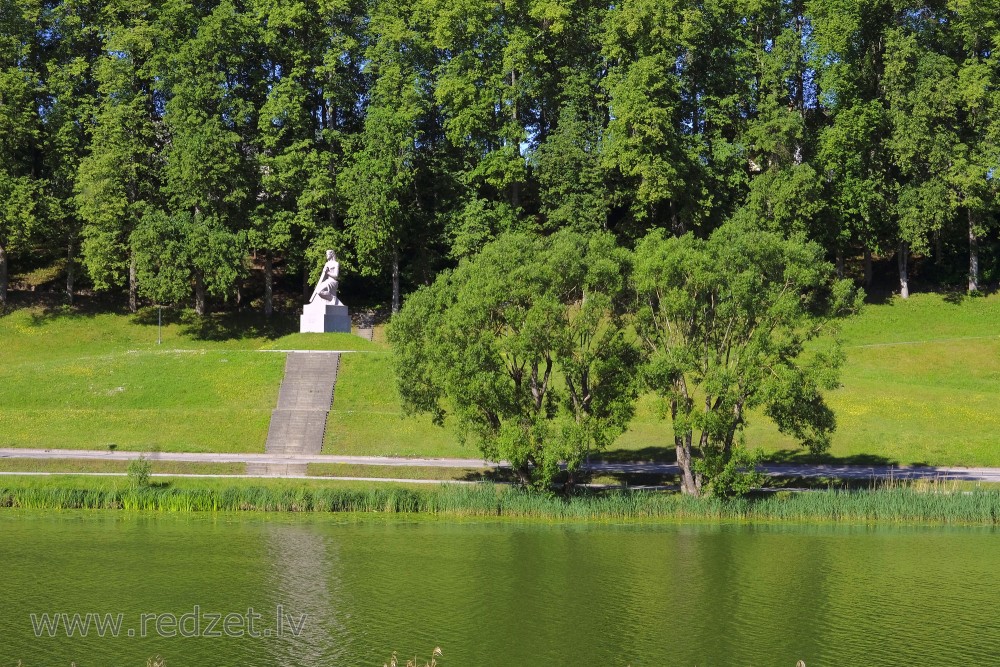
The "Koklētājs" Monument: Since November 1996, the hill has been home to the "Koklētājs" (The Latvian Lute Player) monument. Initially designed by the prominent sculptor Kārlis Zemdega and completed by sculptor Vilnis Titāns, it is dedicated to the fallen fighters of the Latvian War of Independence.
-
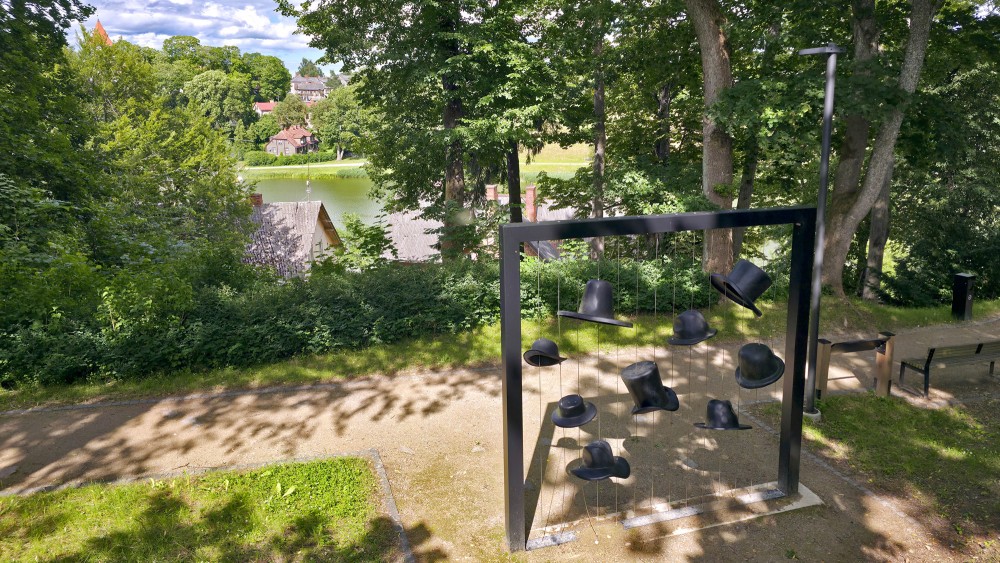
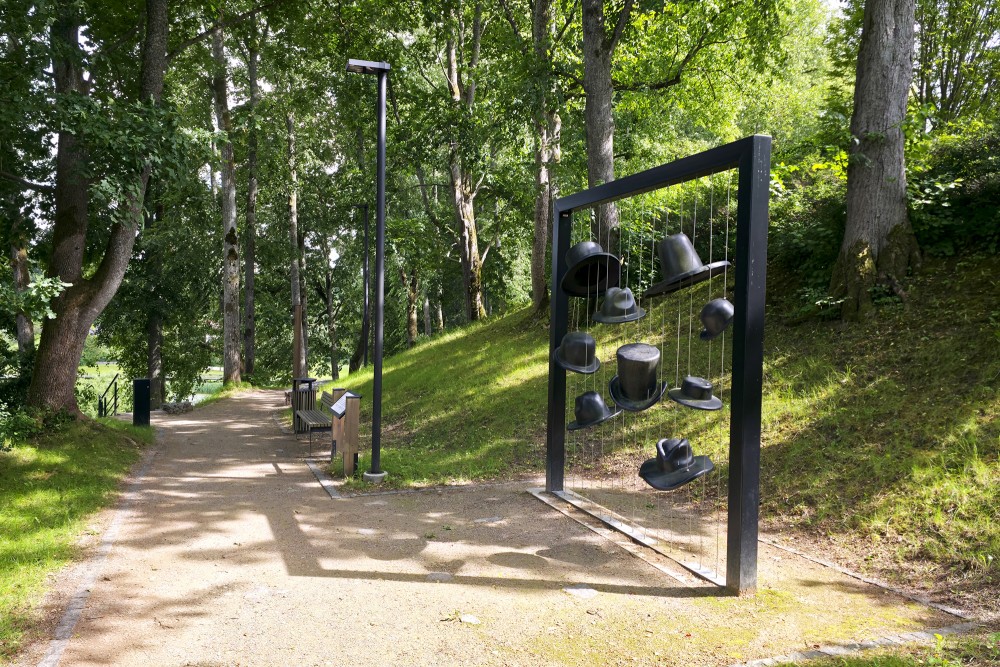
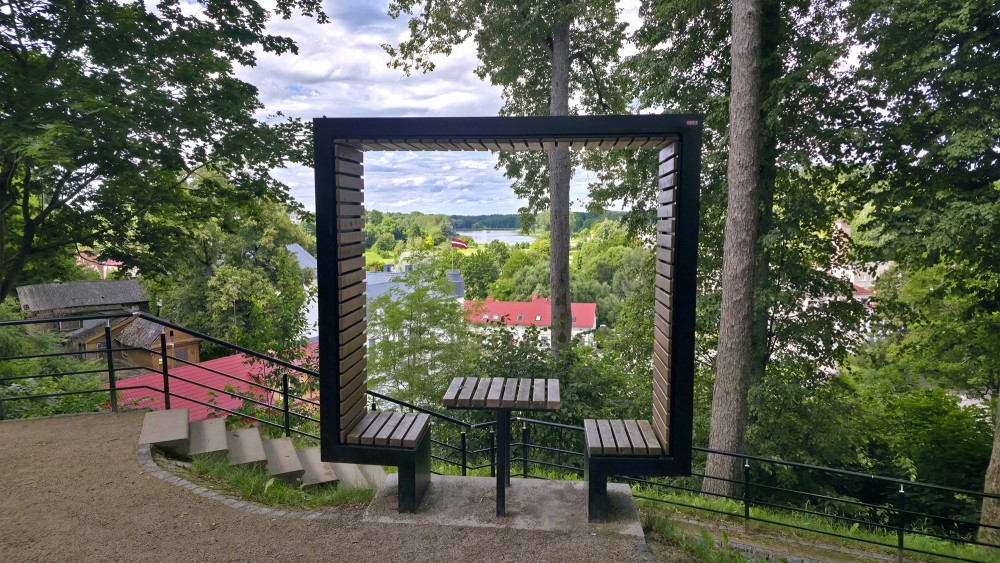
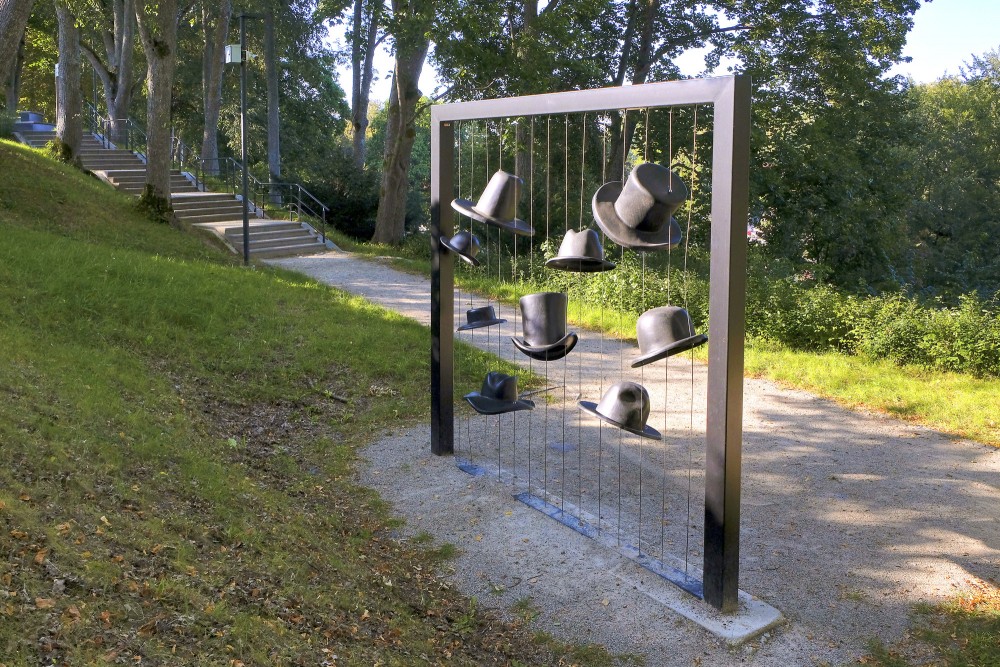
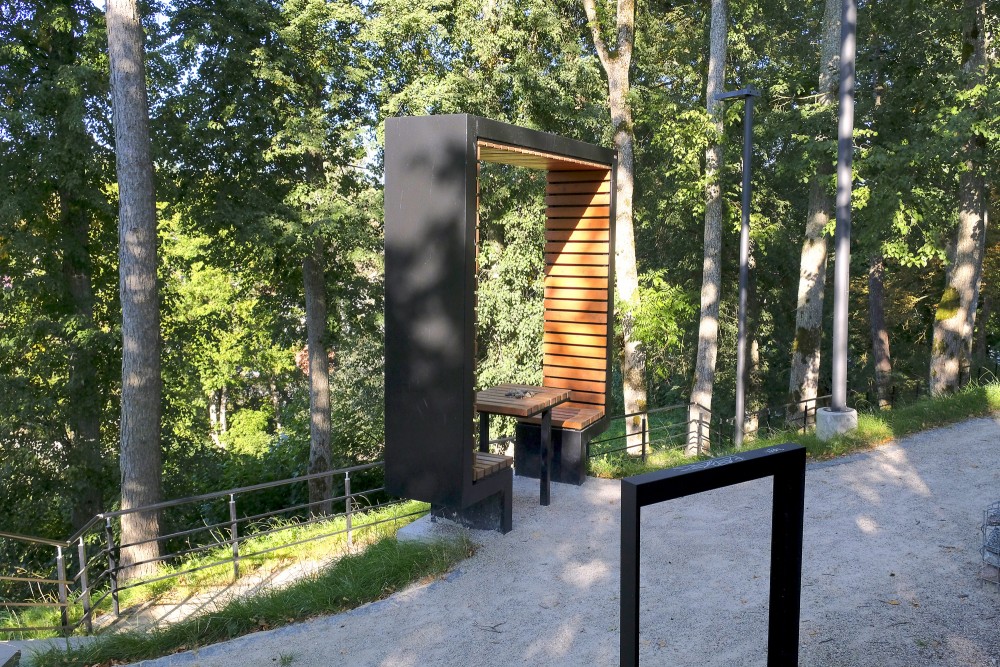
Environmental Installations: The park features two modern art installations: "Frame Talsi" for capturing landscape views, and "Nine Hats," which represents the nine distinct hills that shape the town's topography.