Garden design
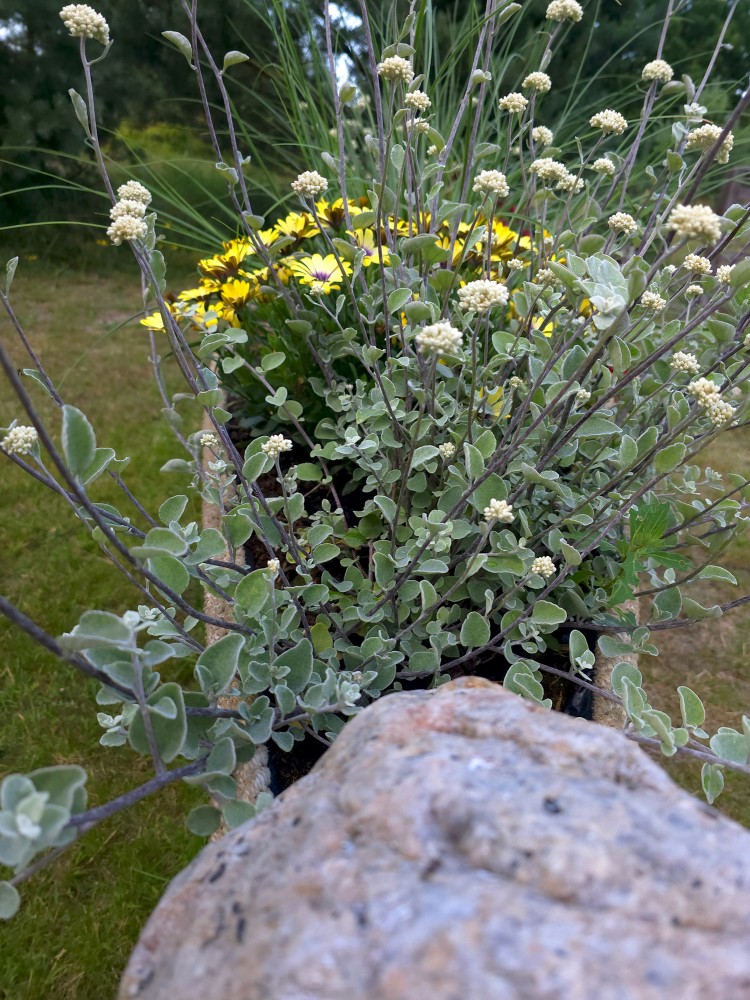
Garden design is the process of planning and creating a garden or outdoor space that is aesthetically pleasing, functional, and well-suited to the environment. It involves making thoughtful decisions about layout, plant selection, materials, and structures to enhance both the beauty and practicality of the space.
Key Elements of Garden Design:
1. Space Planning & Layout:
- The arrangement of paths, seating areas, flower beds, lawns, and other garden features.
- Creating zones for different activities, like relaxation, dining, or playing.
2. Plant Selection:
- Choosing plants (trees, shrubs, flowers, grasses, etc.) based on climate, soil, sunlight, and water availability.
- Deciding on seasonal flowers, evergreens, or mixed plantings to ensure year-round interest.
3. Hardscaping (Non-plant elements):
- Structures like patios, walkways, fences, walls, pergolas, and water features.
- Use of materials such as stone, wood, metal, or concrete to create durable and aesthetic elements.
4. Color and Texture:
- The use of colors and textures in plants, surfaces, and garden features to create harmony and visual appeal.
- Contrasting textures (e.g., smooth stones and rough wood) can add depth.
5. Lighting:
- Incorporating outdoor lighting for ambience and practical purposes like safety or highlighting specific plants or features.
6. Sustainability:
- Selecting drought-resistant plants, using organic or eco-friendly materials, and considering water conservation methods (e.g., rainwater harvesting, drip irrigation).
