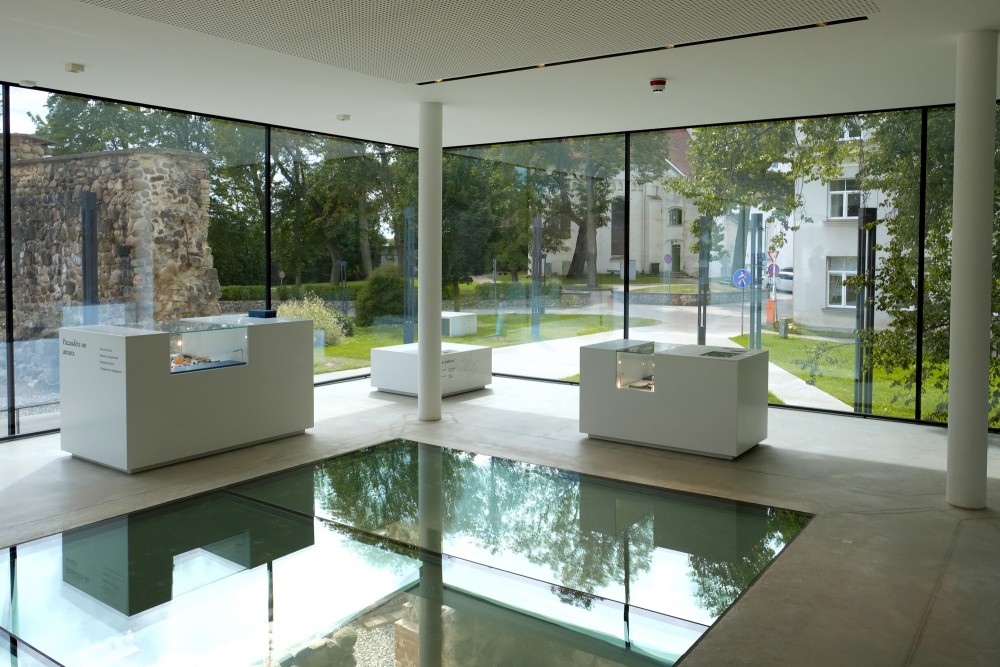
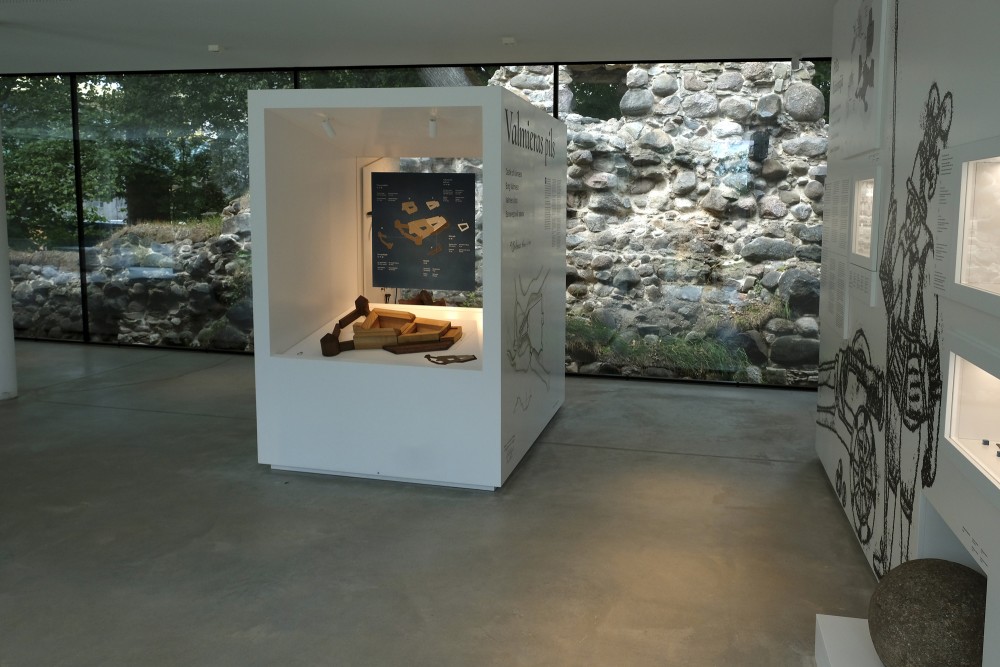
Exhibition

Significance and Function
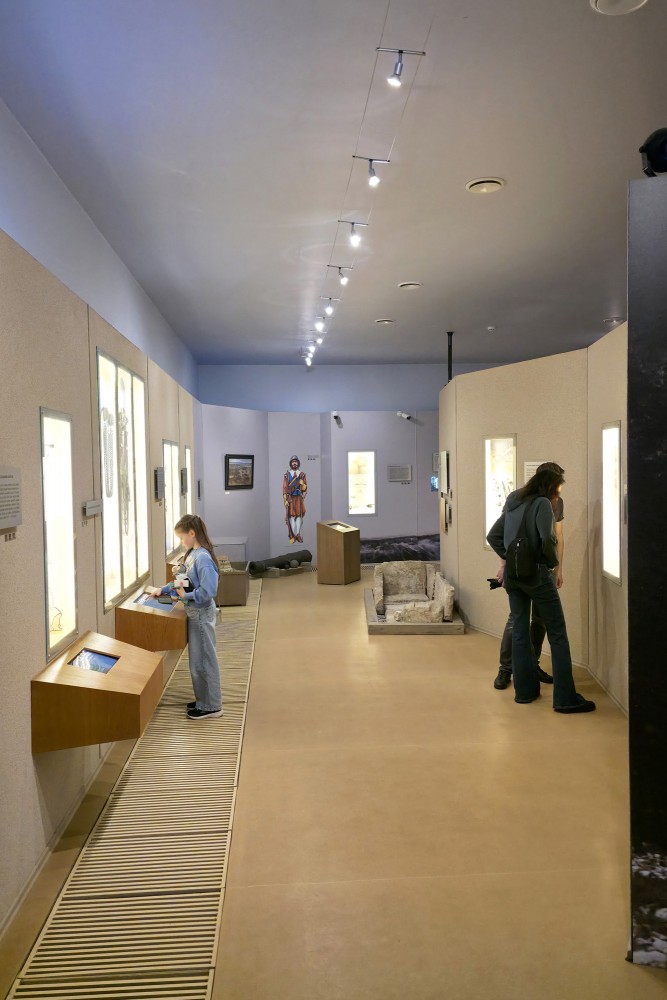
An exhibition is a purposefully selected and arranged collection of objects, documents, and visual materials that tells a story about a specific theme, historical period, or individual. Its primary function is to educate, preserve cultural heritage, and stimulate interest in the past and present. The exhibition serves as a bridge between scientific research and the public, transforming complex information into an easily accessible narrative.
Content and Structure
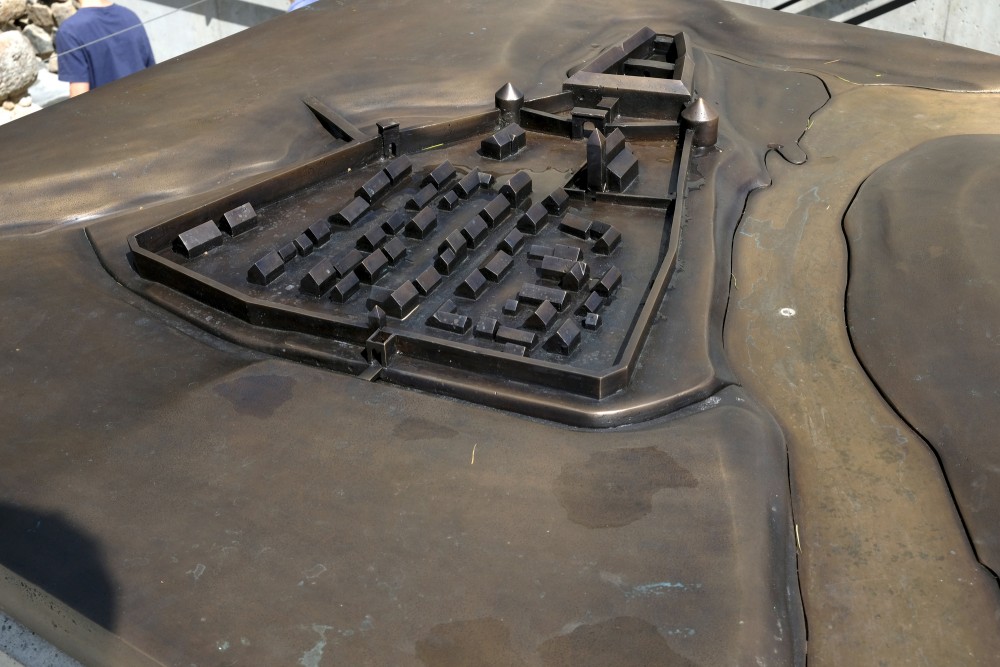
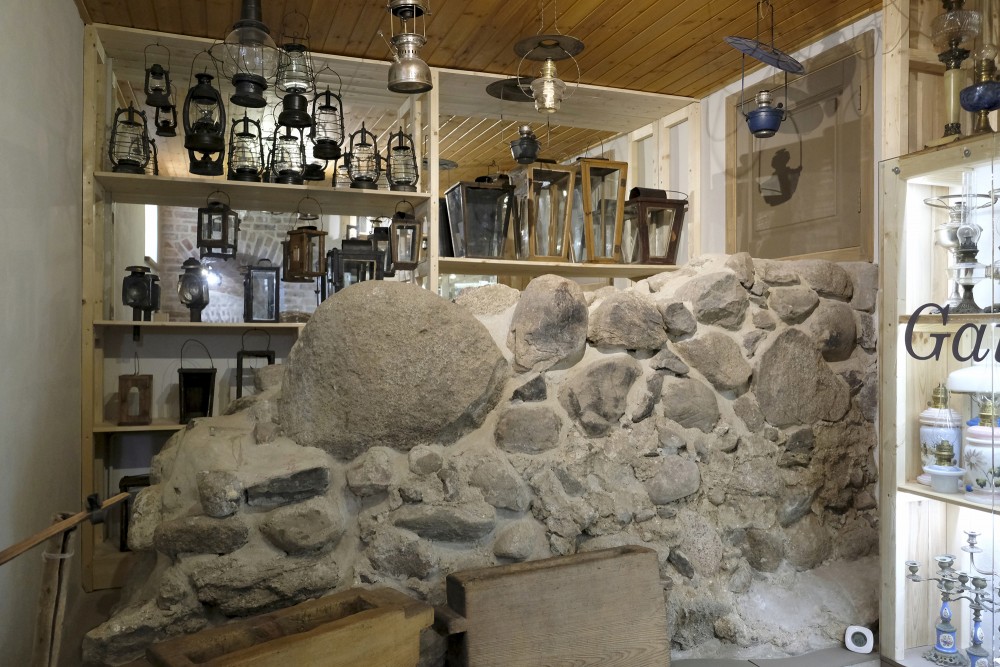
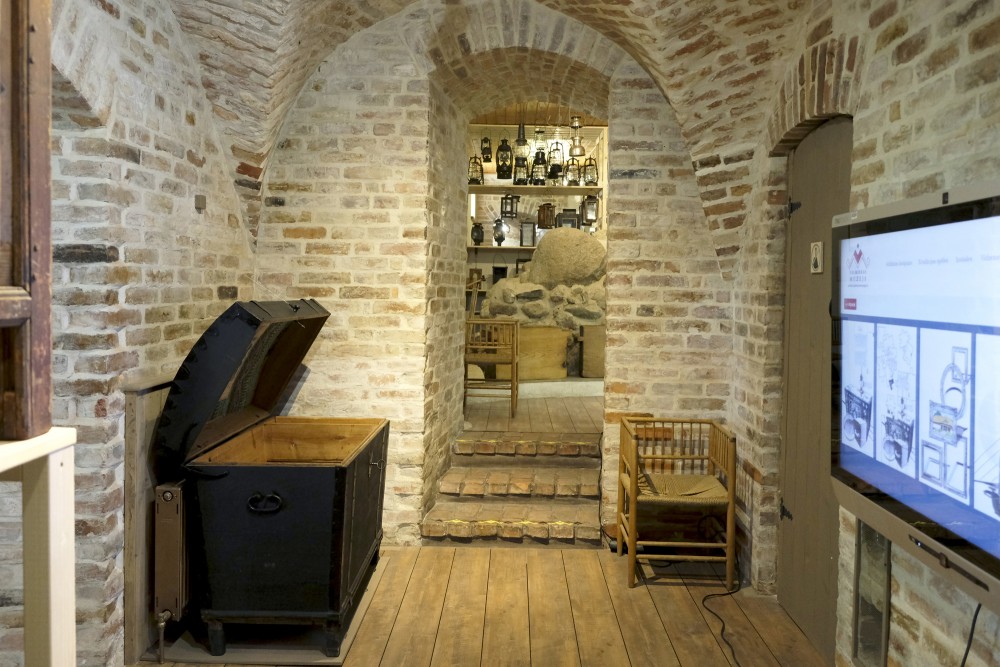
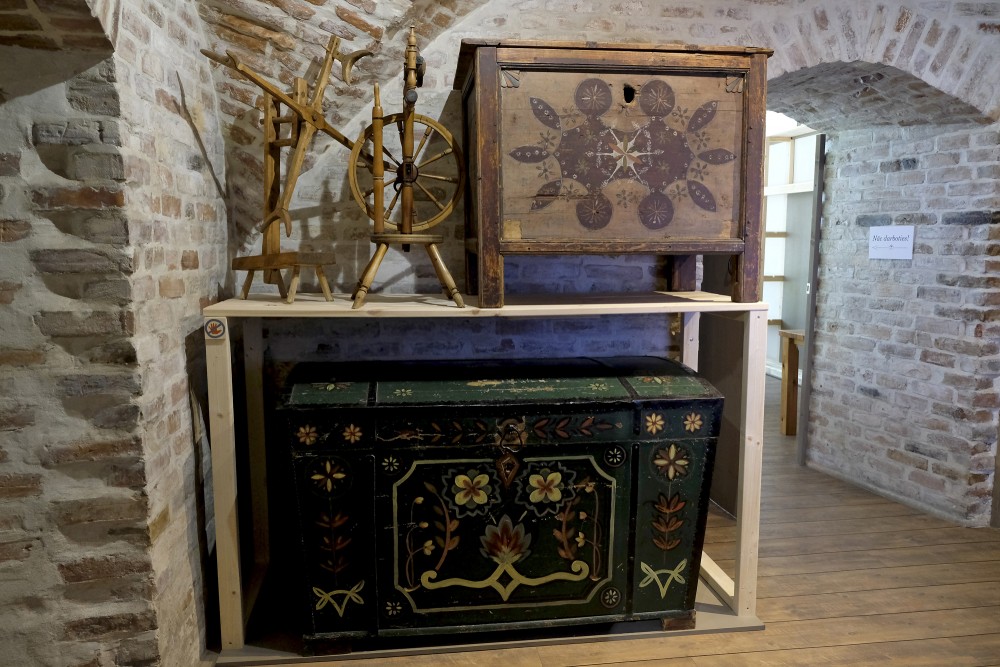
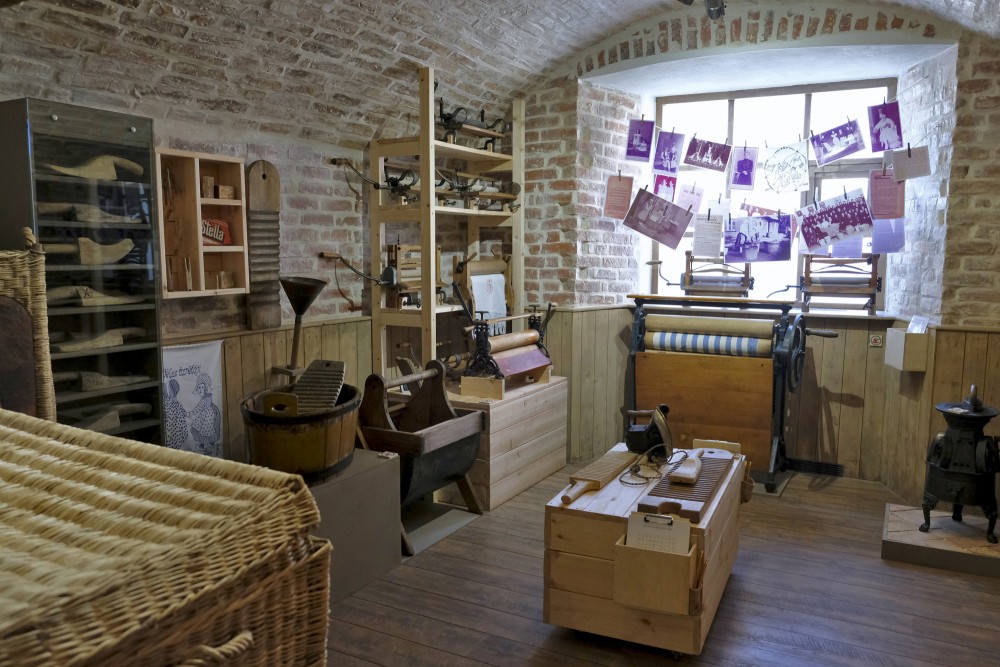
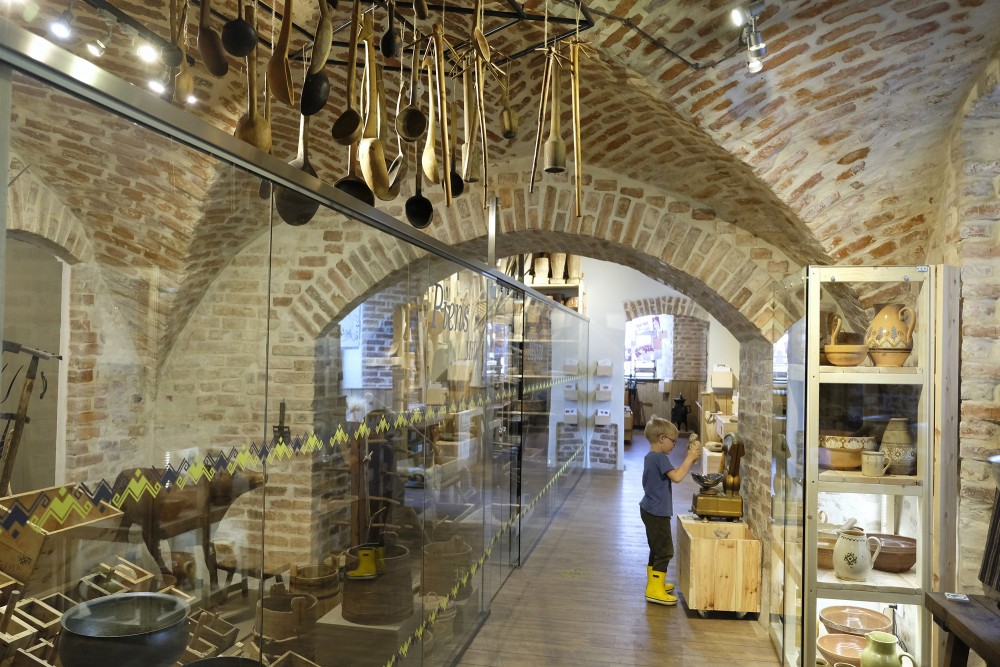
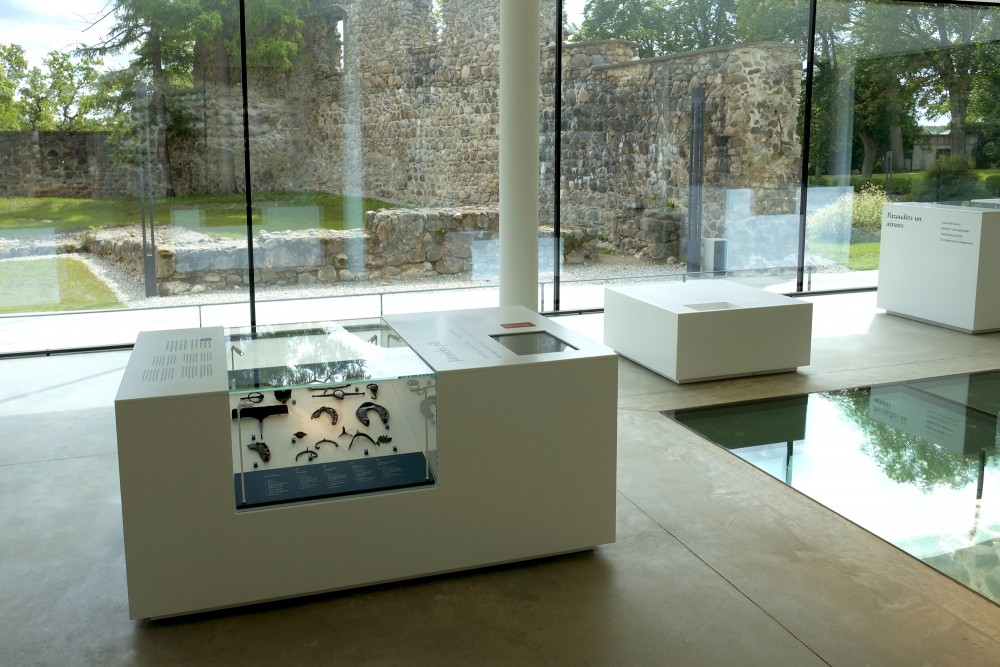
The exhibition consists of original historical sources, archaeological finds, artworks, and everyday artifacts. Today, this content is complemented by explanatory texts, diagrams, photographs, and digital solutions. The display is typically divided into chronological or thematic zones, allowing visitors to explore key events and connections in a logical sequence.
Interesting Facts
-
Behind the Scenes: The items on display are often only a small fraction of the entire museum collection. The majority of artifacts are kept in storage rooms for preservation and ongoing research.
-
Dynamic Nature: Although an exhibition can be permanent, it is regularly updated with new research findings or newly acquired artifacts to keep the content relevant and engaging.