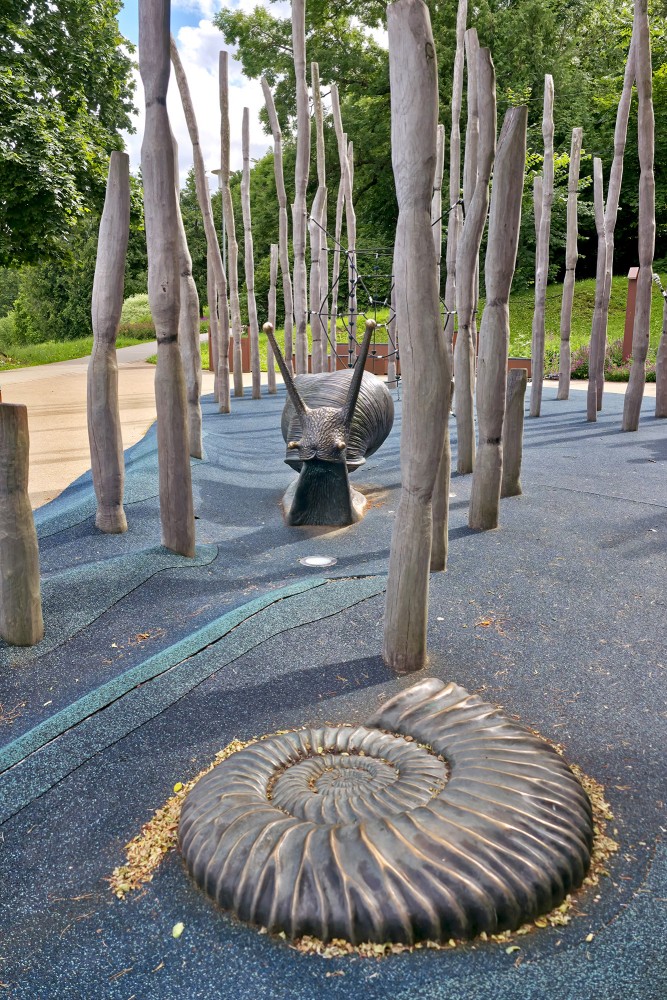
Ammonites (Fossils)
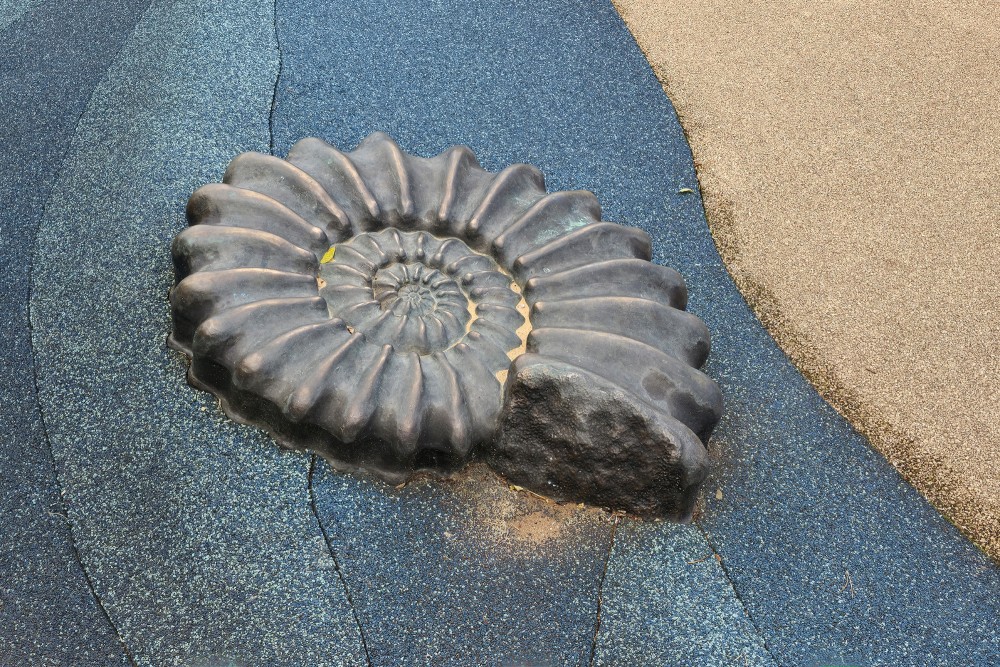
Ammonites are an extinct group of marine cephalopods that inhabited Earth's oceans from the Devonian period until the end of the Cretaceous period (roughly 400 to 66 million years ago). They are among the most recognizable and widely studied fossils.
-
Appearance: Ammonites possessed a coiled spiral shell divided into multiple internal chambers. The animal lived in the outermost chamber, using the inner chambers to control buoyancy and depth in the water.
-
Size: Their shell diameters vary greatly, ranging from a few millimeters to over 1.5 meters.
-
Scientific Importance: Ammonites are key index fossils. Due to their rapid evolution and widespread global presence, paleontologists use them to pinpoint the geological age of rock layers.
-
Extinction: They vanished during the Cretaceous–Paleogene extinction event, the same cosmic event that led to the disappearance of the dinosaurs.